
Sponsored guide
Stacking Creative Filters: Use Four Frames to Decide What Helps
Compare no filter, each effect alone and the combination. A practical SZ Filters guide to compatibility, dark corners and knowing when to remove a layer.
Fieldcraft & editing
Clear, durable advice for making, editing and presenting stronger photographs without burying the work beneath jargon.
Sponsored guide
Compare no filter, each effect alone and the combination. A practical SZ Filters guide to compatibility, dark corners and knowing when to remove a layer.
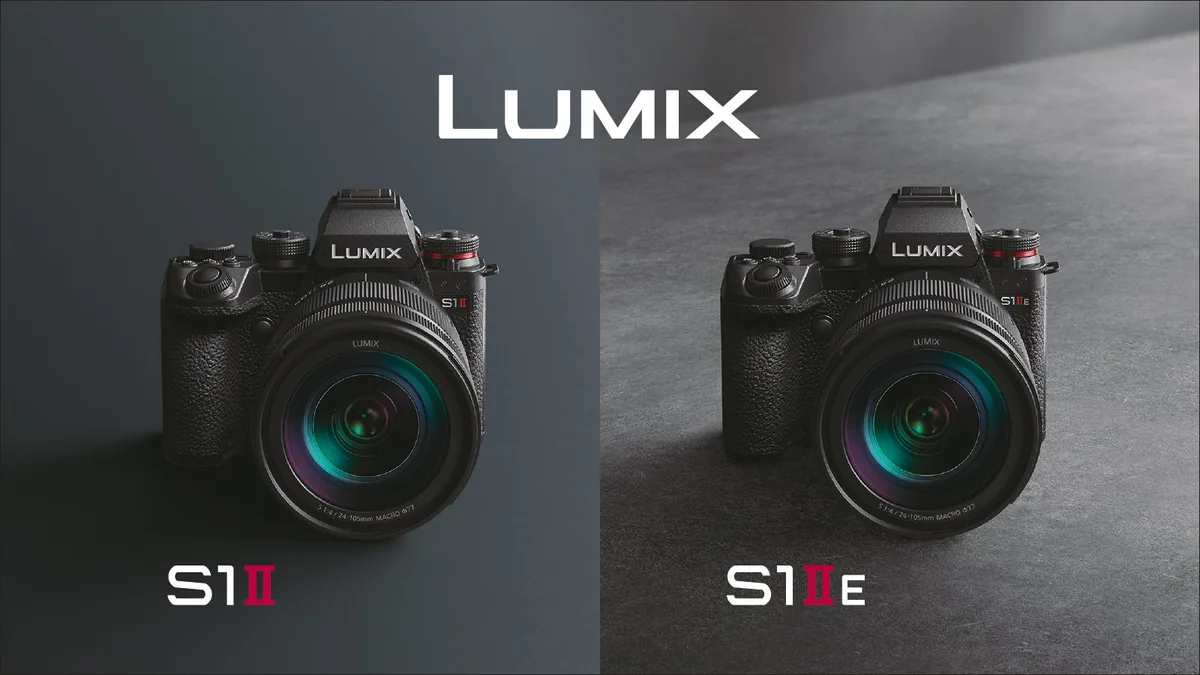
Practical photo workflow
Keep multi-camera photographs in a useful order with a shared clock reference, body-specific notes and a cautious capture-time correction workflow.

Evergreen action workflow
Maximum fps is only one part of action photography. Rehearse burst length, recovery time and the next sequence with the file format and cards you will actually use.
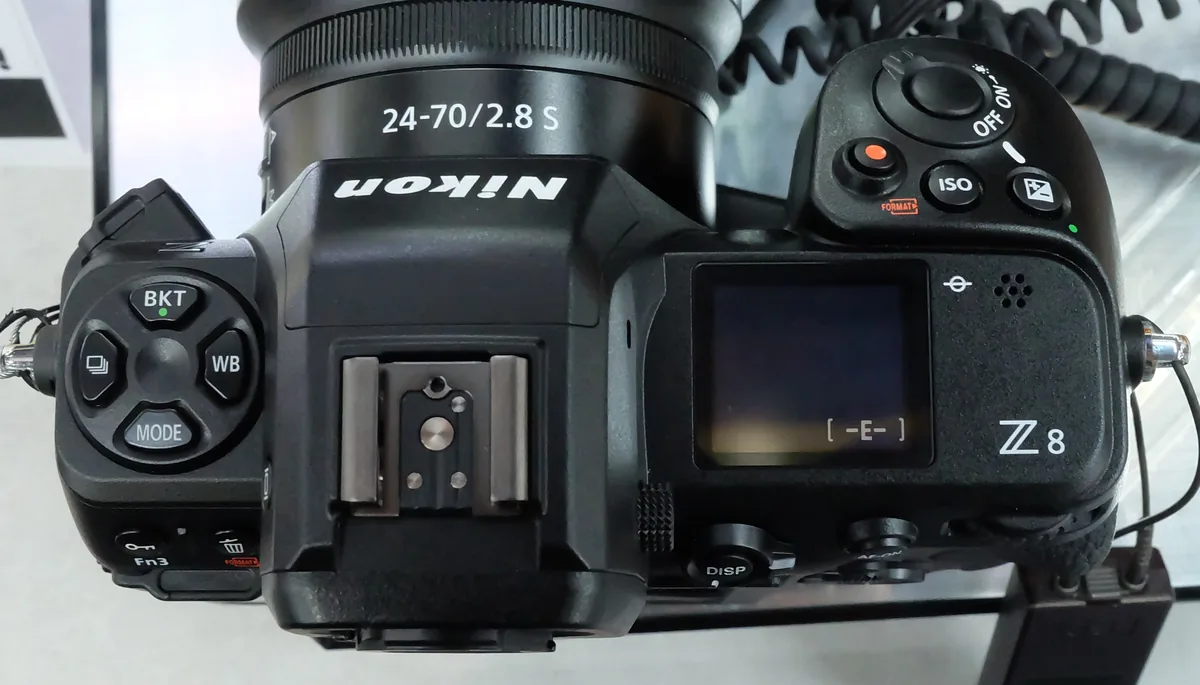
Evergreen camera technique
The plus/minus control changes an automatic exposure target, not the scene. Learn which setting moves, when Auto ISO matters and why compensation can appear to stop working.
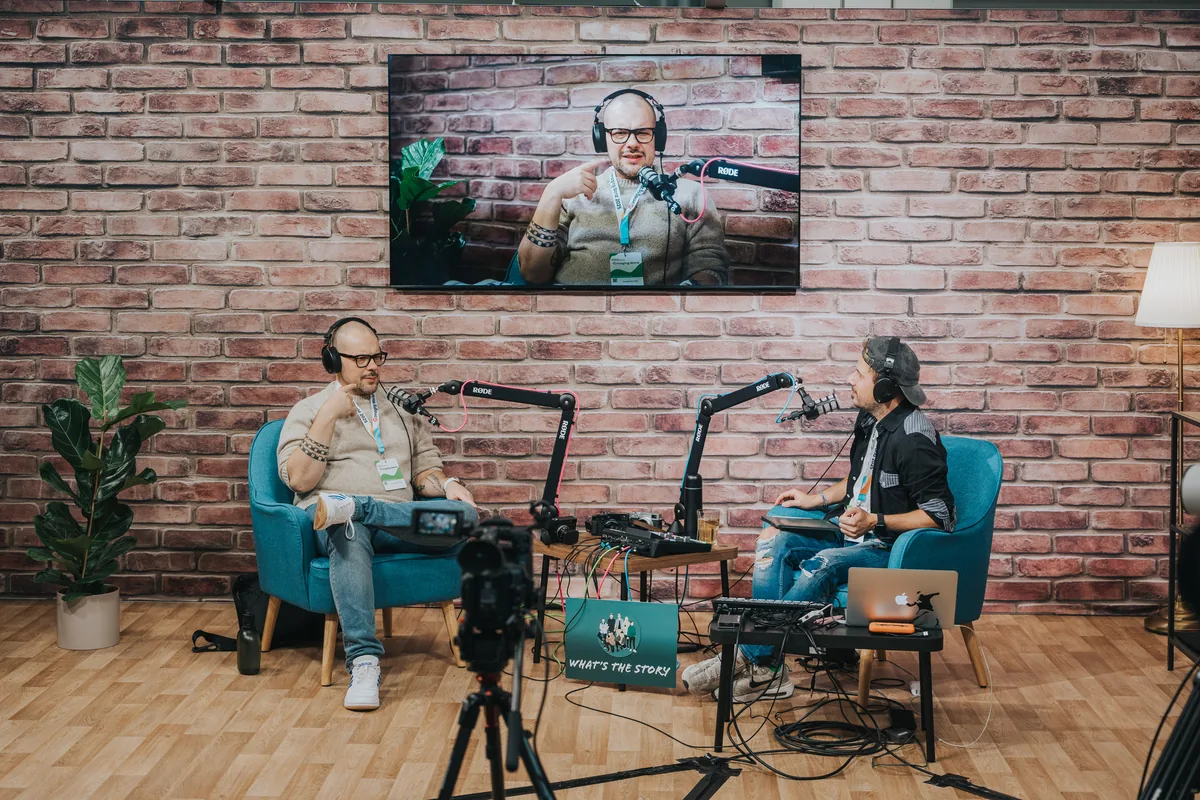
Practical video sound
A short, well-labeled recording of a location can make dialogue edits less distracting. Keep the microphone setup consistent and know what room tone cannot repair.
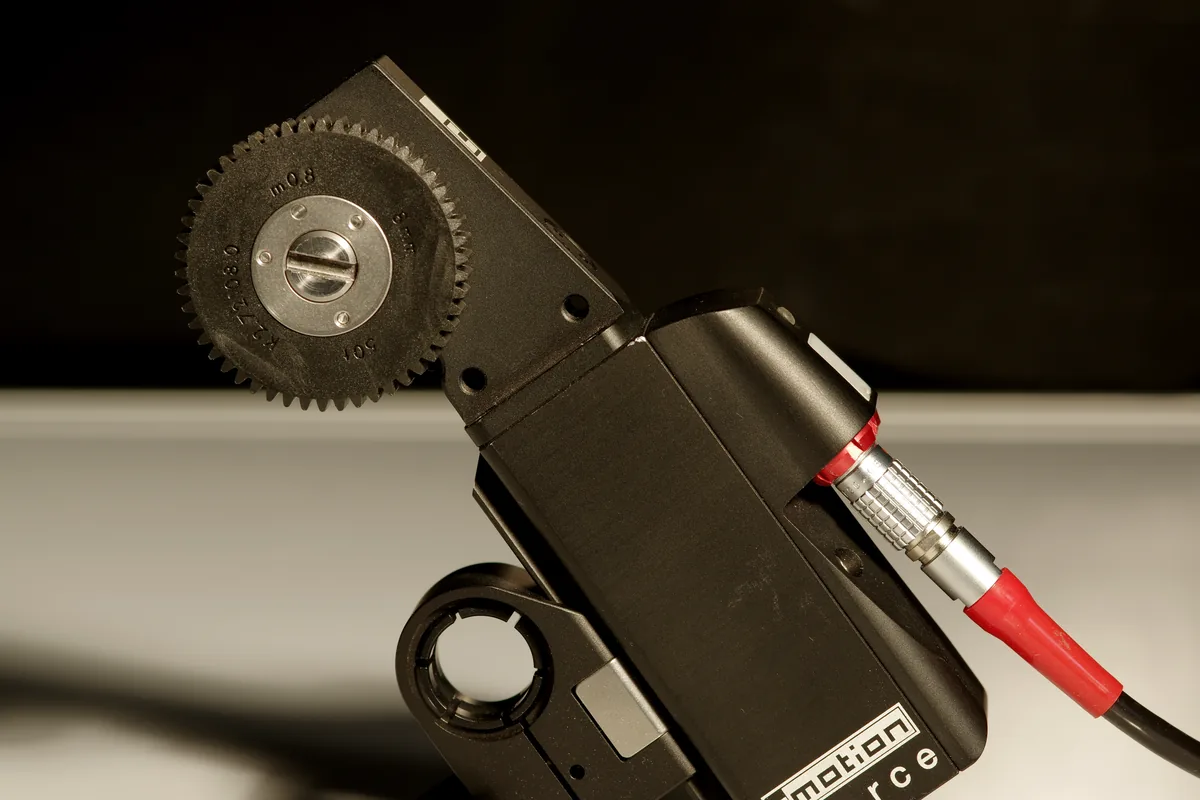
Evergreen technique
A repeatable focus-stacking workflow for stationary subjects: overlap the sharp zones, keep light consistent and check the merge before discarding source frames.
Practical video workflow
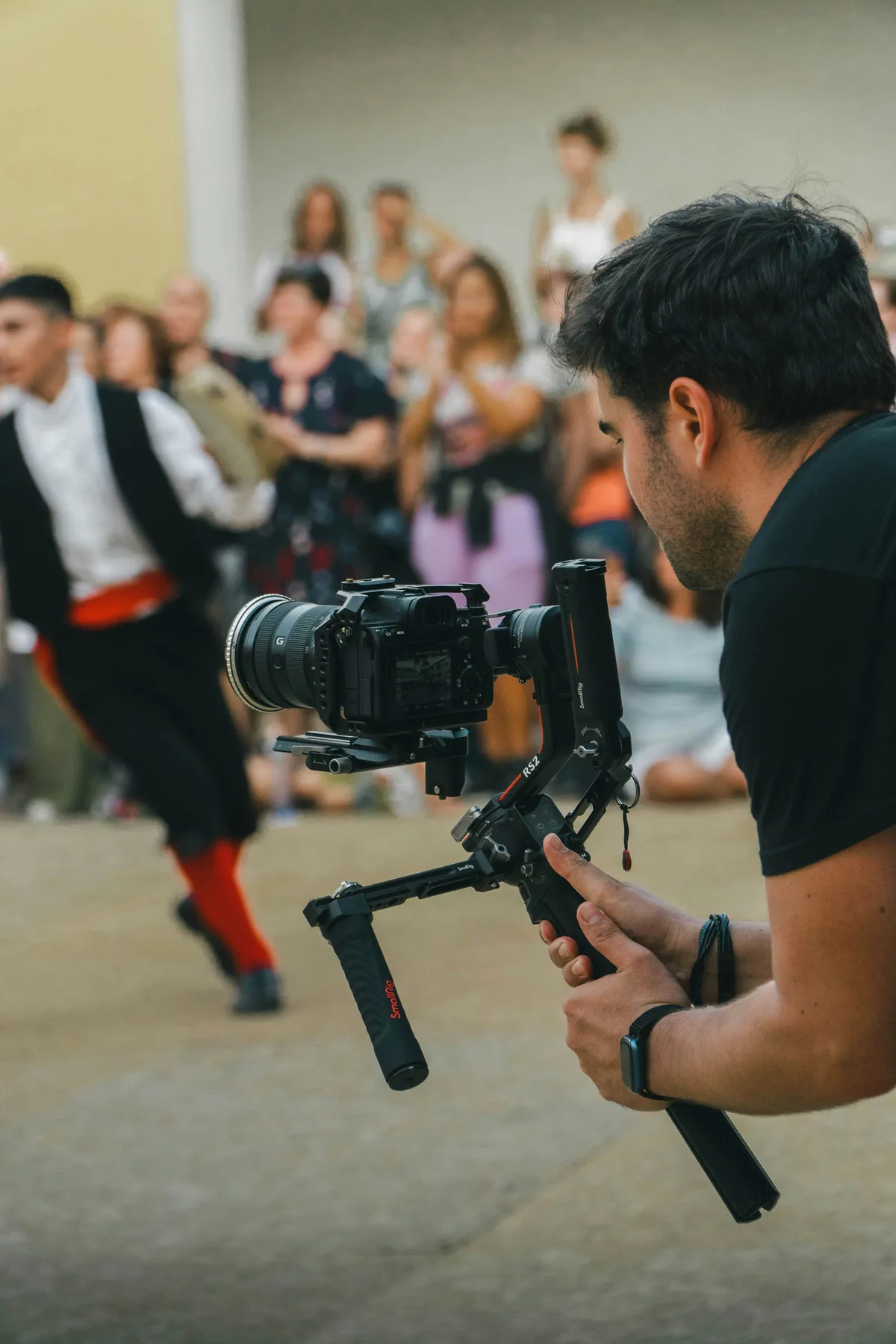
Protect the subject, hands and captions before recording. A practical approach to 16:9 and 9:16 delivery, including when a separate take beats an automatic crop.
Sponsored guide
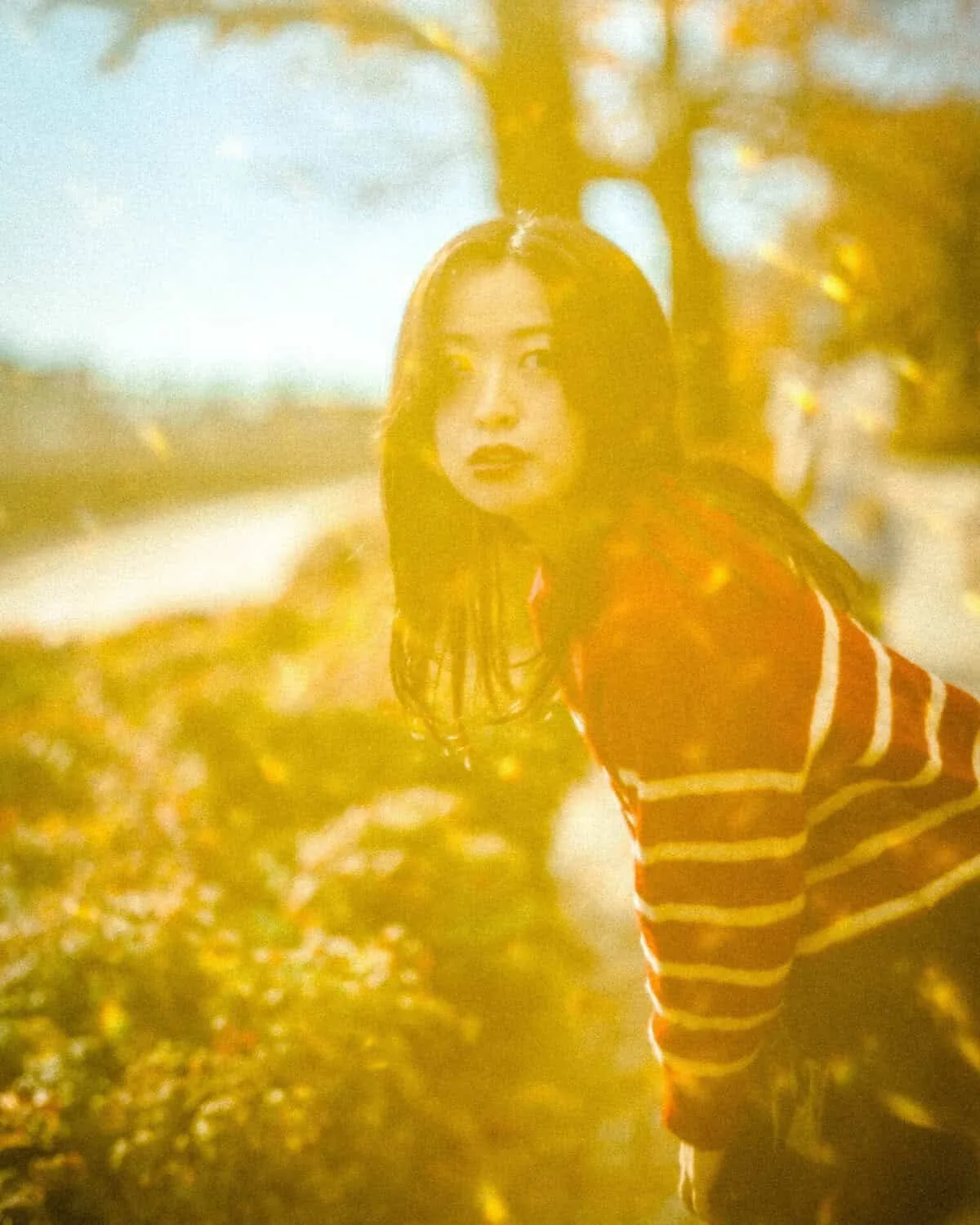
Separate aperture, exposure and filter effects with a matched-pair photo exercise. A practical SZ Filters guide to judging the subject before the glow.
Practical color workflow
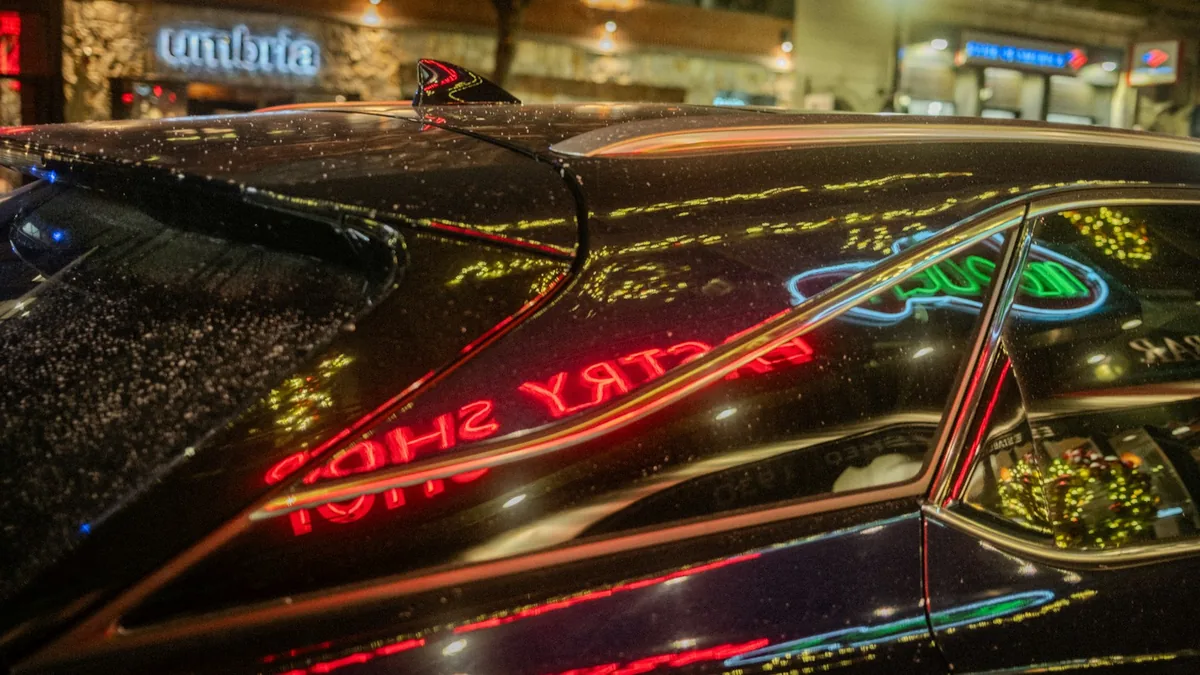
Choose a color priority, place a neutral reference correctly and keep a sequence consistent. Why one white-balance setting cannot neutralize every light source.
Evergreen technique
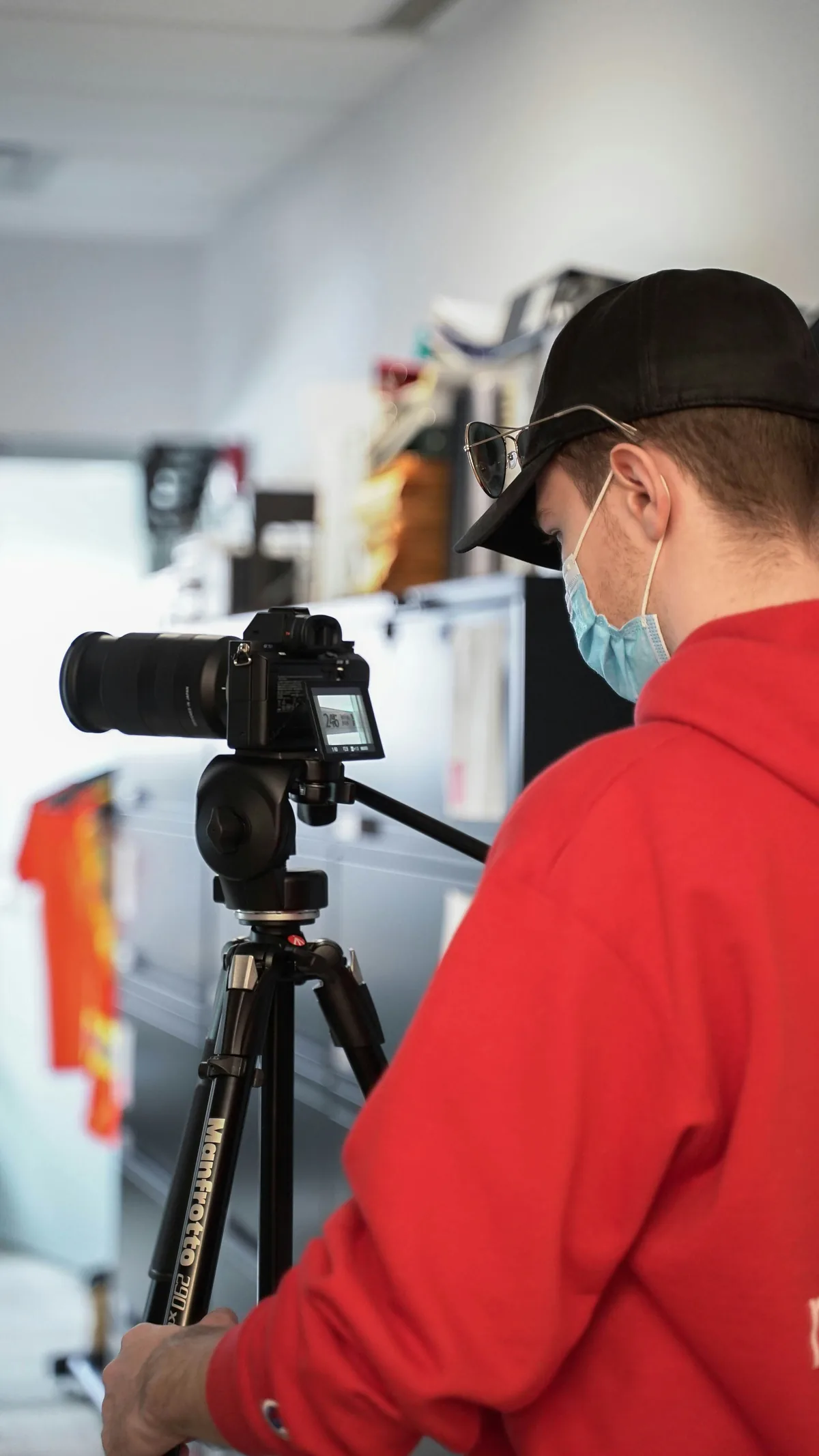
Separate subject movement, support vibration and missed focus with a repeatable tripod test. Stabilization and shutter settings depend on the actual camera and lens.
Practical stills workflow
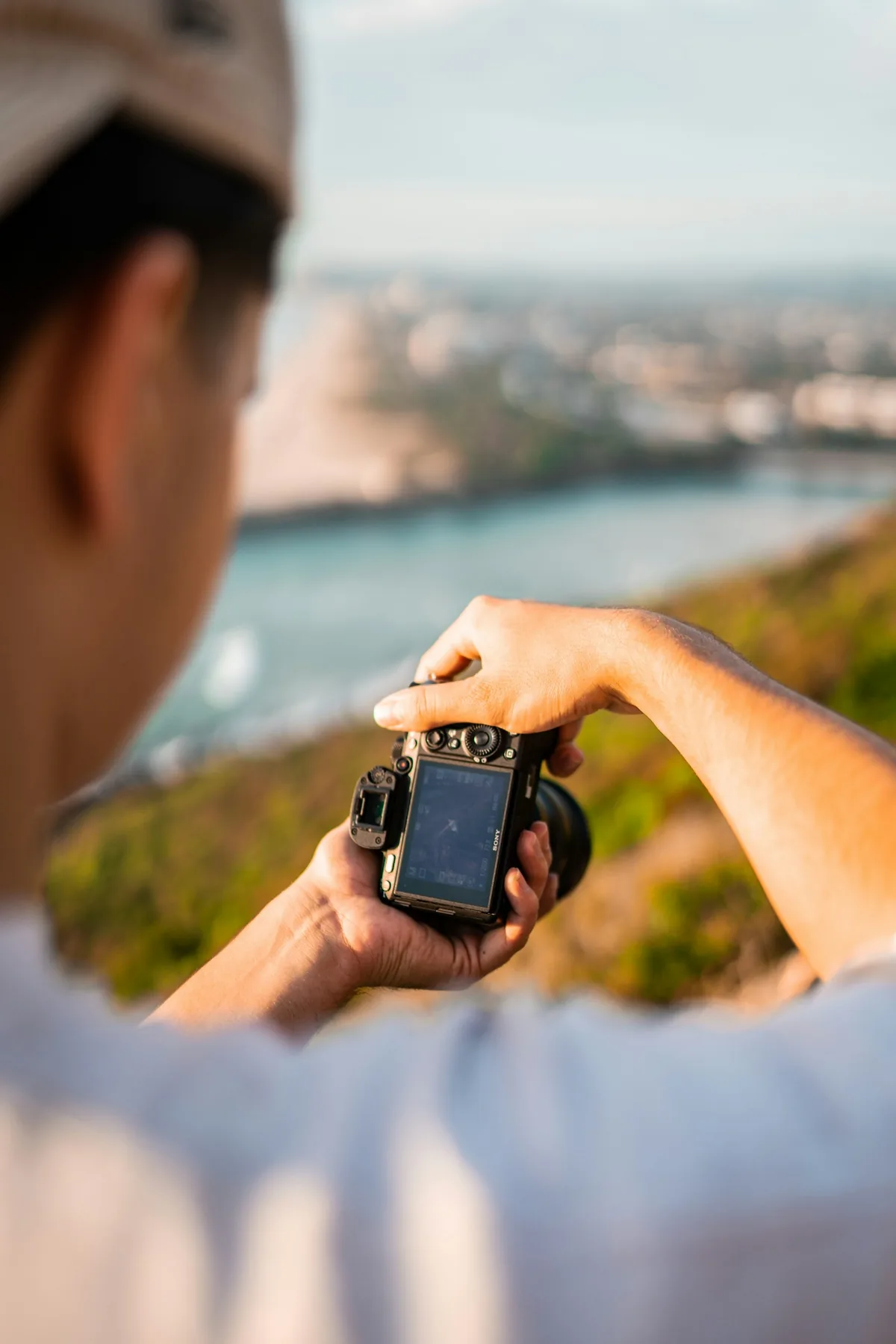
Capture a useful exposure bracket without changing depth of field, then check motion and ghosting before deciding whether an HDR merge improves the photograph.
Sponsored technique guide
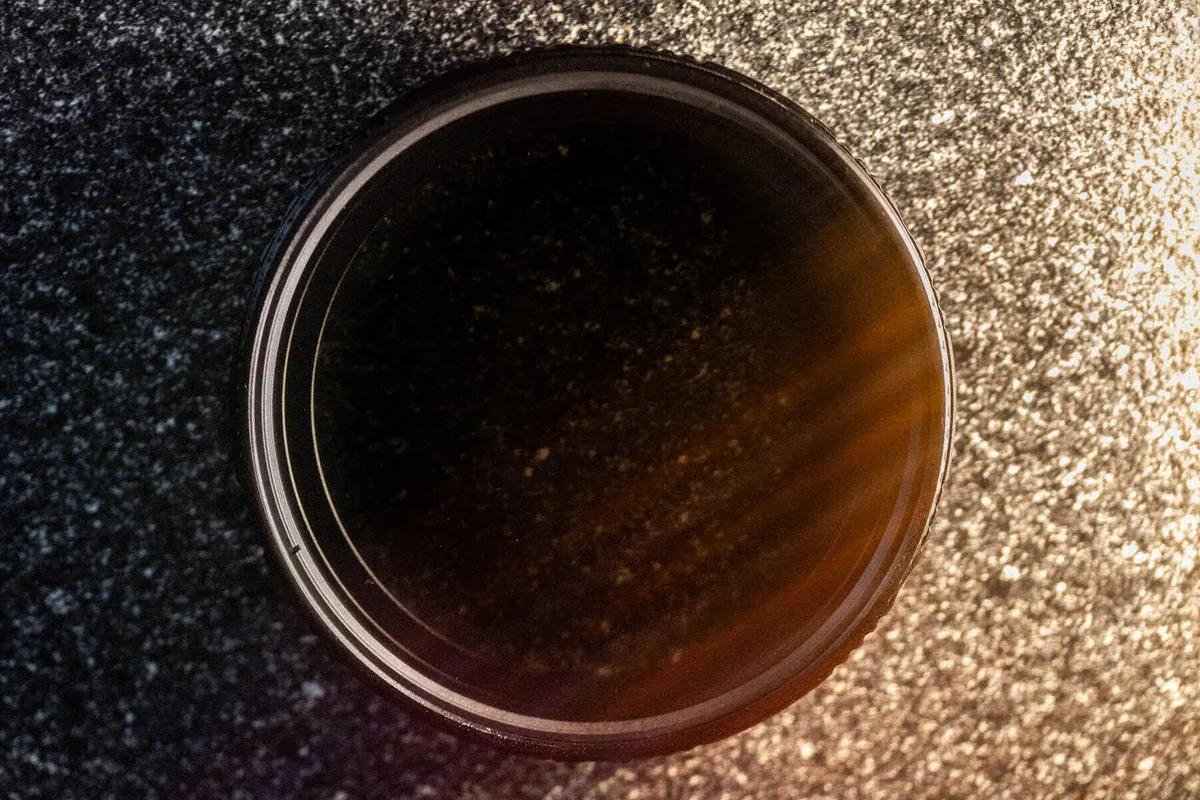
Set motion and depth of field first, then reduce light. A practical variable-ND workflow with compatibility checks, exposure examples and clear limits.
Practical commissioning guide
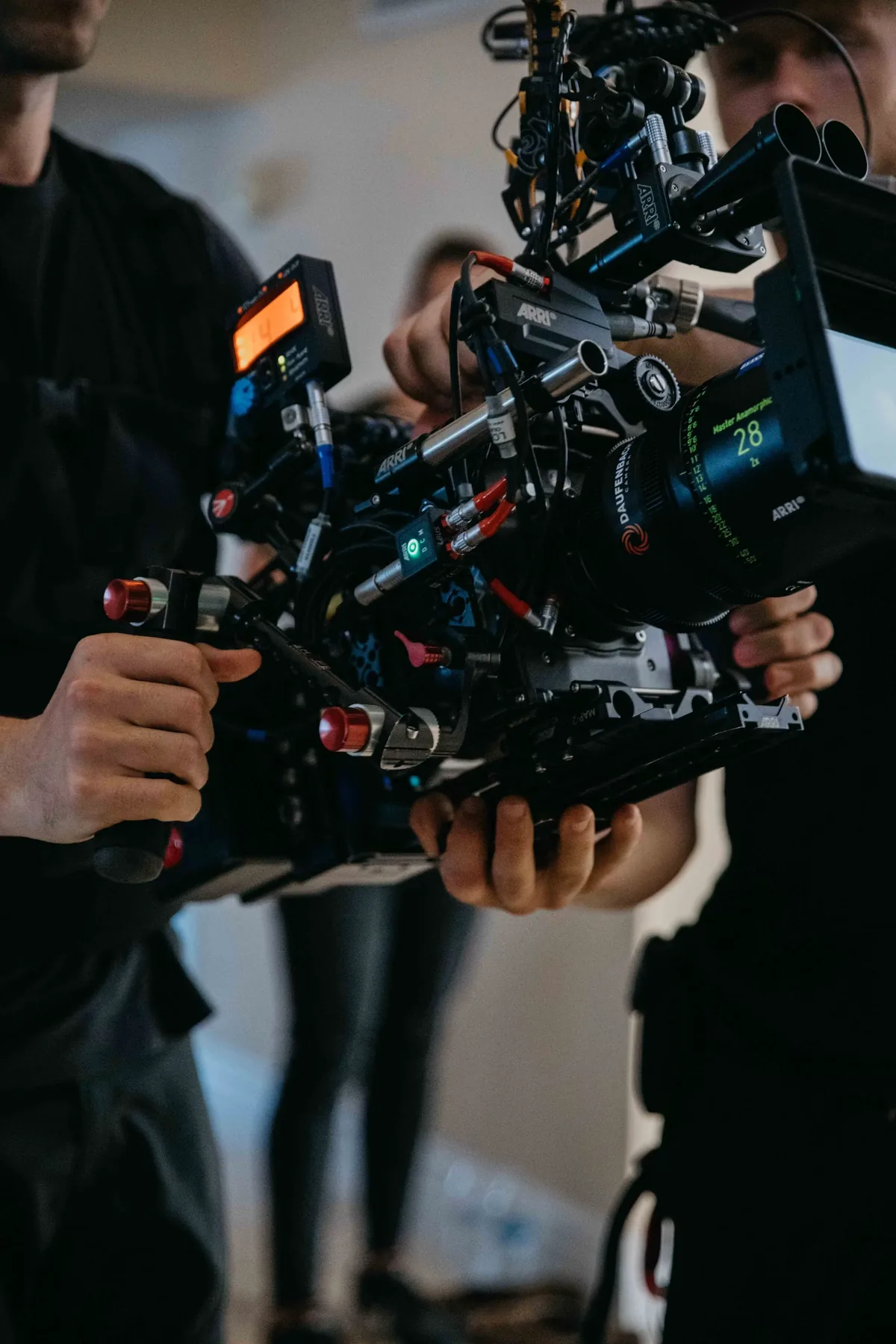
Turn a new camera delivery into a dependable working setup with a repeatable capture, sound, import, edit and export check—not an improvised stress test.
Camera care guide
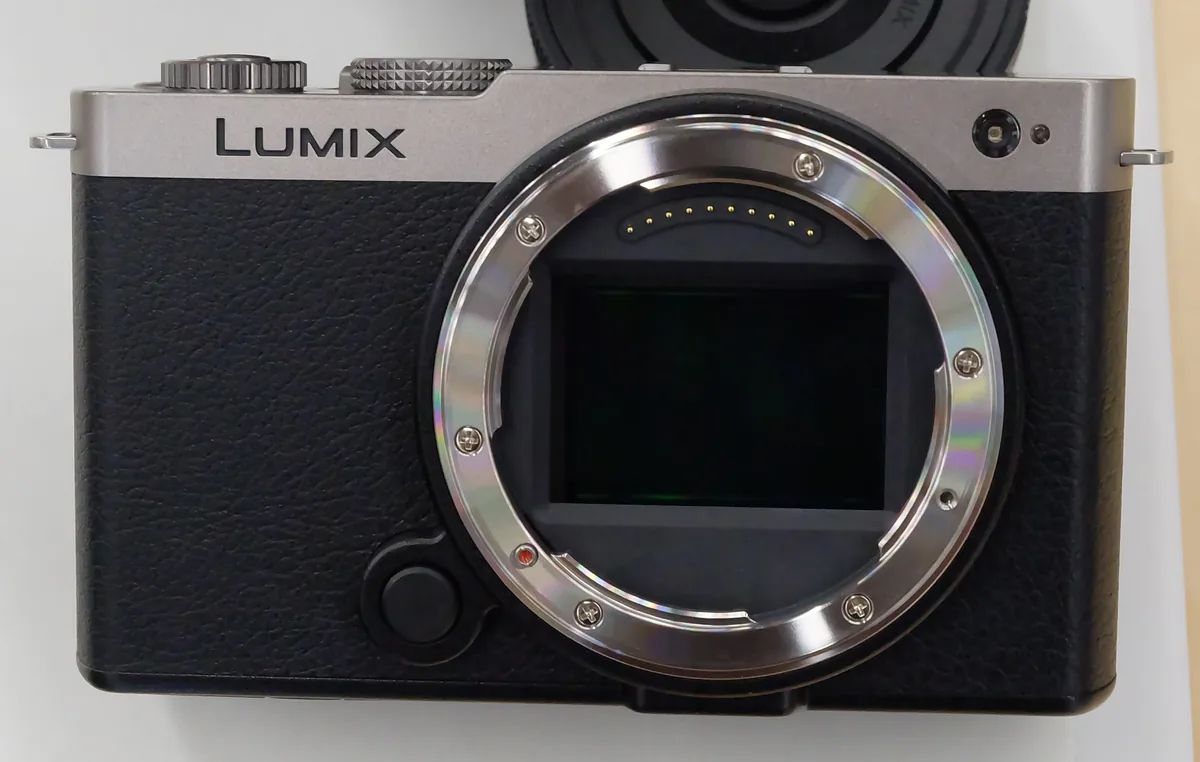
A cautious sensor-cleaning workflow: confirm repeatable spots, follow the exact camera manual, use only permitted no-contact methods and recognize when service is safer.
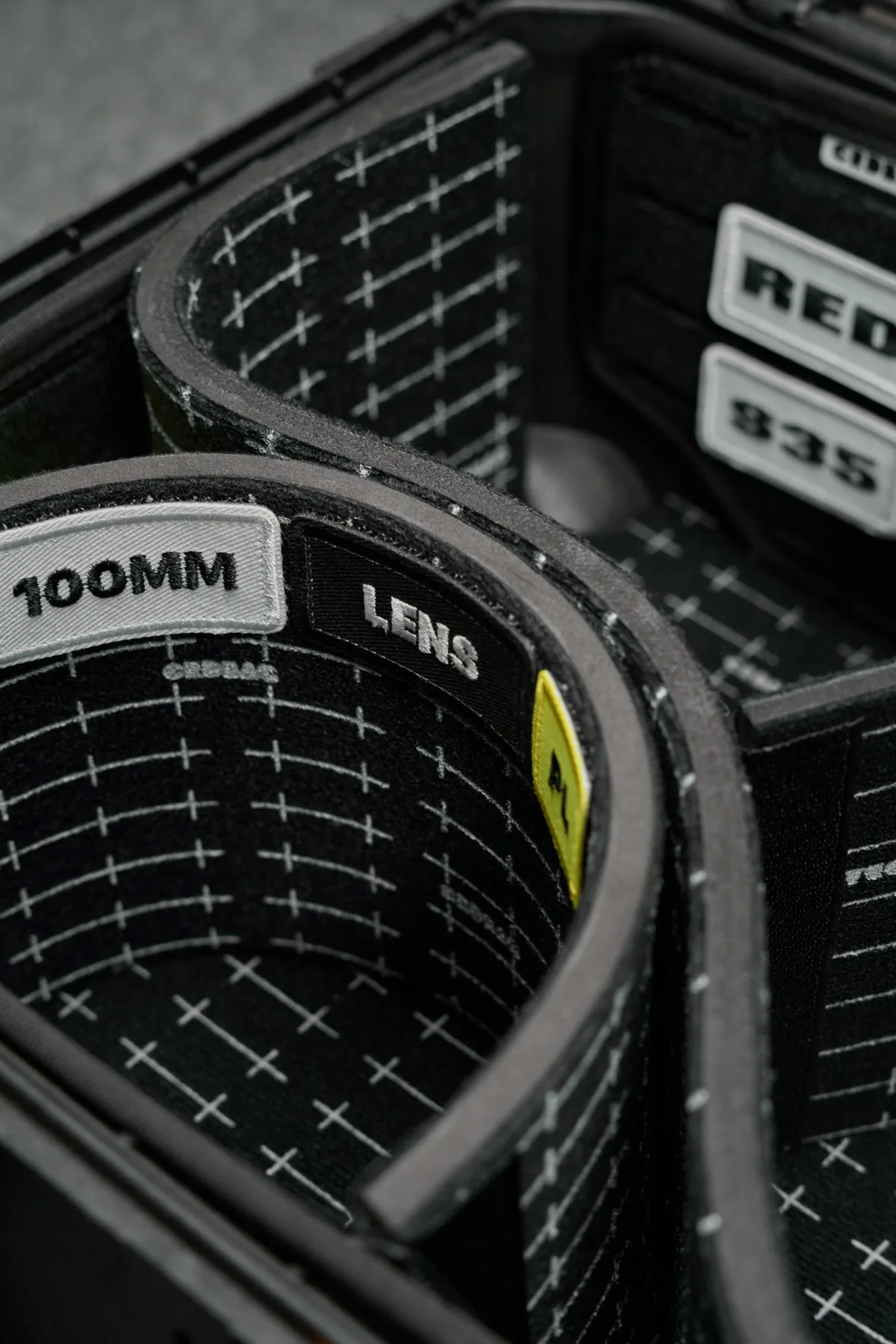
Used equipment guide
Check the actual body, record real files and separate cosmetic wear from functional faults. A low shutter count cannot replace a working-camera inspection.
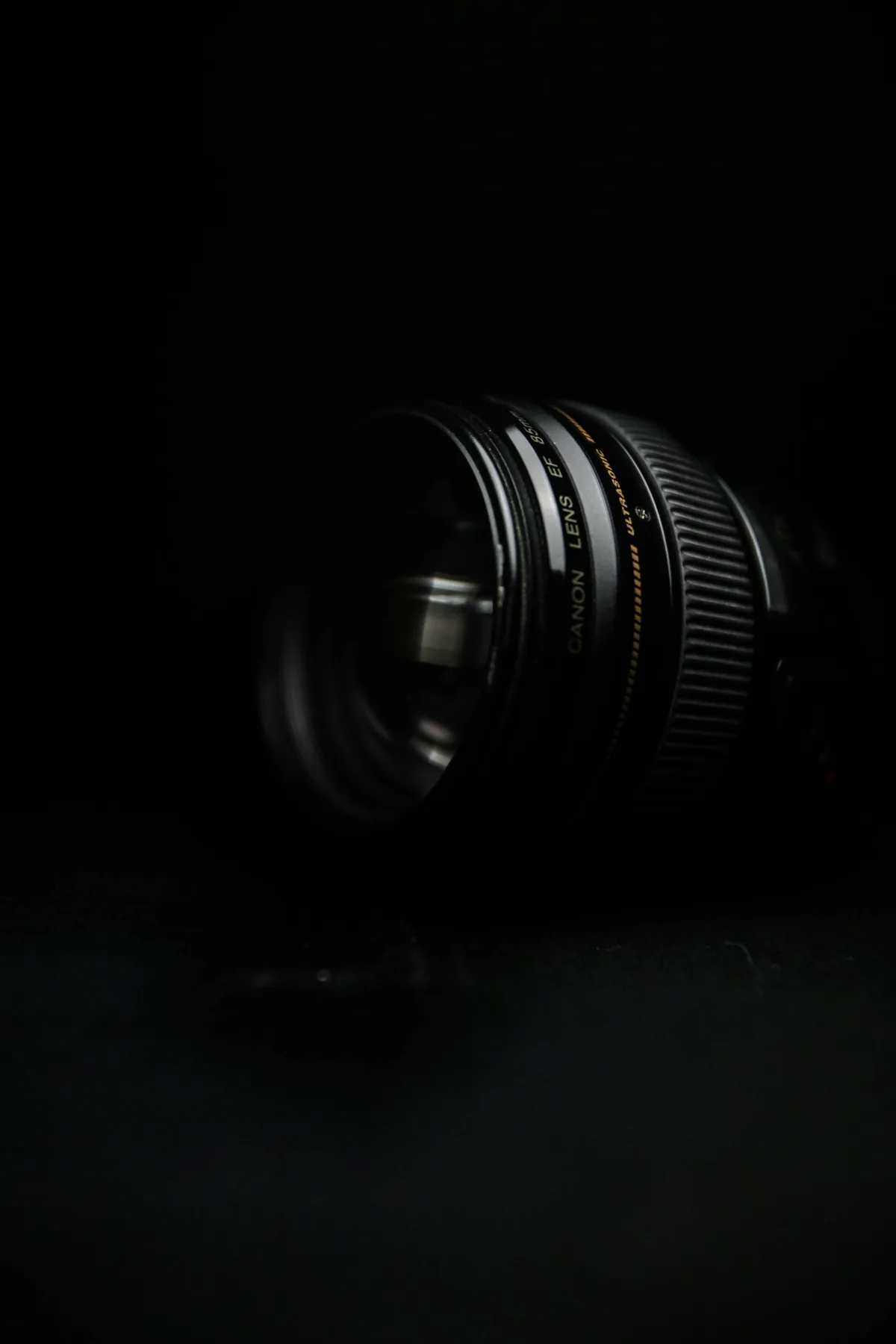
Lens inspection
Separate an optical concern from dust, missed focus or a tilted test setup. These non-invasive checks help you decide what to test again—and when to stop.
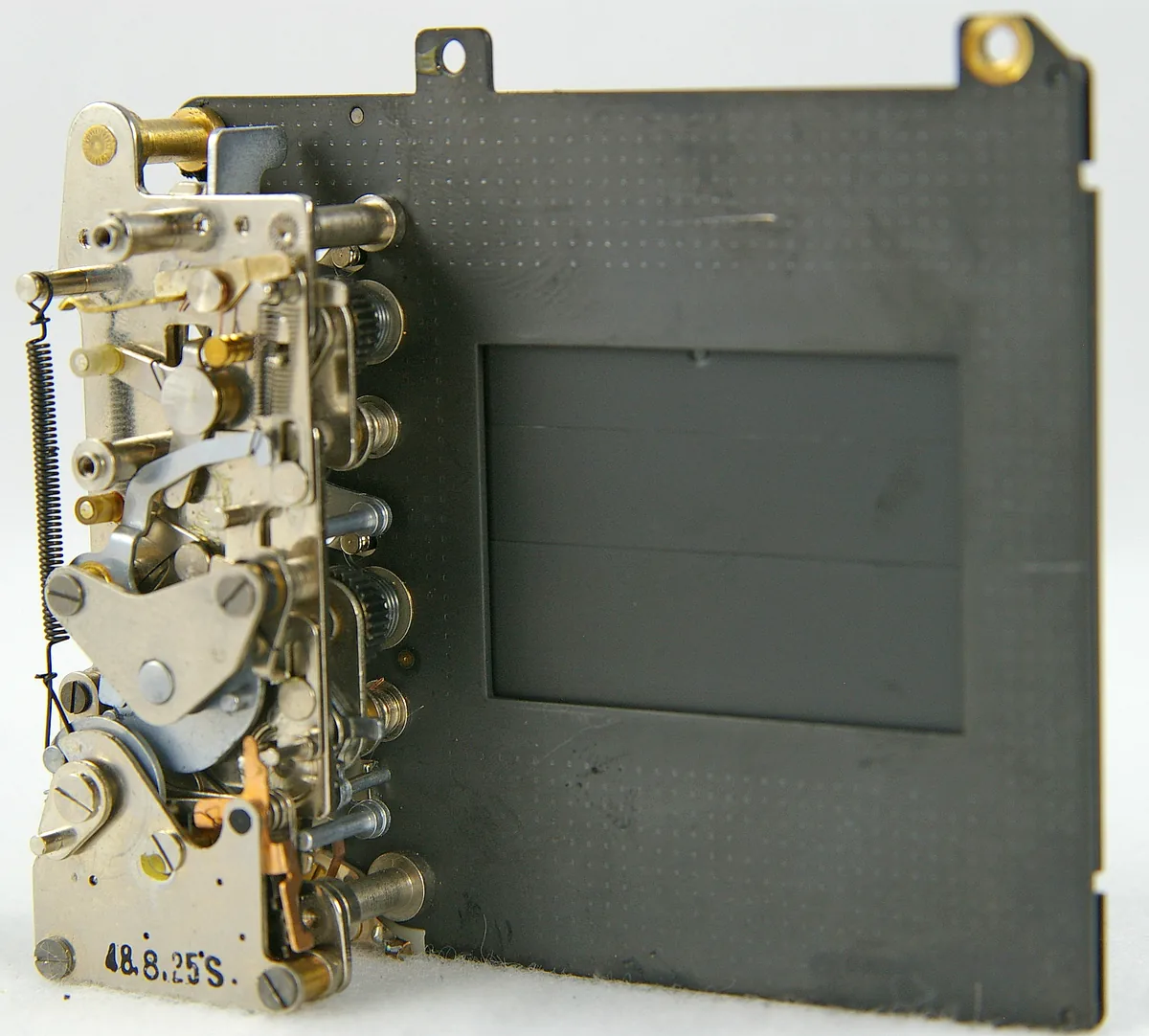
Shutter technique
Silent capture, a fast exposure and a distortion-free frame are different things. Use a controlled comparison to choose a shutter mode for the light and movement in front of you.
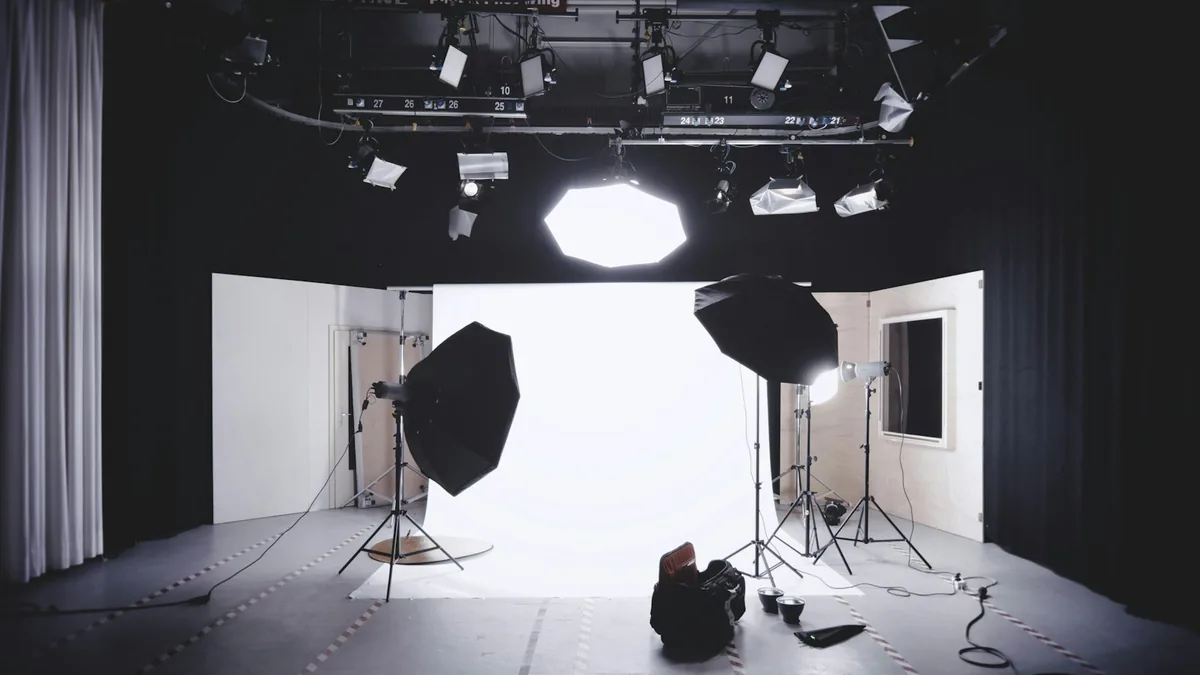
Lighting workflow
A camera’s maximum shutter speed is not a flash compatibility promise. Separate normal sync, high-speed sync and global-shutter timing before troubleshooting an uneven exposure.
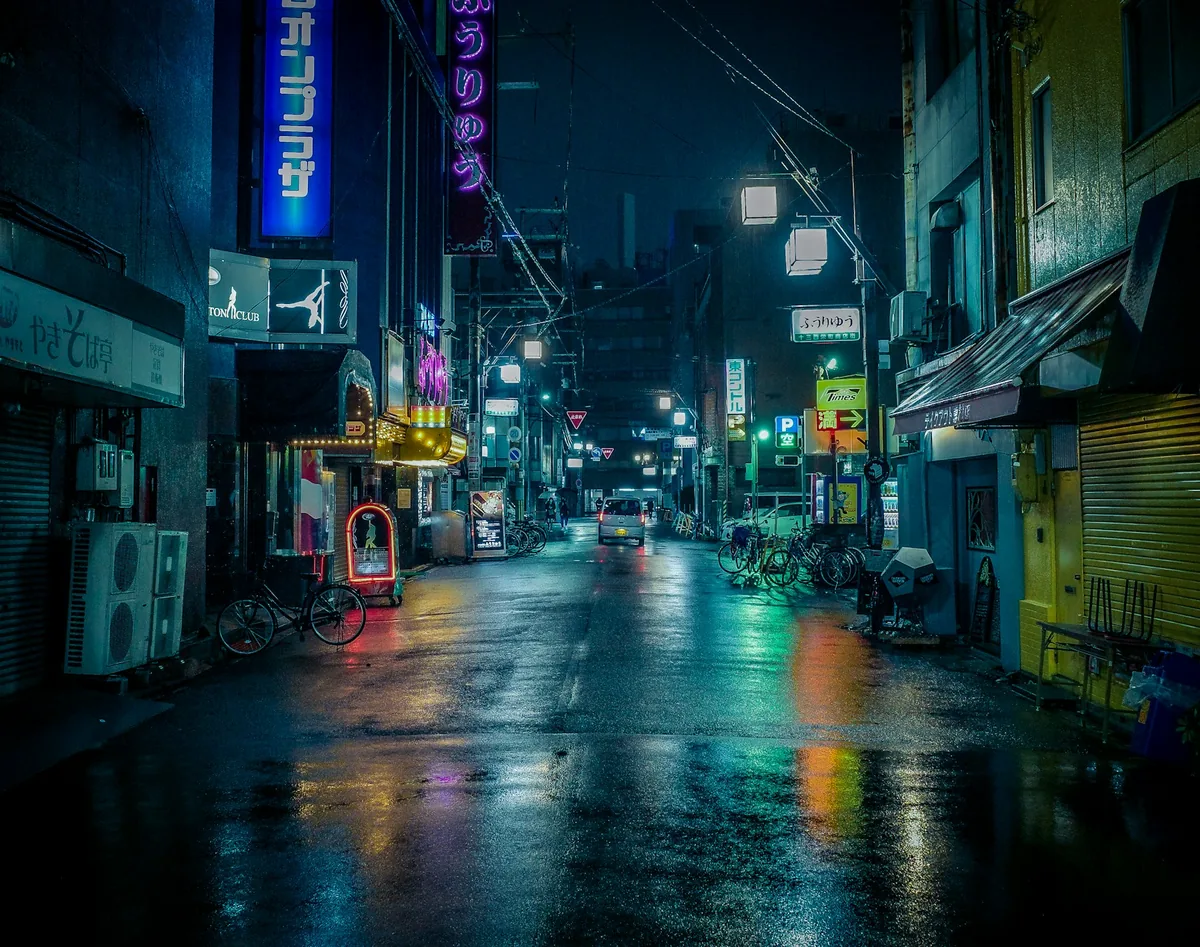
Night photography exercise
Separate highlight color from subject movement with a repeatable night-street exercise, then choose the exposure that serves the photograph.
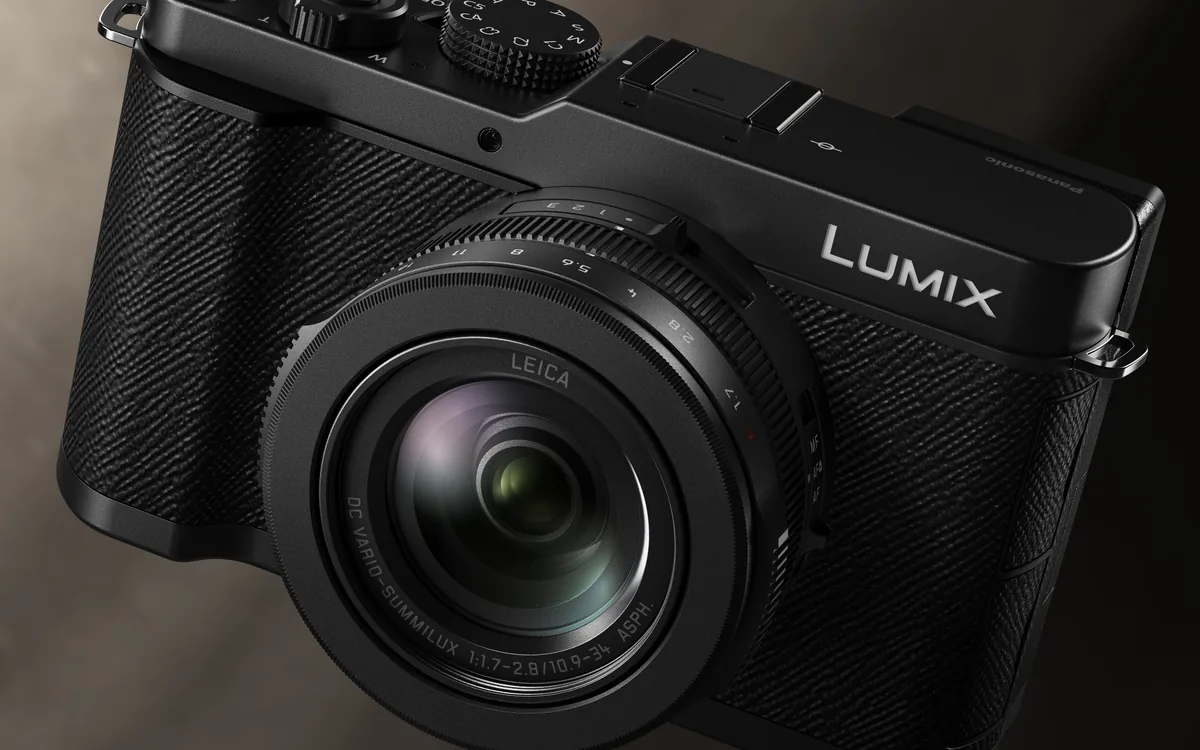
Practical buying advice
A short handling test reveals awkward dials, display compromises and slow setting changes that a compact camera’s specification sheet cannot settle.
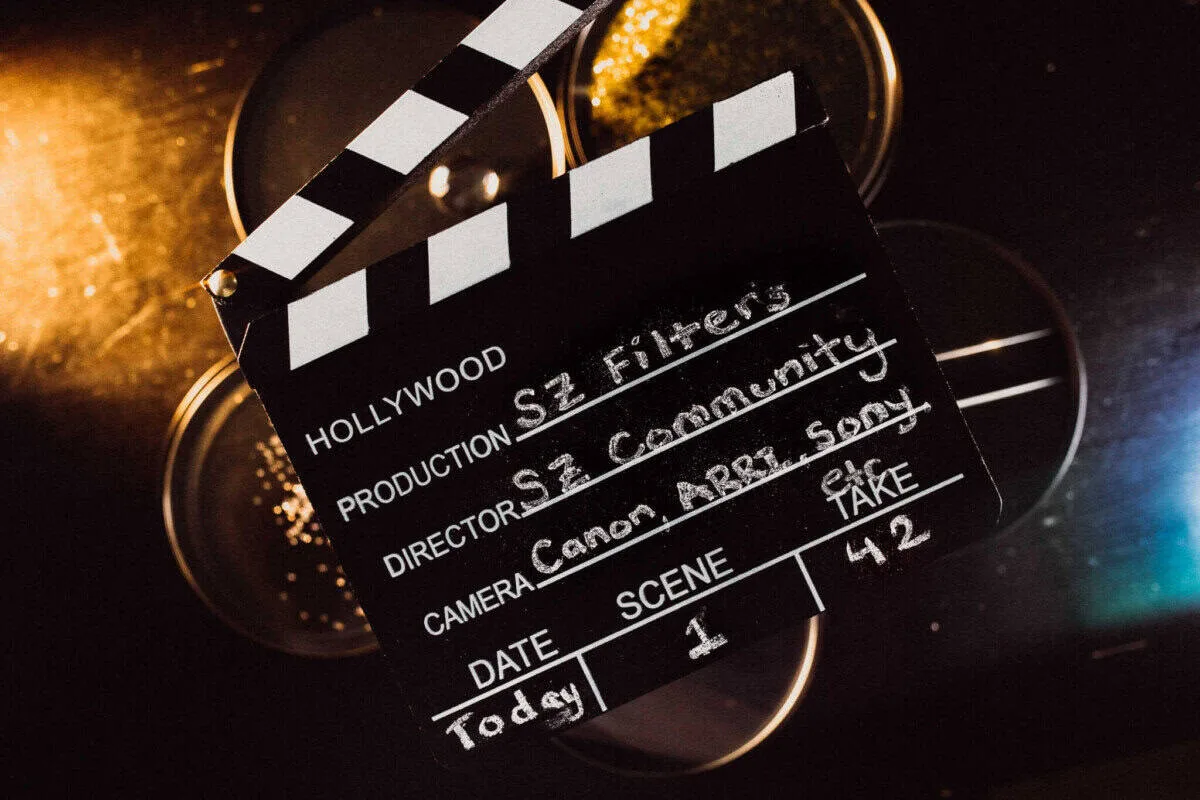
Sponsored guide
Match the lens and filter interfaces, check the full frame and build a clean-reference routine before relying on a faster magnetic swap.
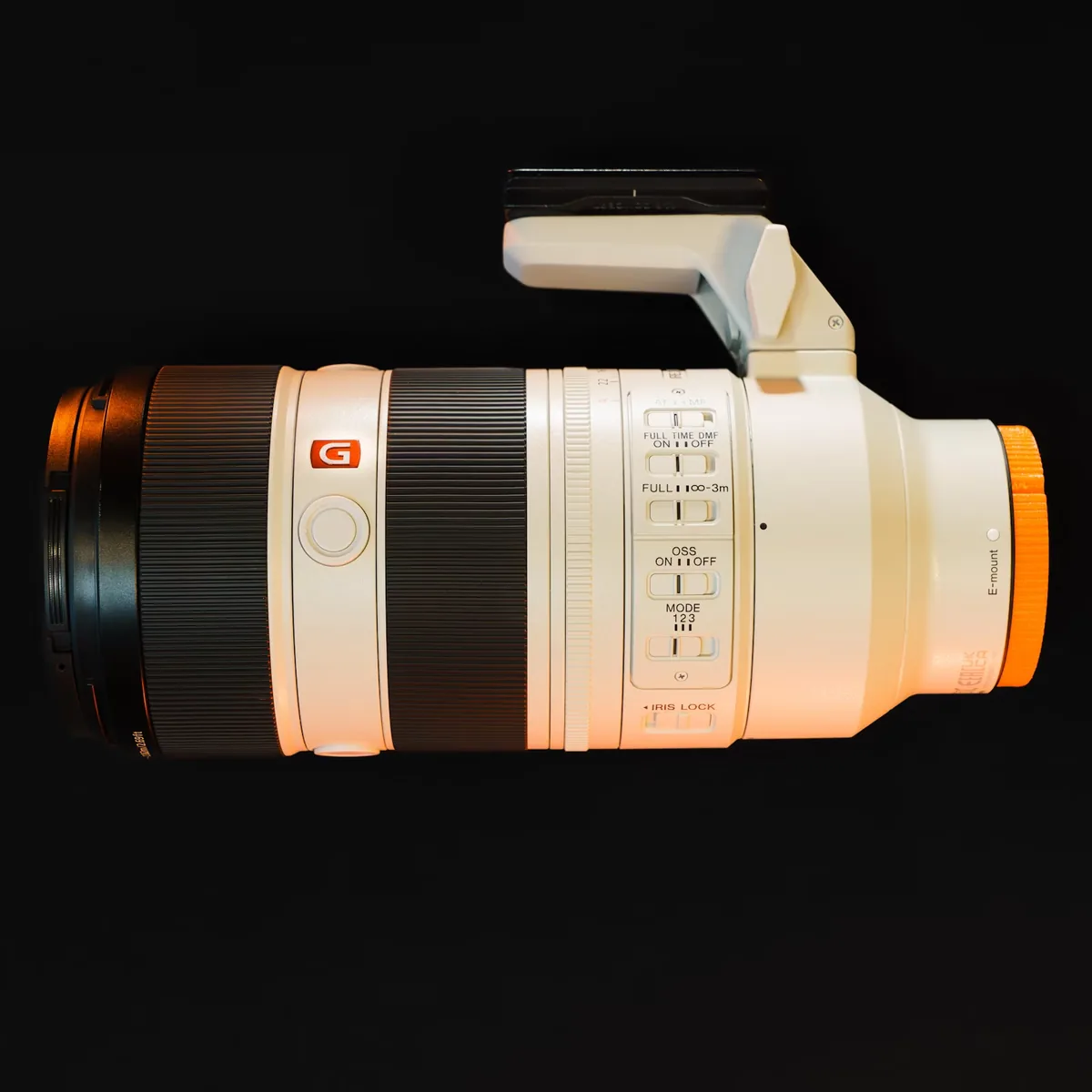
Buying decisions
Set a real deadline, compare the complete kit and put a number on the cost of waiting—without treating a rumored launch as a guaranteed discount.
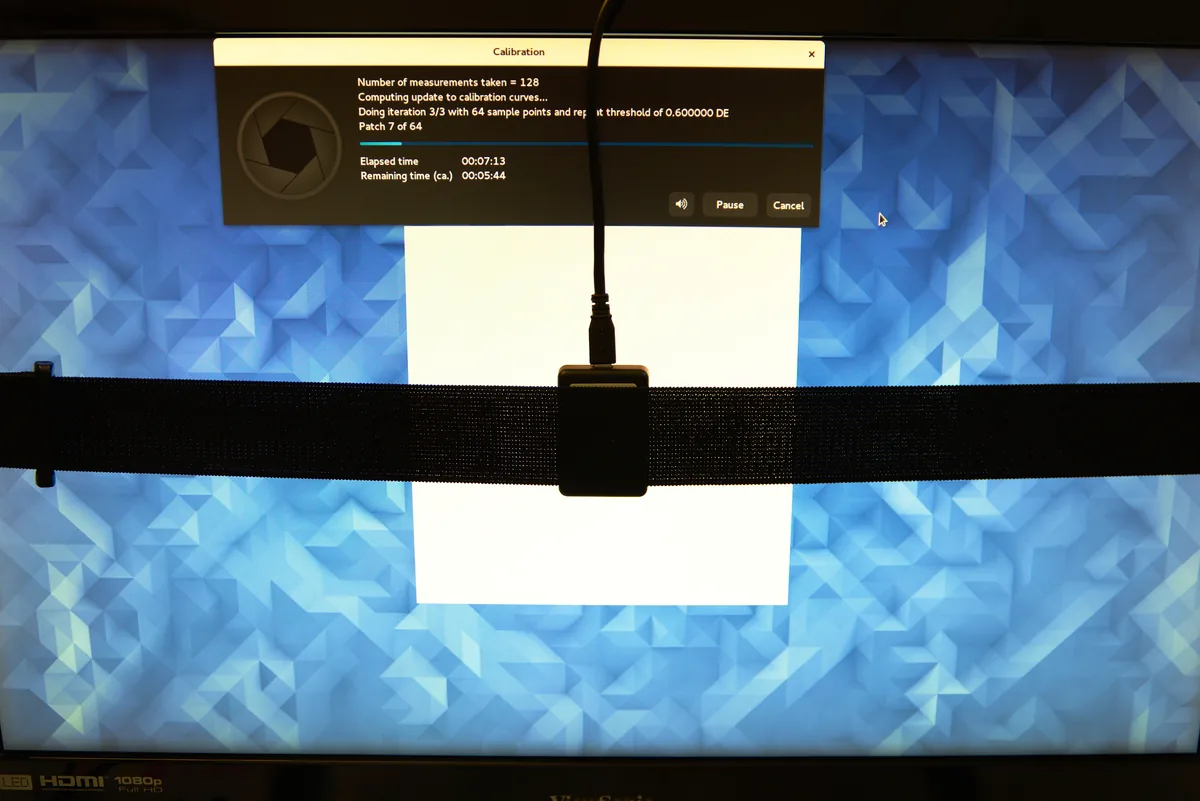
Color workflow guide
Prepare the viewing environment, choose an SDR target, measure with a compatible sensor and validate the profile before changing your photographs.
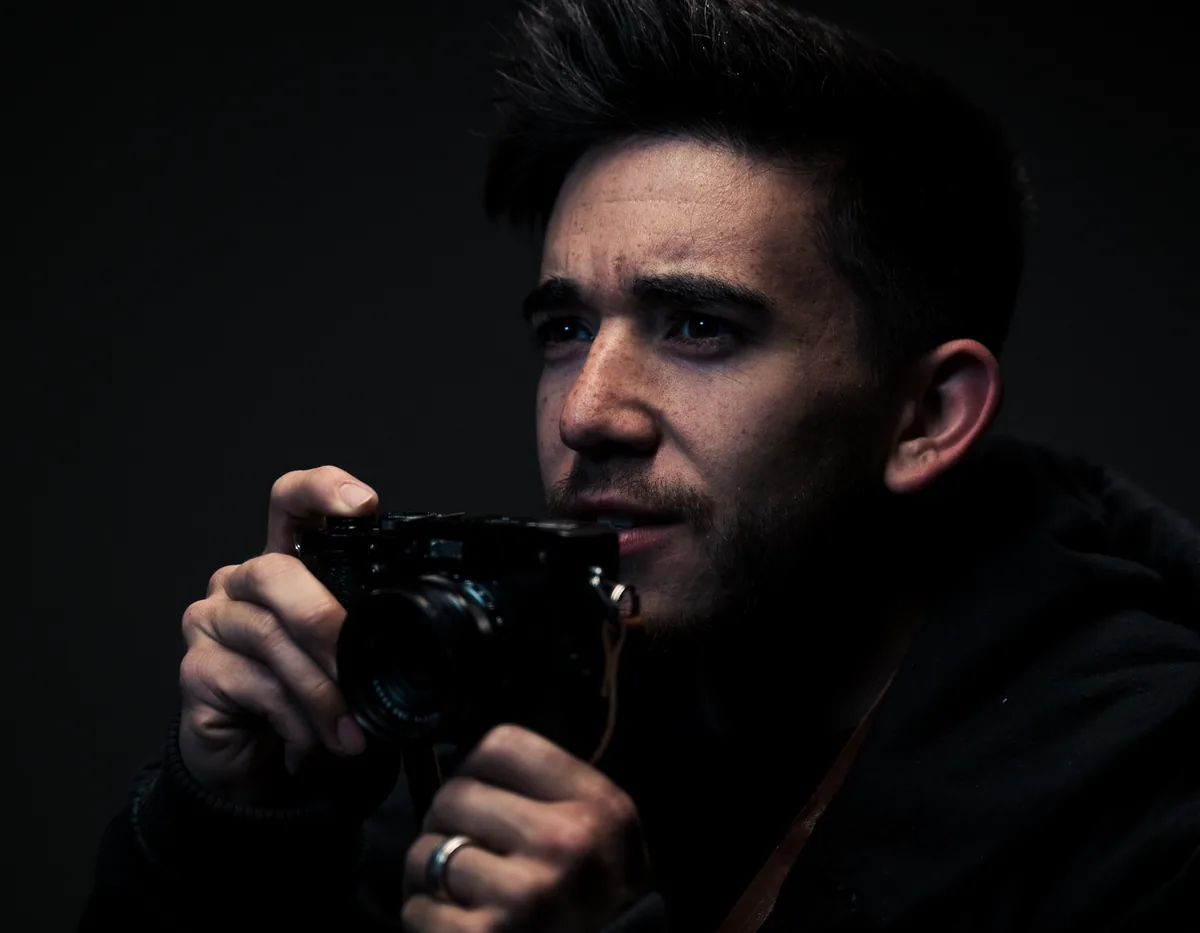
Autofocus reference
Compare documented recognition targets on five Sony, Canon, Nikon, Fujifilm and Panasonic models without turning menu lists into a performance ranking.

Practical video guide
Separate capture rate, playback rate and exposure time. Use a short motion-and-lighting test to choose settings that survive the final edit.
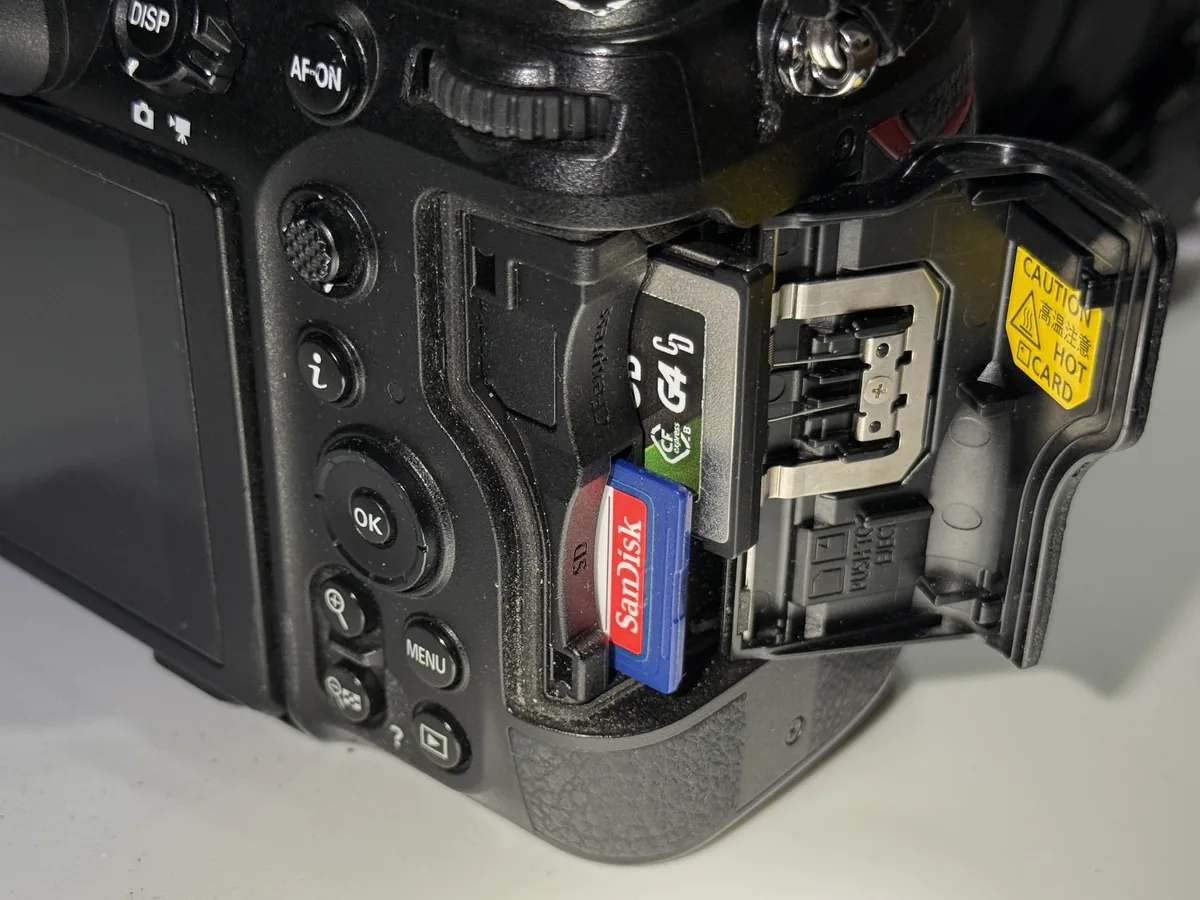
Production planning
An announcement, a shipping window and a tested rental kit are different milestones. Build an evidence-based equipment plan with a usable fallback.
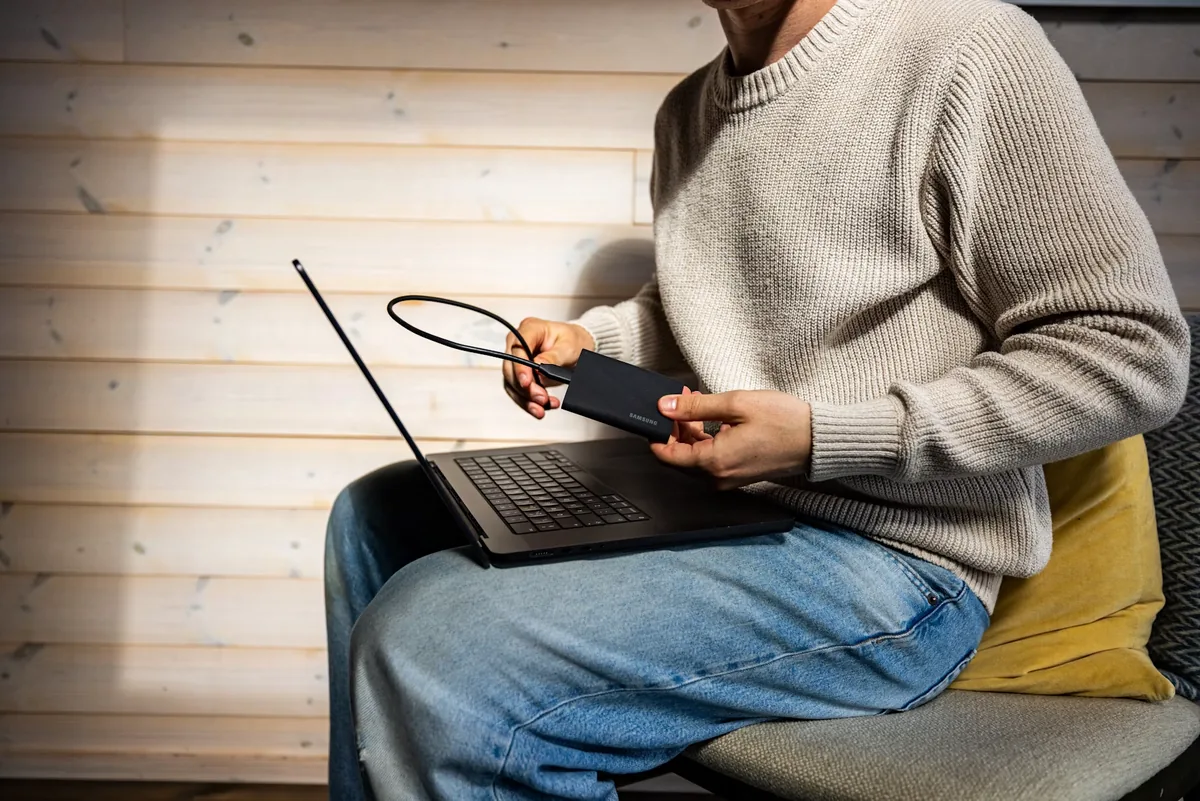
Practical video guide
Choose a recording format by following it from camera to edit and delivery. Calculate storage from bitrate, then test the complete workflow.
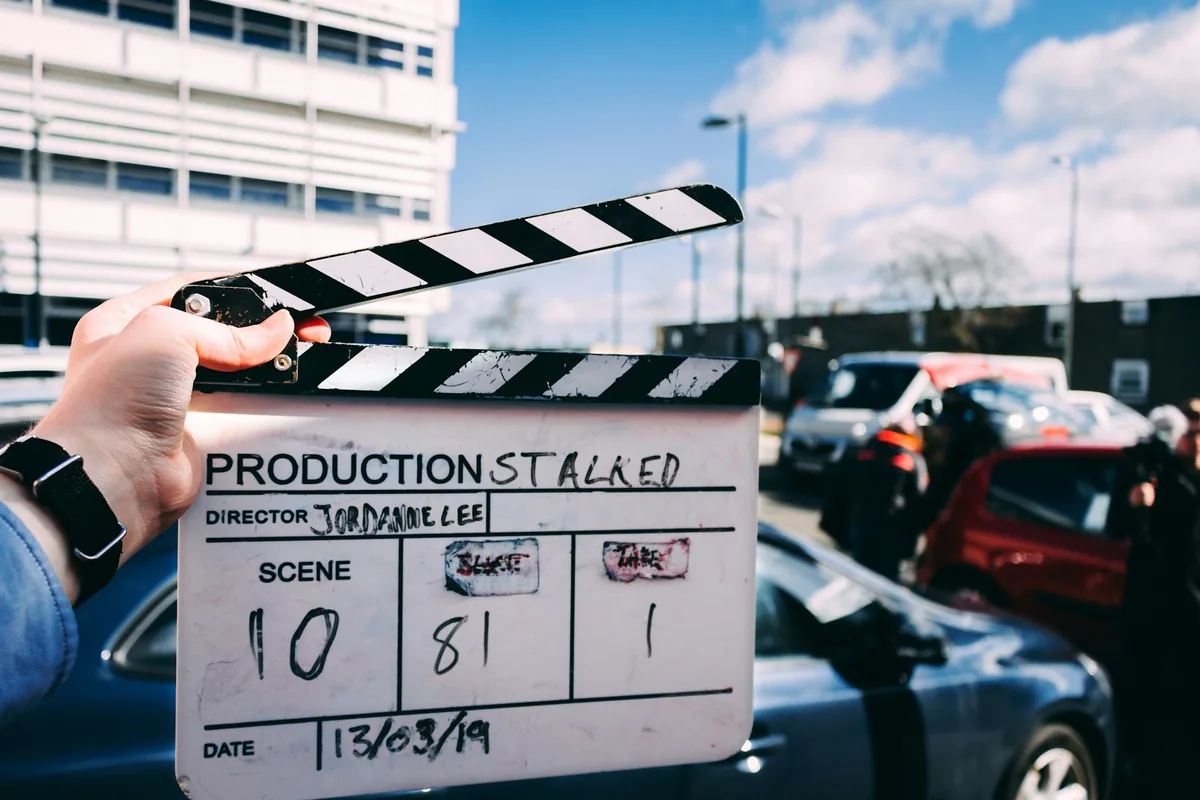
Production technique
Give the editor three ways to align picture and sound: timecode, a usable reference track and a clear slate. Test both ends of a long take.
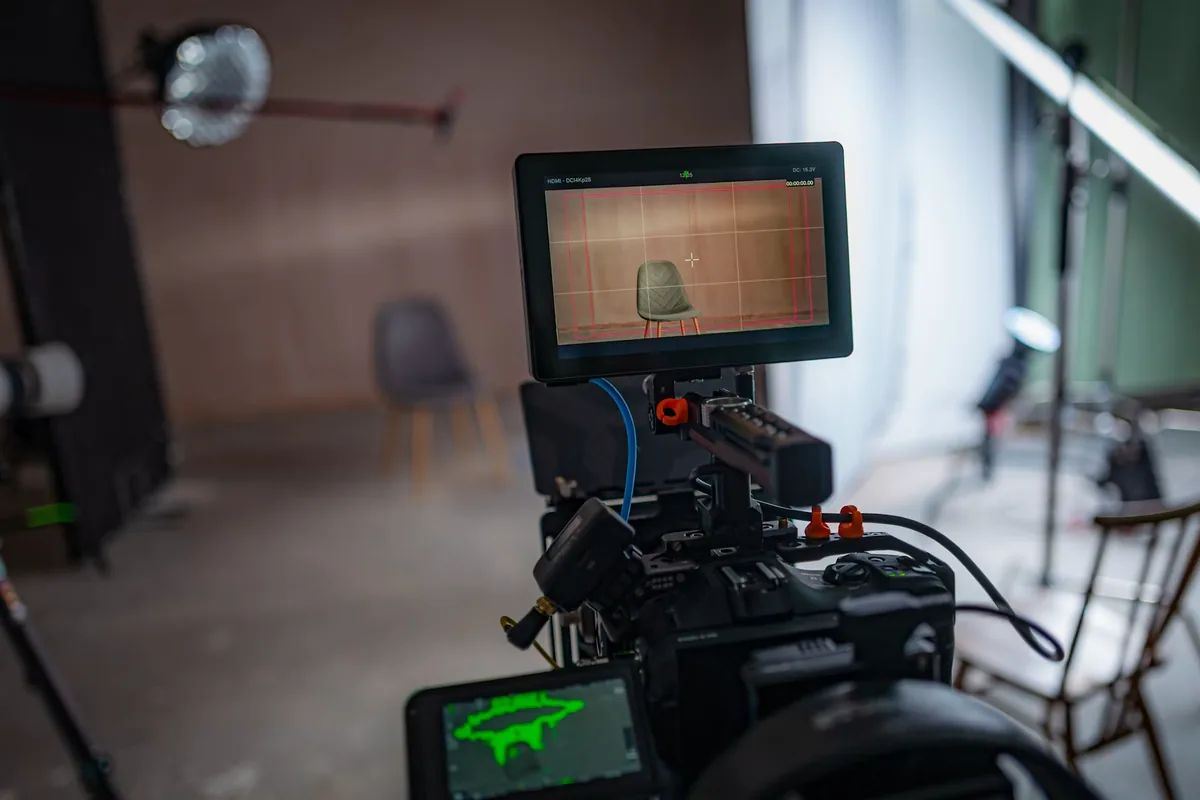
Practical video guide
Build a reference exposure, protect the highlights that matter and check the recorded file before adopting an exposure offset for every shoot.
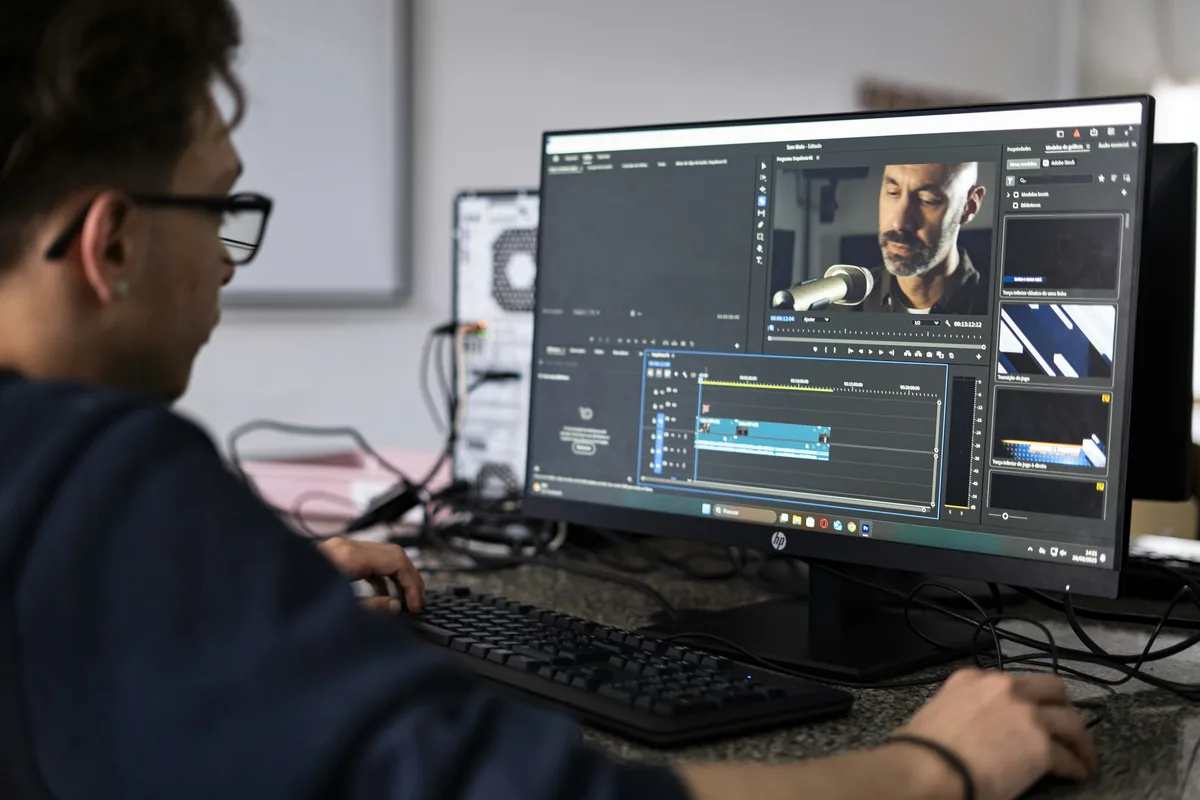
Video monitoring technique
Exposure tools can disagree because they are measuring different signals. Trace the camera-to-monitor path before changing the light or lens.

Portfolio field guide
Choose projects for the reader, explain your role and deliver a compact, reliable portfolio that invites specific feedback instead of a vague verdict.

Editing workflow
Keep document, display and printer profiles separate. A practical workflow for sRGB web delivery, print soft proofs and troubleshooting unexpected color shifts.

Sponsored guide
A repeatable portrait-lighting exercise: establish a clean frame, control the light angle and check the edges before committing to a golden optical effect.
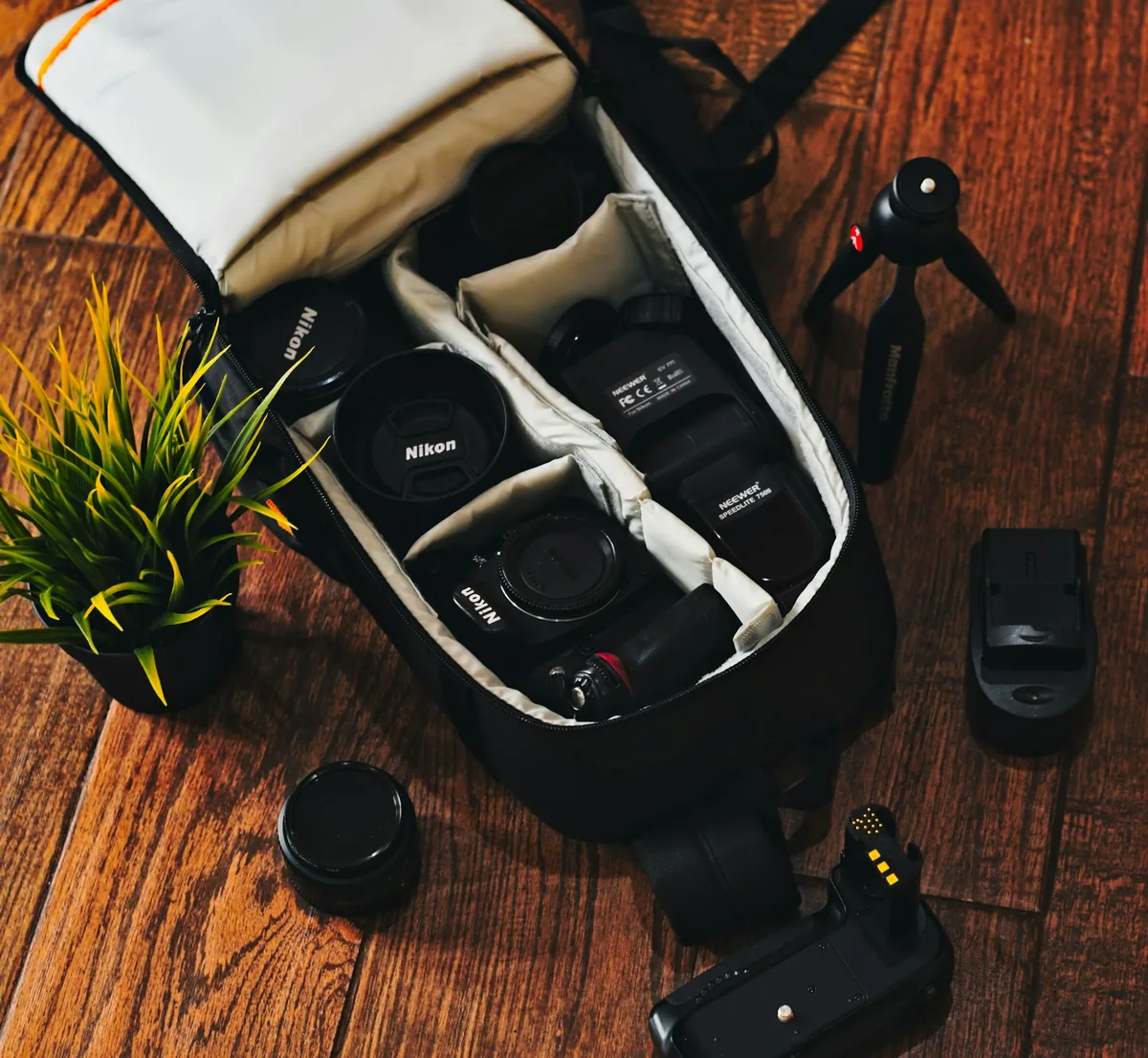
Equipment care
Plan temperature transitions, separate damp bags from dry equipment and know when a hazy lens needs professional inspection rather than improvised cleaning.

Fieldwork guide
Turn a broad subject into a practical coverage plan: context, people, process, details and an ending—without staging a story to fit the checklist.
Editing guide
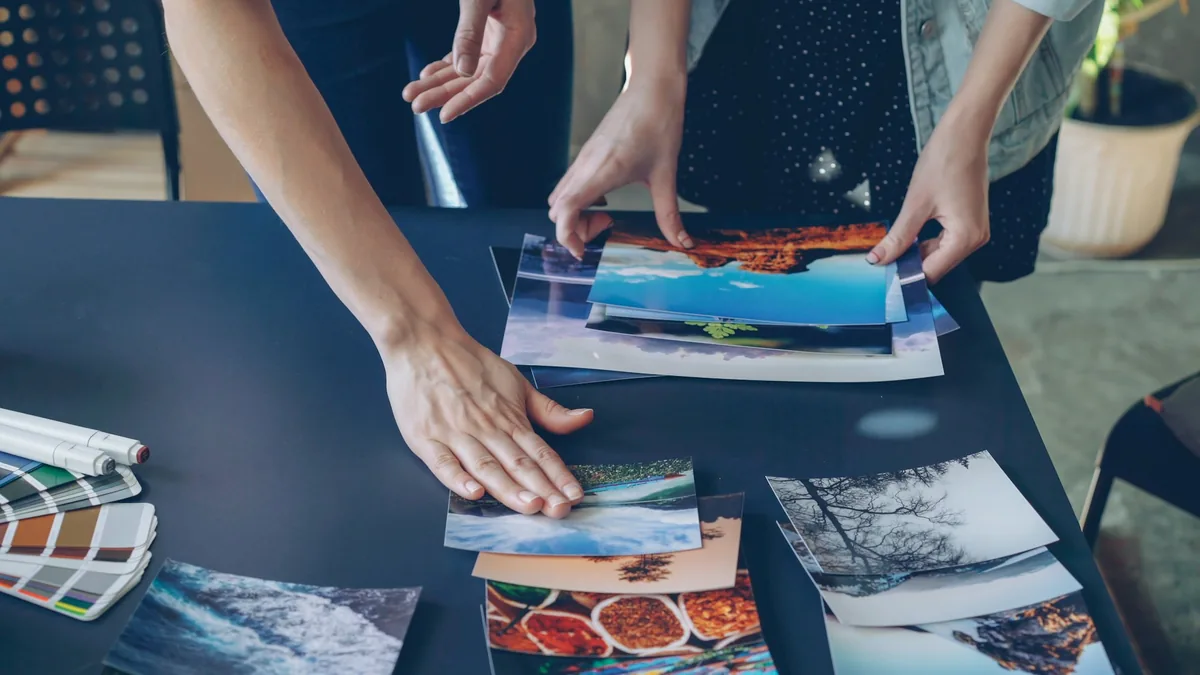
Test what each photograph adds, what adjacent frames imply and what the captions can actually support. A strong edit is more than a row of favorites.

Autofocus guide
Recognition, focus area and continuous autofocus solve different problems. Set them deliberately, then test whether the camera stays with your intended subject.
Working photographer
A signed document is only useful if you can find it and match it to the intended use. Build a clear, private record from the shoot brief to the delivered files.
Backup verification
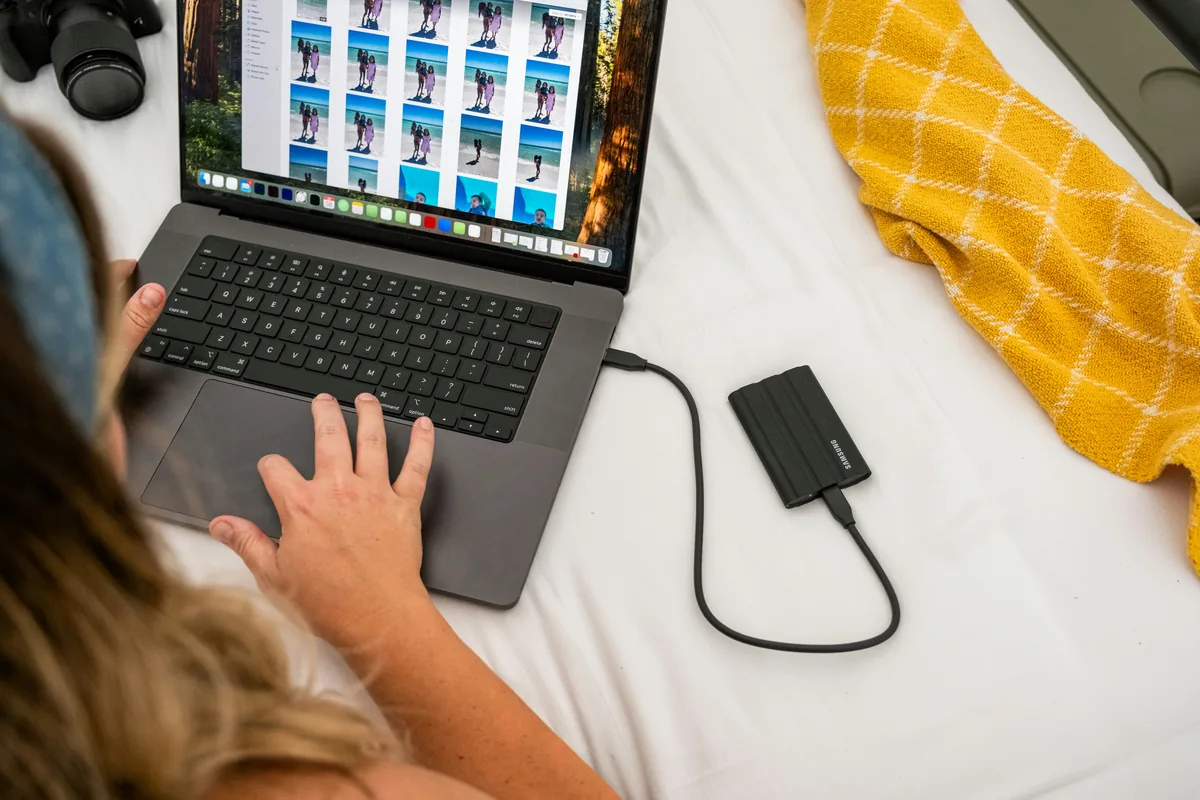
A finished progress bar is not the final check. Compare the files, open a restored copy and make sure your originals—not just previews—are protected.
Video field guide
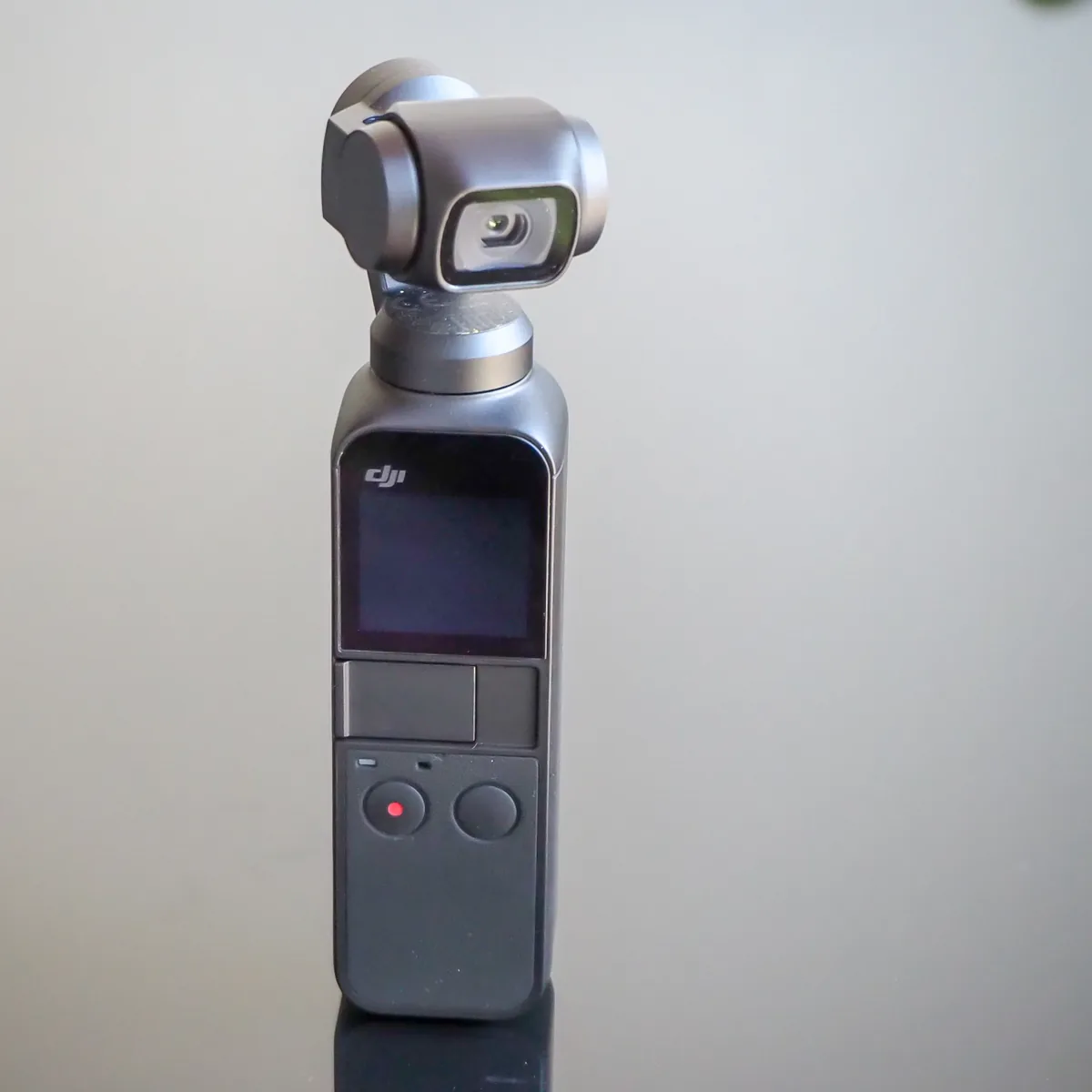
A five-shot rehearsal exposes the real trade-offs: carrying weight, framing, walking movement, sound and the time needed to get a usable take.
Production workflow
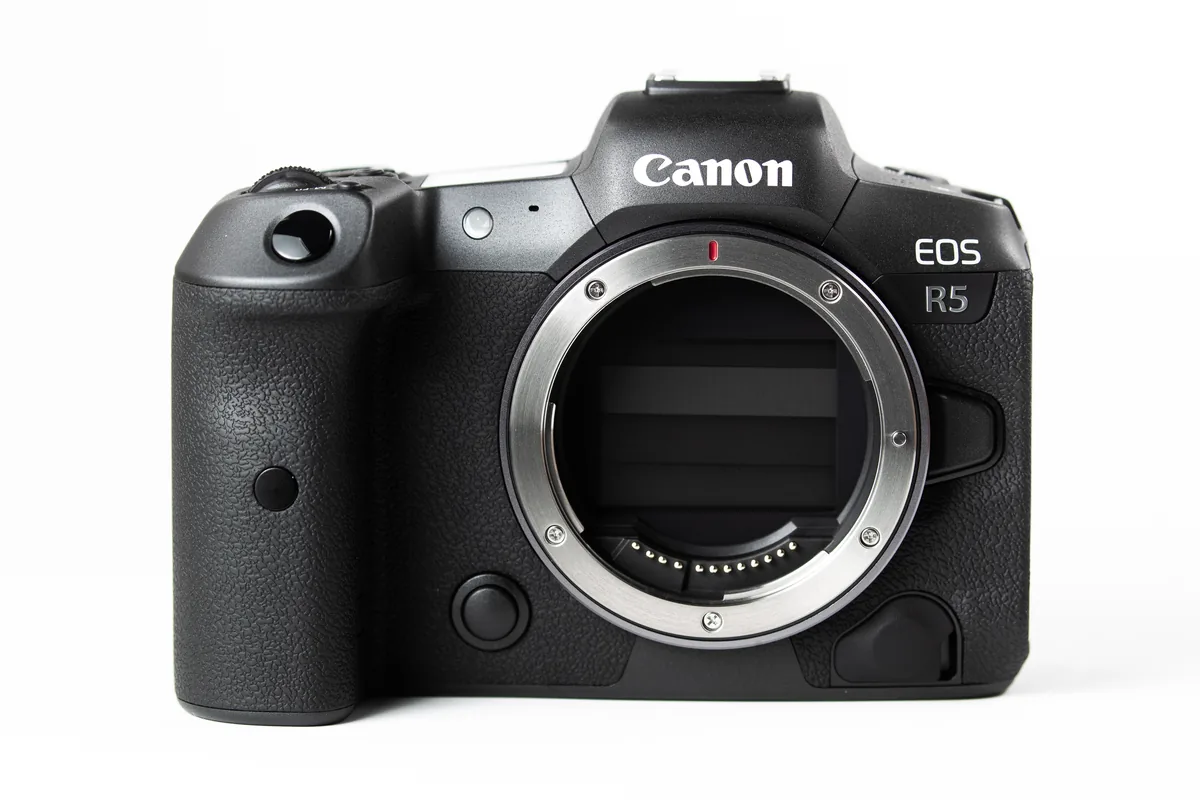
Resolution is only the starting point. Rehearse a real take, calculate capacity from bitrate and test the path from memory card to final export.
Field guide
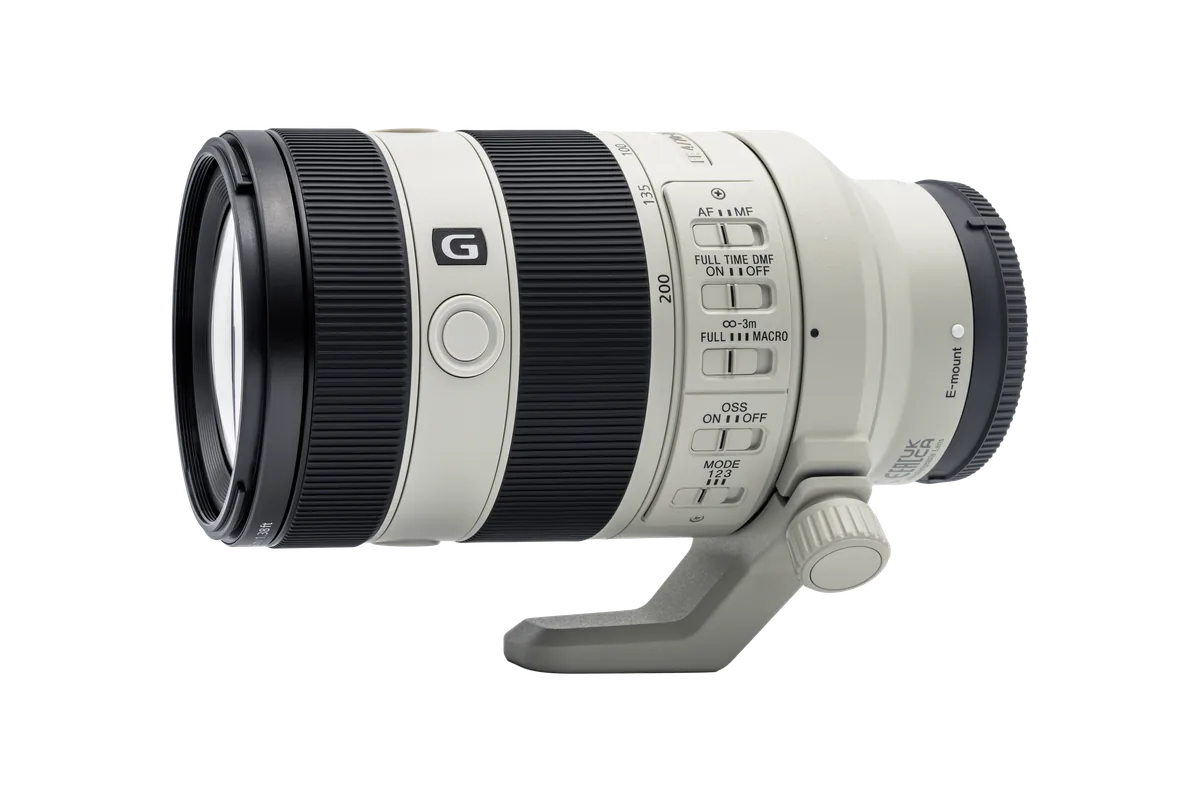
A telephoto zoom does more than bring a subject closer. Use position, working distance and a deliberate shutter speed to make the range useful.
Autofocus technique
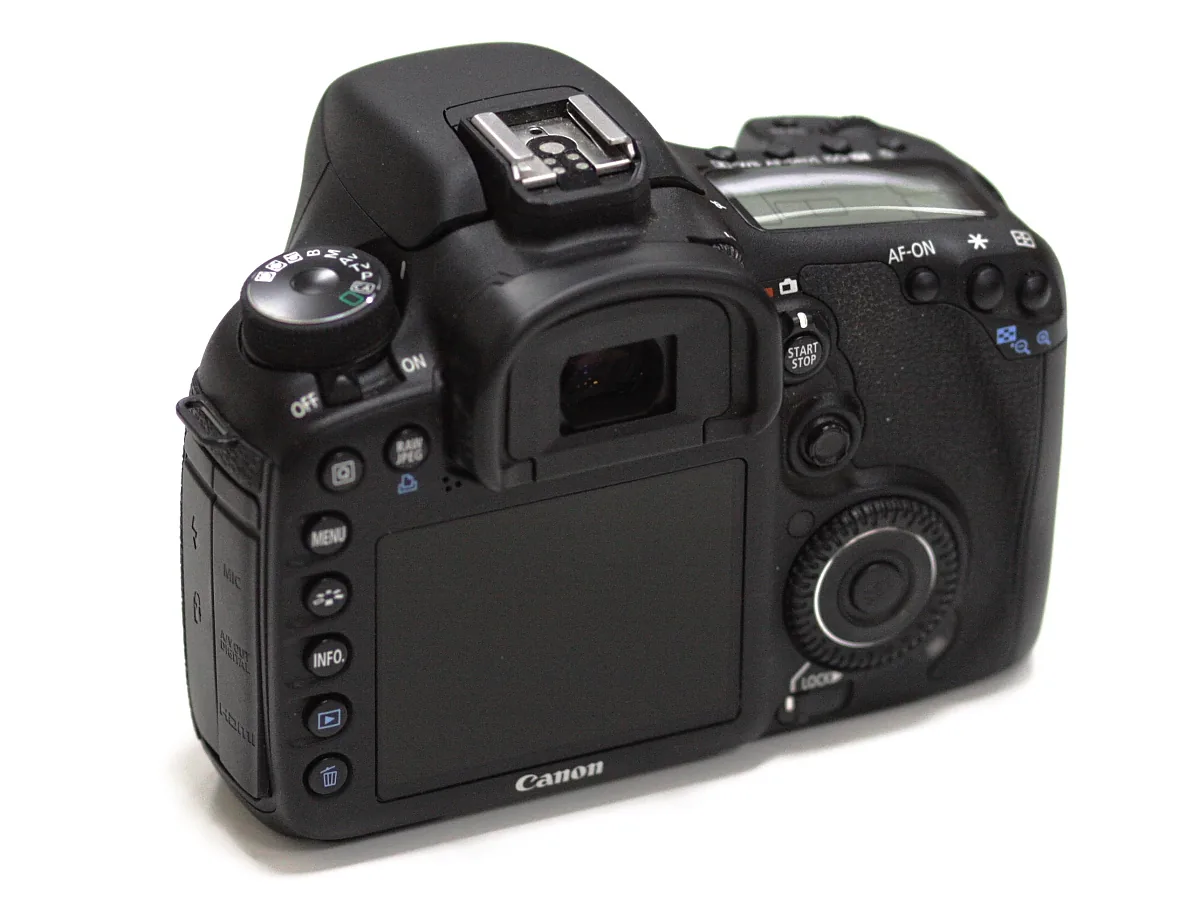
Separating focus from the shutter can make shooting more deliberate. It does not make autofocus more accurate by itself—and it is not compulsory.
Video guide
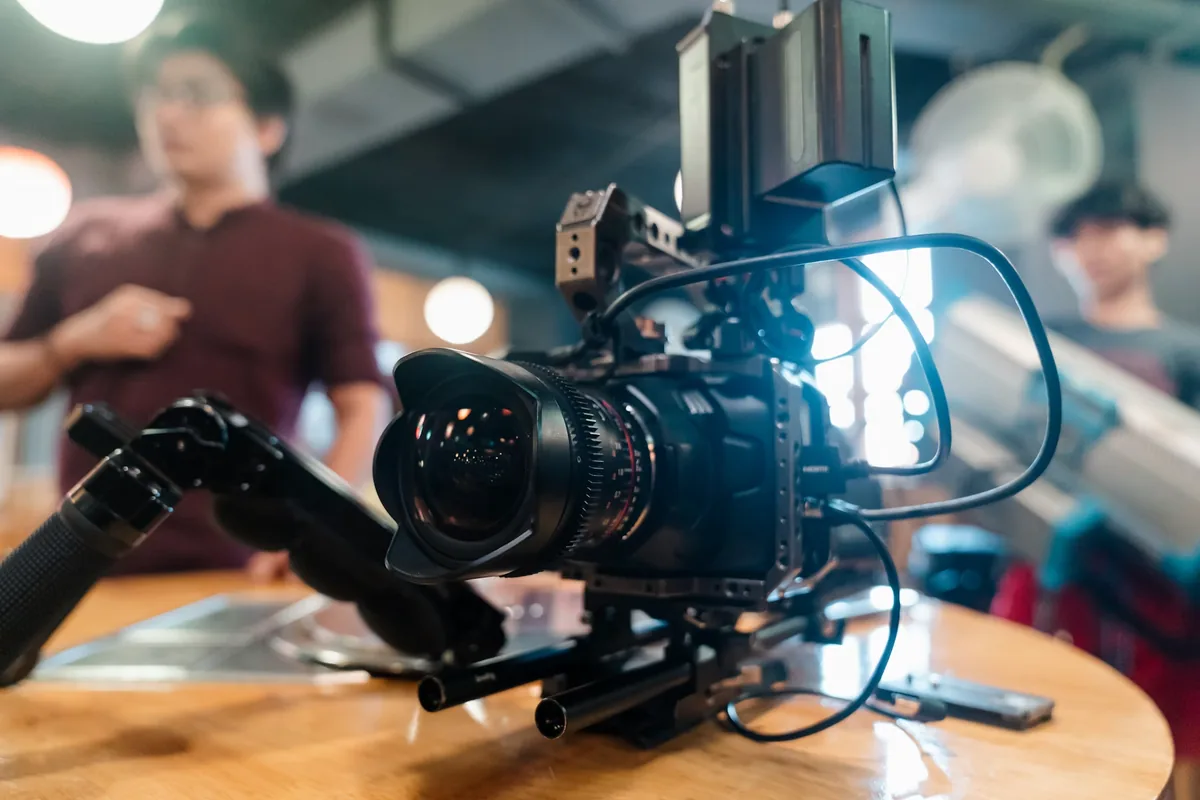
Focus control, aperture markings and rig compatibility matter more than the word cinema. Choose the lens around your crew, movement and delivery.
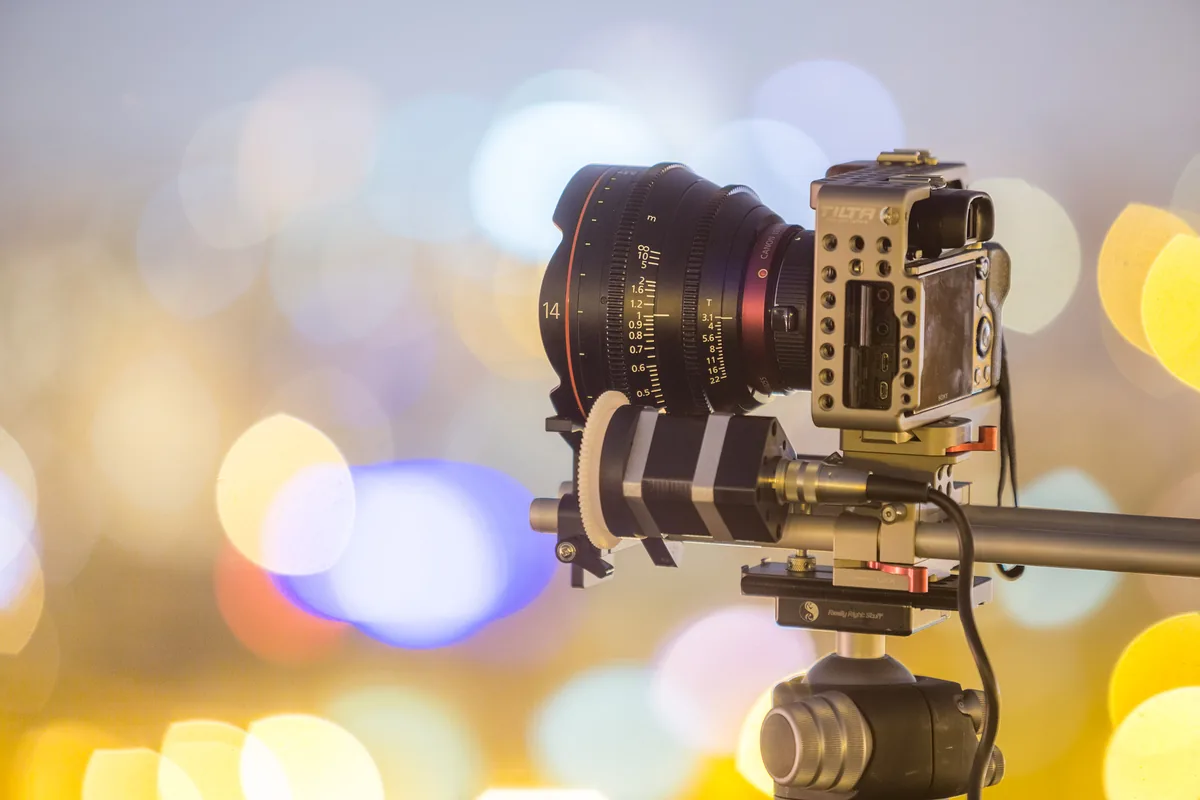
Video technique
When a focus pull seems to zoom the picture, the lens may be breathing. A short tripod test reveals the effect—and whether correction is worth the crop.
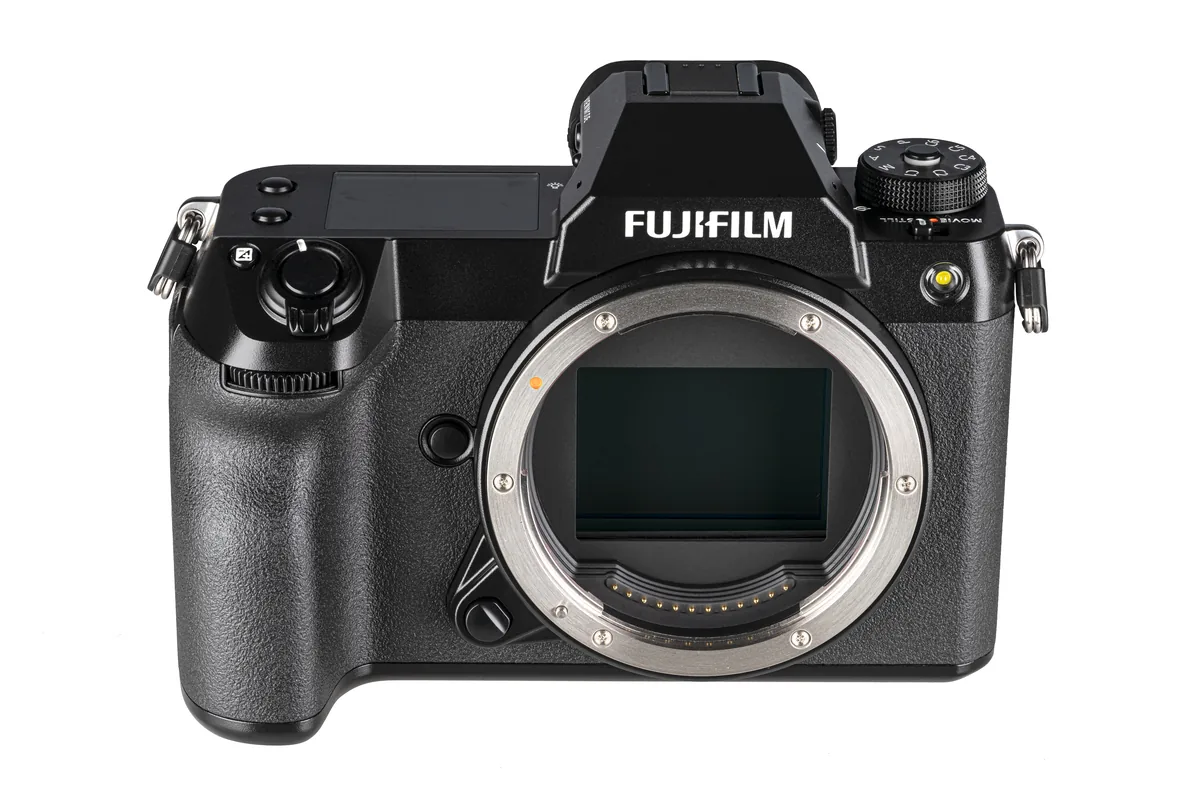
Buying guide
Sensor area can be valuable, but output size, focus, lenses and working speed determine whether a larger format helps your actual assignments.
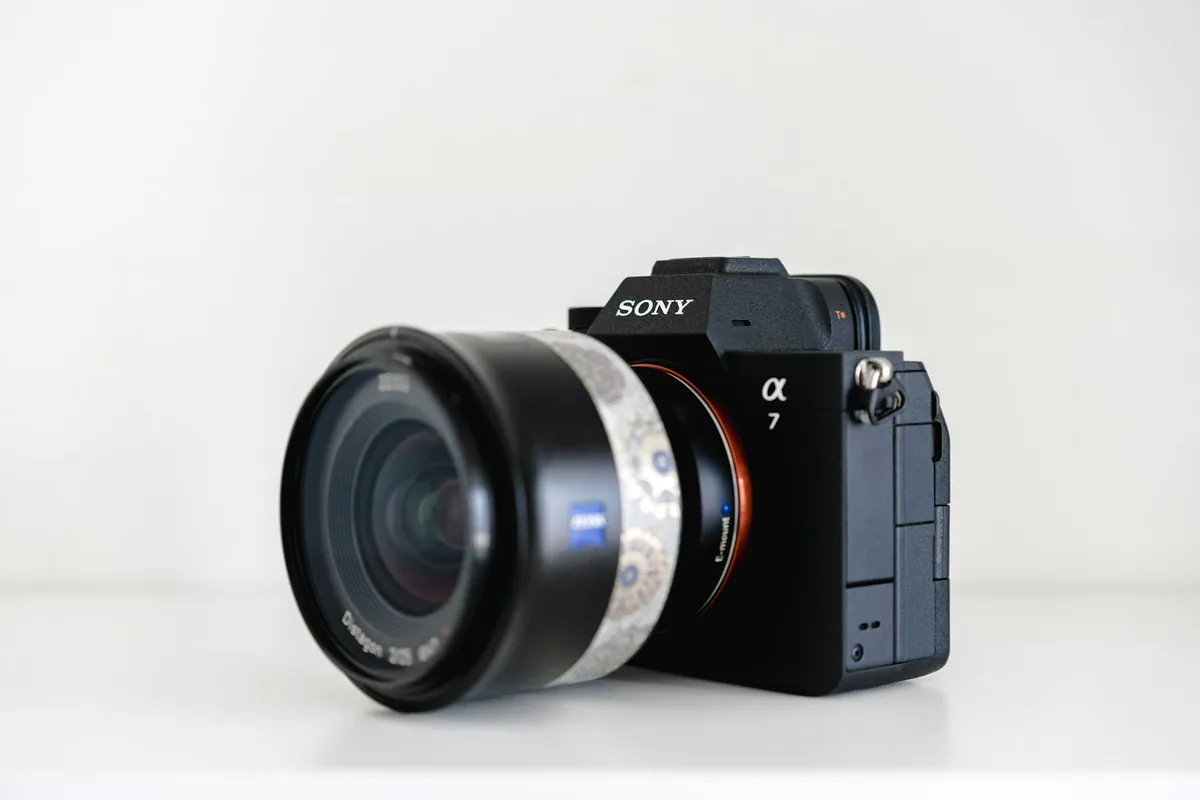
Practical advice
Look beyond cosmetic wear and a shutter-count number. Test real files, both card slots, controls, connections and the return terms before committing.
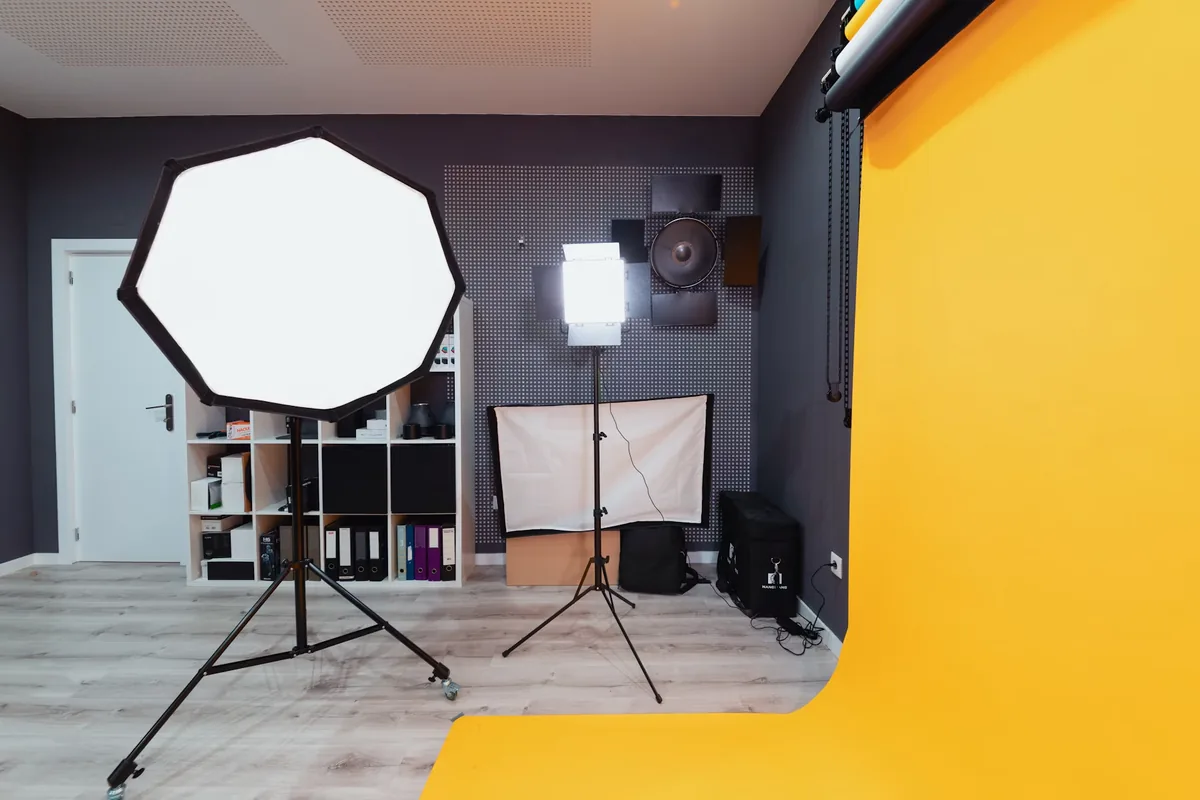
Video fieldcraft
Start with a short recording test, match exposure timing to the light and know when changing the lighting matters more than following the 180-degree shutter rule.
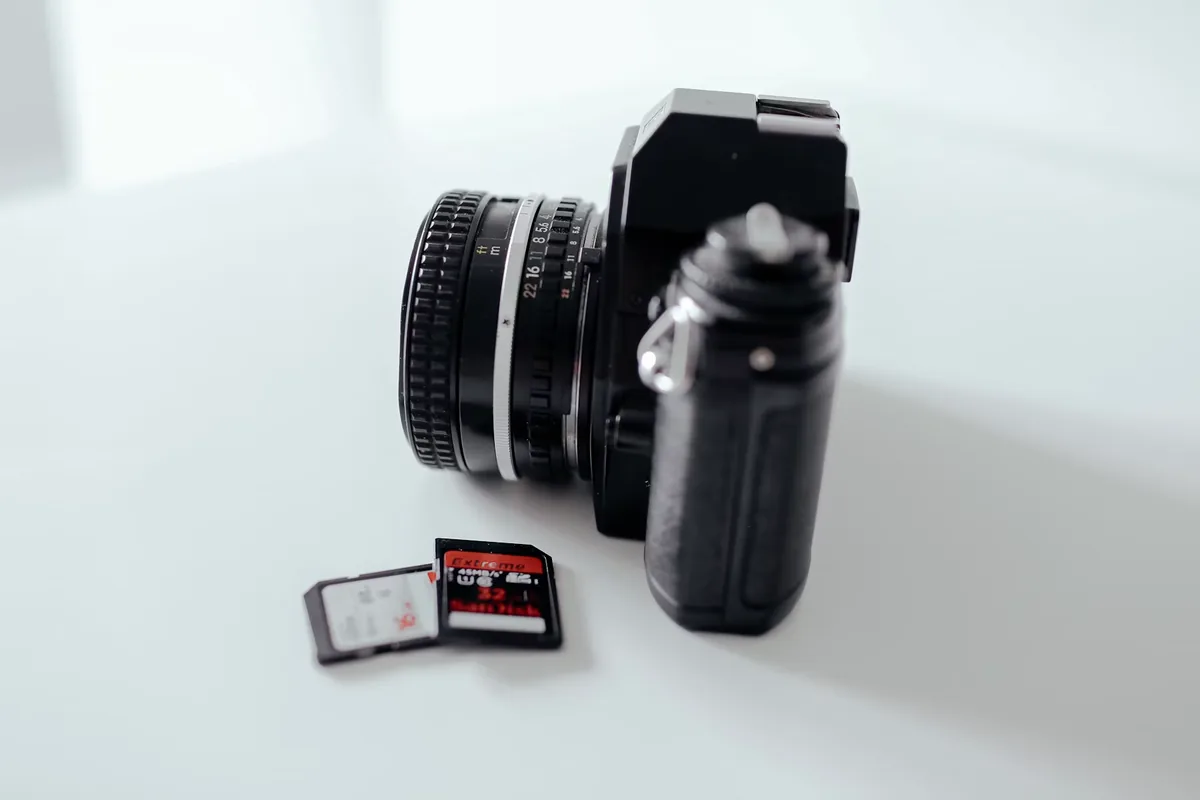
Workflow guide
A practical field routine for preserving original files, checking copies and keeping one accident from taking every photograph with it.
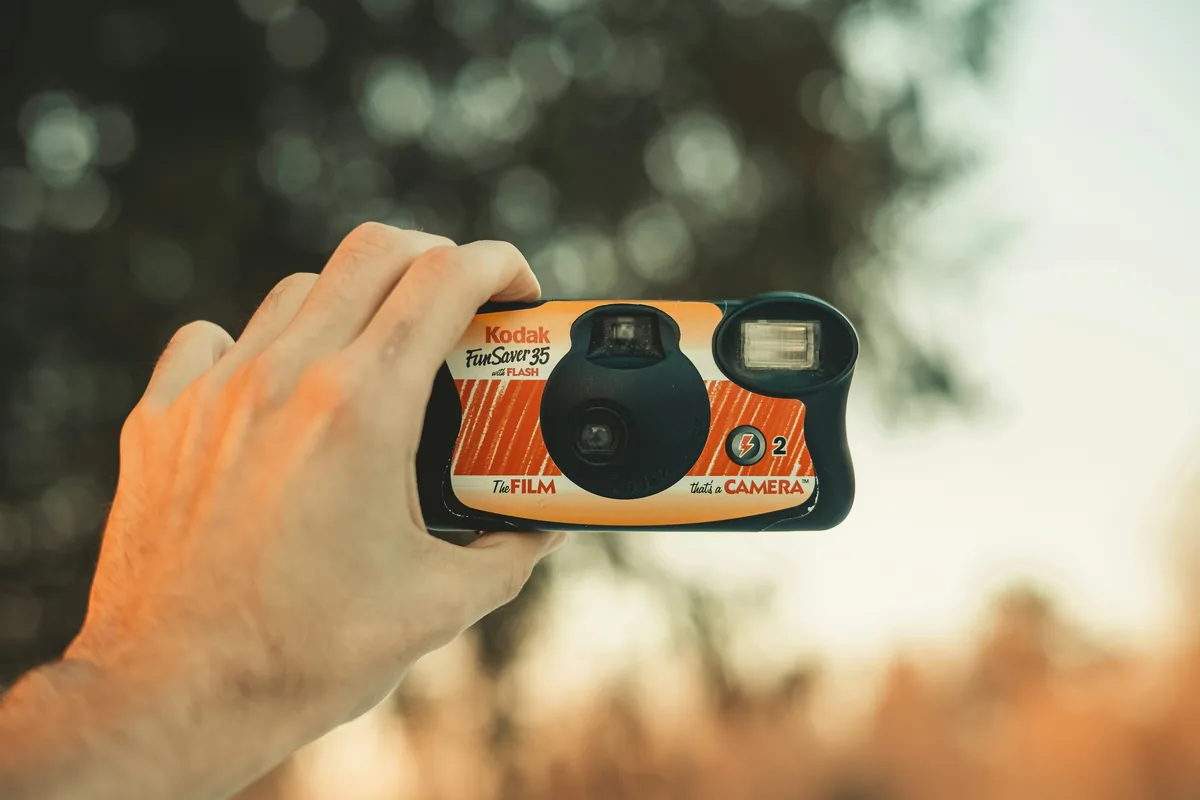
Film field guide
A single-use camera offers almost no settings, but light direction, distance, timing and the scan still determine whether its 27 frames become photographs worth keeping.
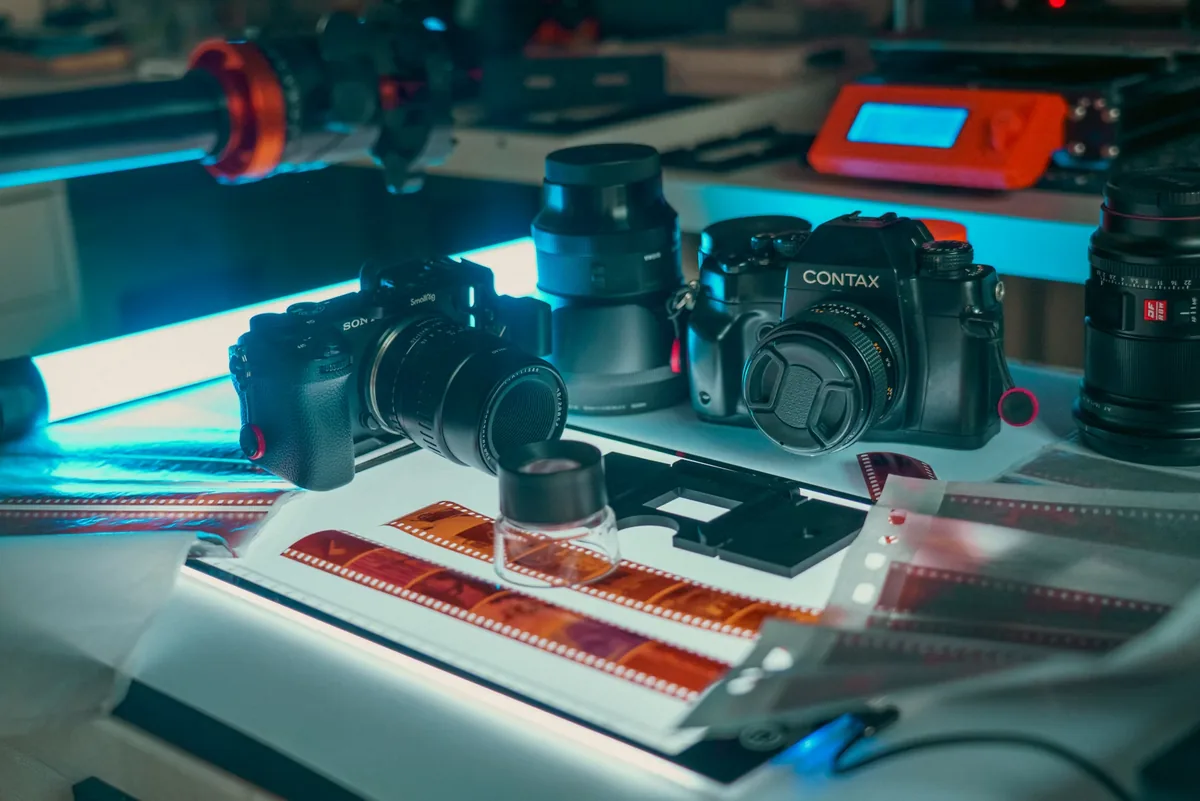
Darkroom to digital
Good scanning begins with clean, flat negatives and a controlled capture; resolution, inversion and restrained sharpening should preserve the film rather than redesign it.
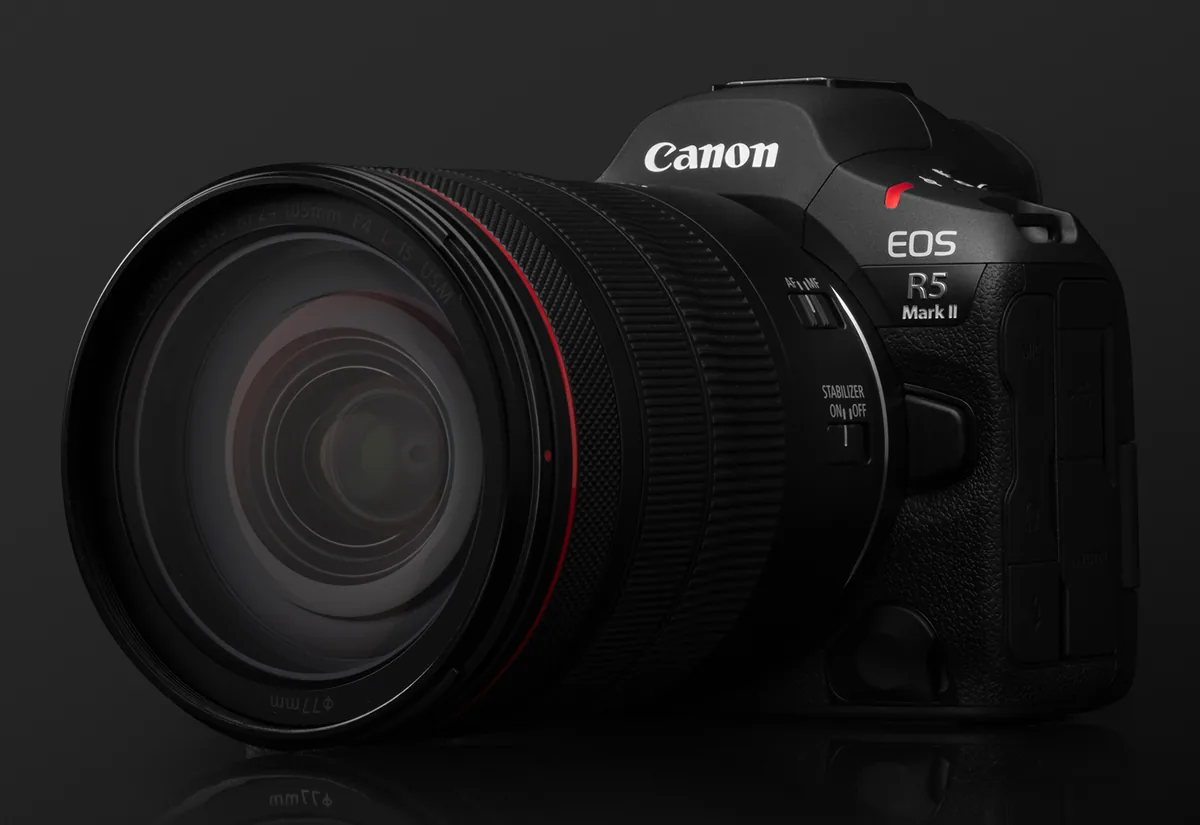
Video field guide
A dependable interview is built before recording: define the axis, match exposure and color, protect the edit and capture sound that can survive a cut.

Action photography
A repeatable action workflow starts with the motion you must freeze, then manages autofocus, exposure and backgrounds as the light moves across the scene.

Field guide
A practical starting system for shutter speed, autofocus, exposure and burst timing—plus the adjustments that matter when the background or flight path changes.
Creative filters
Diffusion, streaks, star effects, neutral density and polarizers can change light at capture—if the effect begins with a visual reason rather than a shopping list.

Long exposure
A dependable long exposure is less about owning a darker filter than controlling time, stability, highlights, weather and the movement that deserves to remain.
Street photography
The decisive frame begins before the shutter—with position, patience, ethical attention and an edit that respects what the photograph can actually claim.
Video field guide
A cinematic image is built from controlled motion, intentional depth, protected highlights, coherent color and sound—not a single frame-rate preset.

Night photography
Low light becomes manageable when the photographer protects highlights, chooses which darkness to keep and gives color a stable reference.
Field guide
The useful answer depends on distance, context and how you move through a scene—not on which focal length wins an abstract specification debate.
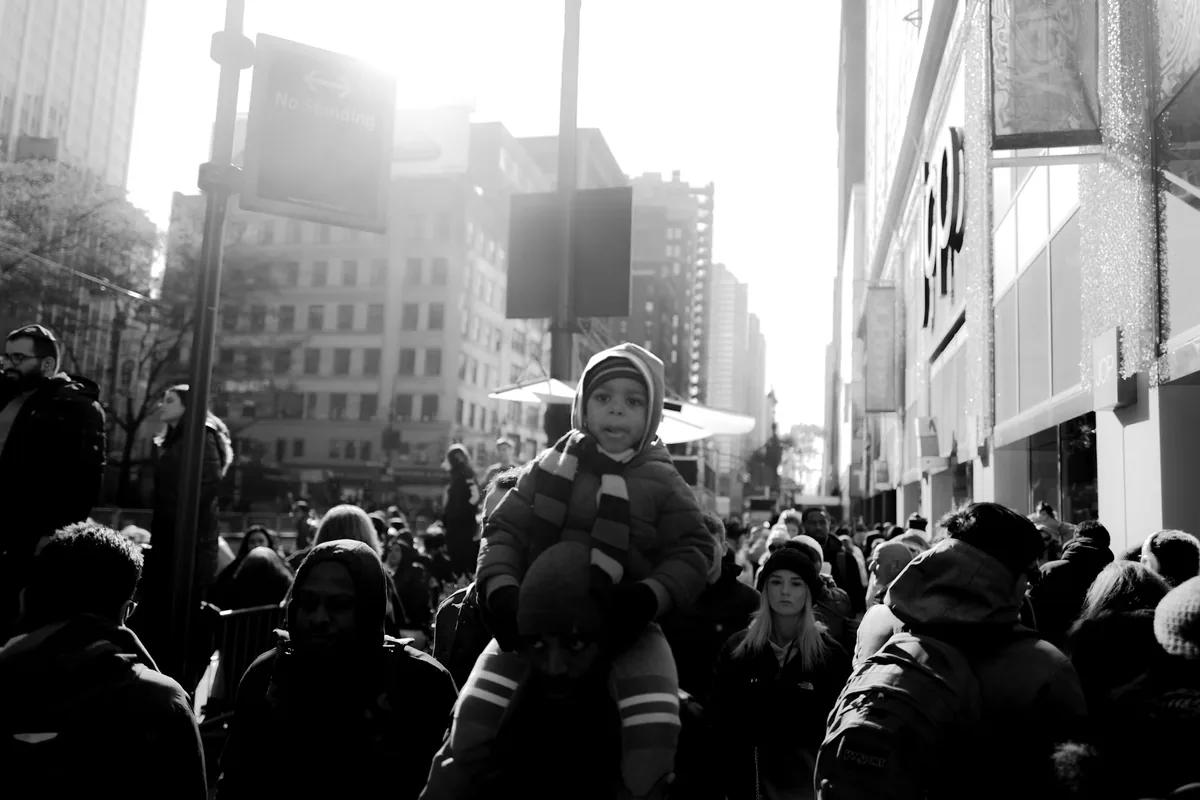
Editing
A strong sequence needs more than a folder of good pictures: it needs a question, rhythm and an ending.
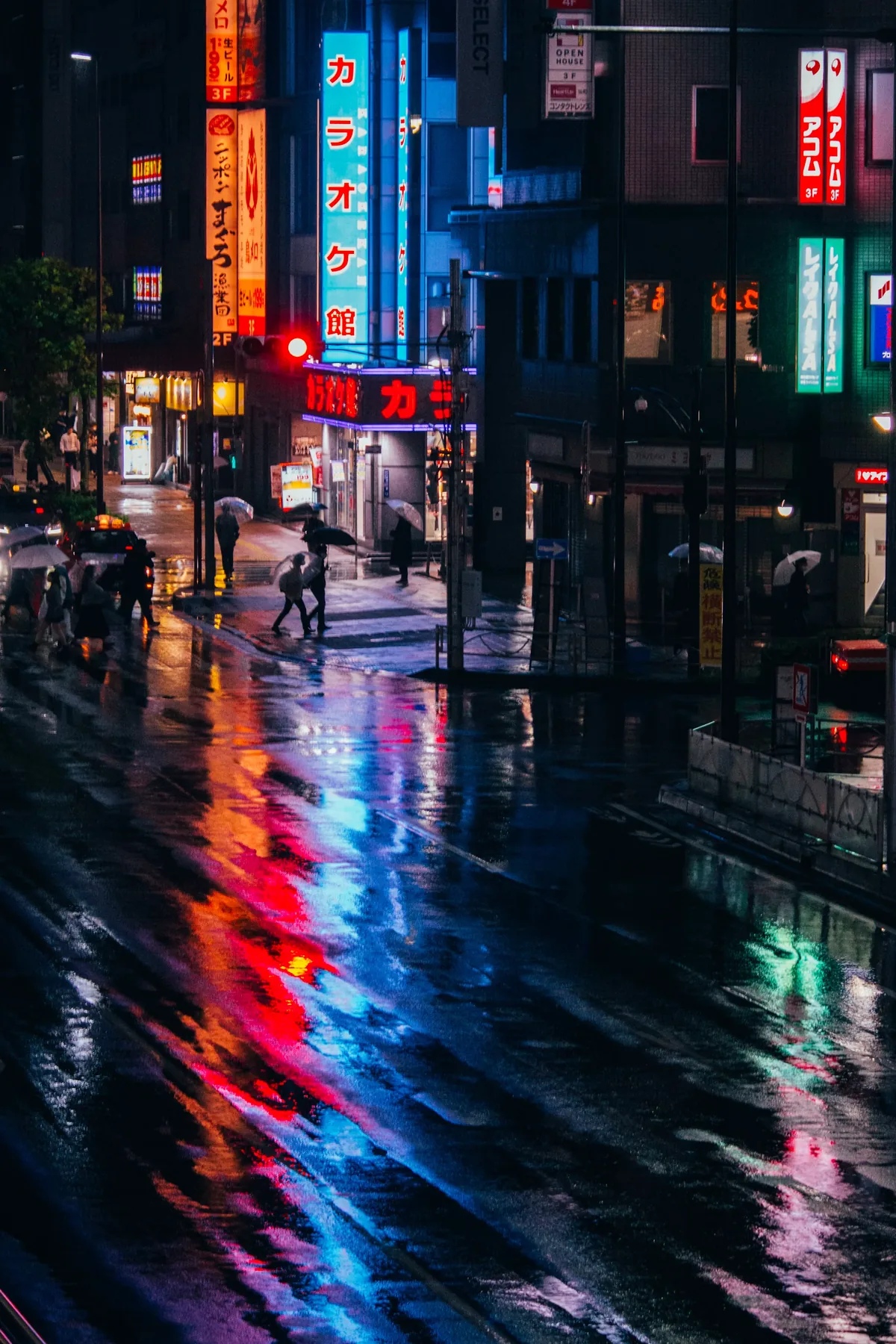
Technique
Expose for the signs, use the pavement as a second light source and let a little blur carry the weather.
Workflow
Modern in-camera color is excellent, but file choice should follow deadline, exposure risk and how far the image must travel.
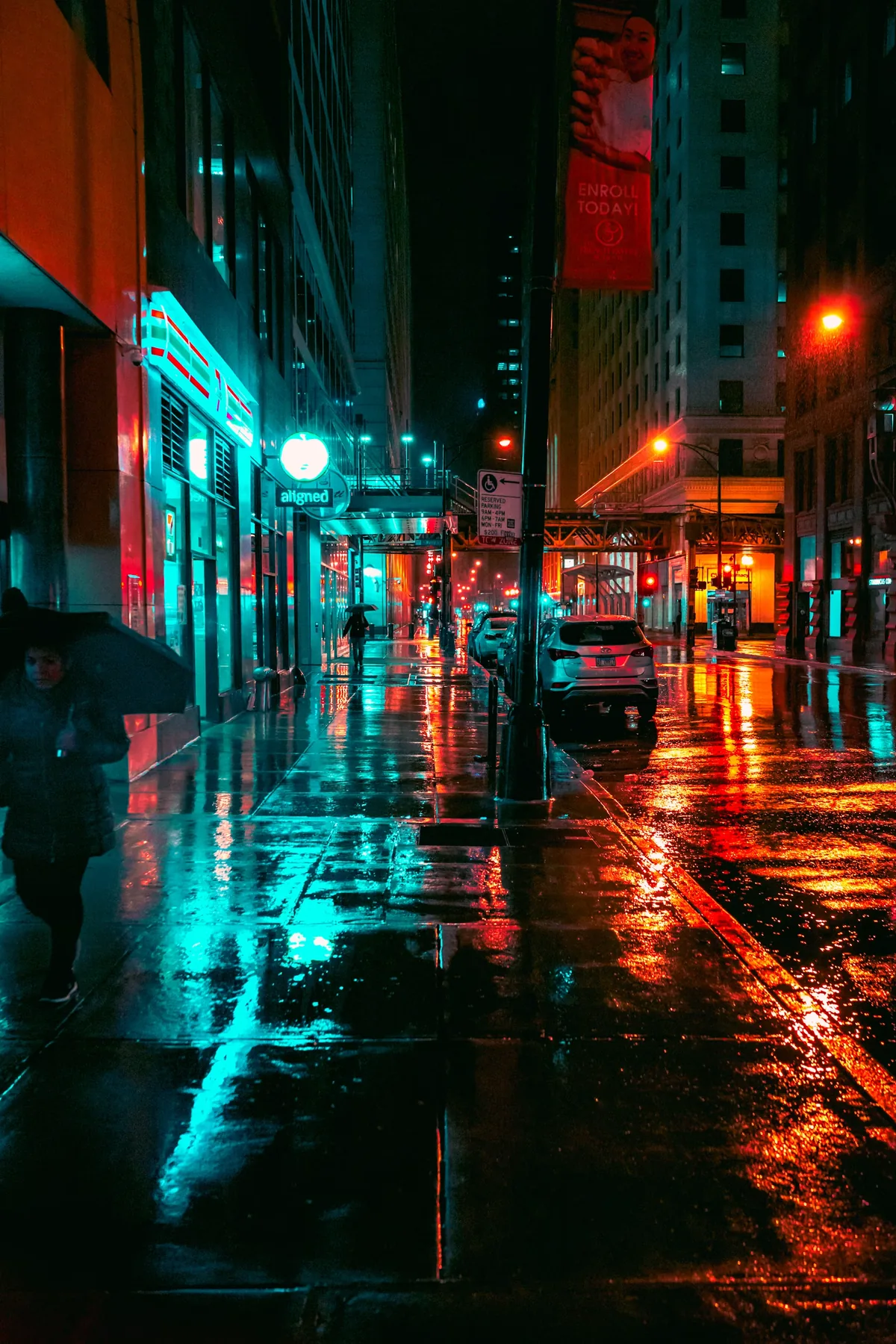
Editorial practice
Names, place, time and consequence turn an attractive frame into a usable document.