Bring a short shooting routine
Before visiting a shop, identify three actions you perform often: perhaps changing exposure compensation, moving the focus point and reviewing a frame at high magnification. Ask staff whether you can try those operations and whether the demonstration body has restrictions. Do not format its card, reset it or install firmware. A compact camera can feel delightful on first contact yet require an awkward grip for a frequently used control. Judge how the whole sequence works with your hands, glasses and preferred way of carrying a camera, not merely how many physical dials are visible.
Check the grip while operating a dial
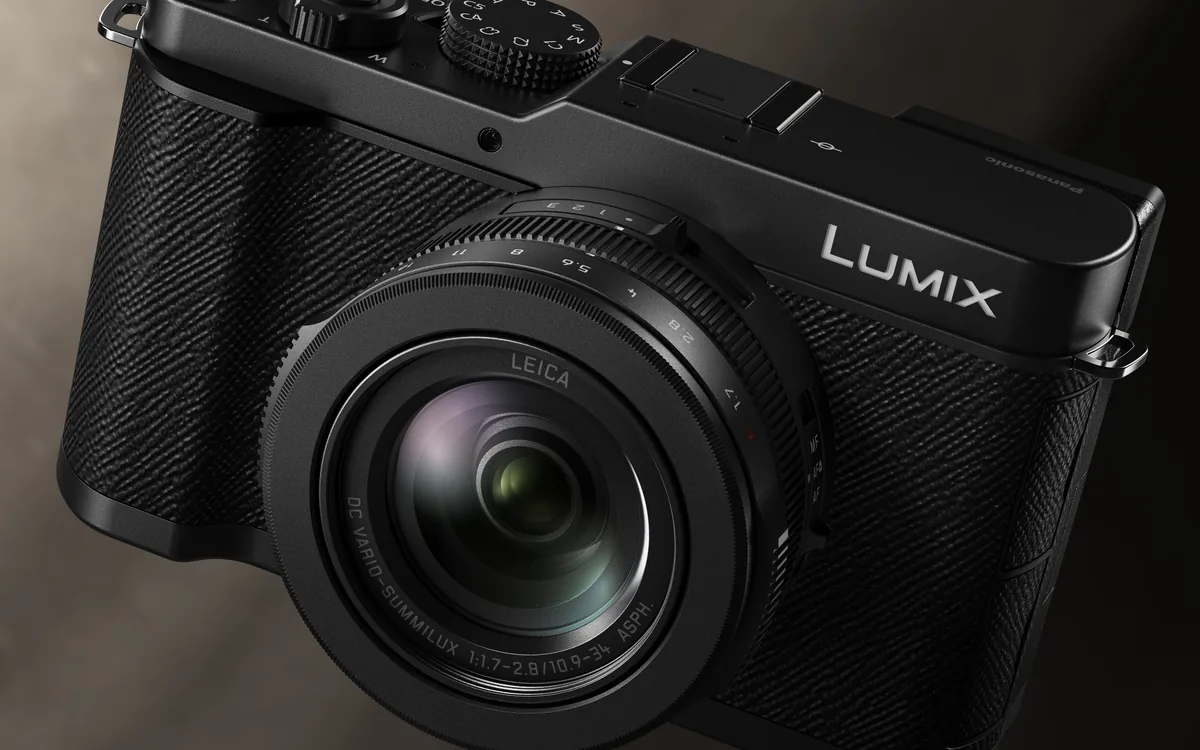
Support the camera securely with its strap as appropriate. Make a normal shooting grip, then try the exposure control without covering the lens, flash or another sensor. Notice whether your thumb has to leave its support position or presses a neighboring button. Repeat in portrait orientation. The smallest body is not necessarily the easiest to use, especially when a larger hand must curl around closely spaced controls. Avoid testing by dangling the camera or deliberately stressing its parts. You are evaluating access and confidence, not trying to establish the strength of a shop sample.
Separate the display from the viewfinder
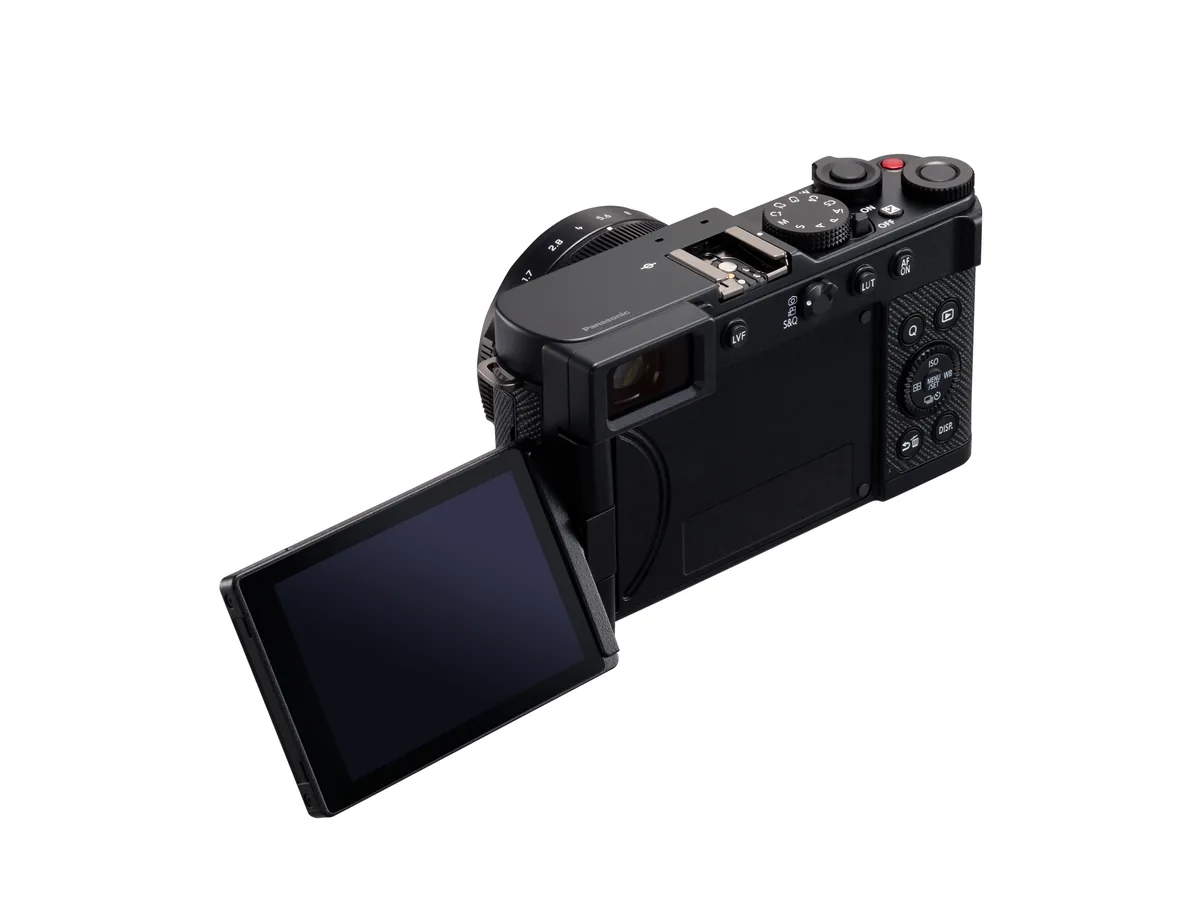
Look at the screen from the angles you actually use, including a low camera position if staff permit. With your normal glasses on, try the viewfinder when one is fitted and check whether important information remains visible. Do not assume that an optical finder previews exposure or that an electronic finder behaves exactly like the rear display. Ask to see the manual for unfamiliar behavior. Indoor shop lighting cannot prove outdoor visibility, so record that as an unanswered question rather than pretending a few minutes under ceiling lights reproduce a bright street or a dark venue.
Move focus, shoot and recover
Set a focus point on a stationary detail, move it to another part of the frame and make a permitted test shot. Review the image, magnify the chosen area and return to shooting. Count unnecessary menu trips rather than simply counting buttons. Touch controls may be convenient, but check how you would operate the camera when your usual shooting position makes the screen hard to reach. A shop test cannot establish autofocus performance across moving subjects or difficult light. It can show whether choosing a focus position feels clear and whether leaving playback costs you attention.
Try the routine twice
Repeat your three actions without staff prompting. The first pass measures unfamiliarity; the second begins to reveal whether the logic makes sense. If a custom button would solve a problem, ask whether that exact function can be assigned rather than assuming all buttons are fully programmable. Restore any temporary settings with staff guidance. Write down one strength, one irritation and one unresolved question immediately afterward. This prevents a striking finish, an attractive screen image or a conversation about specifications from replacing what you actually learned while holding the camera.

Decide what you can live with
Choose a compromise deliberately. A pocketable body may mean smaller controls; a clearer grip may mean carrying a slightly larger camera. Consider the bag or pocket you really use and allow space for a protective case rather than forcing an exposed camera into tight clothing. If possible, rent before an important purchase when a short demonstration leaves significant doubts. The Panasonic photographs here illustrate compact-camera hardware and controls, not an endorsement or our handling results. This is a product-neutral exercise: it does not assign a score, verify current stock or recommend buying the pictured model.