Start with the photograph you cannot make
Waiting for a discount makes sense when your current equipment still does the work and the delay has little consequence. It makes less sense when the wait prevents a specific project with a fixed date. Begin with a sentence that names the missing capability, not the desired model: reliable recording of a long interview, a lens that frames the room, or a lighter kit you will actually carry. If you cannot identify a practical limitation, waiting may be the most useful option regardless of whether prices change. This is a purchasing method, not a forecast of a manufacturer’s promotions or a list of live offers.
Define the package before comparing the price
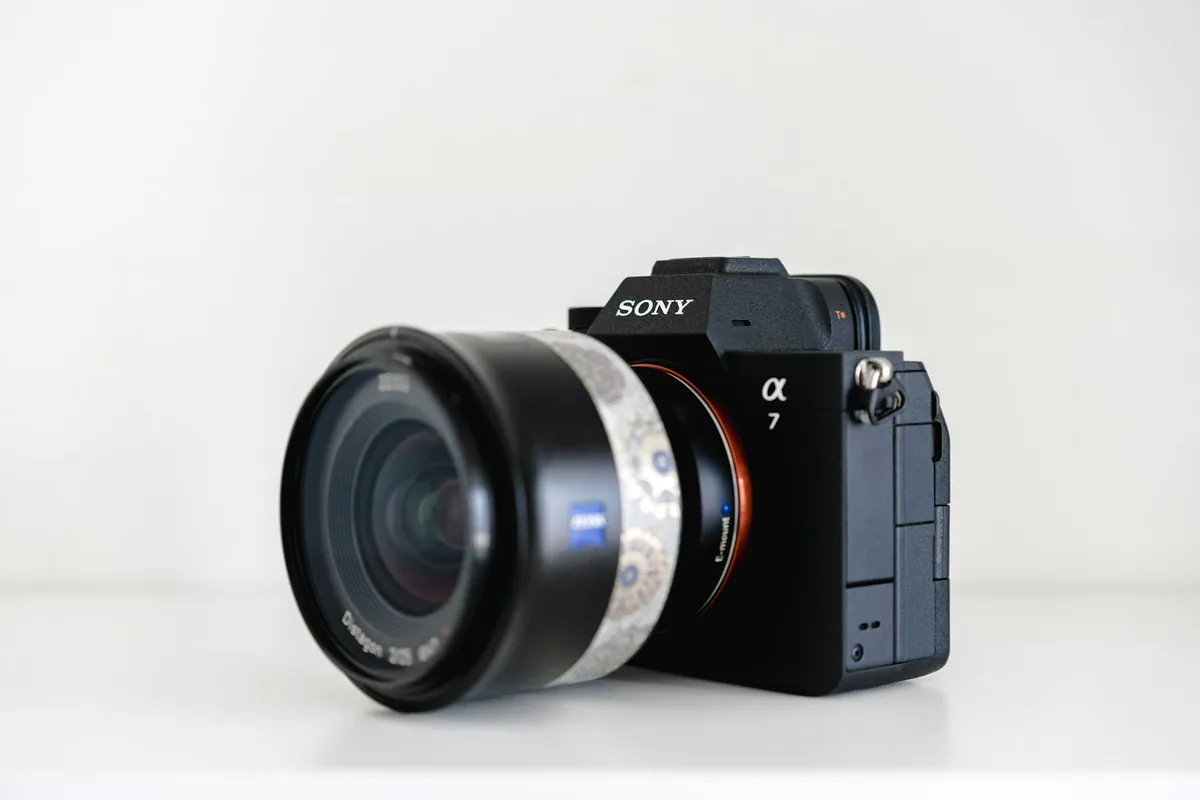
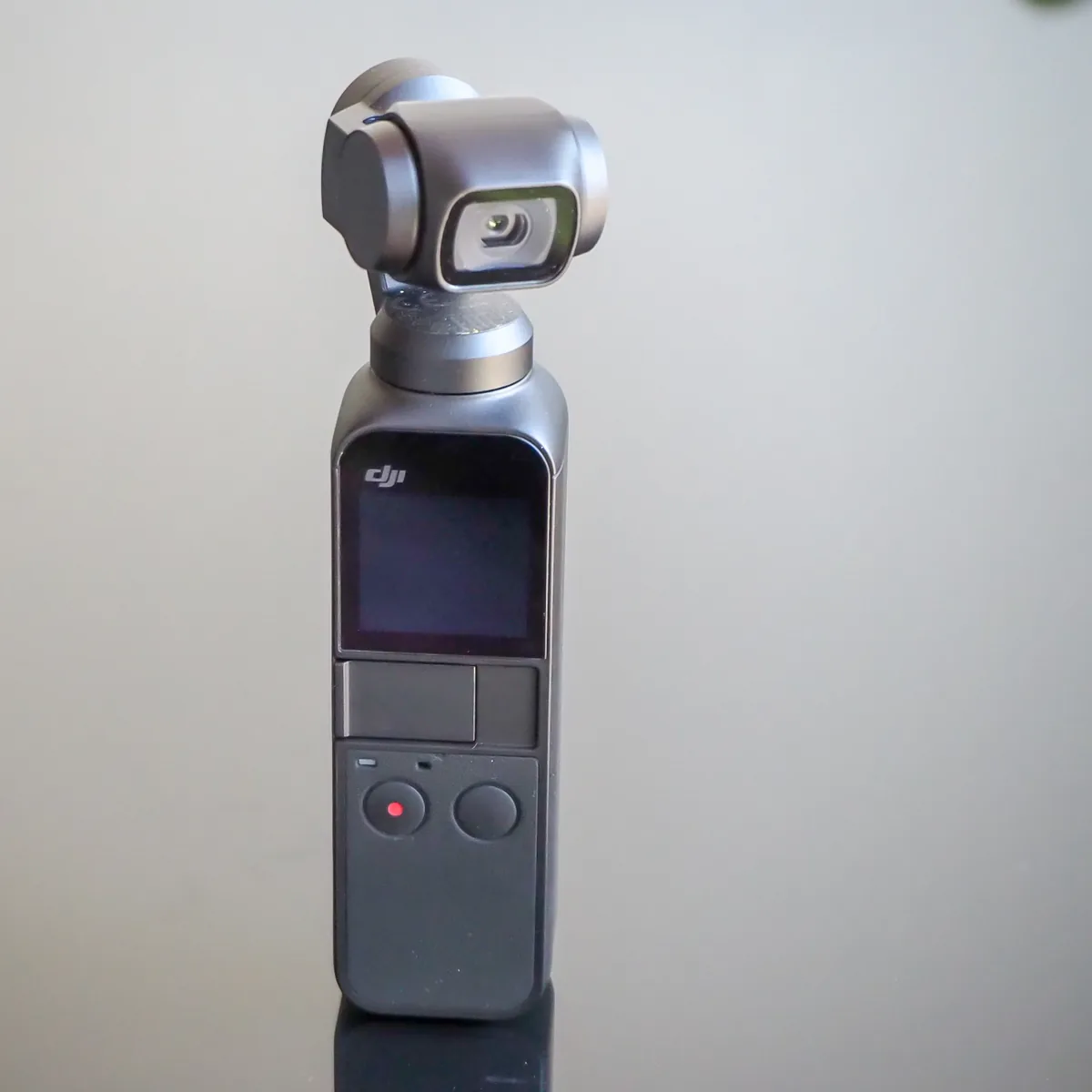
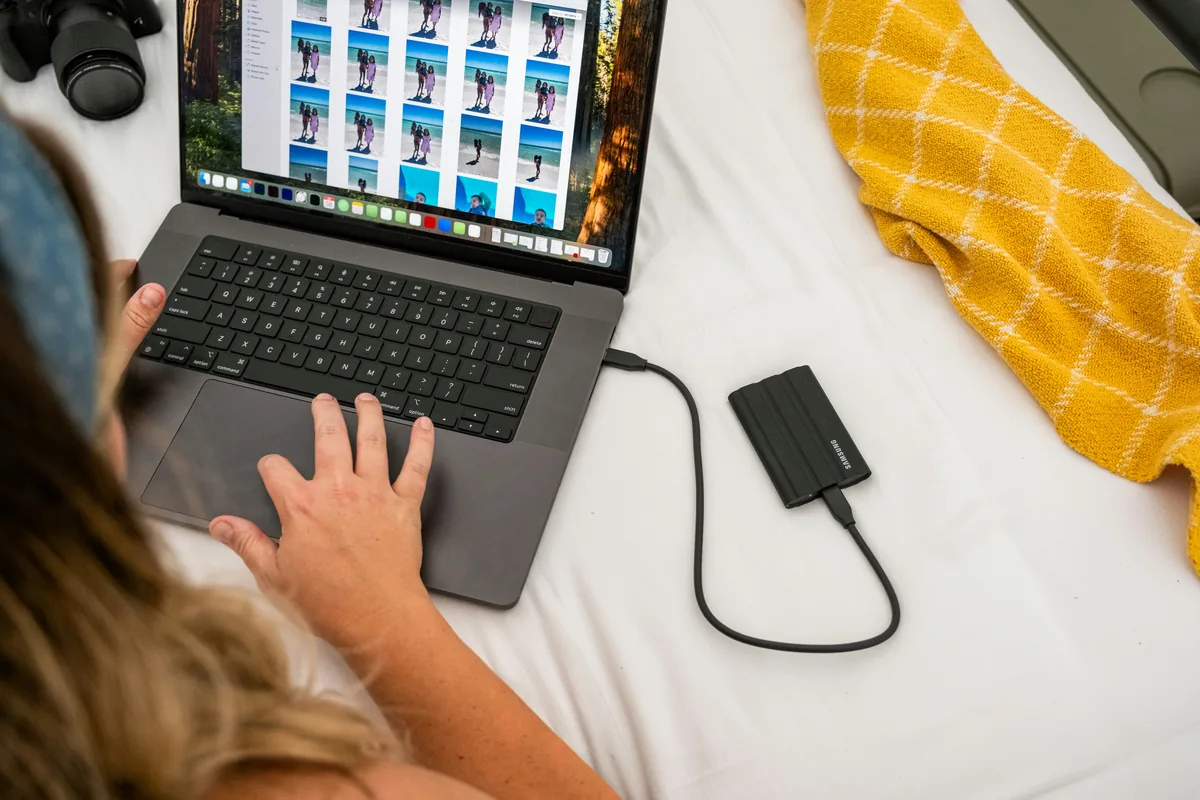
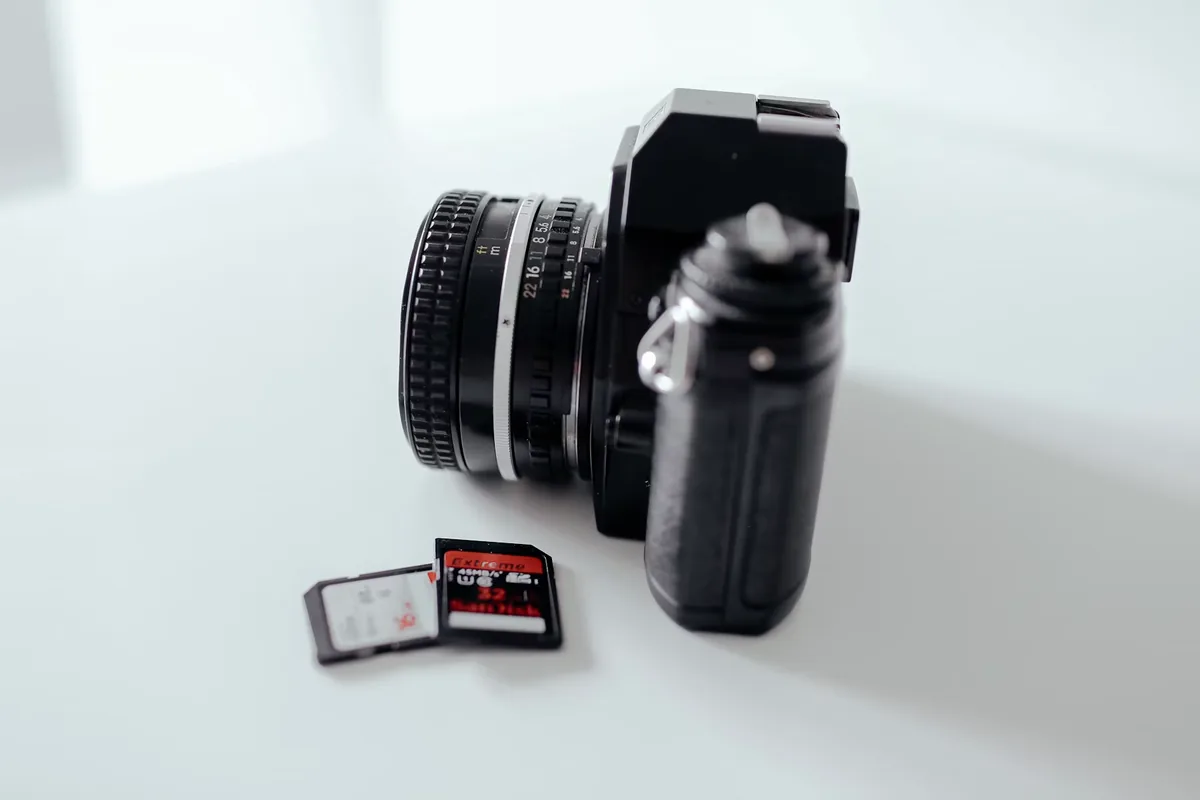
Write down the exact body, lens, accessories, region and condition you are considering. A body-only offer is not directly comparable with a kit, and a used item is not equivalent to a new one merely because the model name matches. Add the memory, batteries, charger, support and storage you genuinely need. Check the seller’s stated warranty, return conditions and delivery information rather than assuming they are identical. The photographs illustrate equipment and handling, not currently available sales listings, prices or inspected units. Keep the comparison tied to a dated offer you can actually purchase.

Give waiting a deadline
Choose the last date on which equipment could arrive while leaving time to learn and test it. Work backward from the assignment, trip or personal project rather than from a rumored announcement. If there is no deadline, choose a review date so checking prices does not become a daily distraction. A useful note contains the current complete-kit price, your acceptable price, the latest arrival date and the reason the purchase is needed. Revisit those four items together. A lower price that arrives after the work is finished may not be the better decision.
Use a simple hypothetical comparison
Suppose a complete kit costs US$1,500 now and your hoped-for price is US$1,350. The possible saving is US$150, not a confirmed future discount. If waiting would require a US$120 rental and US$40 in additional transport, that bridge costs US$160. Under those hypothetical assumptions, the hoped-for saving would not cover the bridge. Your actual numbers may favor waiting, and using equipment you already own may cost nothing extra. Keep uncertain future savings separate from expenses you will definitely incur. Do not quietly count resale proceeds until you have a realistic offer and understand its conditions.
Do not let bundles invent a need
Give a bundled accessory a value only if you would otherwise buy and use it. A second lens that stays in a drawer does not make an unsuitable camera a better tool. Conversely, a modest-looking package that contains the specific battery or lens you need may be more useful than a dramatic headline reduction on the body alone. Make two totals: the minimum workable kit and the optional additions. That separation reveals whether the deal solves the original problem or merely expands the shopping list. Leave room in the budget for testing, storage and the ordinary costs of making photographs.
Treat launch rumors as uncertainty
A rumored replacement does not establish an announcement date, shipping date or reduction on the existing model. Even a confirmed new camera does not tell you how your local seller will price remaining stock. Use official product and store pages to establish what has actually been announced and what is currently offered. Keep a dated copy of the package description for your own comparison. If a promotion changes, recalculate the complete kit instead of chasing the percentage printed beside it. A purchase decision should remain understandable even if the predicted next model never appears.
Make the final decision small
When the deadline arrives, choose among three concrete paths: buy the verified kit, bridge the immediate need with existing or borrowed equipment, or postpone the project and purchase together. Avoid an open-ended fourth path in which you keep monitoring prices while the work quietly slips away. After buying, complete a short real-world test while you still have time to address a problem. A good purchase is equipment that fits the intended work at an acceptable total cost—not proof that you found the lowest price anyone will ever pay.