Write five shots before choosing a camera
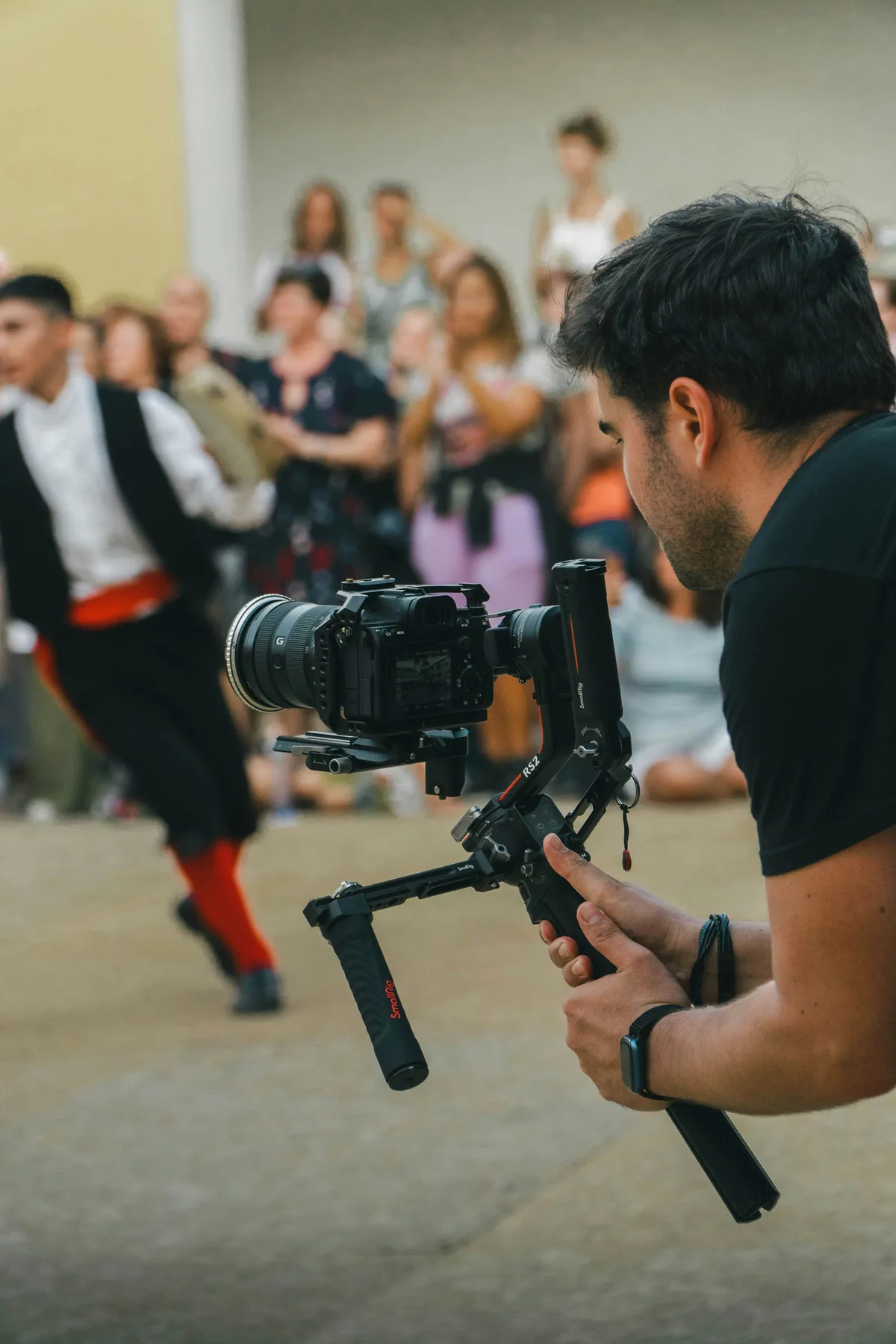
Imagine a short scene about arriving at a market. You need an establishing view, a person entering, a detail of the work, a reaction and a closing shot. Write those five images down before comparing equipment. A small gimbal camera can make quick moving views convenient; an interchangeable-lens camera can offer more framing choices. Neither automatically gives the sequence a beginning or an ending. Rehearse the same story close to home with equipment you already own or can borrow. Note where the setup helps and where it makes you abandon a shot.
Decide which views require another lens
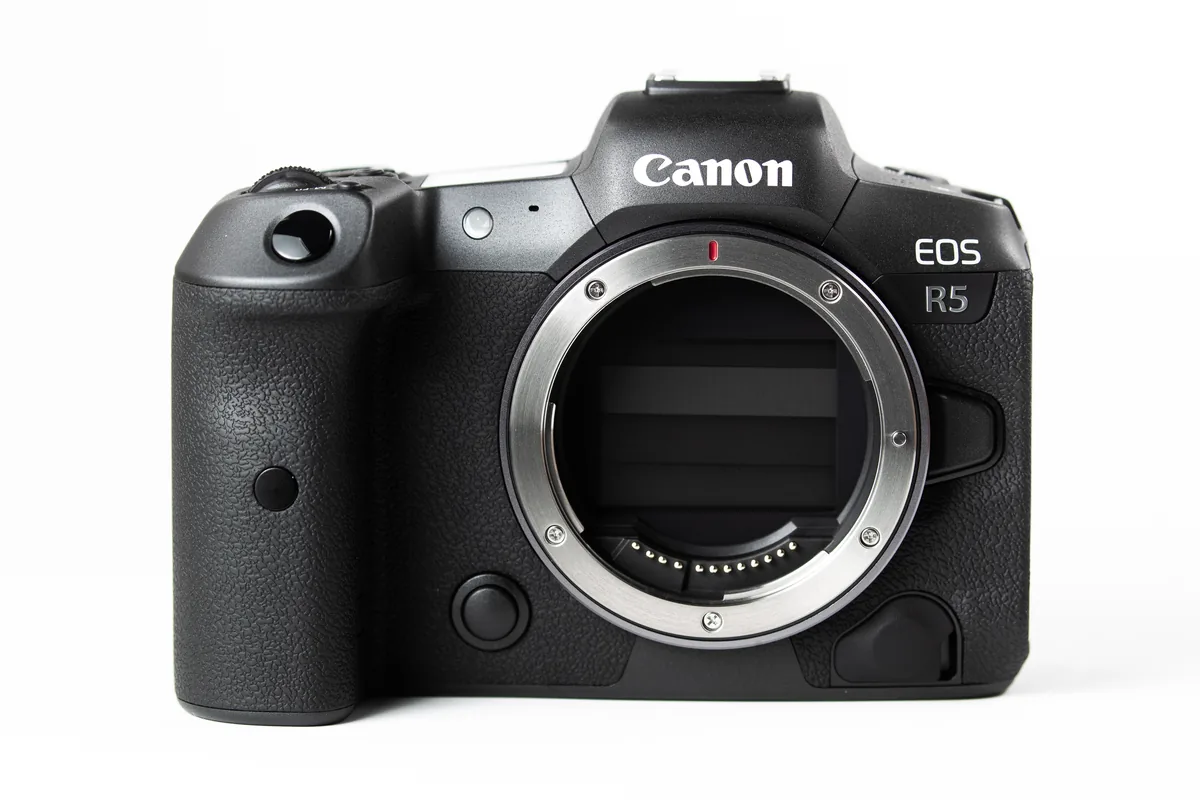
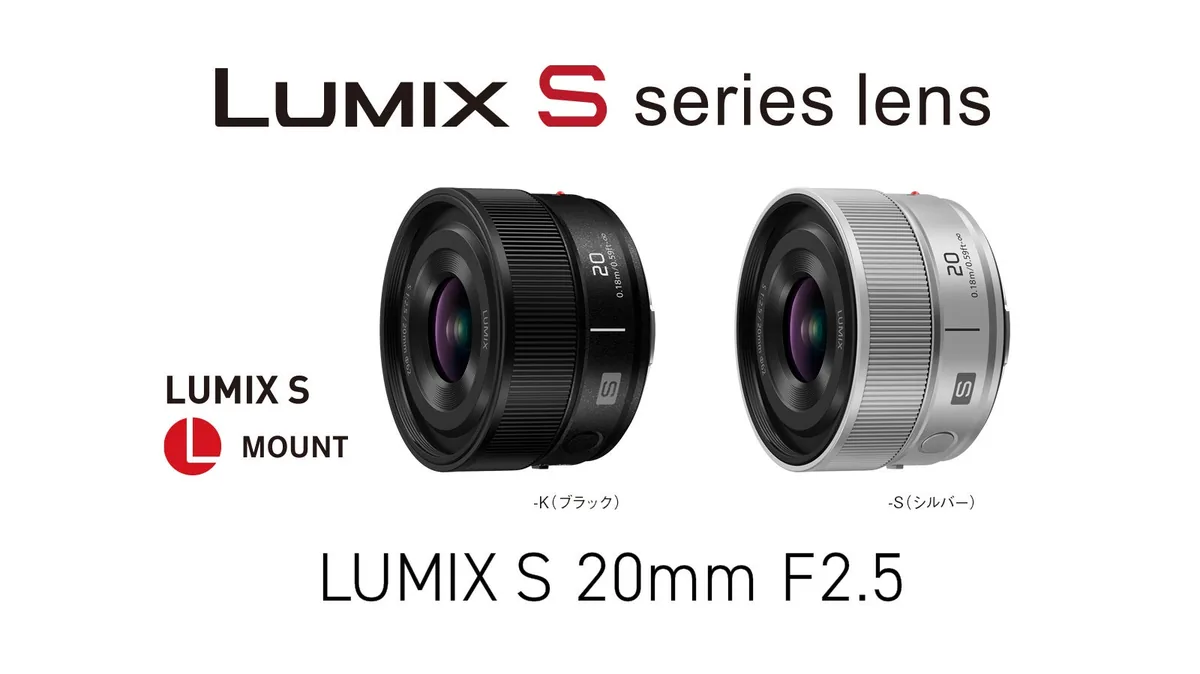
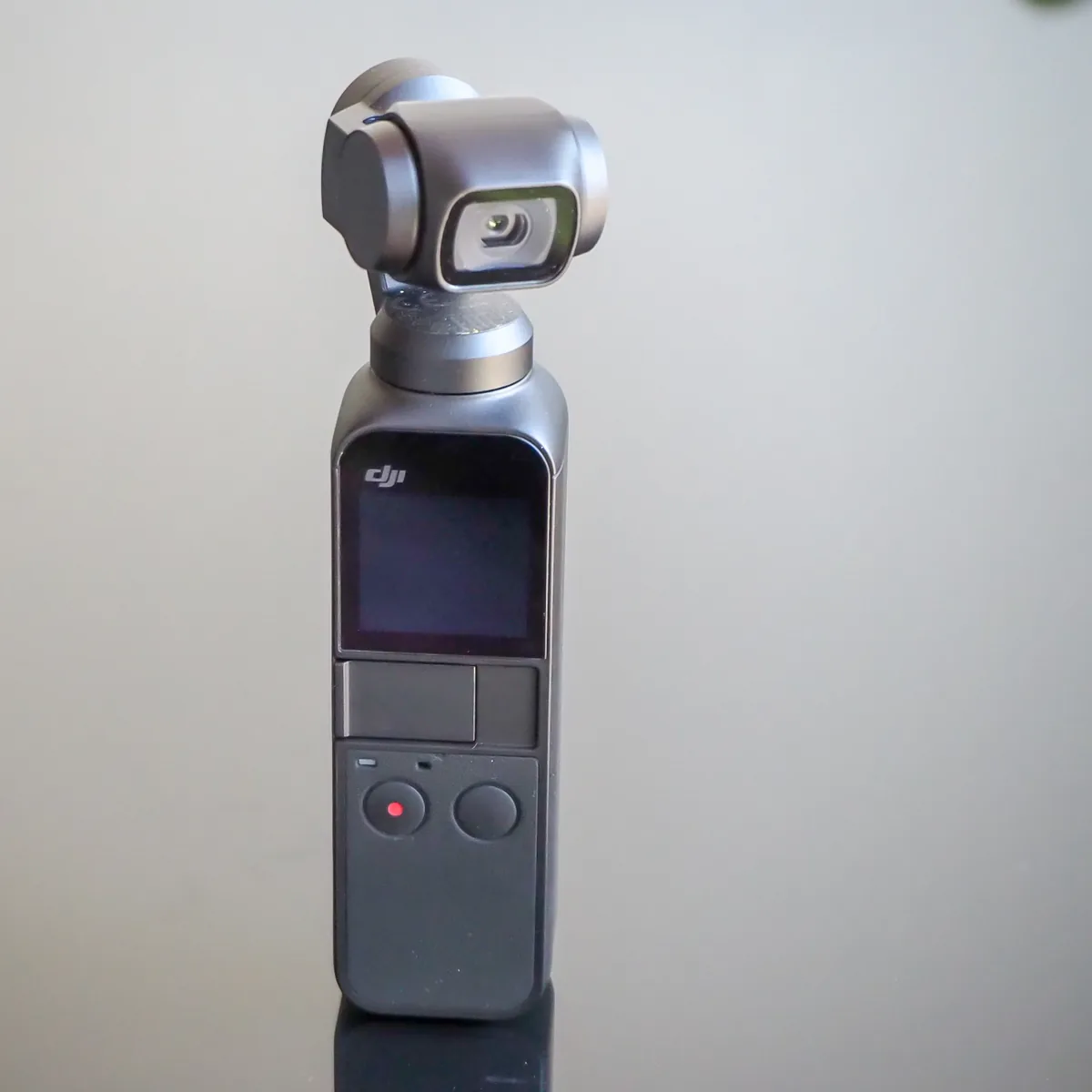
A fixed wide view is useful for showing a place, but not every subject can be approached safely or politely. An interchangeable lens lets you change the framing without moving into a restricted area or someone’s personal space. Conversely, changing lenses takes time and introduces handling decisions in crowded or dusty locations. As one concrete example, DJI specifies a 20mm-equivalent F2 lens and a 179g camera weight for the Osmo Pocket 3. This is an established example, not a claim that it is the newest or best camera. The hero photograph shows the earlier original Osmo Pocket, clearly identified as a design example.
Count the setup time as part of the weight
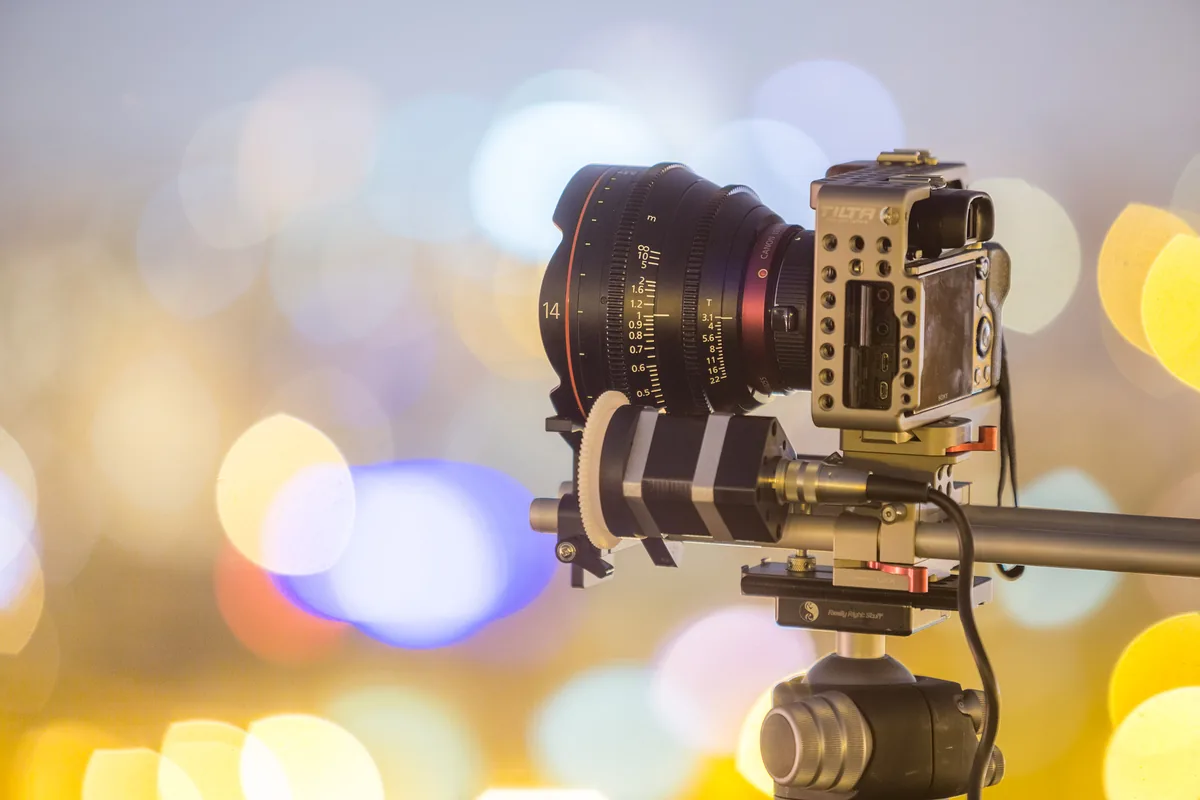
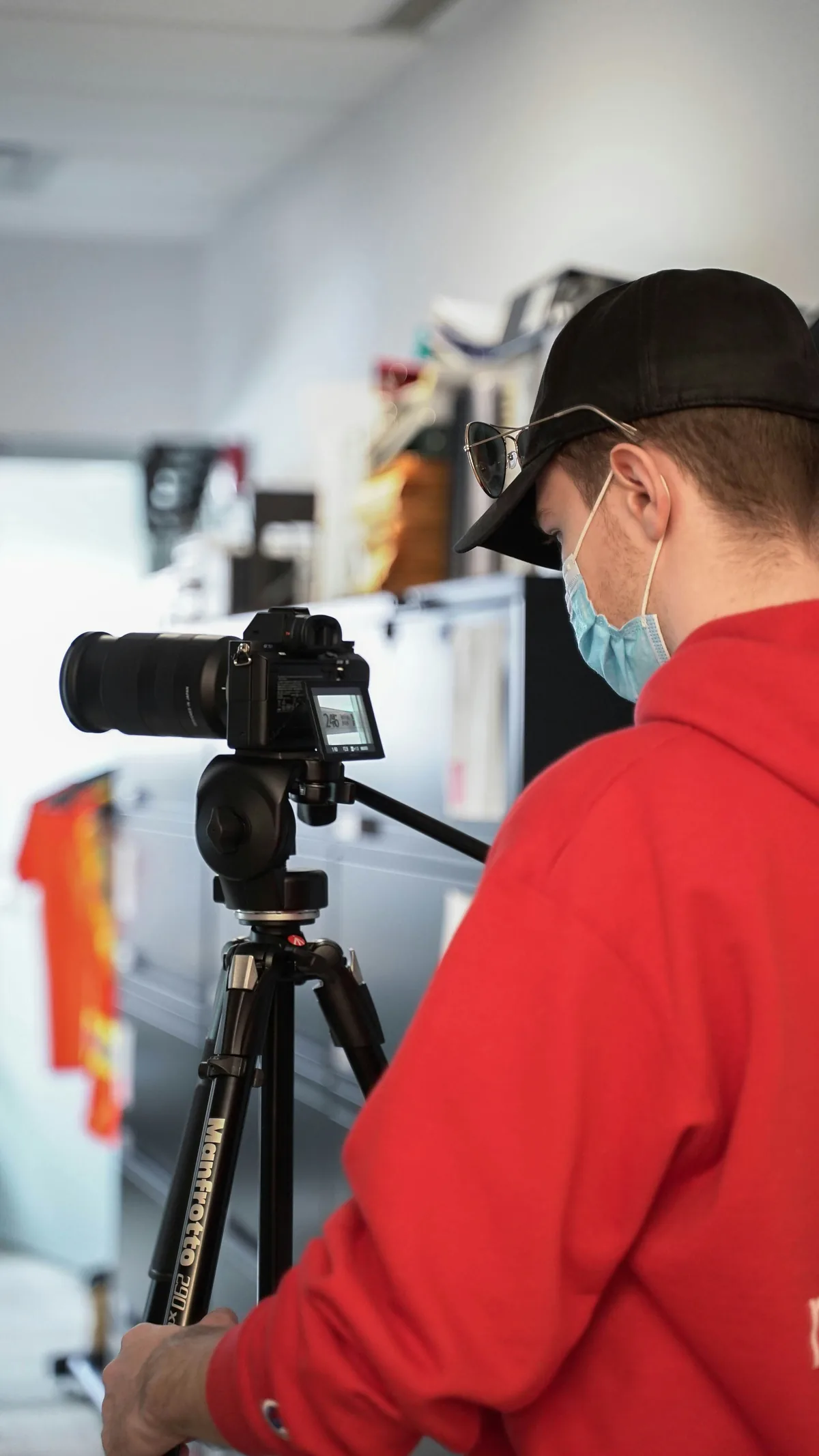
A camera-body specification leaves out much of the day’s load. Include the lens, support, batteries, charger, microphone and protective case when assessing what you will carry. Then time the process from a safely packed kit to a framed, recording shot. Do it again after putting everything away. A rig that feels comfortable for thirty seconds may be tiring after a long walk, while a tiny setup can become less convenient once accessories are added. The right answer is the system you can handle reliably throughout the trip, not simply the smallest number in a comparison table.
Walk slowly, and give the edit a still option
A gimbal compensates for rotational movement, but the camera still travels up and down as you walk. Keep the route clear, take short controlled steps and avoid watching a screen instead of your surroundings. Film a stationary version of the same scene before attempting the moving version. Hold a few seconds before and after the intended action so the edit has breathing room. If the moving shot does not add information, the still take may be the stronger choice. Never step backward into a road or crowd just to maintain a smooth-looking frame.
Record sound deliberately
Beautiful movement cannot rescue dialogue that the audience cannot understand. Ask permission before recording an identifiable conversation, find a quieter position and listen to a test recording using the available monitoring or playback method. Check wind noise, clothing contact and whether the intended speaker is actually prominent. Record a short stretch of environmental sound separately, without talking over it. That gives the edit a more natural connection between shots. If you cannot capture a clear conversation, change the storytelling approach instead of relying on an editing tool to reconstruct words that were never recorded cleanly.
Choose after making a short edit
Build a thirty-second sequence from the rehearsal and watch it without looking at the camera names. Are the transitions clear? Do you have enough details and reactions, or only continuous walking? Does the sound establish the place? List the missing shots and identify whether the problem was equipment, access or preparation. That list is a better purchasing brief than a resolution comparison. This guide deliberately does not rank current kits or quote changing retail offers: use the official specifications for compatibility, then decide whether a different camera solves a problem visible in your own finished work.