Practical photo workflow
Sync Camera Clocks Before the Shoot, Not While Sorting the Photos
Keep multi-camera photographs in a useful order with a shared clock reference, body-specific notes and a cautious capture-time correction workflow.
Sensors, exposure & fieldcraft
Good low-light work balances what a sensor can reveal with what the scene still needs to feel believable.
Low-light camera technology and practical methods for working with night scenes, movement, noise, color and difficult exposure.
Practical photo workflow
Keep multi-camera photographs in a useful order with a shared clock reference, body-specific notes and a cautious capture-time correction workflow.

Evergreen action workflow
Maximum fps is only one part of action photography. Rehearse burst length, recovery time and the next sequence with the file format and cards you will actually use.
Evergreen camera technique
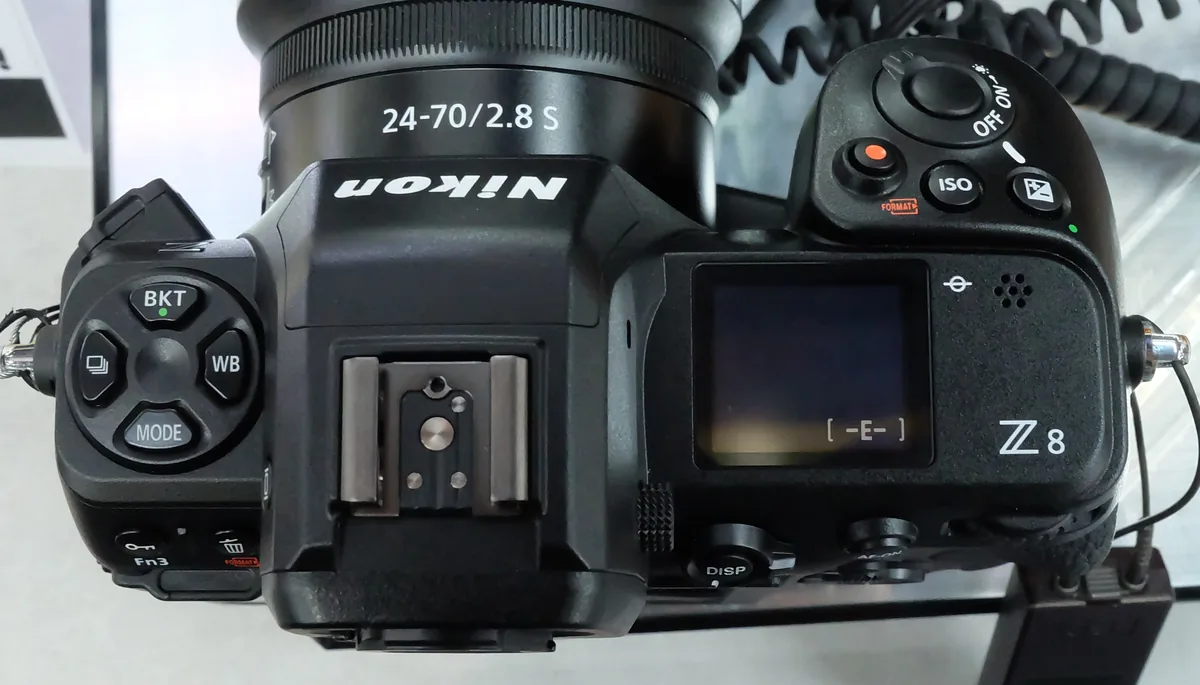
The plus/minus control changes an automatic exposure target, not the scene. Learn which setting moves, when Auto ISO matters and why compensation can appear to stop working.
Practical video sound
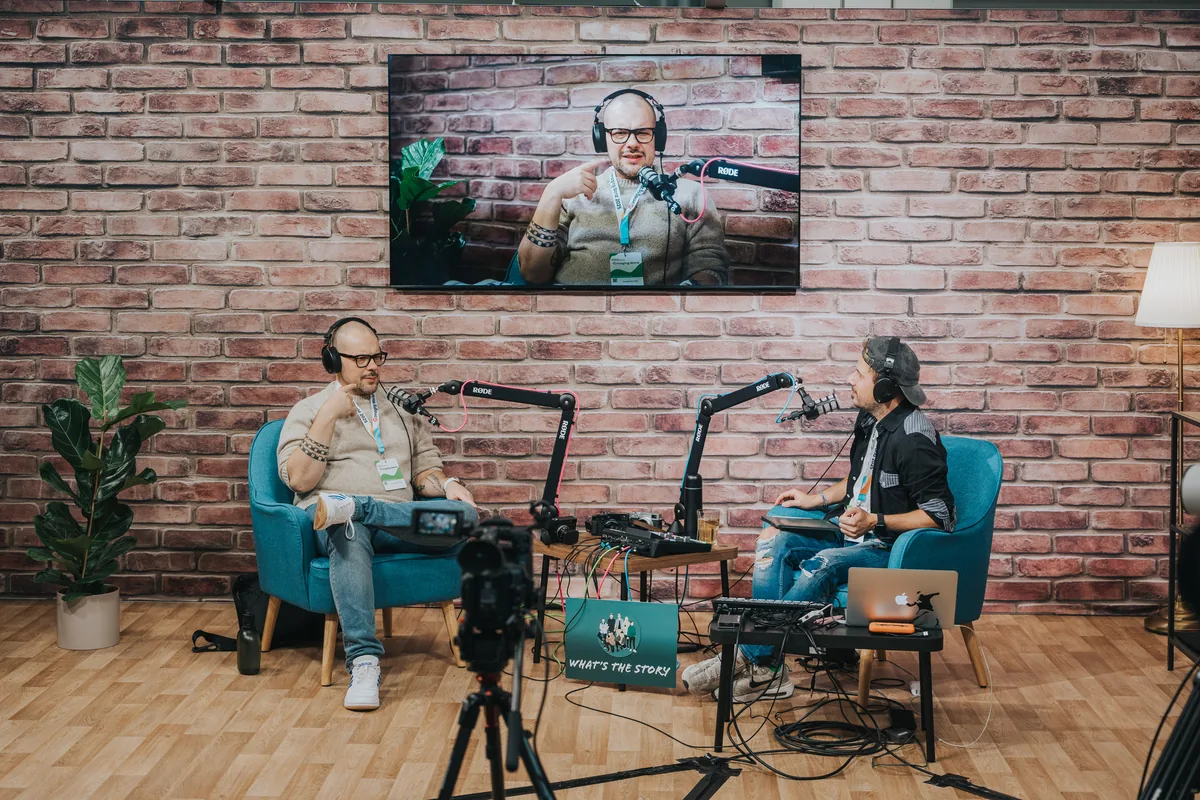
A short, well-labeled recording of a location can make dialogue edits less distracting. Keep the microphone setup consistent and know what room tone cannot repair.
Evergreen technique
A repeatable focus-stacking workflow for stationary subjects: overlap the sharp zones, keep light consistent and check the merge before discarding source frames.
Practical video workflow
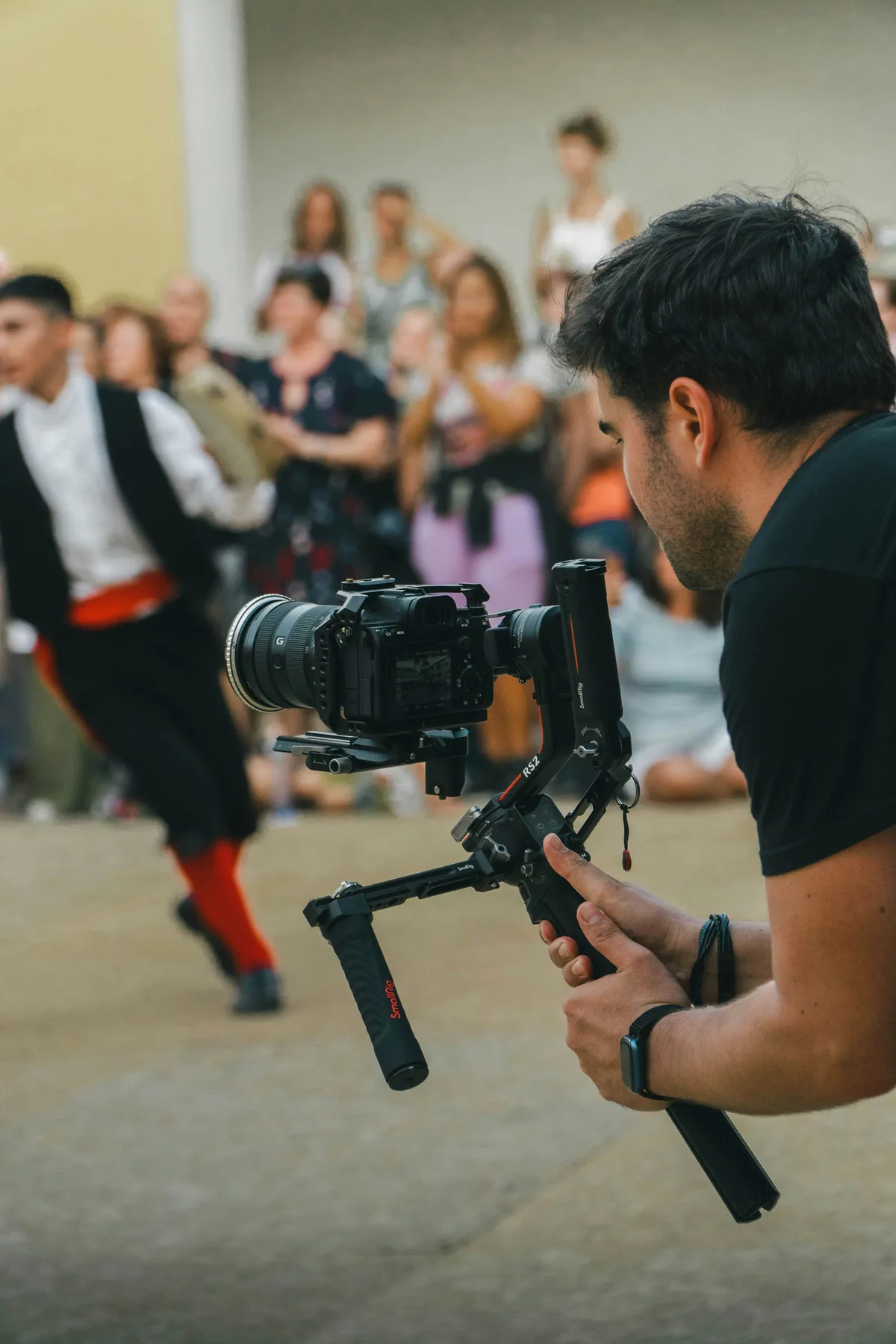
Protect the subject, hands and captions before recording. A practical approach to 16:9 and 9:16 delivery, including when a separate take beats an automatic crop.
Video infrastructure
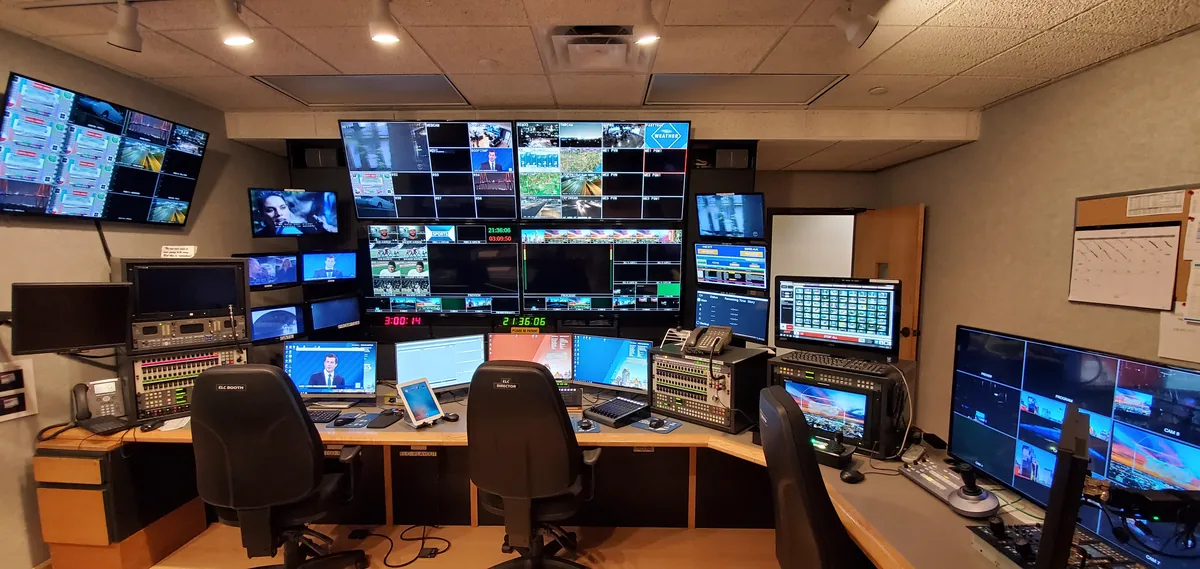
Providius NVRT now supports Nevion eMerge telemetry and VideoIPath service data. What the integration promises—and what a production team should verify.
Practical color workflow
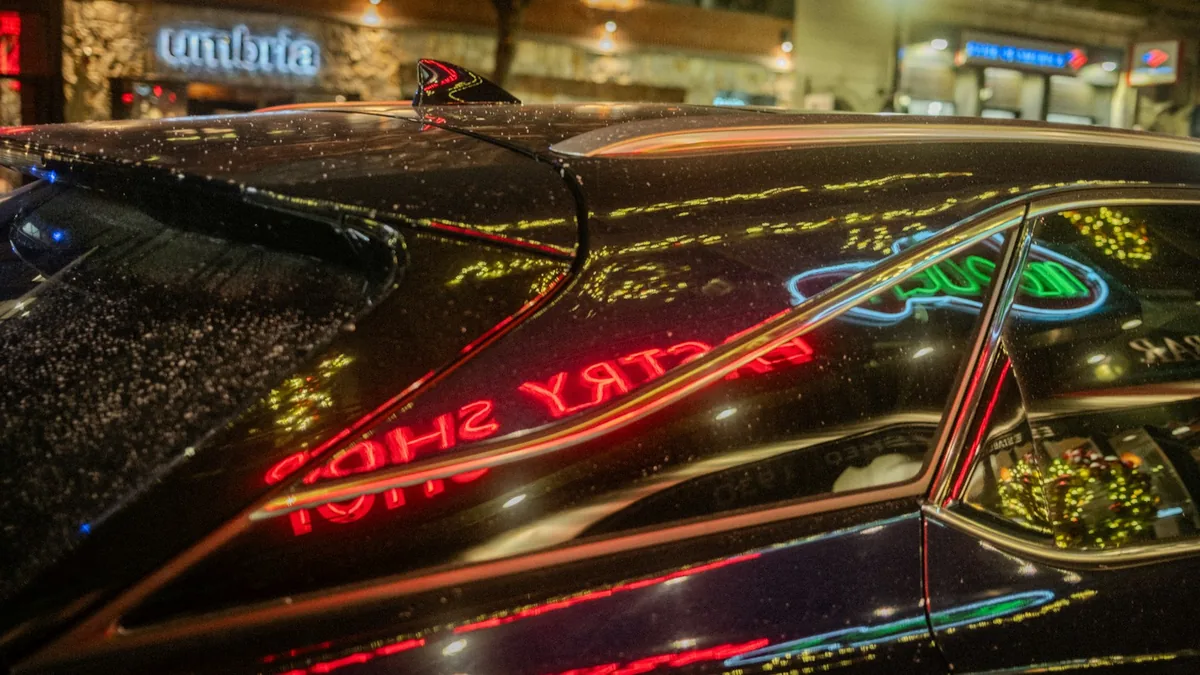
Choose a color priority, place a neutral reference correctly and keep a sequence consistent. Why one white-balance setting cannot neutralize every light source.
Evergreen technique
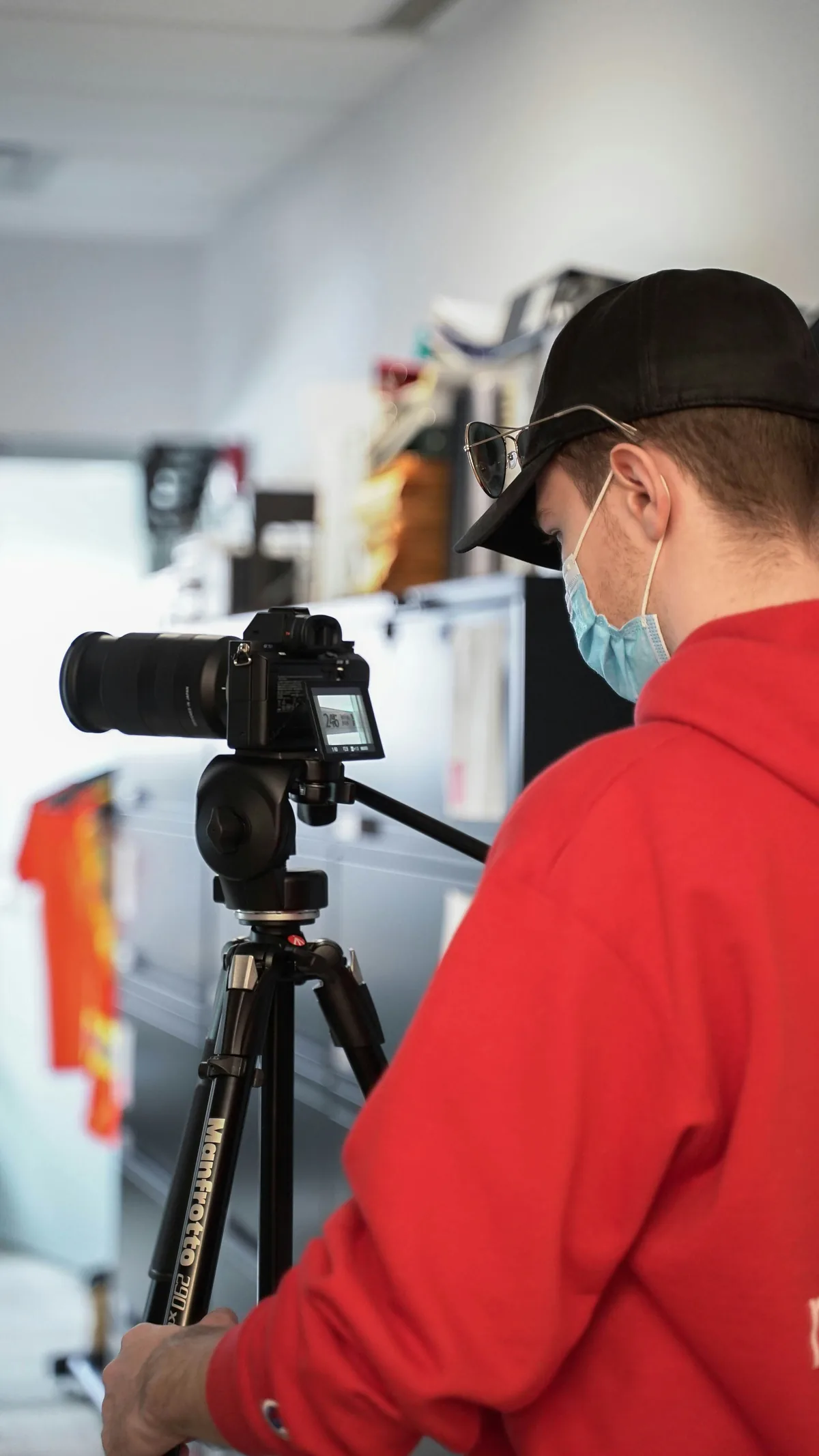
Separate subject movement, support vibration and missed focus with a repeatable tripod test. Stabilization and shutter settings depend on the actual camera and lens.
Practical stills workflow
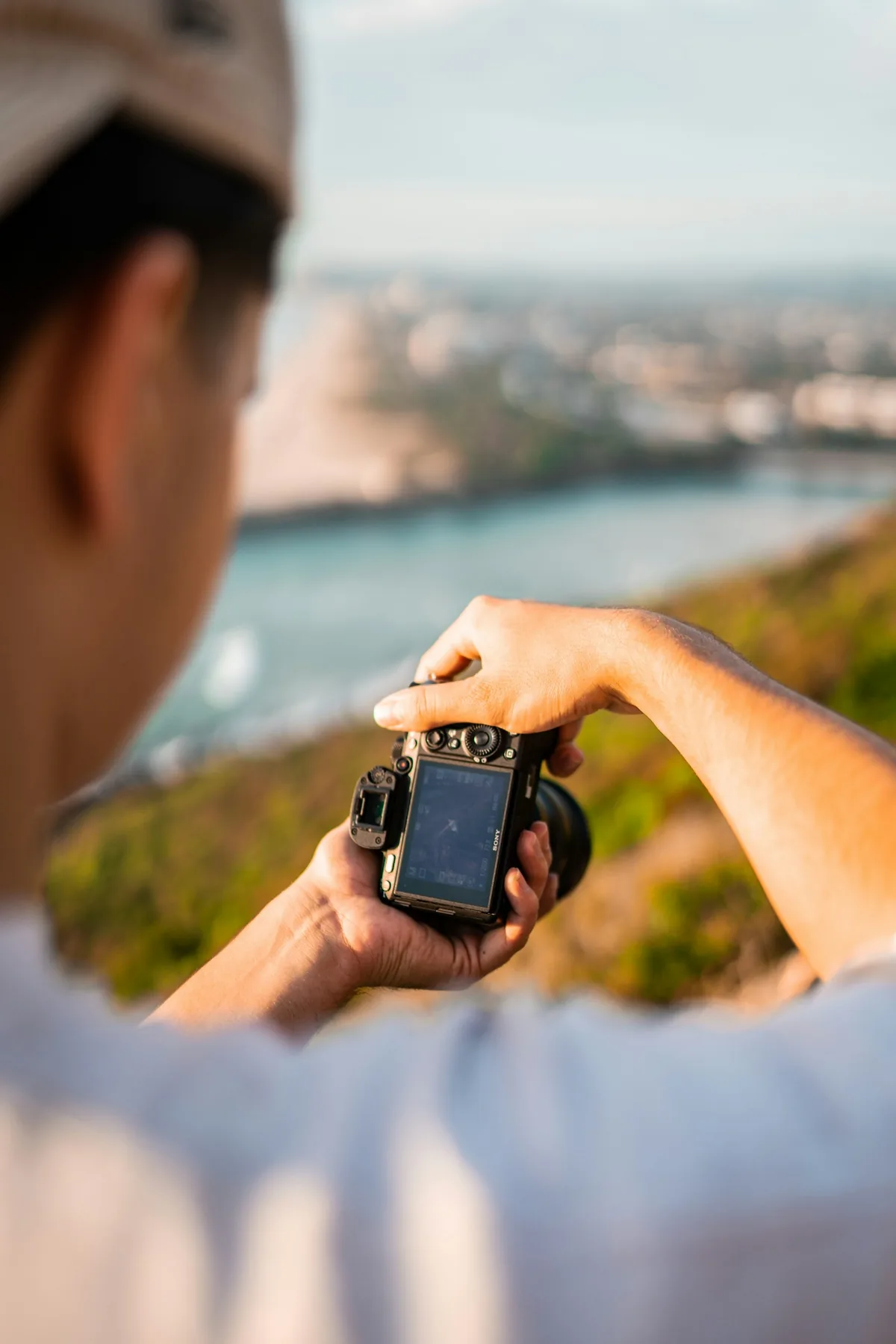
Capture a useful exposure bracket without changing depth of field, then check motion and ghosting before deciding whether an HDR merge improves the photograph.
Verified security roundup
A dated check of Adobe’s September 22 security bulletins: affected Bridge and Content Credentials versions, update ownership and a practical verification plan.
Shutter technique
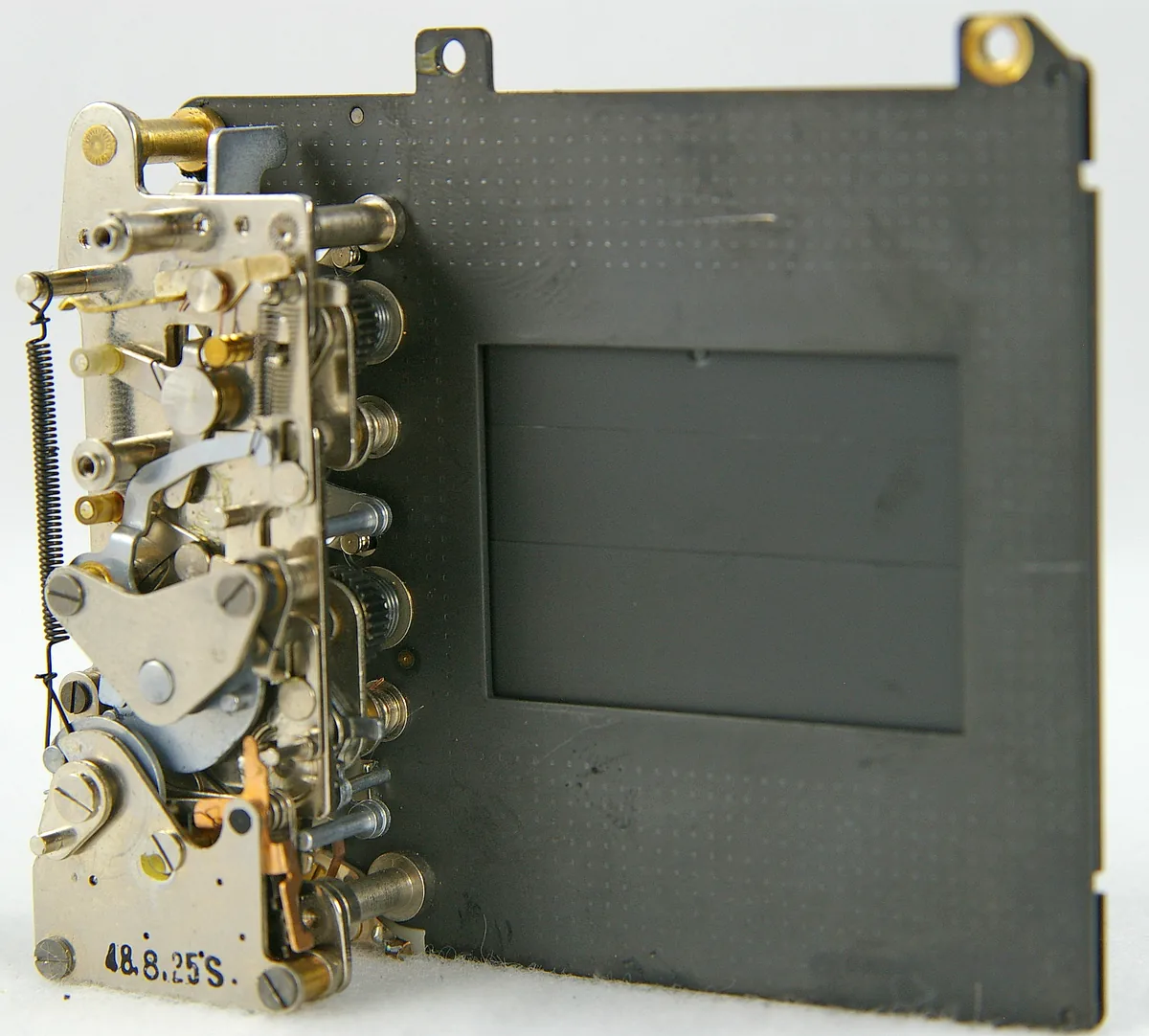
Silent capture, a fast exposure and a distortion-free frame are different things. Use a controlled comparison to choose a shutter mode for the light and movement in front of you.
Lighting workflow
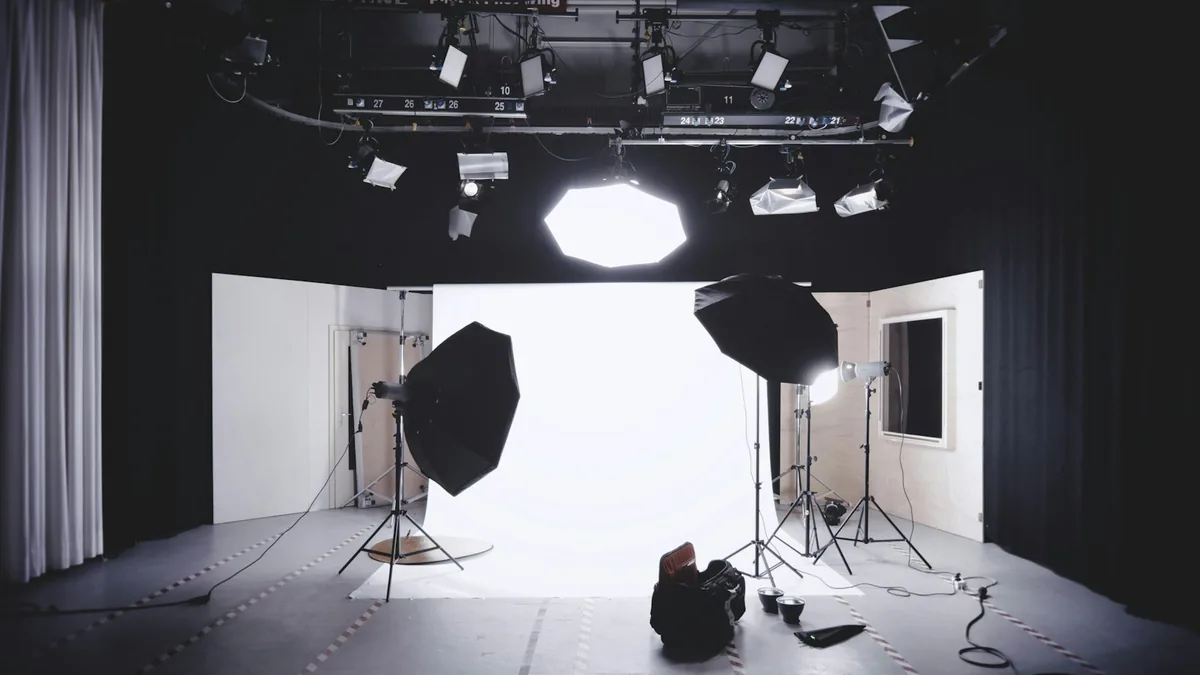
A camera’s maximum shutter speed is not a flash compatibility promise. Separate normal sync, high-speed sync and global-shutter timing before troubleshooting an uneven exposure.
Night photography exercise
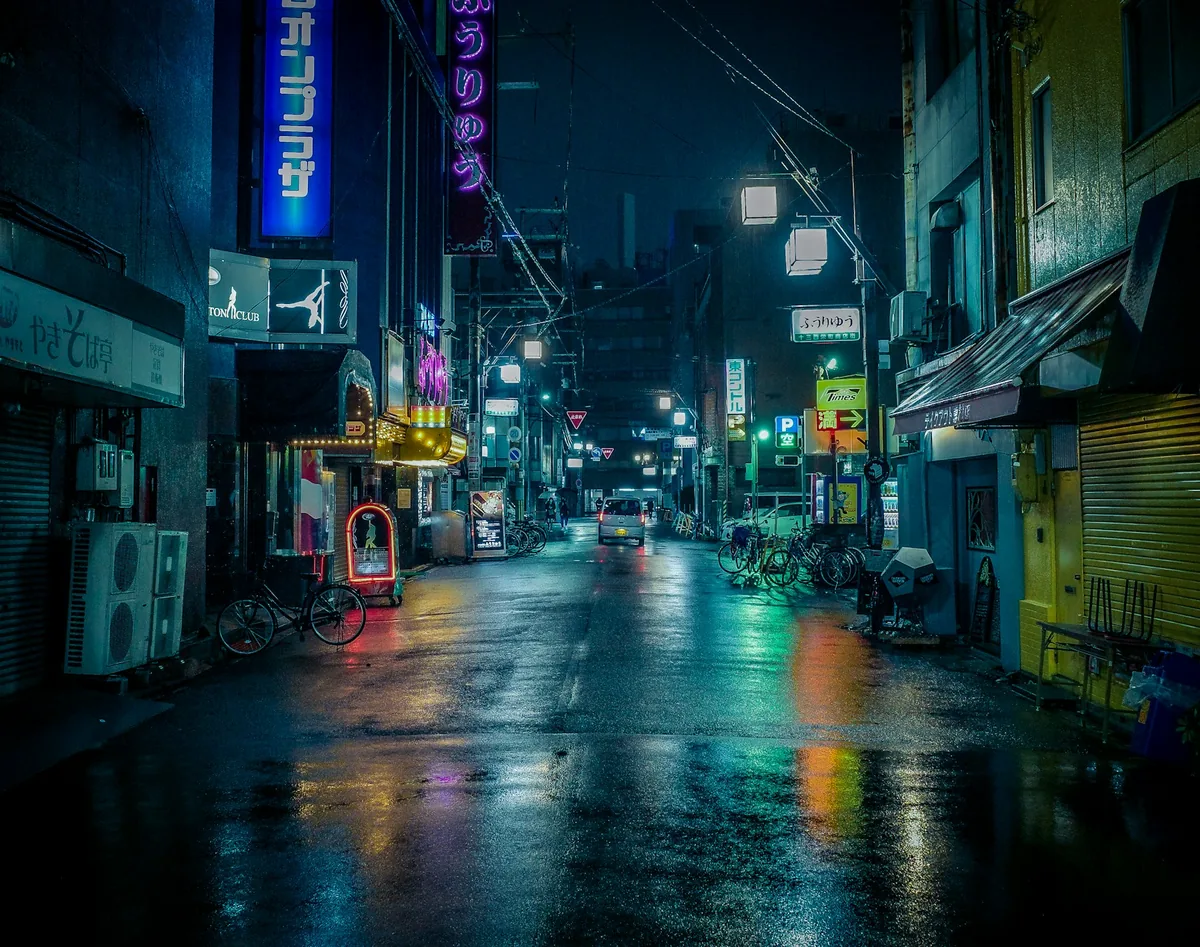
Separate highlight color from subject movement with a repeatable night-street exercise, then choose the exposure that serves the photograph.
Mobile video update
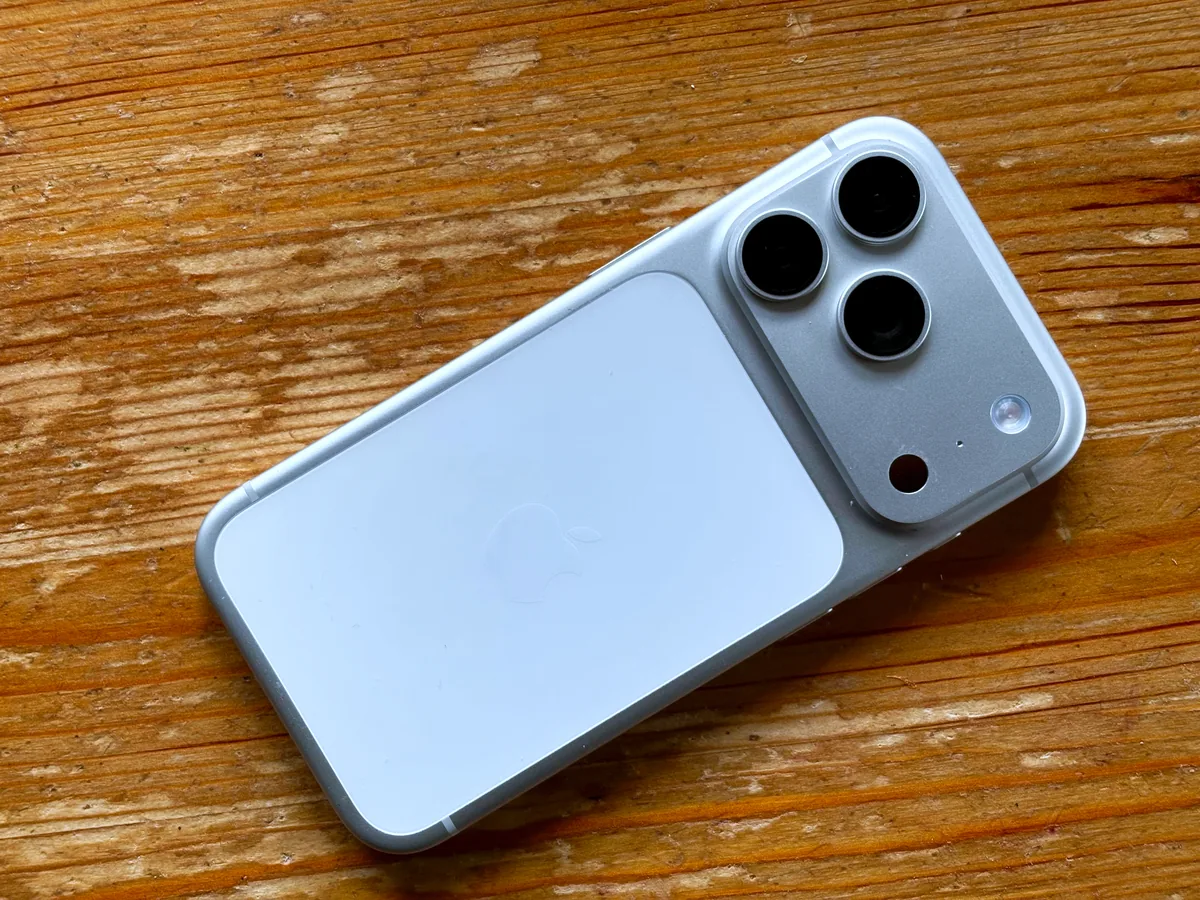
Apple’s free September 29 update expands capture controls. Separate hardware-dependent features from the checks every mobile video workflow still needs.
Media provenance
The newly public paper maps capture, ingest and distribution. Its practical value is locating gaps in provenance handling, not certifying that a picture is true.
Color workflow guide
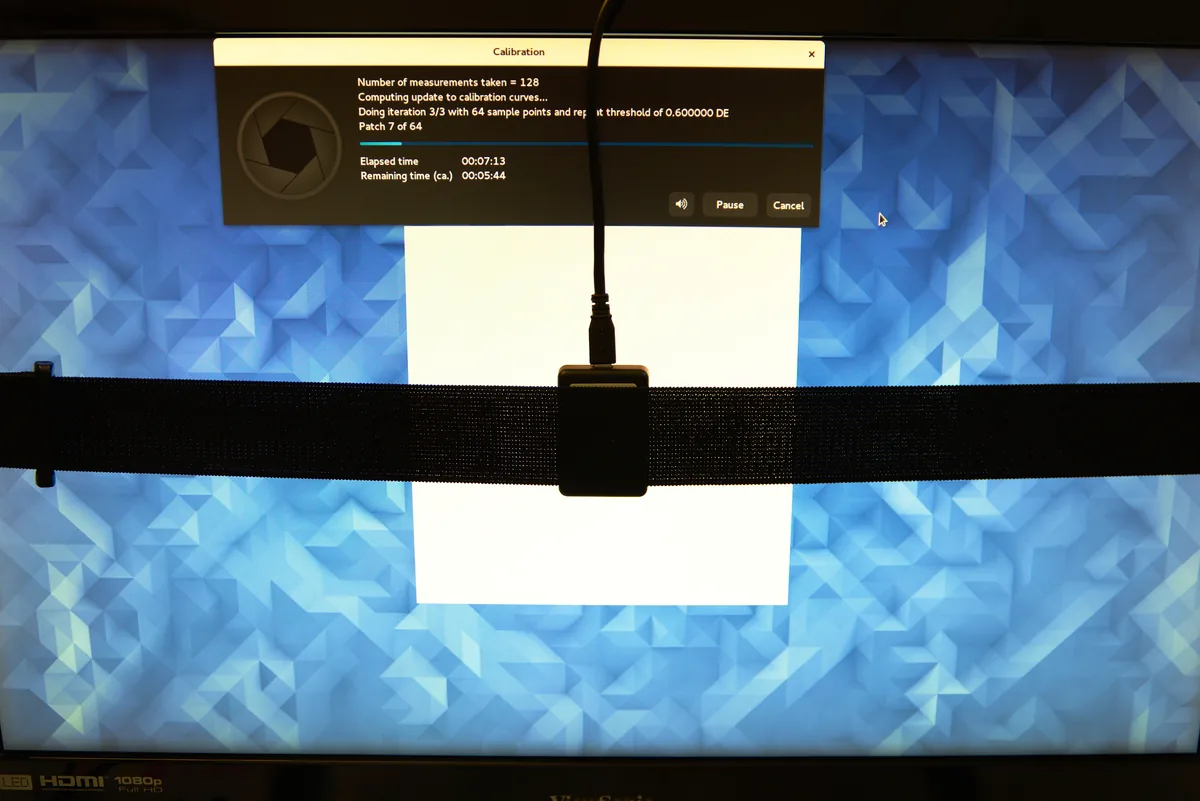
Prepare the viewing environment, choose an SDR target, measure with a compatible sensor and validate the profile before changing your photographs.
Autofocus reference
Compare documented recognition targets on five Sony, Canon, Nikon, Fujifilm and Panasonic models without turning menu lists into a performance ranking.
IBC follow-up
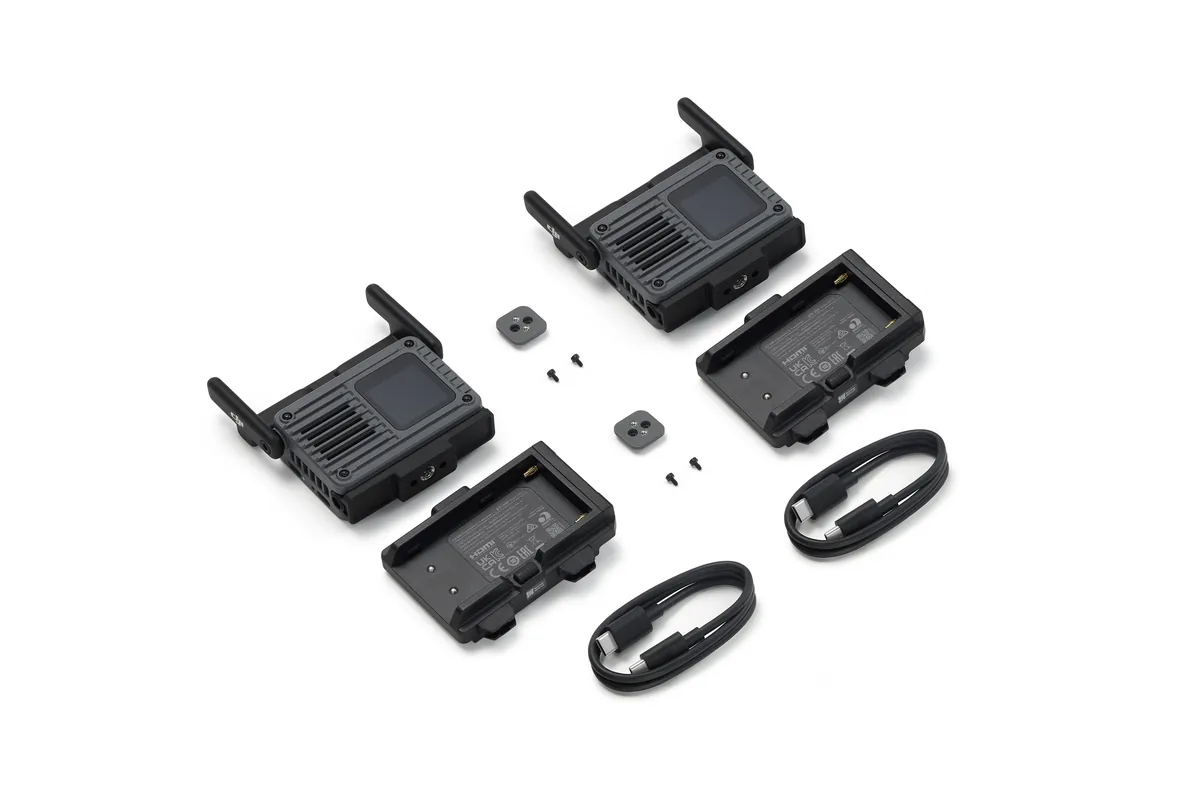
DJI’s September 17 launch adds a switchable transmitter-receiver design. Here is what the specifications mean, and what a crew should test before relying on it.

Practical video guide
Separate capture rate, playback rate and exposure time. Use a short motion-and-lighting test to choose settings that survive the final edit.
Production planning
An announcement, a shipping window and a tested rental kit are different milestones. Build an evidence-based equipment plan with a usable fallback.
Video provenance news
A newly announced project targets video encoding and distribution. Here is what is confirmed, what remains a goal and what editors should ask to see.
Practical video guide
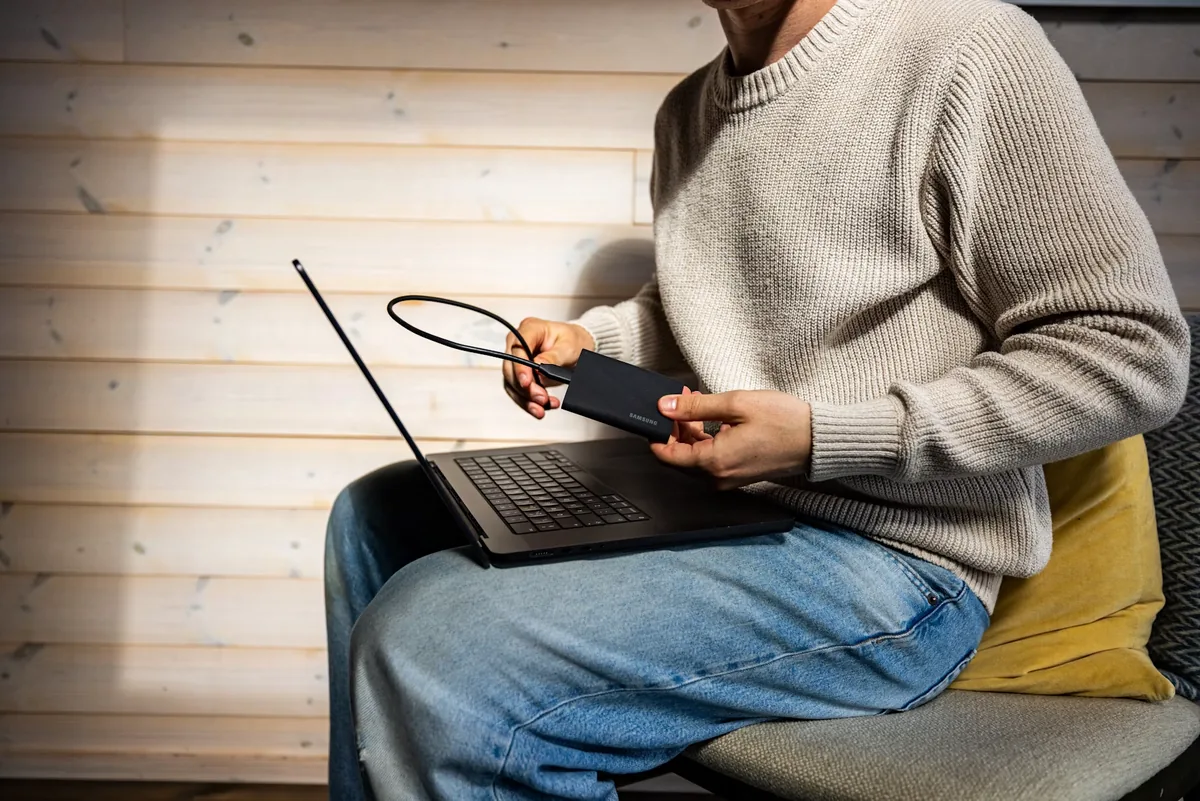
Choose a recording format by following it from camera to edit and delivery. Calculate storage from bitrate, then test the complete workflow.
Production technique
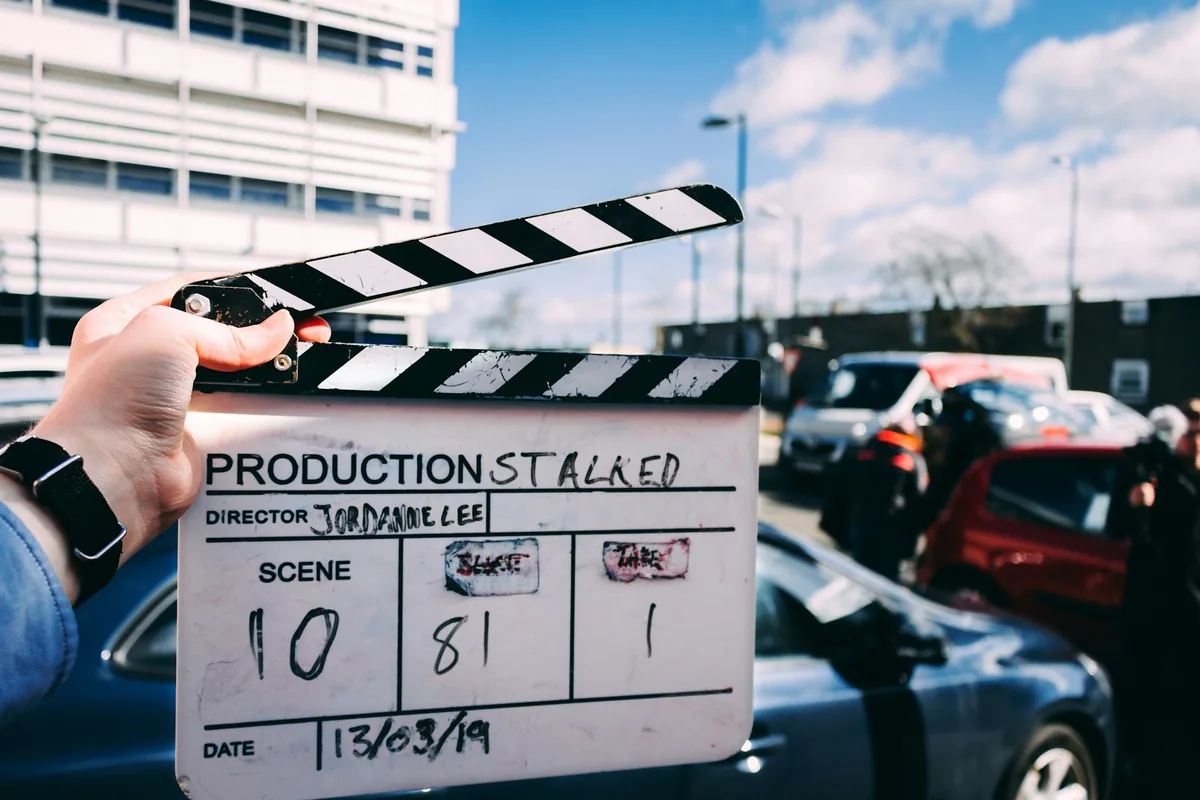
Give the editor three ways to align picture and sound: timecode, a usable reference track and a clear slate. Test both ends of a long take.
Imaging technology news
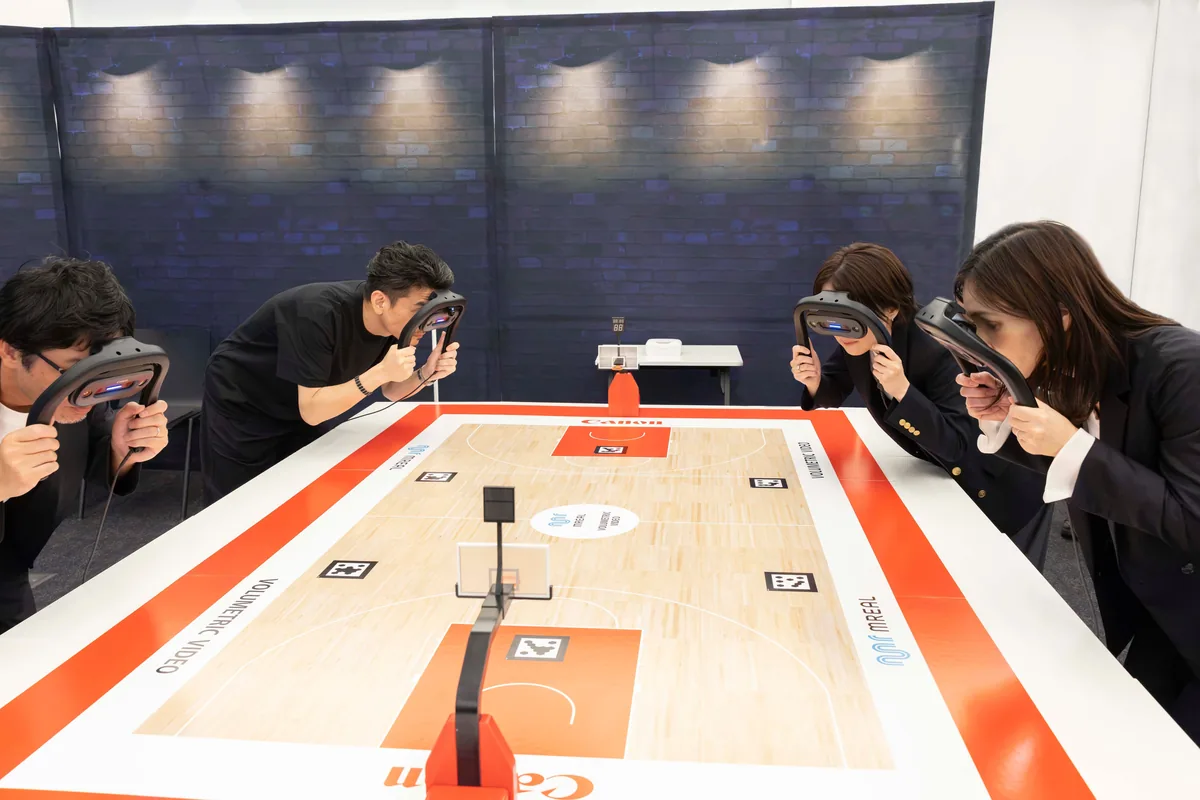
A basketball demonstration separates capture, 3D processing and mixed-reality viewing. What Canon has shown—and what a production team still needs to know.
Practical video guide
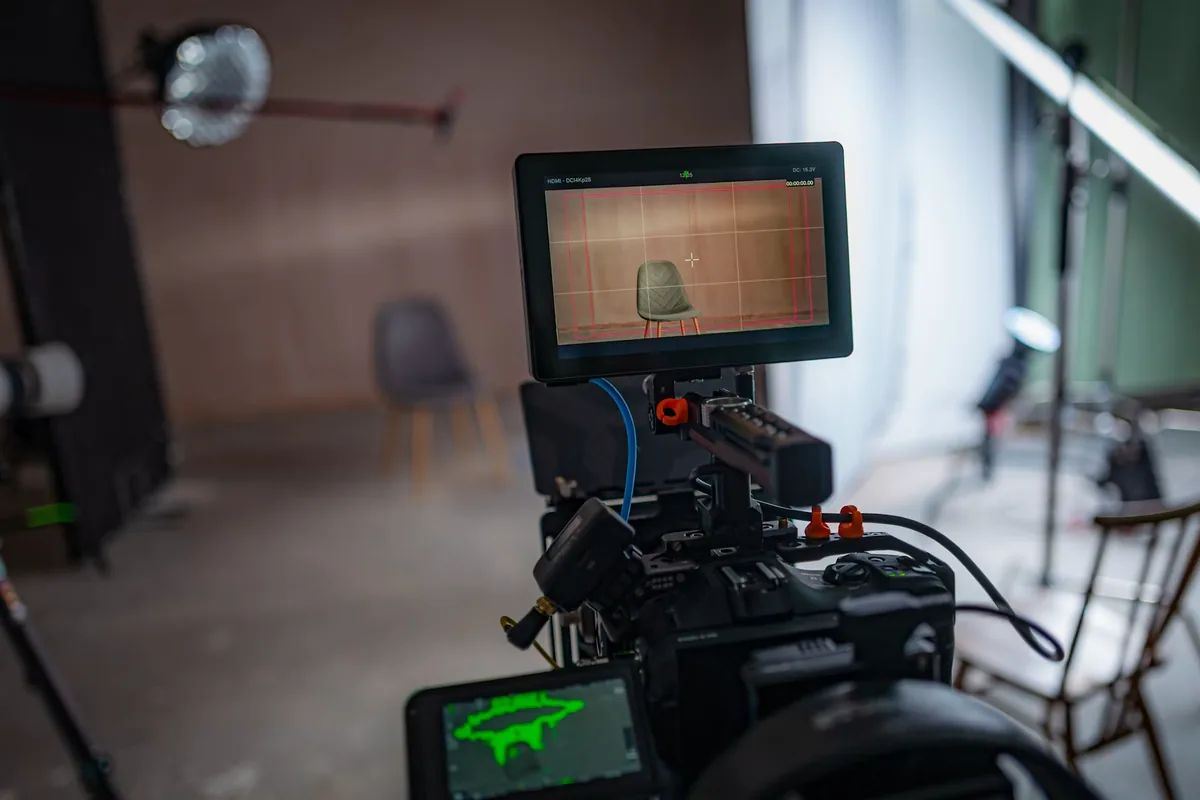
Build a reference exposure, protect the highlights that matter and check the recorded file before adopting an exposure offset for every shoot.
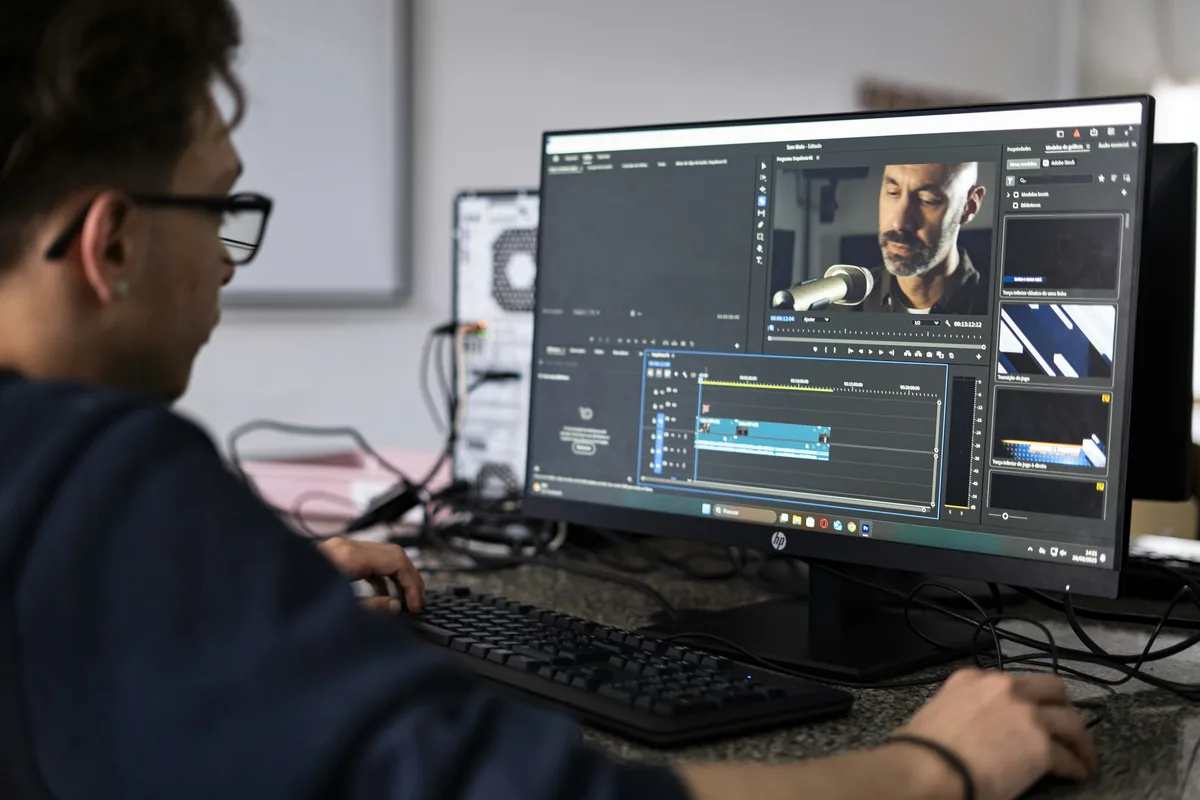
Video monitoring technique
Exposure tools can disagree because they are measuring different signals. Trace the camera-to-monitor path before changing the light or lens.

Editing workflow
Keep document, display and printer profiles separate. A practical workflow for sRGB web delivery, print soft proofs and troubleshooting unexpected color shifts.

Imaging industry news
The September 23 closing brings Topaz into Adobe. Standalone products remain; a workflow checklist separates confirmed plans from assumptions about subscriptions and image quality.
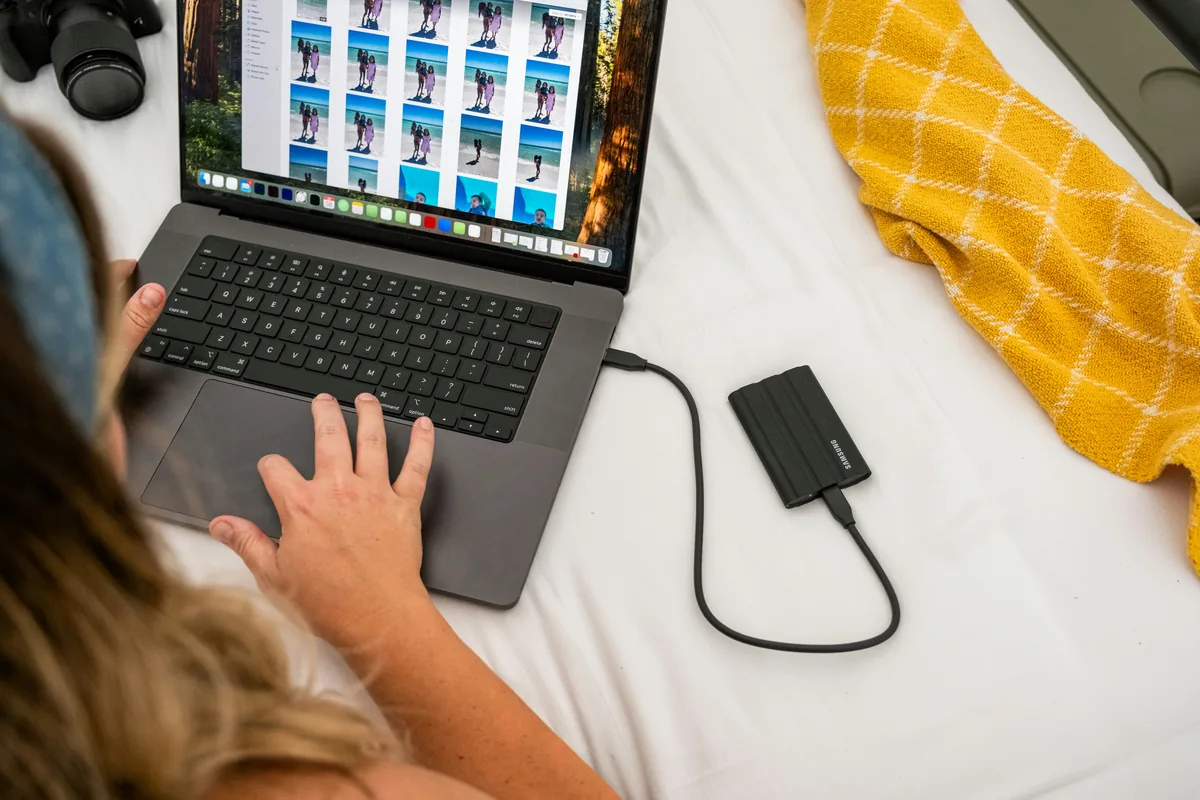
Backup verification
A finished progress bar is not the final check. Compare the files, open a restored copy and make sure your originals—not just previews—are protected.
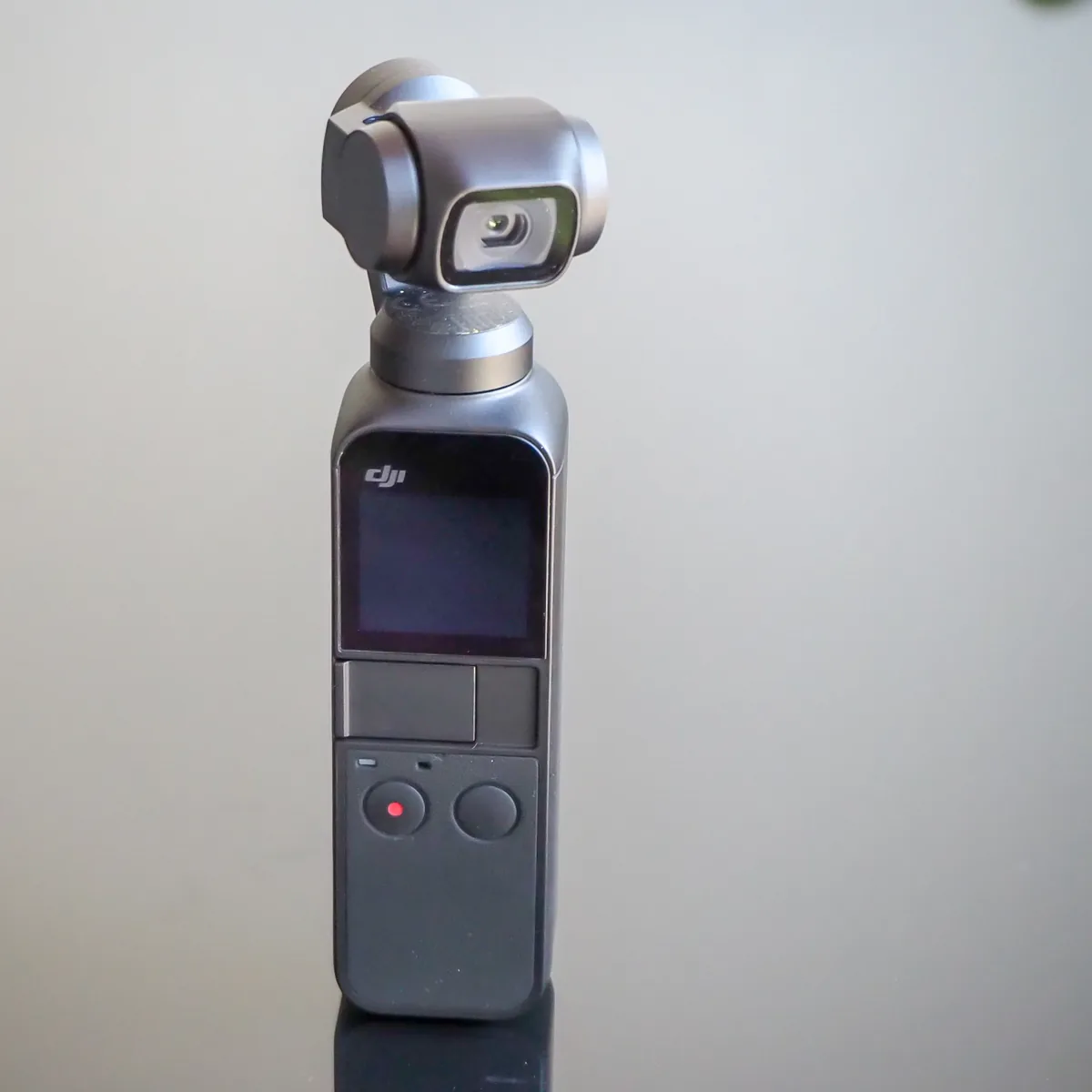
Video field guide
A five-shot rehearsal exposes the real trade-offs: carrying weight, framing, walking movement, sound and the time needed to get a usable take.
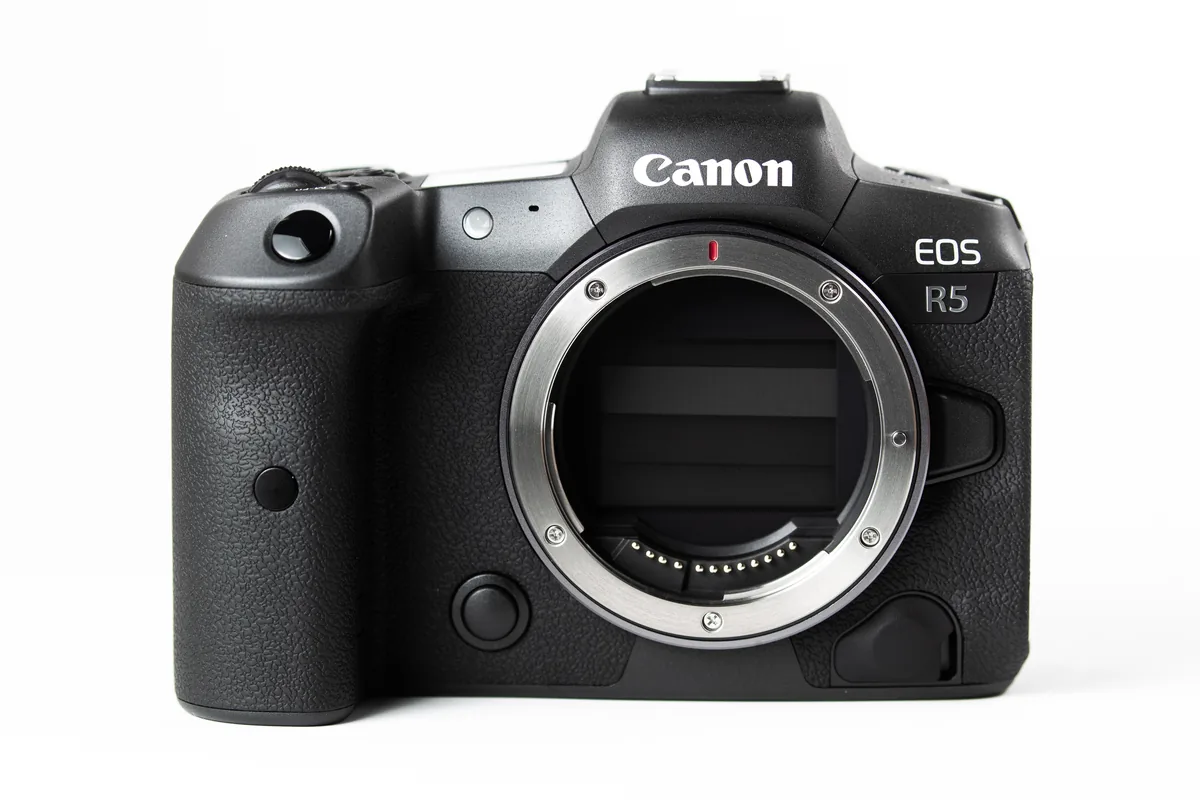
Production workflow
Resolution is only the starting point. Rehearse a real take, calculate capacity from bitrate and test the path from memory card to final export.
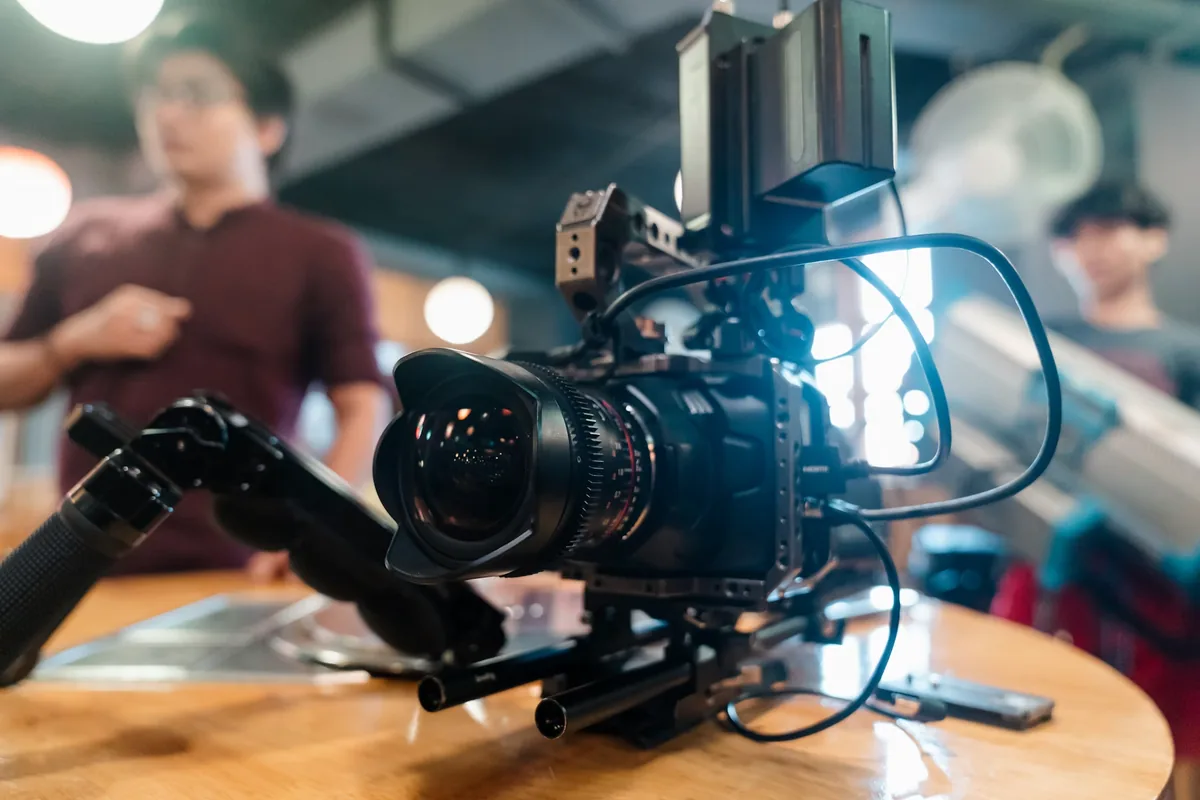
Video guide
Focus control, aperture markings and rig compatibility matter more than the word cinema. Choose the lens around your crew, movement and delivery.
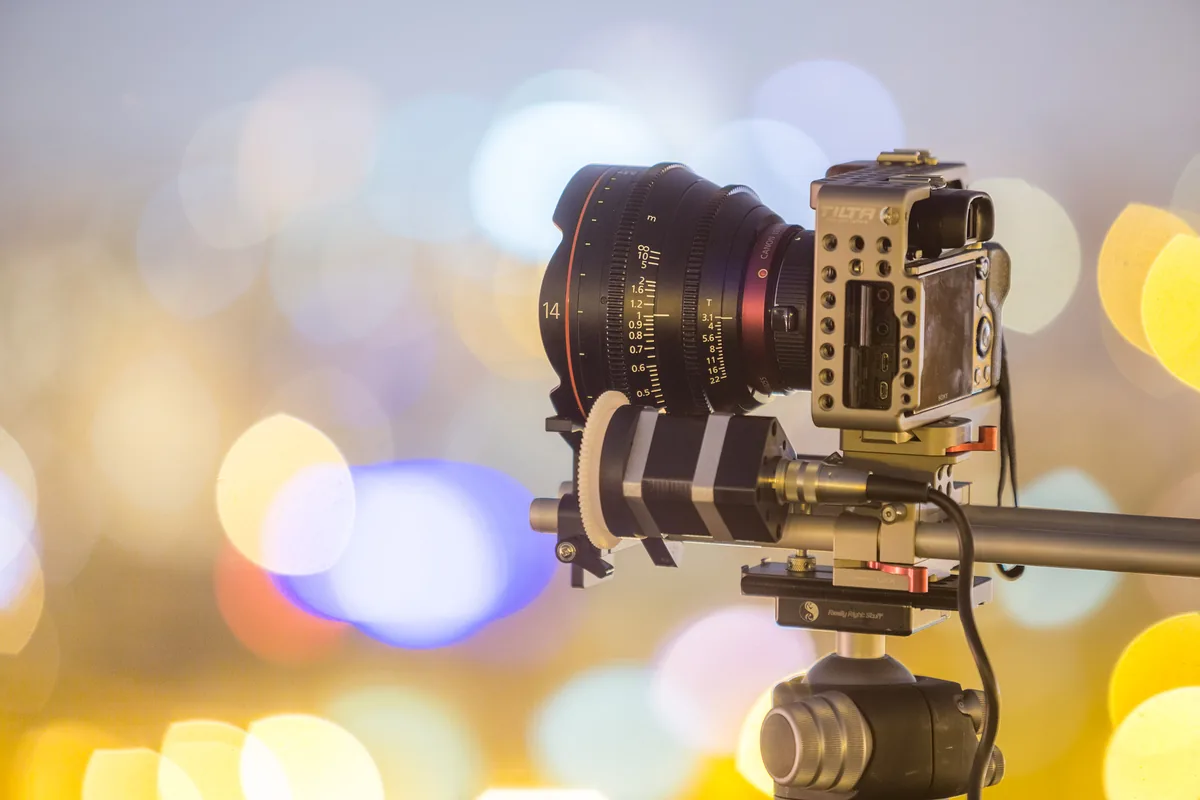
Video technique
When a focus pull seems to zoom the picture, the lens may be breathing. A short tripod test reveals the effect—and whether correction is worth the crop.

Camera launch
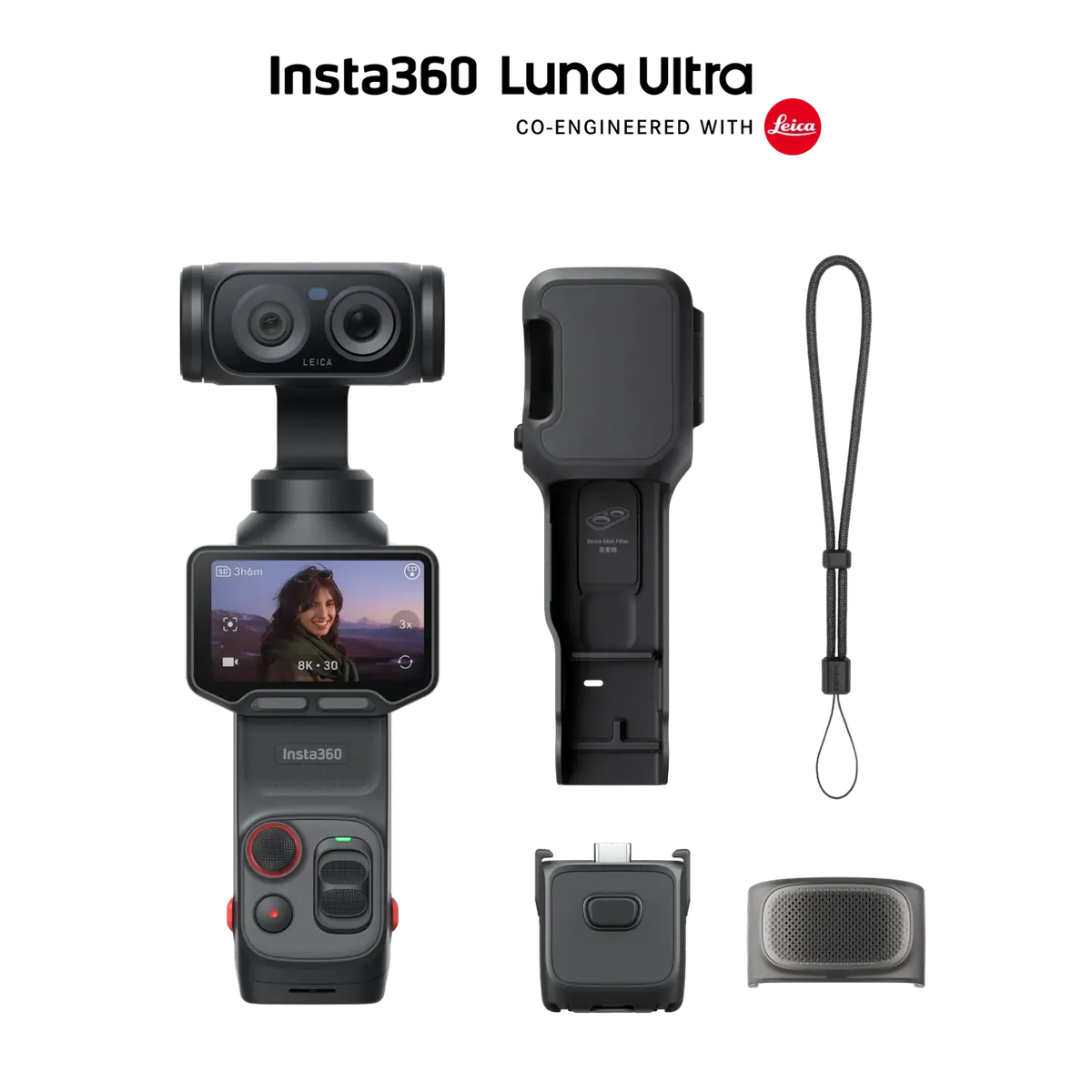
The Leica-co-engineered pocket camera went on sale September 10. Its detachable screen and portrait recording matter more to everyday filming than the 8K headline alone.
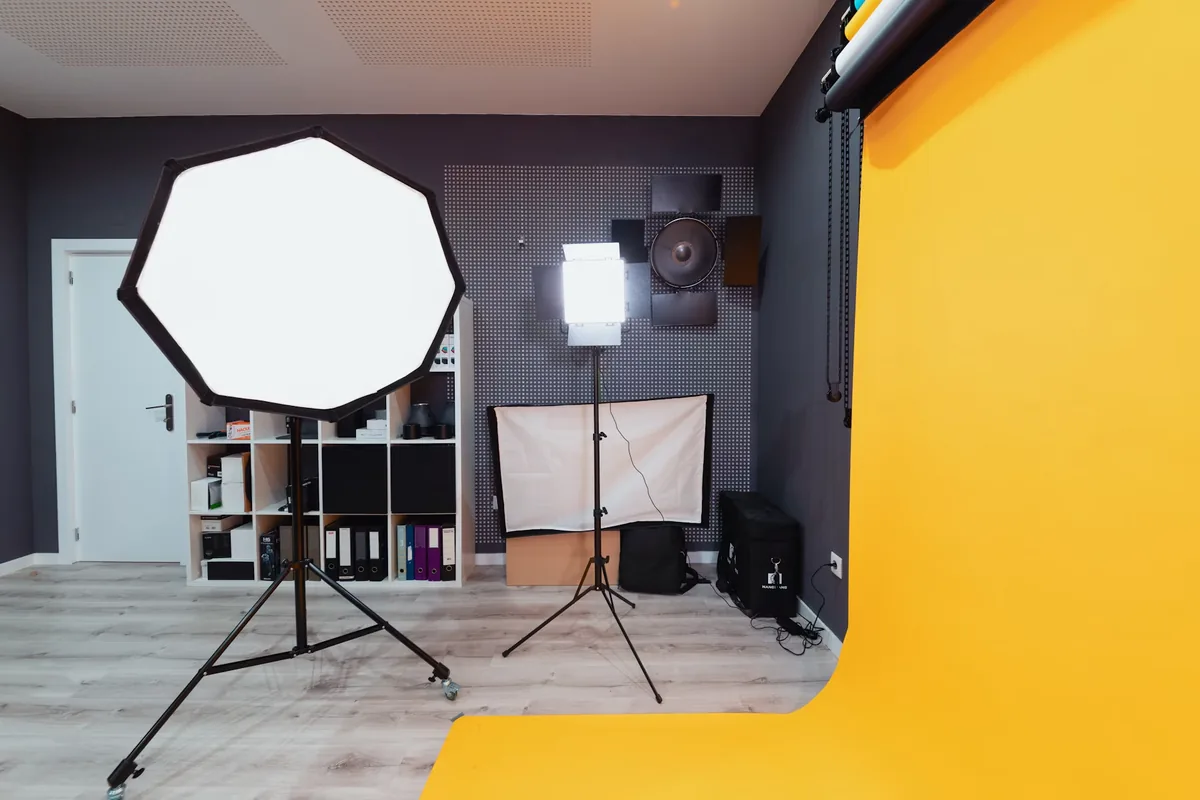
Video fieldcraft
Start with a short recording test, match exposure timing to the light and know when changing the lighting matters more than following the 180-degree shutter rule.
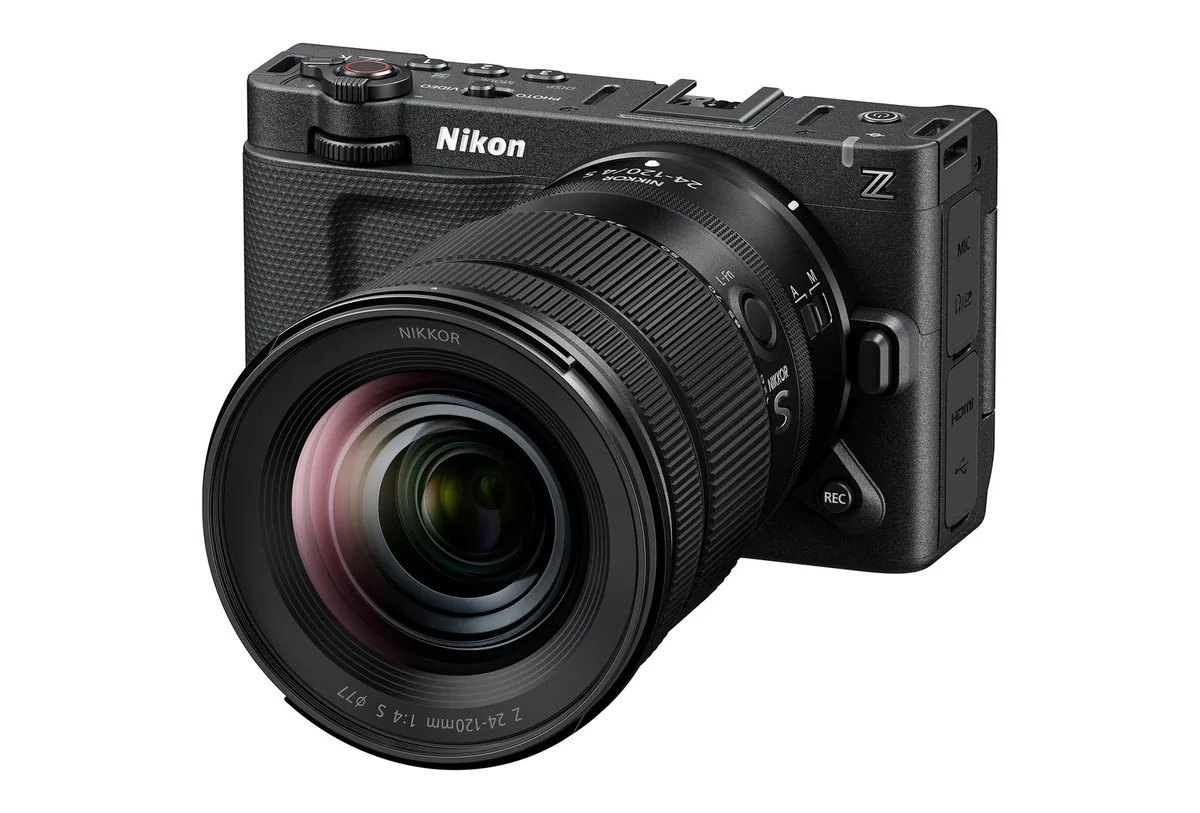
Firmware roadmap
Nikon’s September 8 announcement separates practical recording improvements planned for 2026 from an open-gate and anamorphic roadmap aimed at 2027.

Night photography
Low light becomes manageable when the photographer protects highlights, chooses which darkness to keep and gives color a stable reference.
Video field guide
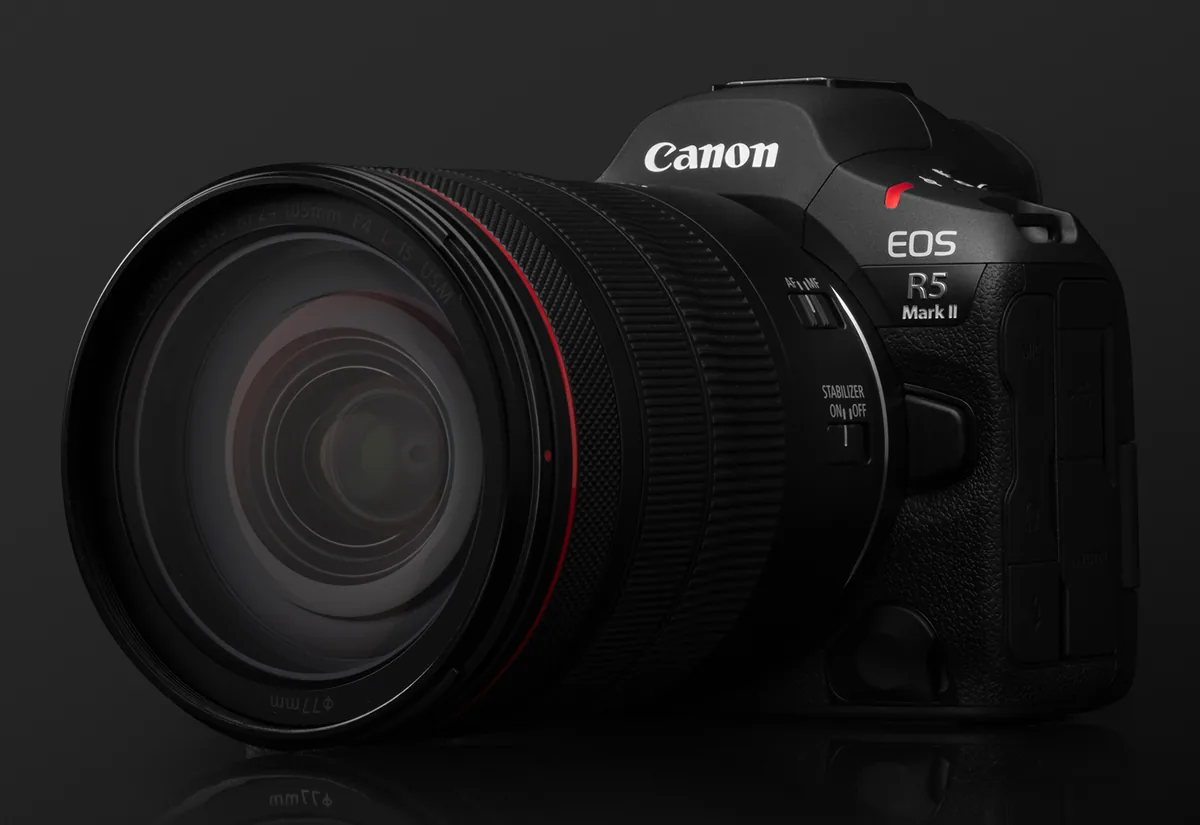
A dependable interview is built before recording: define the axis, match exposure and color, protect the edit and capture sound that can survive a cut.
Video field guide
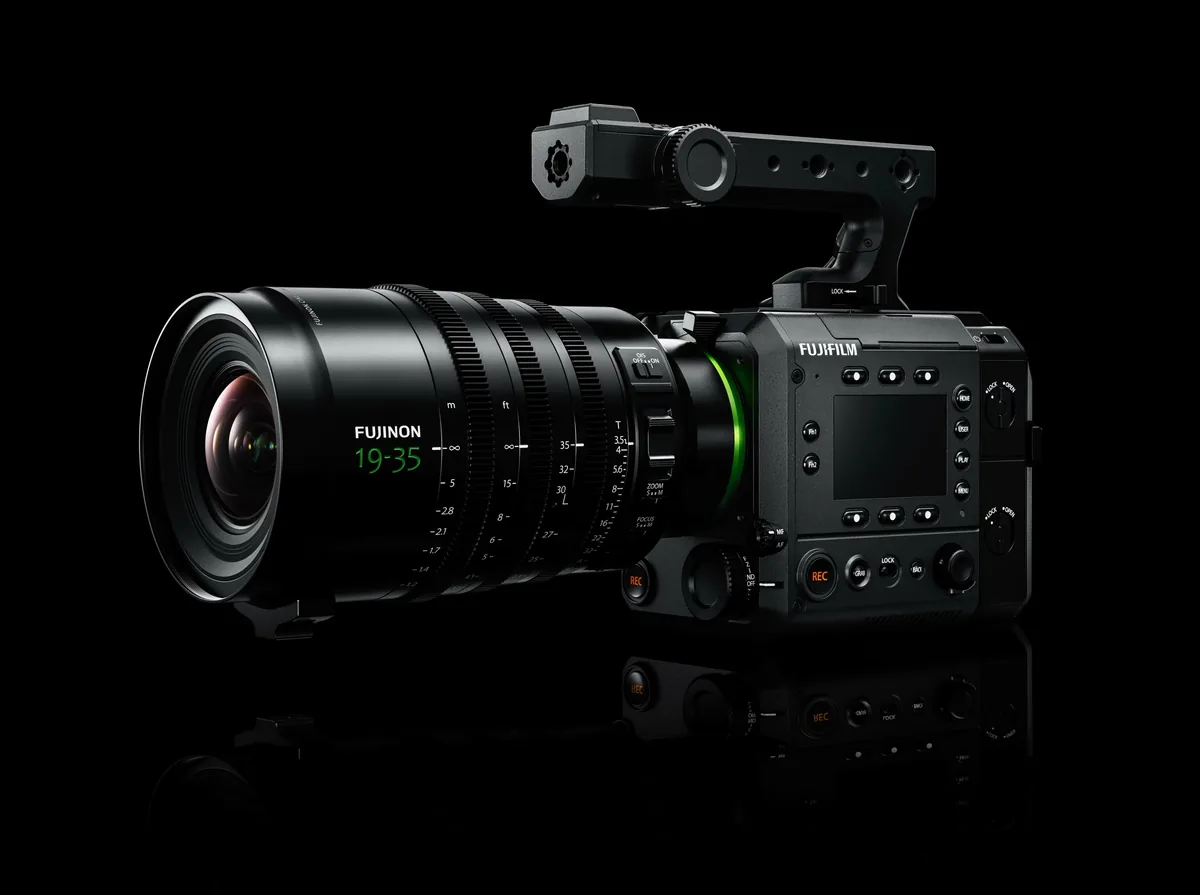
A cinematic image is built from controlled motion, intentional depth, protected highlights, coherent color and sound—not a single frame-rate preset.
Imaging technology
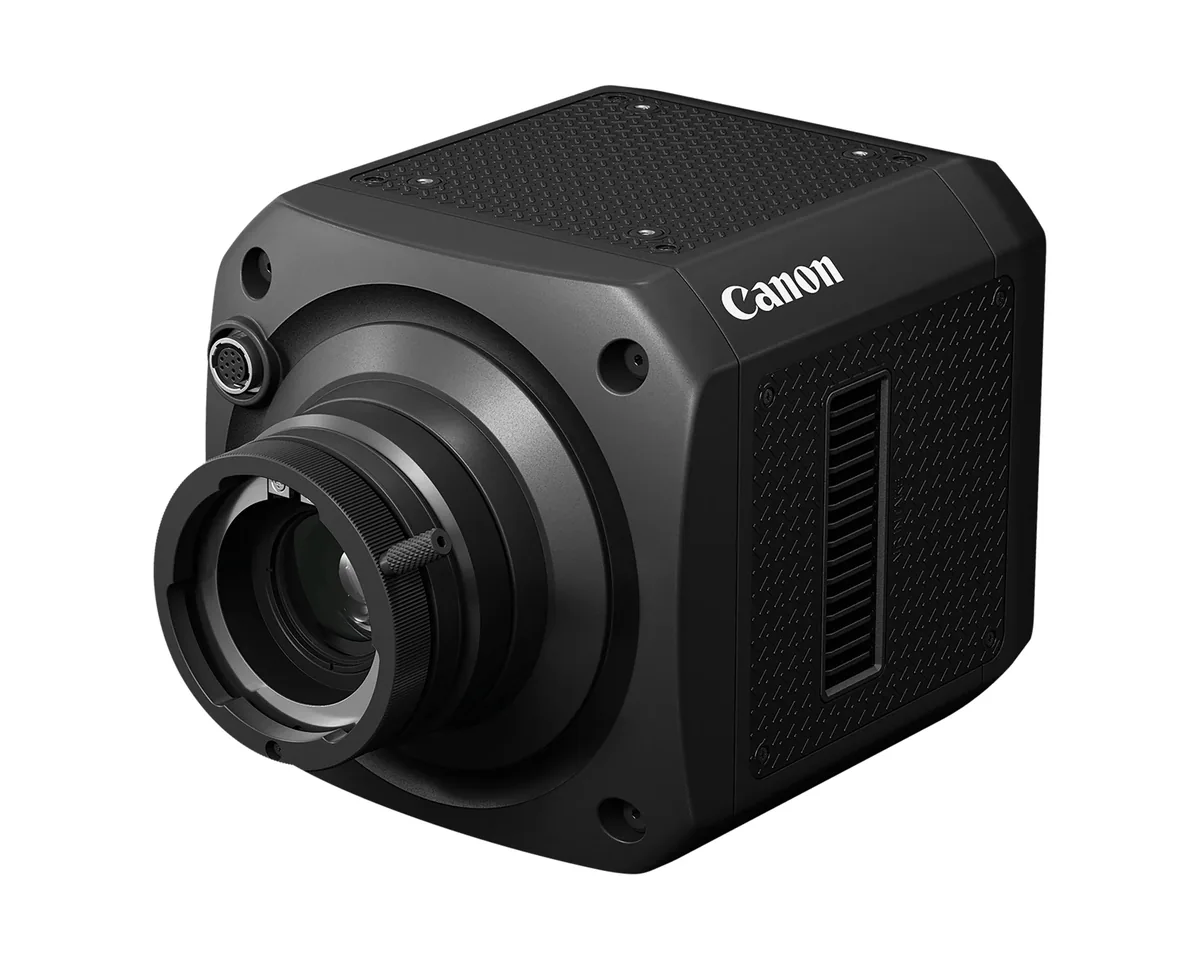
A 3.2-megapixel SPAD sensor counts individual photons to produce full-color Full HD video where conventional cameras struggle to see.
Technique
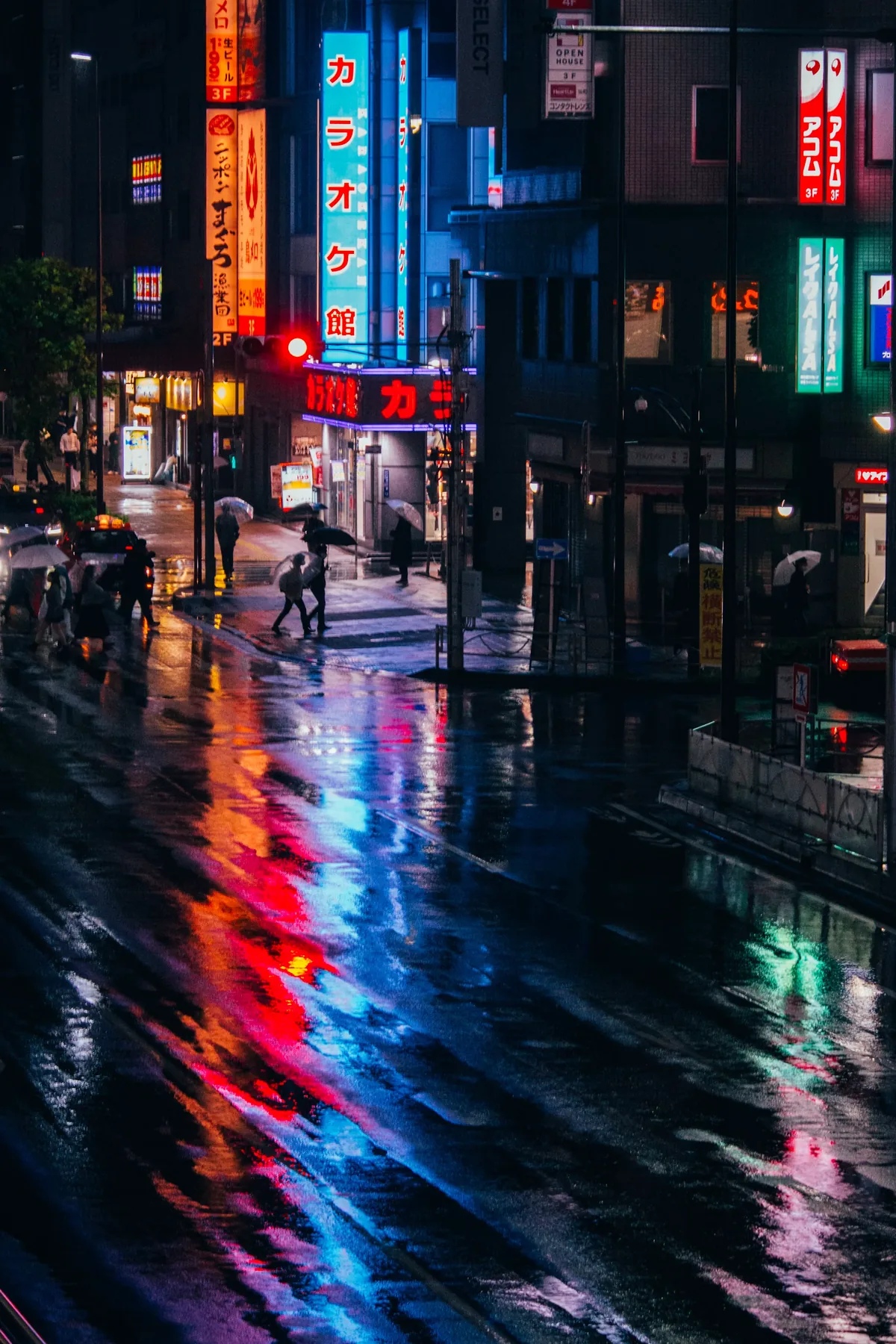
Expose for the signs, use the pavement as a second light source and let a little blur carry the weather.
Camera launch
A one-inch main sensor, detachable OLED screen and three-axis stabilization aim at creators who want a complete moving-camera kit in one hand.
Workflow
Modern in-camera color is excellent, but file choice should follow deadline, exposure risk and how far the image must travel.