What became public this week
IPTC announced on September 28 that an IBC technical paper about C2PA provenance in media workflows is publicly available. Its authors are Marianne Fjellhaug of Media Cluster Norway, Marcos Armstrong of CBC/Radio-Canada and Brendan Quinn of IPTC, supported by the organization’s media-provenance working group. The paper describes a common workflow from capture and ingest to publication and distribution, with attention to editorial decisions, possible metadata loss and organizational signing. It includes planning templates and an implementation roadmap. This is the release of a workflow paper, not the launch of a camera, a new C2PA specification or evidence that every newsroom has adopted its approach.
The useful question is where information changes hands
For a picture desk, our reading of the announcement is that the useful unit of investigation is the handoff. A photographer supplies a file; an editor creates a derivative; a publishing system produces another version; a distribution service delivers it. A credential visible at the beginning does not, by itself, establish what a reader receives at the end. Before purchasing anything, a small team can list those handoffs and assign someone to check the actual output of each one. Keep the original file and the exact delivered derivative available for comparison. This is an editorial starting exercise, not a claim that the paper requires a particular software stack.
Separate a valid record from a verified event
C2PA’s own explanation draws an essential boundary: provenance supplies evidence about an asset’s history, not a verdict on the truth of its contents. A valid record can therefore be useful without answering whether a caption accurately describes the scene. Conversely, the absence of Content Credentials does not establish that a photograph is fabricated. Our suggested intake note should record credential status separately from reporting checks: who supplied the material, what the source says it depicts, what independent evidence supports that account, and what remains unresolved. Collapsing those questions into one green or red label would remove information the editor still needs.
Make a small test set before rewriting the workflow
An achievable first exercise is to select a few non-sensitive test assets with known origins and documented permissions, then send copies through the normal editing and publishing path. Save the output at each stage. Record which tool and version made each derivative and what the verification interface actually reports. Include a file without credentials so staff can practice handling uncertainty without automatically rejecting legitimate material. Do not place confidential source information into an experimental public upload. The aim is a reproducible record of what your own systems preserve or fail to expose, not a demonstration designed to look successful.
Name the owner of each unresolved handoff
Our practical recommendation is to finish that exercise with a short issue list: the affected step, a sample file, the observed behavior, the person responsible and the next test. A technical team needs reproducible files; a picture editor needs to understand the editorial consequence; a publisher needs to know what reaches the audience. Distinguish a credential that an interface does not display from a credential that a proper check cannot find. Also distinguish an intentional editorial transformation from an unexplained change. Those distinctions make a vendor conversation more useful than a broad request to “add authenticity” to the site.
A framework to evaluate, not a badge to advertise
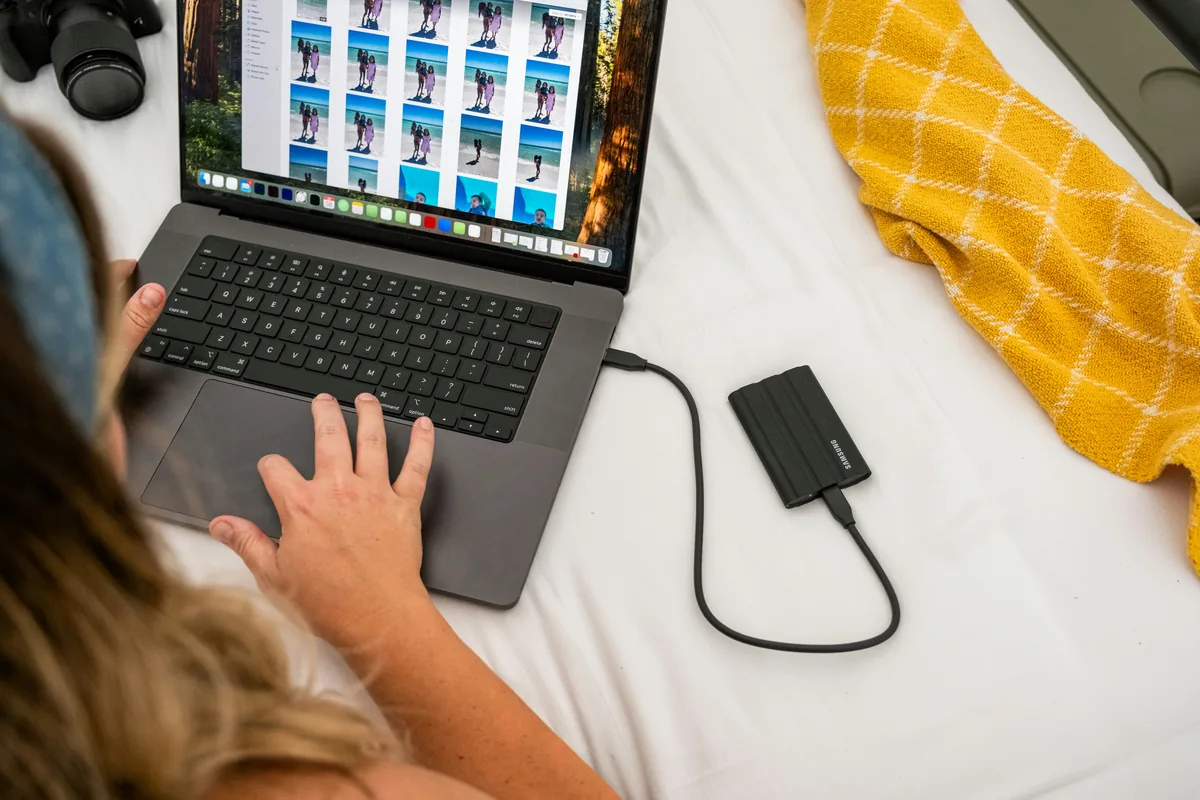
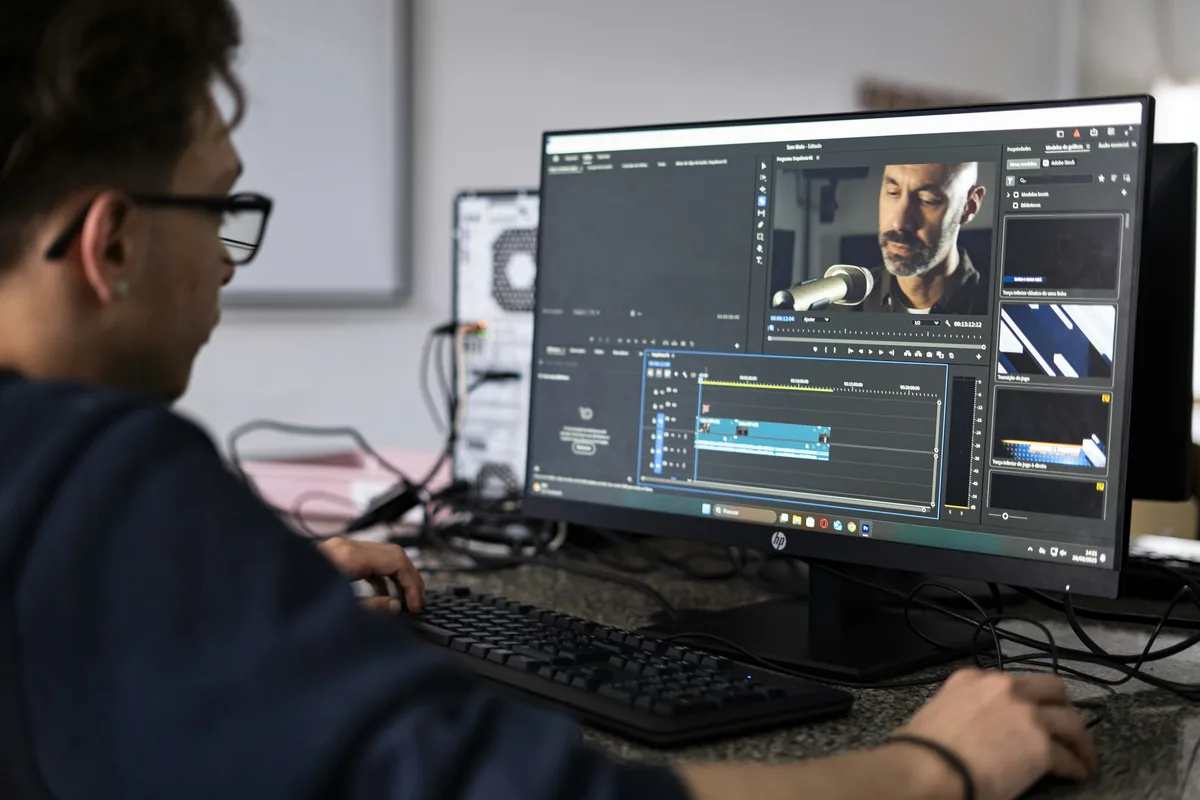
The immediate development is access to the paper and a common basis for discussion. IPTC describes ingest triage that considers provenance alongside other signals, rather than treating it as a standalone judgment. Our conclusion is modest: use the release to test a real publishing path and document its limits before making audience-facing promises. The photographs here illustrate media ingest, file handling and editing; they are not images of the authors’ project or evidence of C2PA support in the pictured equipment. For a separate implementation example, see our coverage of the AFP–Dalet news-video pilot.