The announcement, not a finished rollout
AFP and Dalet announced a partnership on September 23 at the Media Provenance Summit in Bergen, Norway. Their engineers intend to build a proof of concept that applies C2PA Content Credentials to news video during encoding and distribution, with completion planned for the first quarter of 2027. The objective is to deliver video to broadcasters with verifiable origin and history information. The partners also plan to examine the commercial and legal considerations of wider implementation. This is a development project, not confirmation that every AFP video now carries credentials. No public USD price or general commercial availability date was provided in the announcement.
The useful question is what survives the handoff
For a video desk, the practical challenge is not simply attaching information to one file. A sequence may pass through an ingest service, an editing system, an encoder and a delivery platform. Each recipient needs to understand what it received and what happened before that point. Our assessment is that the proposed encoding-and-distribution focus makes those handoffs the important part of a future demonstration. A badge on a source clip alone would not establish that the final broadcast or online version exposes a useful history. Ask to inspect the actual delivered file and the information available to its recipient.
What a credential can and cannot establish
C2PA describes a cryptographically bound record of provenance, including assertions about origin and changes. Validation concerns the record, its signer and its relationship to the asset; it does not decide whether the filmed event, caption or interpretation is true. A genuine recording can still be presented out of context. Equally, missing credentials are not sufficient evidence that a video is fabricated. Editors should preserve ordinary verification: source contact, location checks, chronology and corroboration. The technology adds a structured form of evidence to that process rather than replacing editorial judgment with an icon.
A proposed acceptance test for a newsroom
Before adopting any new provenance workflow, we suggest preparing a small test package with an original clip, a trimmed version, a captioned version and an intentionally unsupported export. Send each through the proposed production chain. At the destination, record what can be inspected, which organization signed it, what transformations are represented and how failures appear. This is our suggested evaluation method, not a test reported by AFP or Dalet. A useful pilot should make a broken or incomplete chain understandable to a busy operator, not merely show the successful path on a presentation slide.
Keep the reporting record alongside the media
A small team can prepare now without purchasing a new system. Preserve camera originals and source notes, assign stable project identifiers and document which file was delivered. Keep captions separate from assumptions: a timestamp or filename should not become a location claim without supporting reporting. Work out who may approve a corrected version and how that correction reaches the recipient. These practices remain useful when software cannot read a credential. They also give a team a concrete baseline against which to evaluate an eventual pilot: does the new system make an important handoff easier to inspect or just add another interface?
What we will look for next
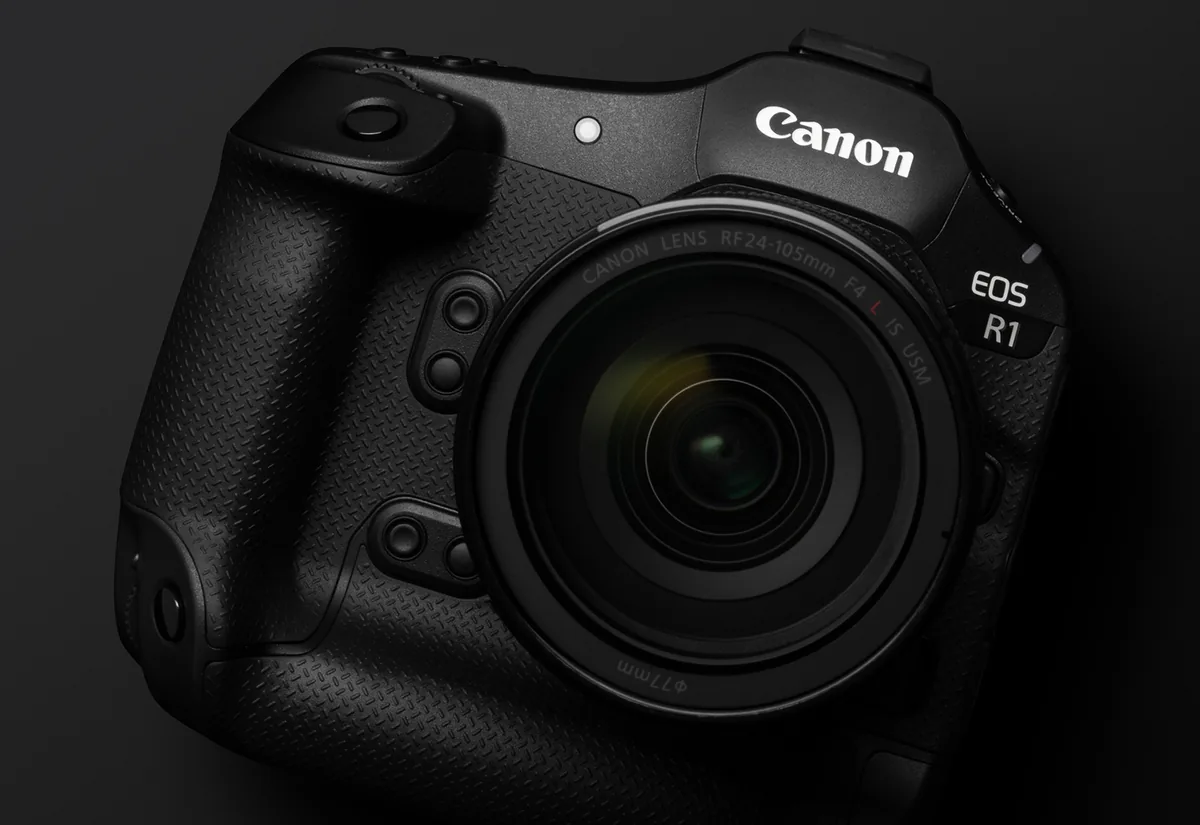
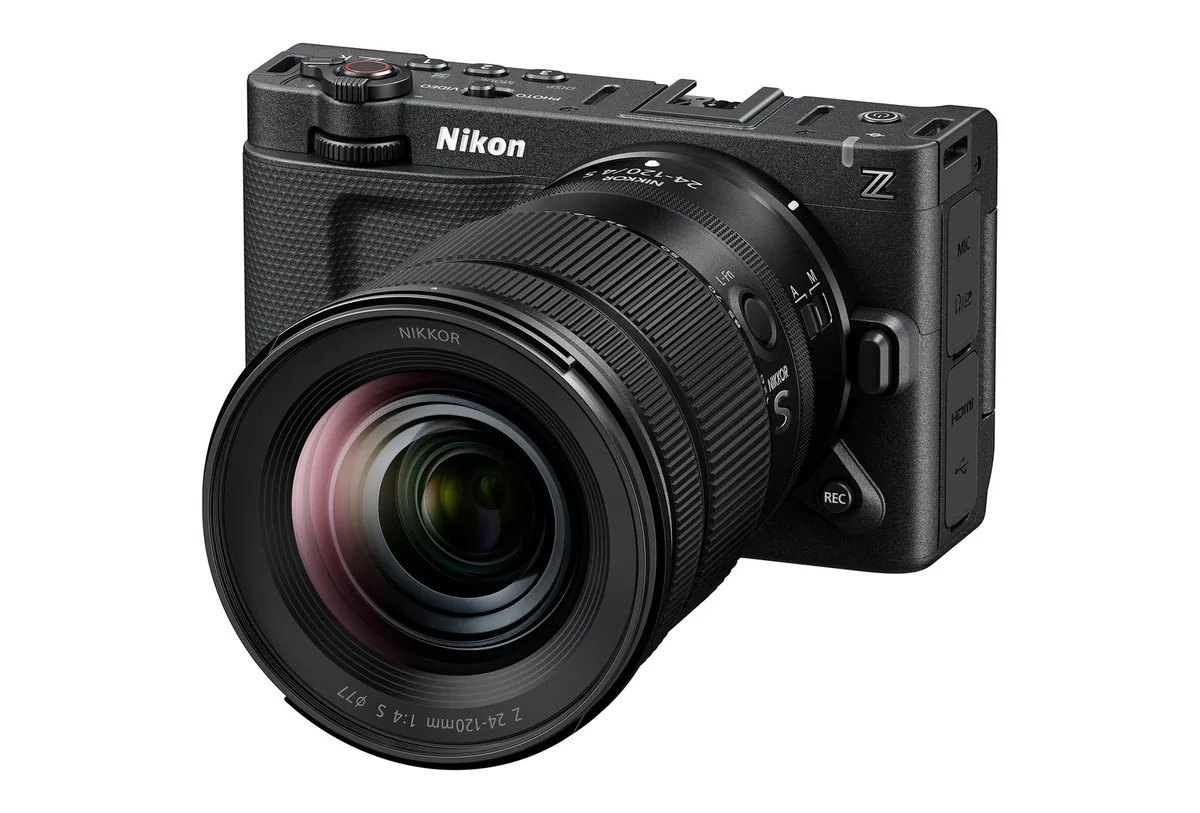
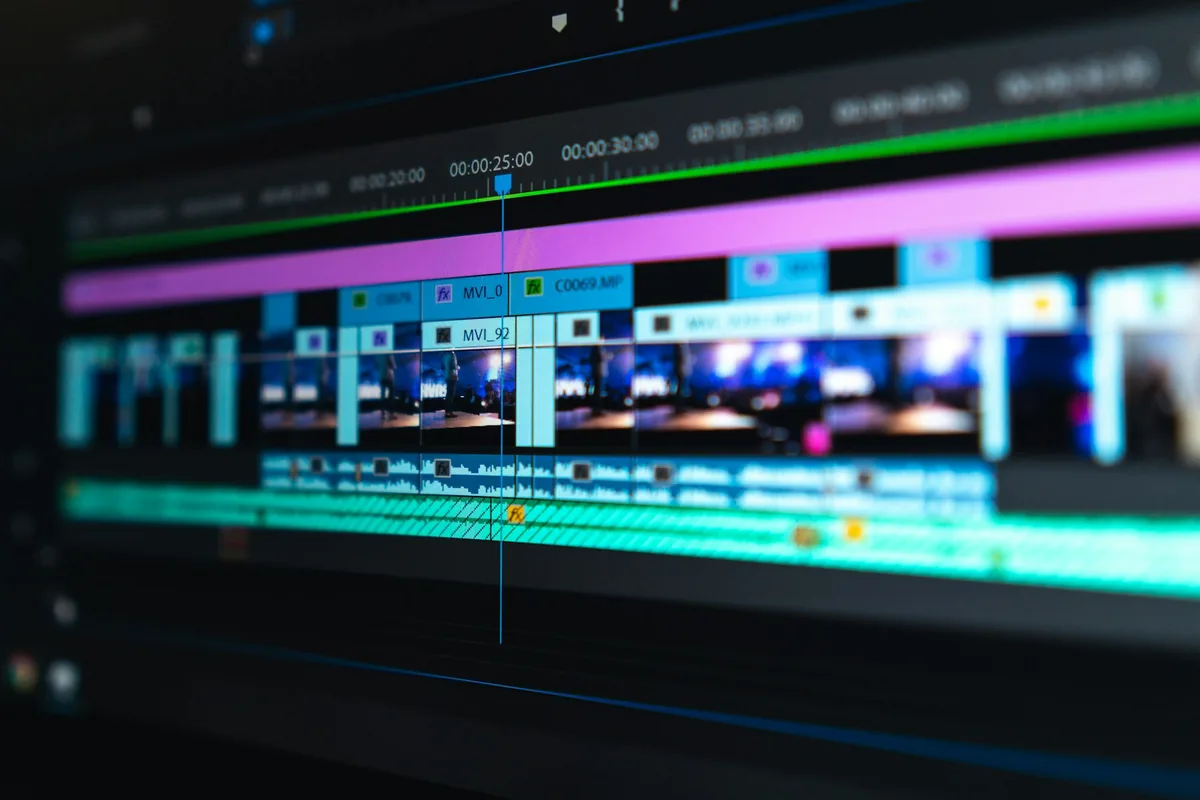
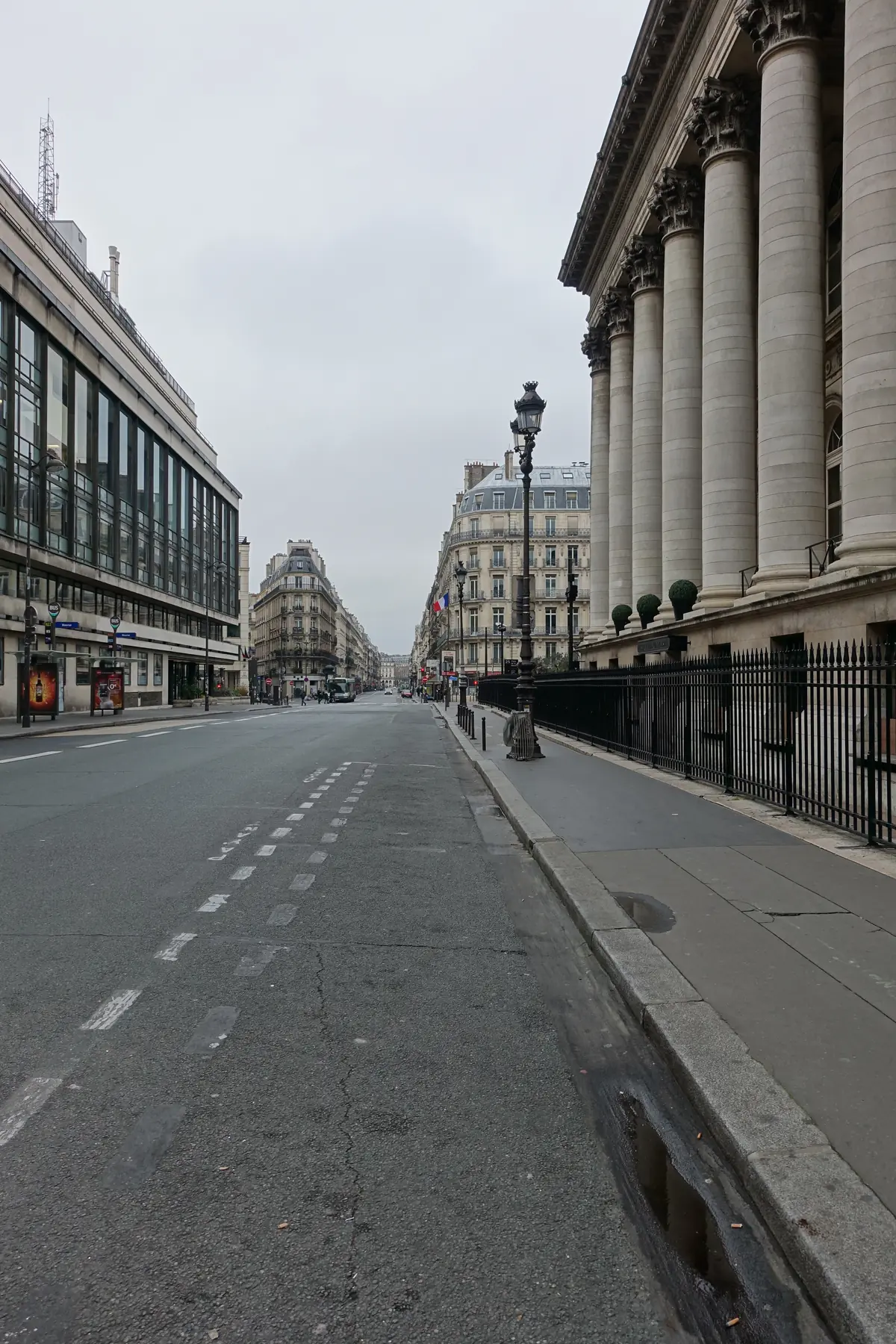
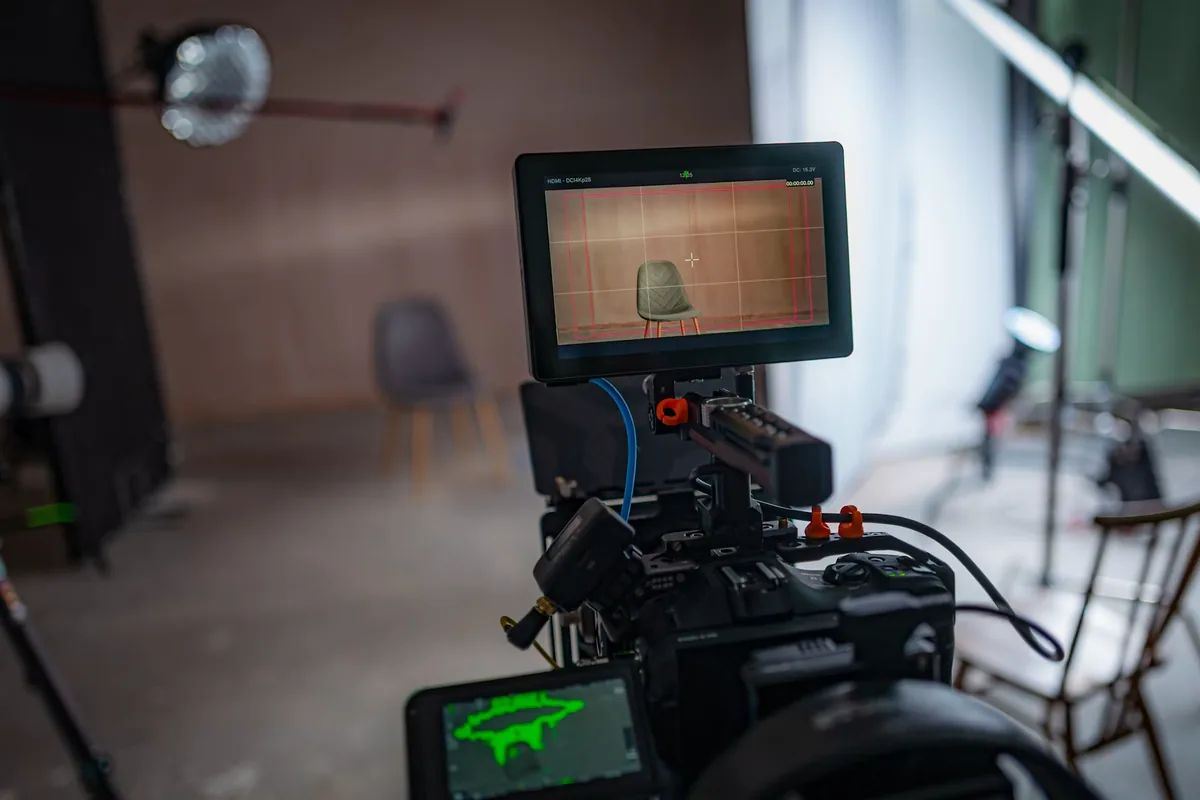
The next meaningful evidence is a documented demonstration with explicit supported formats, failure behavior and a clear distinction between a test and a production service. Editors should also ask who can view sensitive provenance fields before distributing material involving vulnerable sources. That is a workflow question to resolve with the responsible people, not a claim that this project exposes such data. Our photographs show general editing work and archive AFP headquarters context; none depicts the pilot, its user interface or a successfully verified file. Until inspectable results arrive, the announcement should be read as a direction of work, not a guarantee of universal video authenticity.