Begin with what is visible
A caption should first tell the reader who is doing what, and where. Use full names when identification is safe and relevant. Describe the action in the present tense for a published photograph, then provide the date and location with enough precision to be useful.
Add information the frame cannot carry
The second sentence can explain why the event matters, what happened immediately before or after, or how the scene connects to a larger story. This context must be reported, not guessed. A caption earns trust by separating observation from verified information.
Avoid interpreting a face
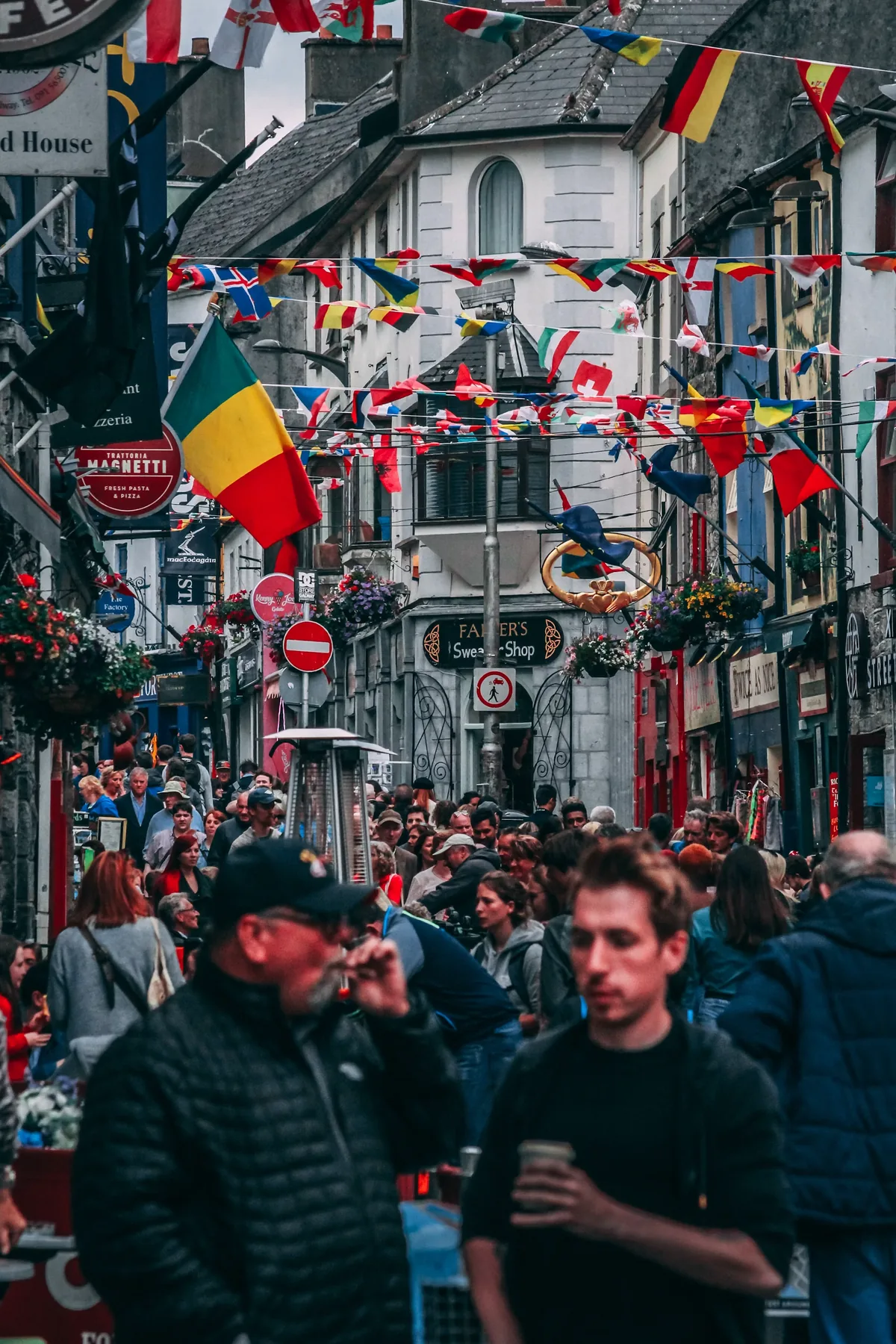
Expressions are easy to misread. Unless a person has described their feelings, do not label them as angry, grieving or afraid. Write the observable gesture and the documented circumstance. Precision is not cold; it leaves less room for a photographer’s assumptions to replace a subject’s experience.
Record details in the field
Names, spellings, ages, roles, locations and contact information are hardest to reconstruct later. Make notes immediately after photographing, record short voice memos or photograph a notebook page between scenes. Protect sensitive details and explain how the image may be used.
Use a repeatable check
Before publication, compare the caption against the frame and reporting notes. Verify every proper name, date and number. Remove claims the photograph does not support. Then ask one final question: does the caption help a reader understand the person as a person, or has it reduced them to an illustration?
A newsroom-ready caption pattern
A reliable working pattern is simple: first sentence, identify the visible action, people and place; second sentence, add the verified circumstance or consequence; final clause, give the complete date when publication context requires it. Keep uncertainty explicit with phrases such as “according to” or “could not be independently confirmed,” and never let a polished sentence hide a reporting gap. Save original notes with the image identifiers so another editor can retrace the information. A good caption is concise, but its confidence comes from a record that is much more complete than the words readers finally see.