A chain of custody for pictures
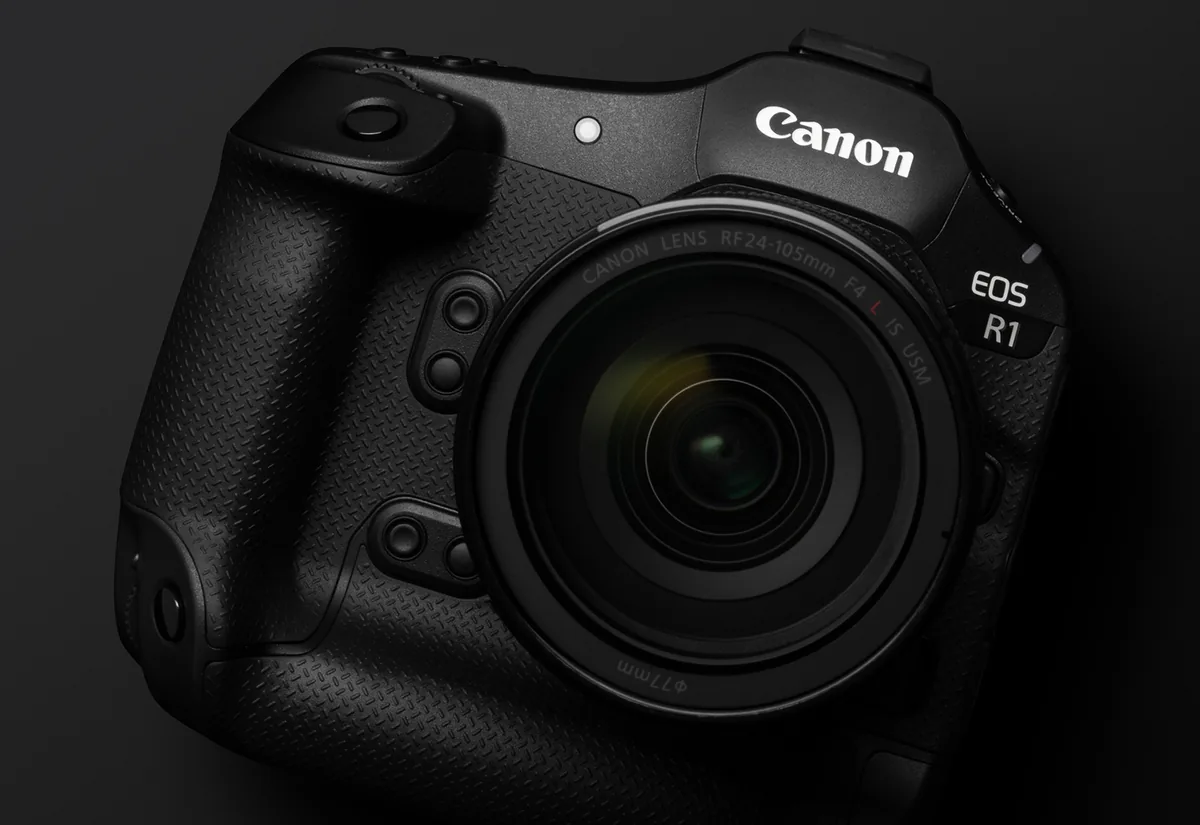
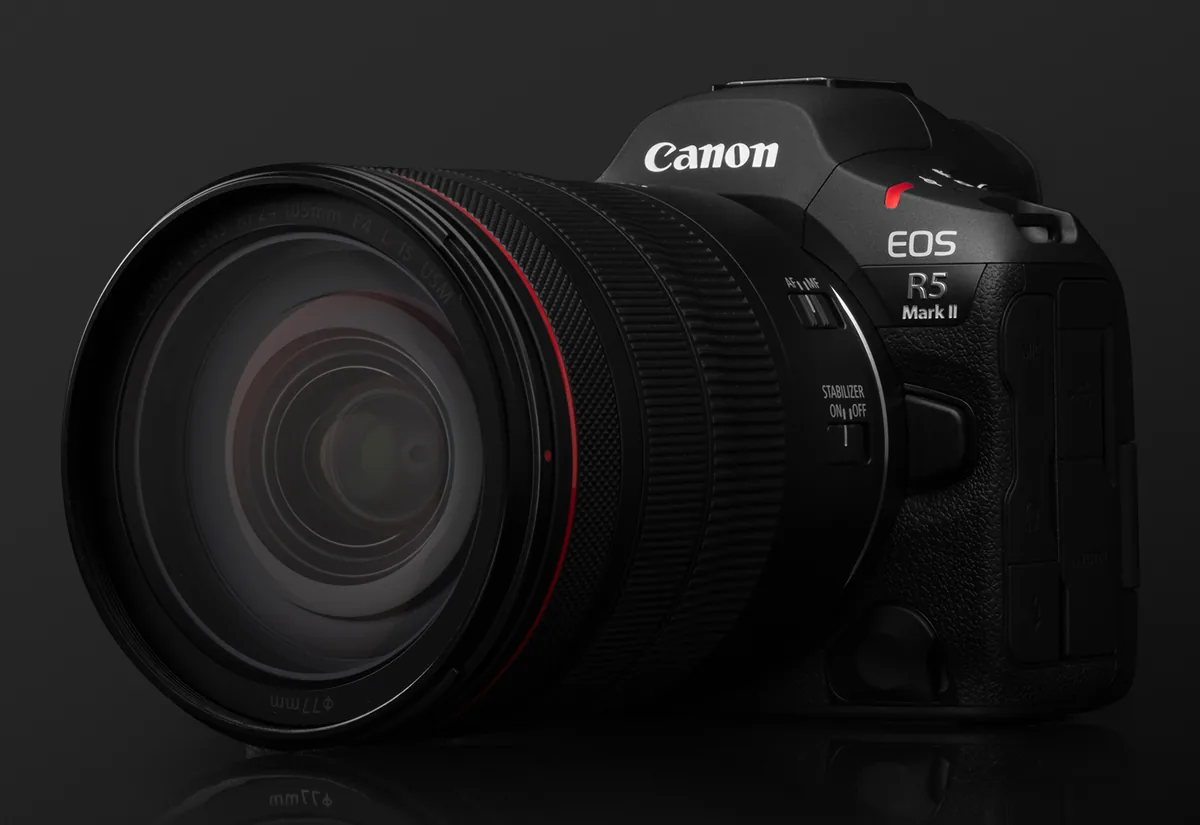
Canon’s Authenticity Imaging System brings content credentials to two professional mirrorless cameras. When activated, the camera can attach signed provenance data at capture and preserve a record of supported edits through the workflow. The initial European rollout supports the EOS R1 and EOS R5 Mark II.
What provenance can establish
A valid credential can help a newsroom verify that a file originated from a particular compatible camera and inspect the changes recorded afterward. That is useful when an image has passed through several hands or when a false version is circulating online. Canon says Reuters contributed to testing the system in professional workflows.
What it cannot establish
Provenance does not prove that a scene was staged honestly, that a caption is accurate or that the photographer stood where they claim. A camera can sign a misleading picture just as easily as a responsible one. The technology strengthens chain-of-custody evidence; editorial verification and human judgment remain necessary.
Adoption is the hard part
Credentials become more useful when cameras, editing software, content systems and publishing platforms preserve them by default. Paid activation may limit early adoption, especially among freelancers. News organizations will also need clear policies for files that lose their credentials through legitimate exports or older software.
Why photographers should pay attention
The system can give photographers a stronger way to demonstrate authorship and file history at a time when audiences are increasingly suspicious of images. It should be treated as one layer in a broader verification practice that includes captions, notes, location records and transparent editing standards.
Rollout, cost and newsroom planning
Canon began the initial rollout in Europe, the Middle East and Africa in May 2026. The camera function requires paid activation, but Canon’s global announcement does not publish a universal US-dollar price. That makes this less like a conventional accessory purchase and more like an organizational workflow decision. A newsroom should confirm regional eligibility, supported firmware, certificate management and the cost of maintaining credentials across multiple bodies before deployment. Canon’s official Authenticity Imaging System material should be treated as the source of record because pricing and country support may change independently of the camera hardware.