Prepare before you get wet
A small hood, absorbent cloth and simple rain cover matter more than an exotic lens. Set a familiar autofocus mode and choose a starting ISO before stepping into heavy rain. The fewer menu changes you make with wet hands, the more attention you can give to people, traffic and light.
Protect the highlights
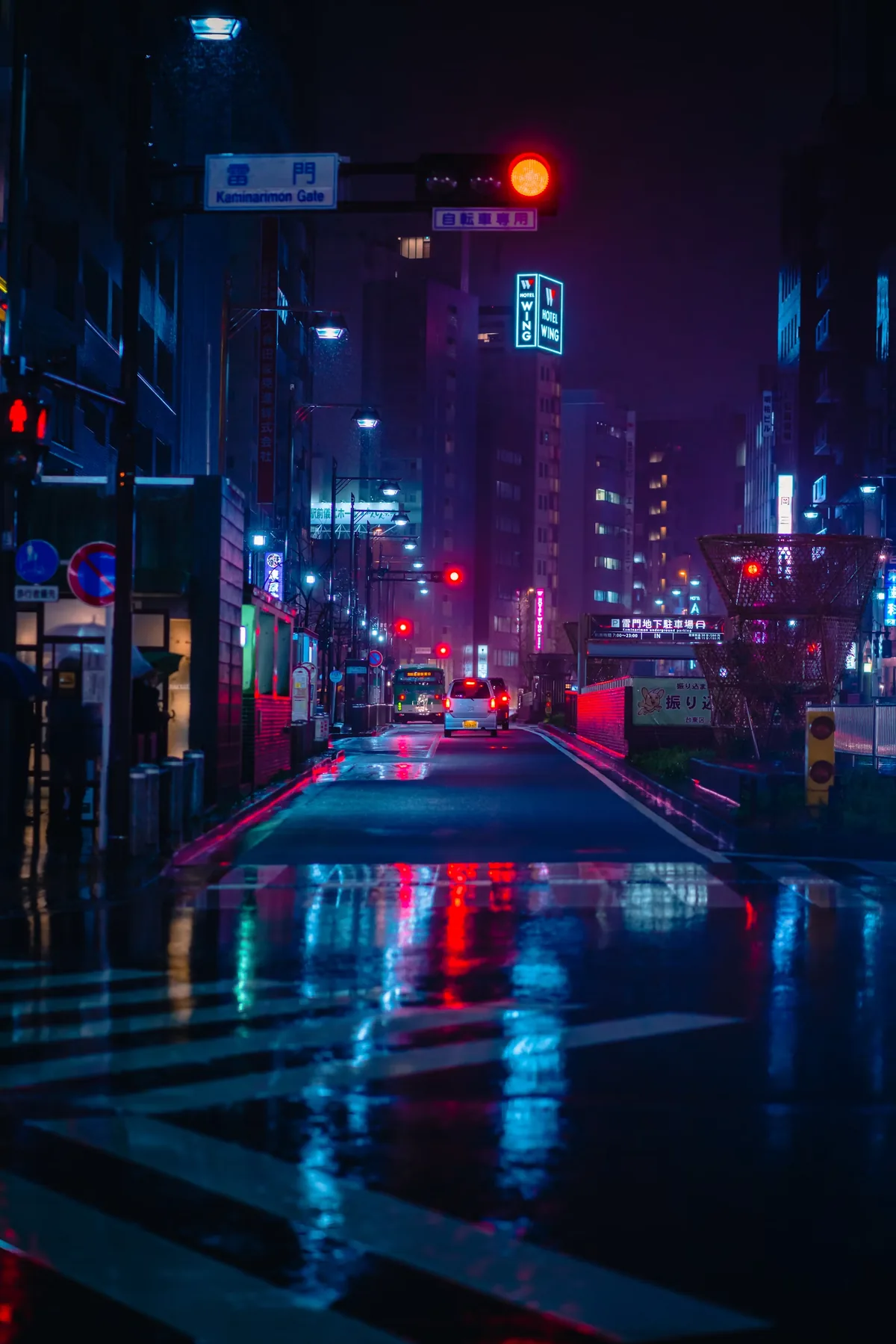
Neon signs and headlights clip quickly against a dark street. Use highlight warnings or the histogram and reduce exposure until the brightest important color retains detail. Deep shadows can often be lifted later; a sign recorded as pure white cannot recover its red or blue.
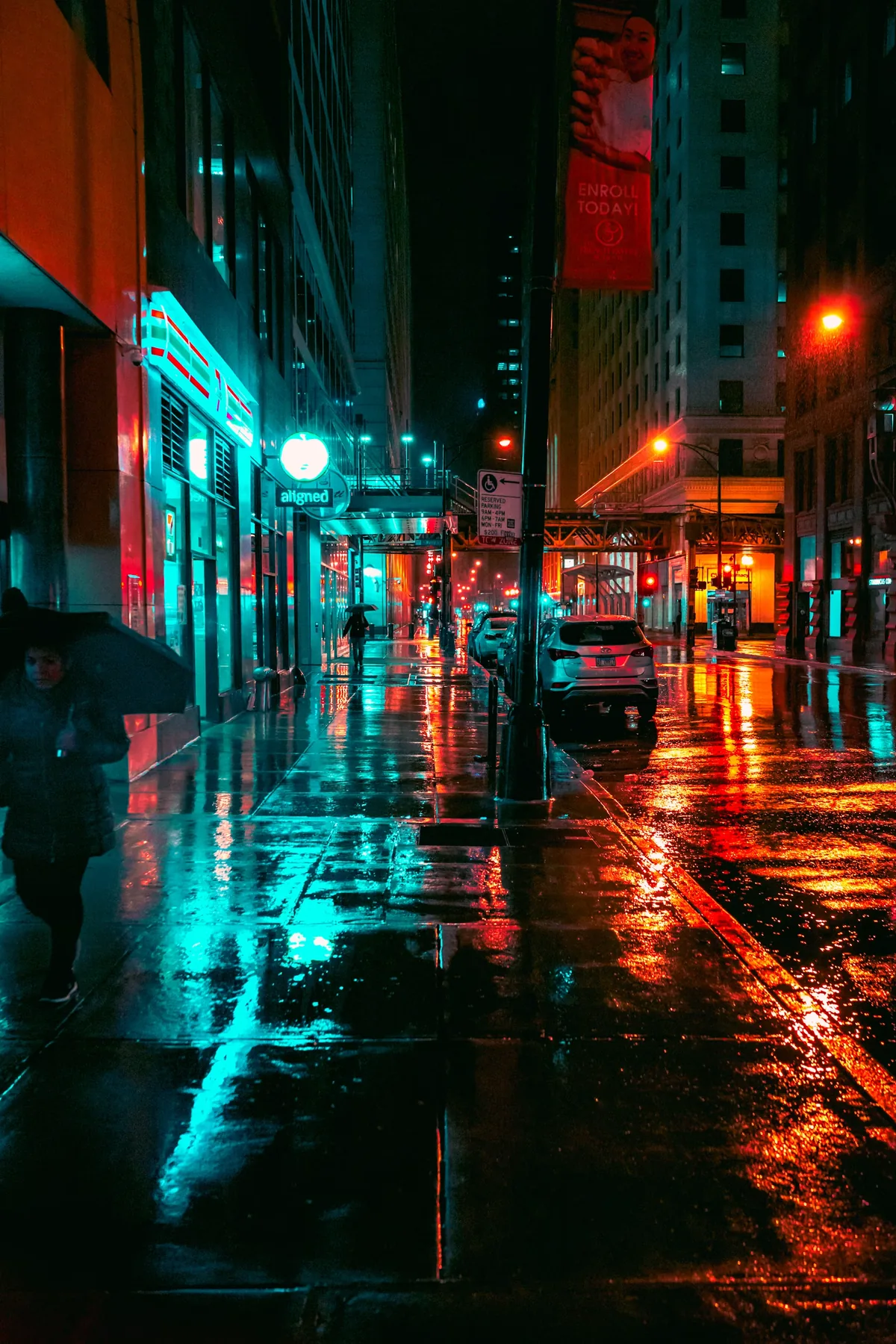
Let the pavement work twice
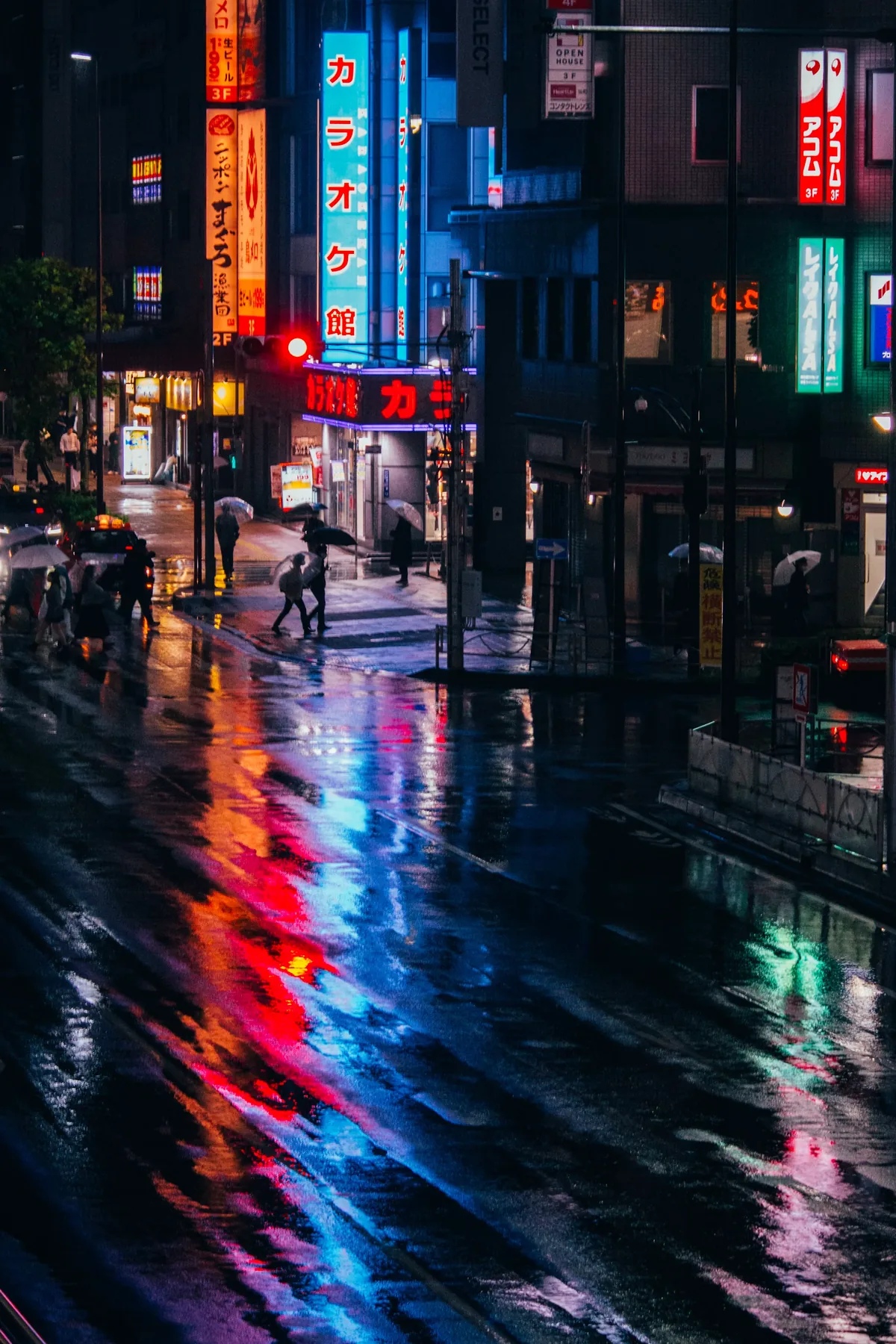
Wet asphalt turns every light into a second shape. Lower the camera and look for reflections that lead toward the subject rather than filling the frame randomly. Puddles can create symmetry, while broken patches of water produce fragments of color that feel more abstract.
Choose how rain should move
A fast shutter freezes droplets and keeps pedestrians crisp. A slower shutter turns falling rain and passing umbrellas into streaks. Make both. Try stabilizing the camera near 1/15 second for a sharp stationary element with moving figures around it, then raise the shutter speed when a decisive expression appears.
Keep color believable
Mixed lighting is the character of the scene, not always a problem to correct. Set white balance manually or photograph RAW so a later edit does not neutralize every color. Reduce saturation before it becomes brittle, preserve skin tones when people are central and allow darkness to remain dark.
A compact field setup
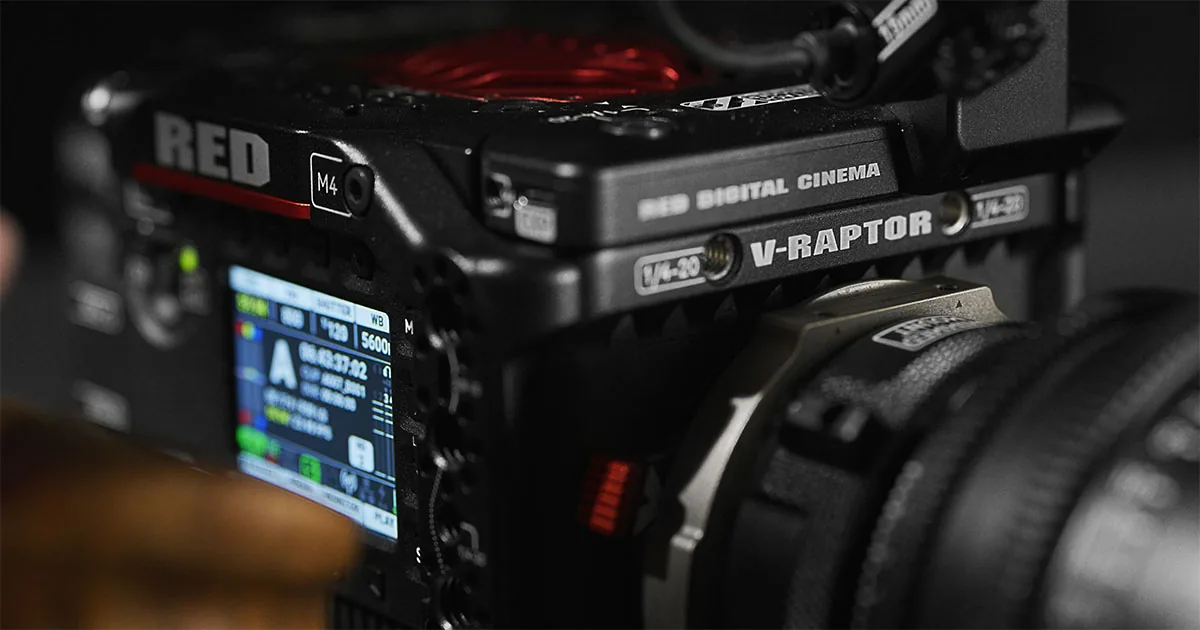
Keep the kit small enough that weather does not become an excuse to stop looking. One weather-sealed body, a moderate wide or normal lens, two dry cloths and a spare battery are usually more useful than a crowded bag. Store one cloth inside the jacket so it stays dry, and change batteries beneath cover. After the walk, wipe down the exterior before opening card or battery doors and let the equipment reach room temperature gradually. Good rain photographs come from patience and position; equipment protection simply gives you the time to wait for the right gesture.