A development announcement with real production intent
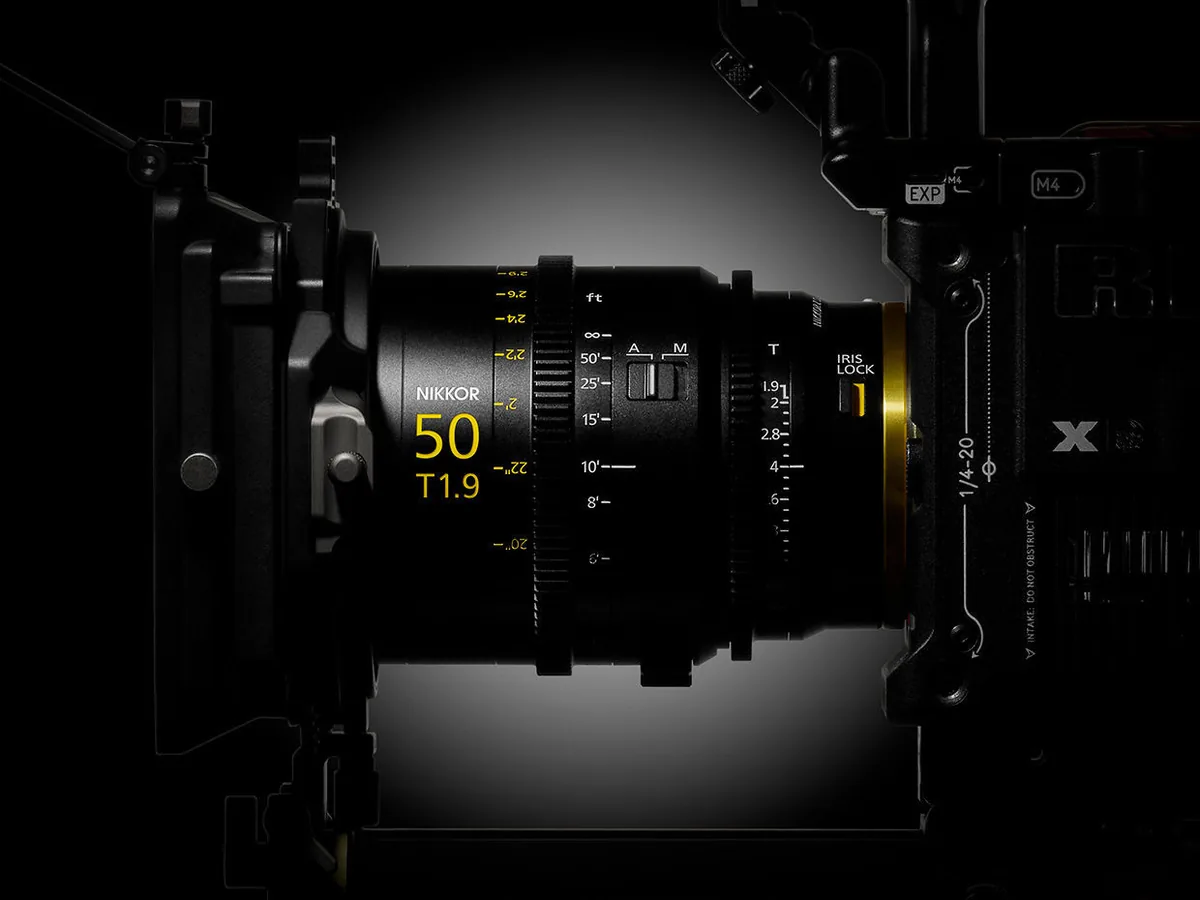
Nikon’s September 8, 2026 announcement of the NIKKOR Z CINEMA T1.9 VV series is important because it is not a vague promise of future cinema support. It is a concrete industrial move: a nine-lens family built around a large image circle, a RED-oriented production story and a direct claim that early members are intended to cover sensors larger than full frame. That matters because cinema optics are rarely useful in the abstract. A lens family becomes real when it changes what a crew can plan for, how large a capture format can be and whether one lens set can support a production across multiple scenes and camera setups.
The biggest headline is coverage, not a single lens number
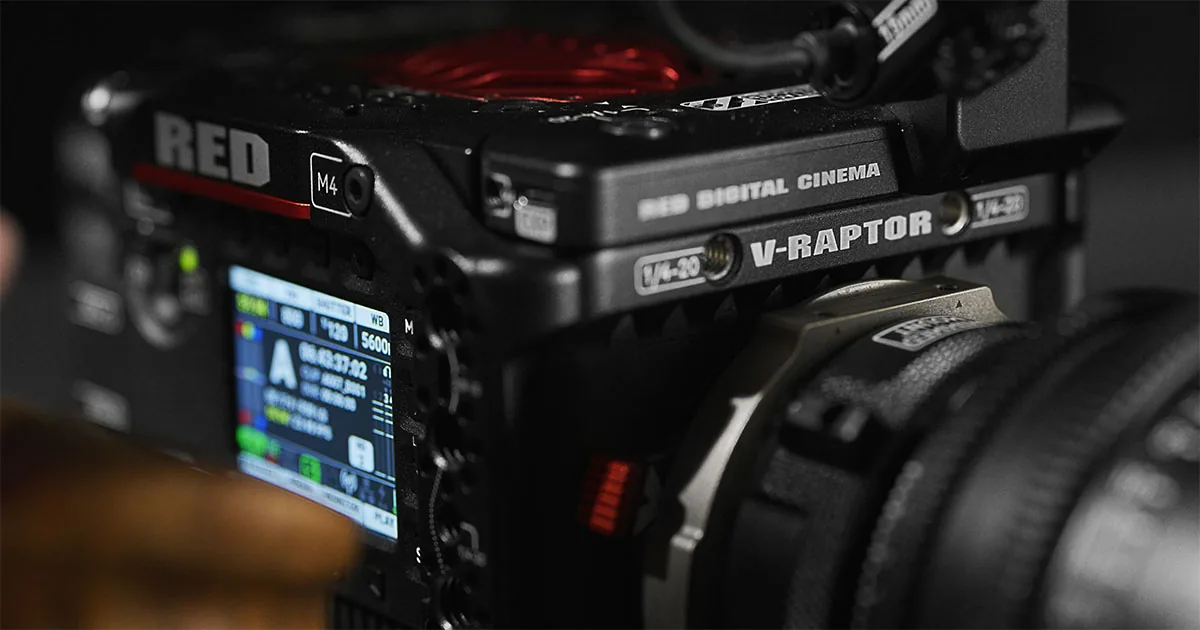
The core technical promise is that the first series will feature an image circle large enough to cover the RED V-RAPTOR [X] VV sensor. Nikon’s wording says this is larger than a full-frame sensor and that the line is “designed to support” motion creators looking for a bigger image field. For directors, cinematographers and lensing crews, that changes the conversation from “Can this lens create a cinema image?” to “Can this lens support the larger sensor format I already plan to use?” The answer determines whether a lens belongs in a production pipeline or only in a library long after the project has been designed.
Why the RED relationship matters to the market
The mention of RED is not branding fluff. It signals that Nikon is not just talking about a large sensor in isolation; it is aligning the lens family with a specific ecosystem that already values larger capture, flexible exposure and high-end motion workflows. That is why this announcement reads like a production statement, not a lifestyle launch. A lens family that hopes to serve high-end cinematography must be judged by image coverage, breathing, focus behavior, flare, consistency and whether those lenses can be used in a crew environment where speed and reliability matter more than a shiny specification sheet.
Autofocus in cinema is not a side benefit
Nikon states that the line will include a highly precise autofocus mechanism intended to support creators’ workflows. In a cine ecosystem, that sentence can mean a lot or very little depending on implementation. Some crews favor manual focus, others want assist features for documentary work and hybrid productions, and some cameras require focus systems that can remain reliable when a subject moves unpredictably through a frame. The important point is that Nikon is framing the line as a practical professional tool, not simply a collection of optics with marketing language about rendering. The real test will be to see whether autofocus is a serious production feature or an abstract capability with limited schedule value.
What the nine-lens structure implies
A nine-lens family is a signal of system thinking. It suggests Nikon is not building a single expensive flagship lens and calling it a cinema story. It is trying to establish a usable production ecosystem, with different focal lengths, coverage and a shared visual behavior across the set. That matters because a crew usually thinks in terms of working relationships between lenses: the capturing environment, the lensing rhythm and how easy it is to move from wide to medium to close detail without ruining continuity. A family matters when it creates a reliable chain of focal decisions rather than a bunch of expensive single-purpose optics.
Holding manufacturer claims at arm’s length
A manufacturer announcement is not the same thing as a final field verdict. Nikon says the line “enhances the NIKKOR Z CINEMA line,” aims at “high-quality solutions” and provides a large image circle. Those are meaningful statements, but they are not independent proof of sharpness, distortion control or consistency across every focal length. A real evaluation will require shot samples, lens-to-lens comparisons, off-axis performance, breathing tests and whether the series can emerge from development without the visual compromises that often appear once a cinema line reaches the market.
The practical question for crews
The right question is not whether the series sounds impressive. It is whether a production team can justify the financial and logistical commitment in a market already crowded with cinema optics. The answer depends on the kind of work: high-end narrative, hybrid documentary, sports broadcast, live events or a smaller crew with a need for a well-considered, larger-format ecosystem. For the producers who already work with RED and large-sensor motion capture, the announcement is far more relevant than it is for the average stills photographer simply interested in a long lens. The system has to earn its place in a real pipeline, not just a press release.
What remains unknown—and why that matters
Nikon still has not published a U.S. price, an exact shipping schedule or the full set of focal lengths in the nine-lens family. That absence is not a failure; it is simply the condition of a development announcement. It also means the real story is not whether the lenses are already available, but whether Nikon can convert the concept into a practical production offering with consistent quality and a clear workflow. For now, the announcement belongs in the category of “major industrial signal,” which is exactly the level at which many camera and cinema decisions begin to matter.
The Camera Post view
This is the kind of news that deserves attention even before retail pricing is set. A major camera company using a large-sensor motion story, a RED partnership and a major family strategy signals that the professional cinema market is still moving quickly, and that Nikon wants a central place in it. The real proof will come in the final lenses, field test footage and the release schedule. Until then, this remains a serious development with meaningful implications for crews planning the next generation of motion work.