
Sponsored guide
Stacking Creative Filters: Use Four Frames to Decide What Helps
Compare no filter, each effect alone and the combination. A practical SZ Filters guide to compatibility, dark corners and knowing when to remove a layer.
Field guide
Start with the scene, then choose the exposure and filtration that help the photograph say what you intend.
A practical reading path for filter workflows, long-exposure planning, weather, light and technically dependable camera files.
Sponsored guide
Compare no filter, each effect alone and the combination. A practical SZ Filters guide to compatibility, dark corners and knowing when to remove a layer.
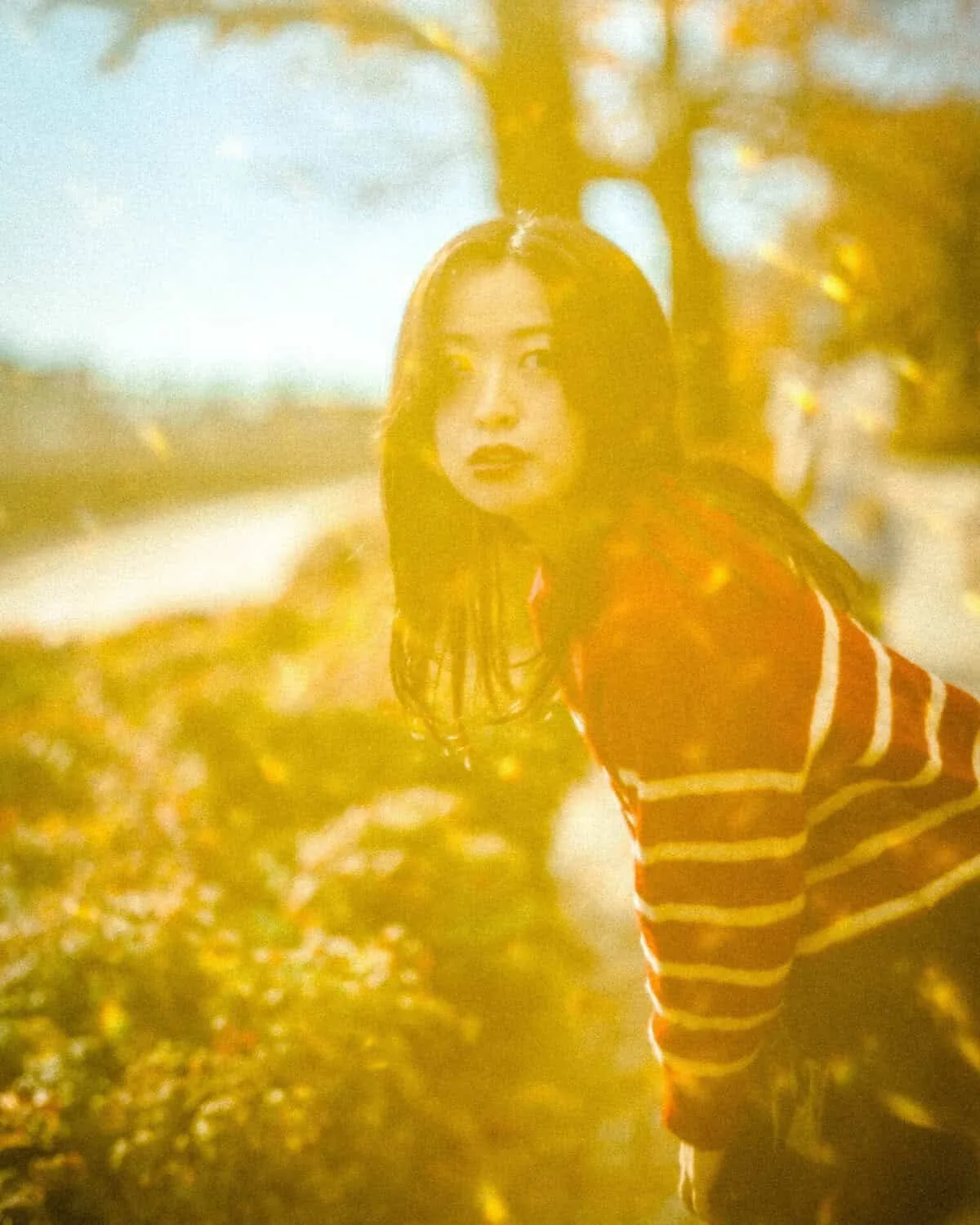
Sponsored guide
Separate aperture, exposure and filter effects with a matched-pair photo exercise. A practical SZ Filters guide to judging the subject before the glow.
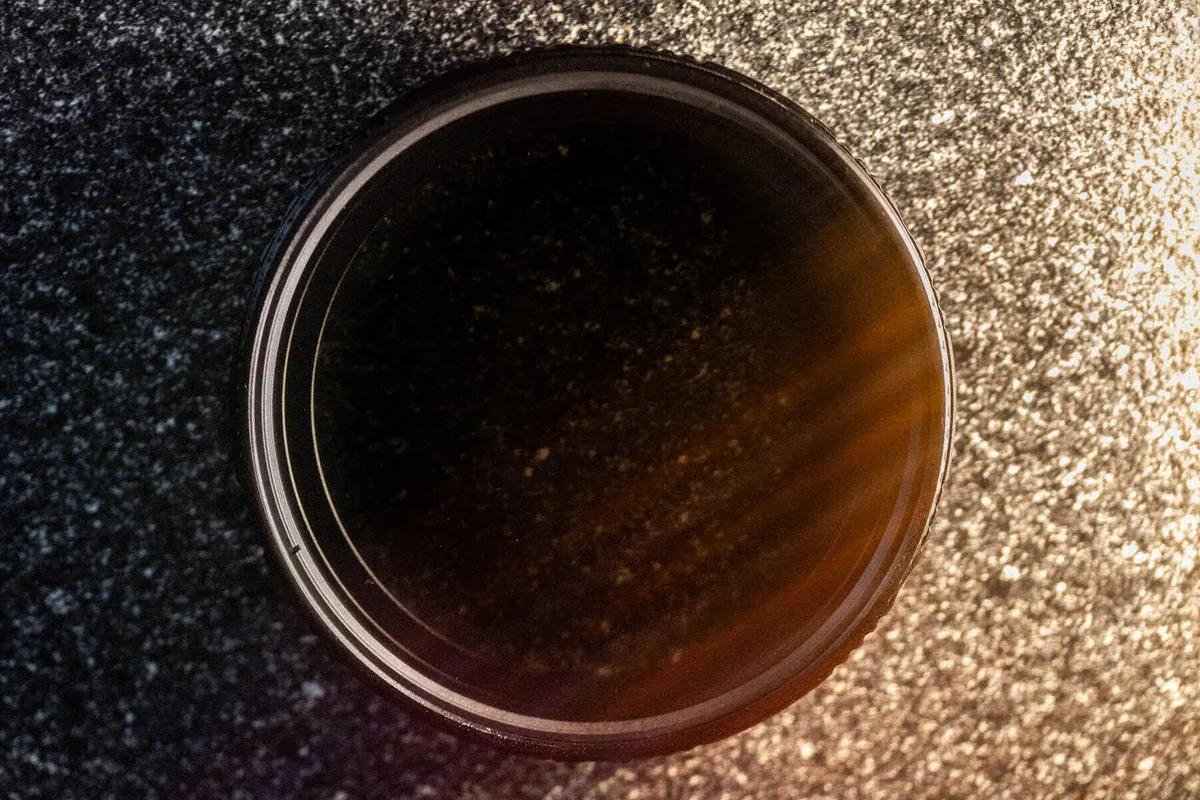
Sponsored technique guide
Set motion and depth of field first, then reduce light. A practical variable-ND workflow with compatibility checks, exposure examples and clear limits.
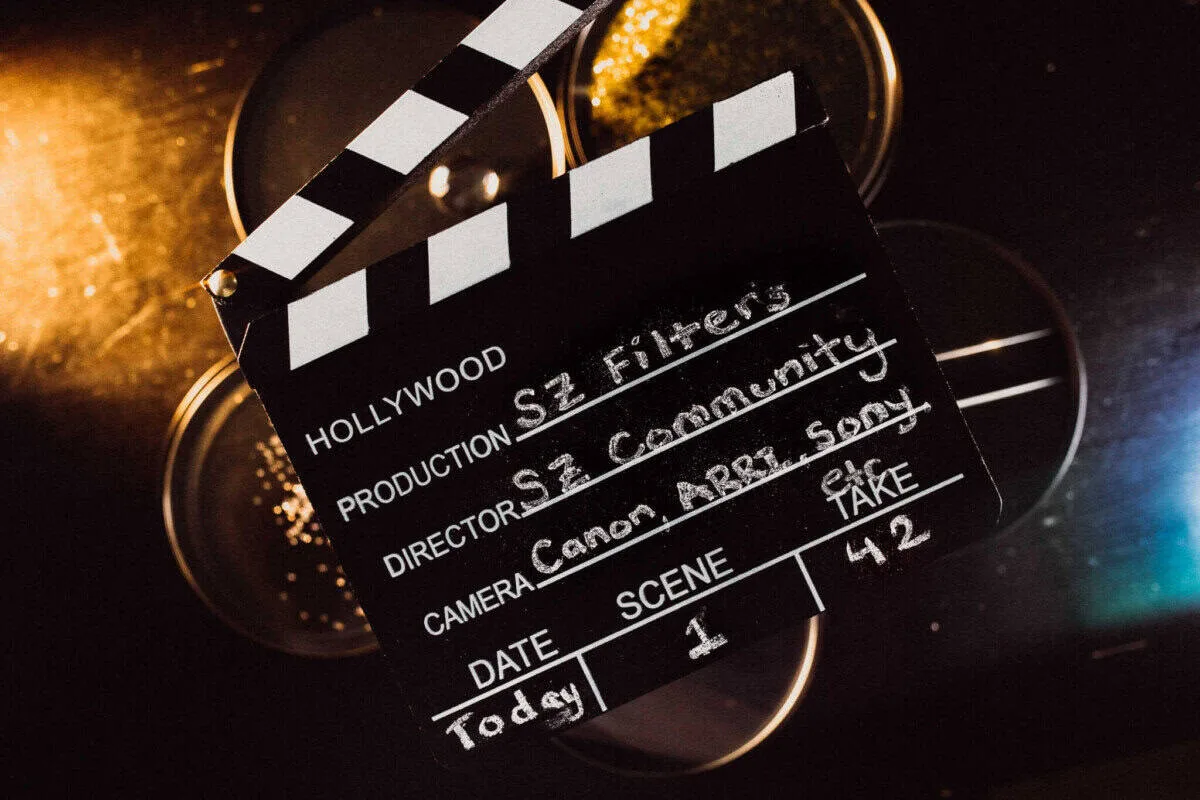
Sponsored guide
Match the lens and filter interfaces, check the full frame and build a clean-reference routine before relying on a faster magnetic swap.
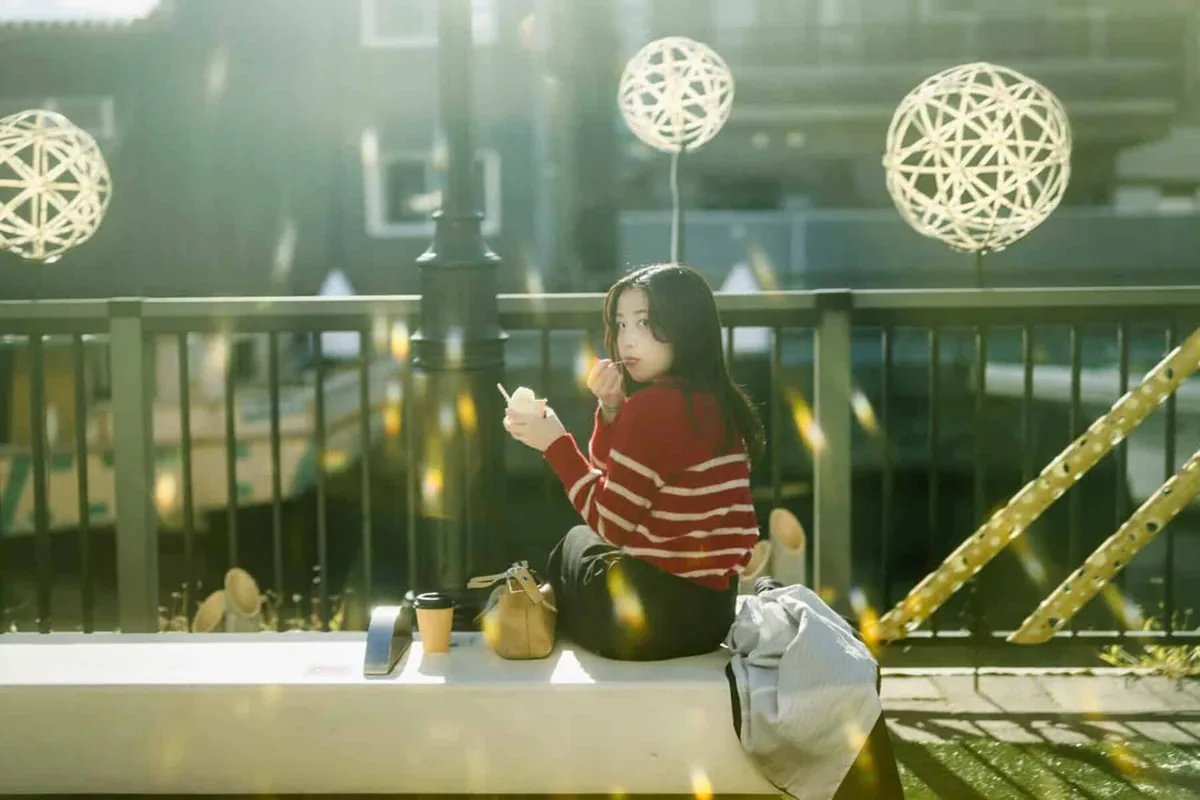
Sponsored guide
A repeatable portrait-lighting exercise: establish a clean frame, control the light angle and check the edges before committing to a golden optical effect.
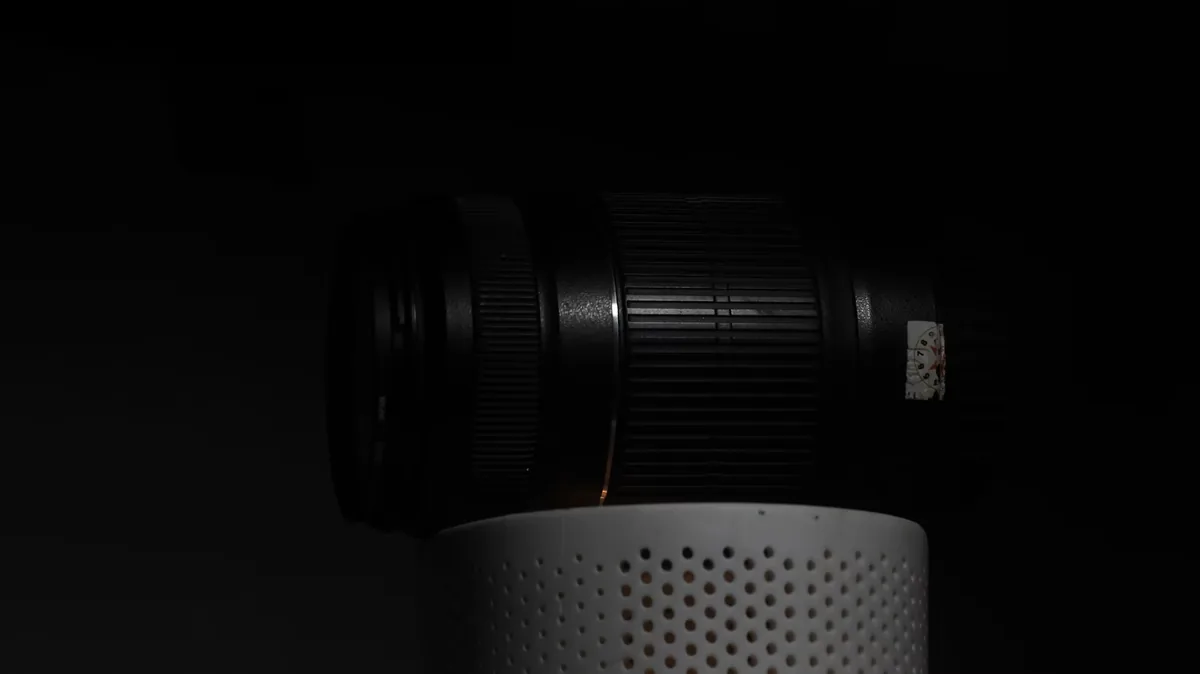
Creative filters
Diffusion, streaks, star effects, neutral density and polarizers can change light at capture—if the effect begins with a visual reason rather than a shopping list.
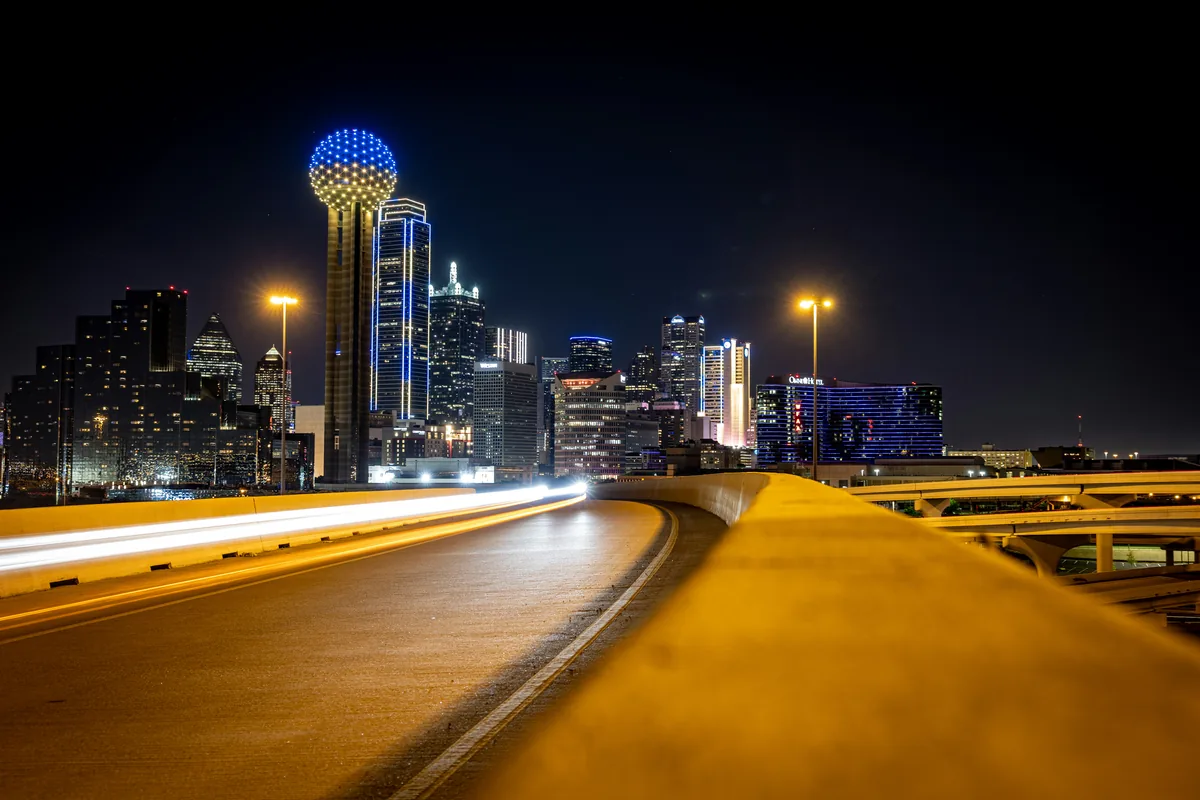
Long exposure
A dependable long exposure is less about owning a darker filter than controlling time, stability, highlights, weather and the movement that deserves to remain.
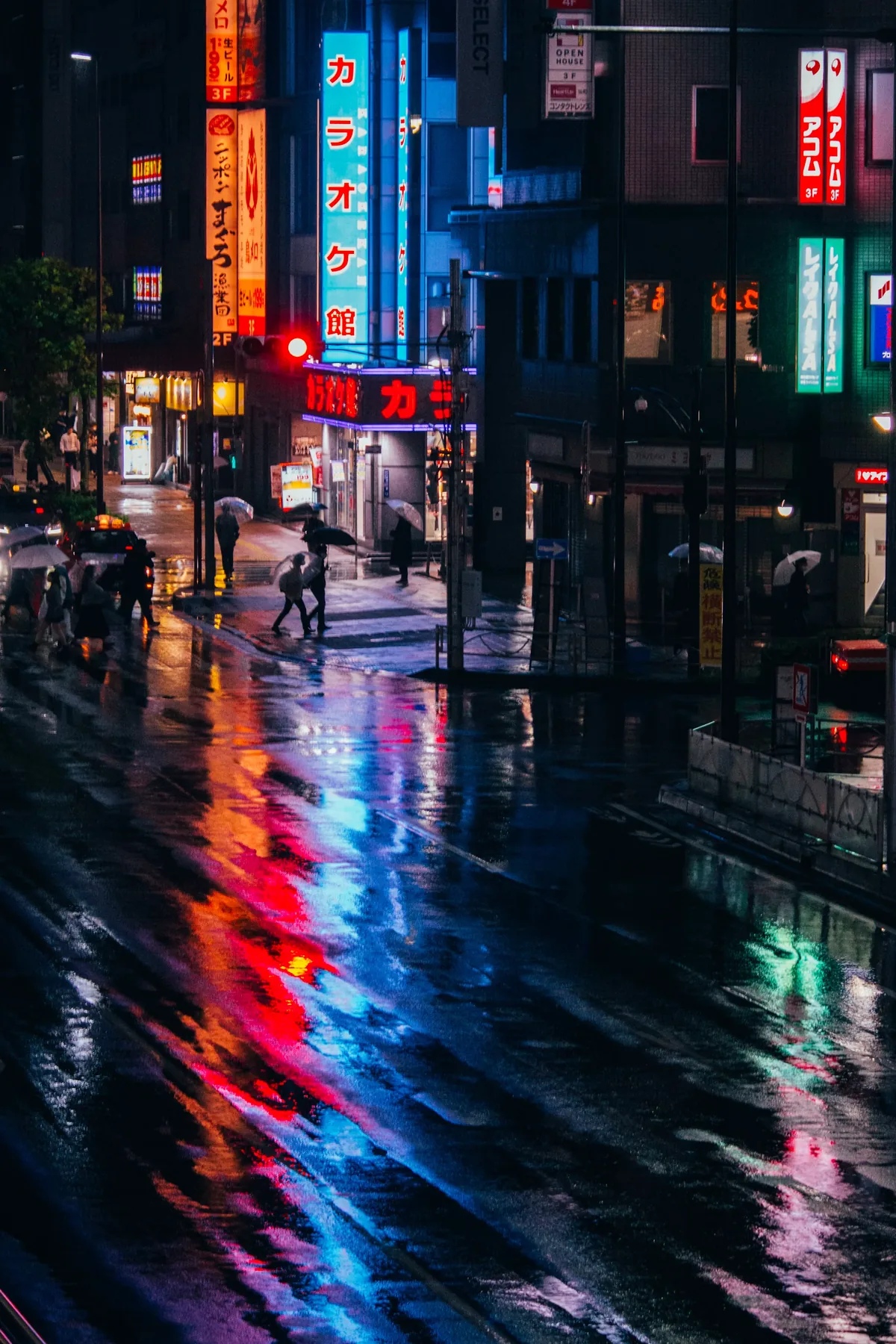
Technique
Expose for the signs, use the pavement as a second light source and let a little blur carry the weather.
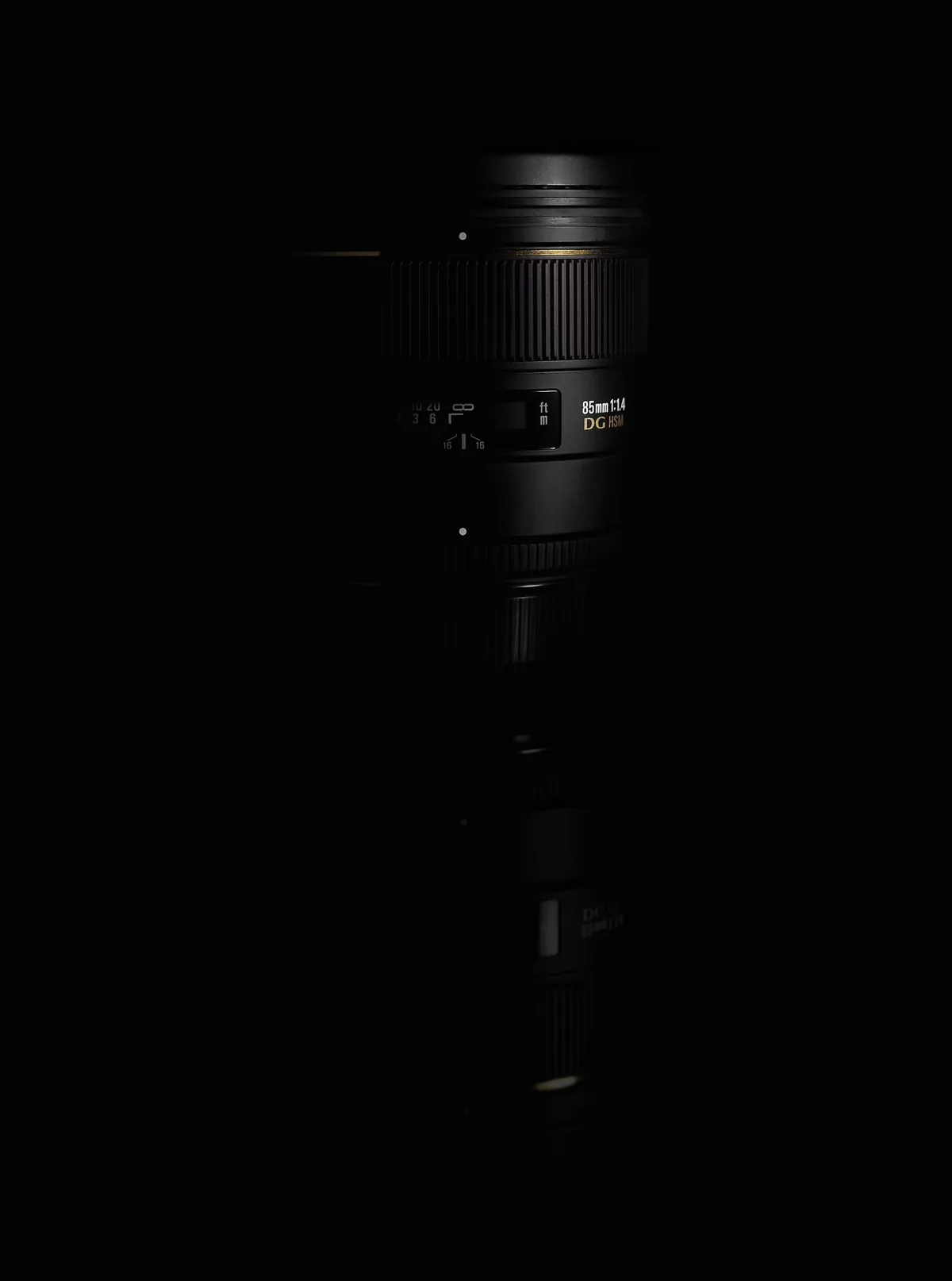
Workflow
Modern in-camera color is excellent, but file choice should follow deadline, exposure risk and how far the image must travel.
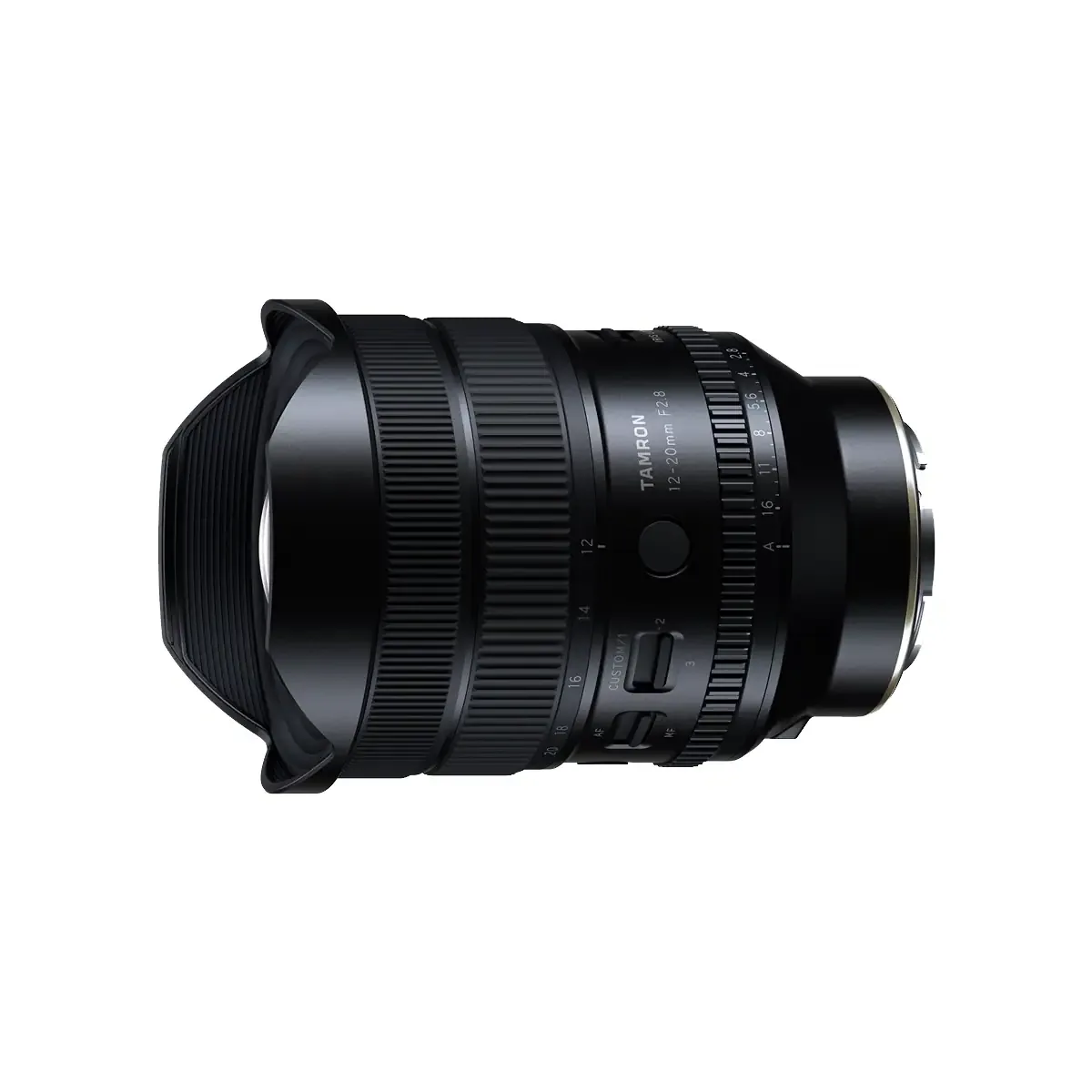
Lens launch
A constant-aperture full-frame zoom reaches 12mm while staying light enough for travel, interiors and night work.
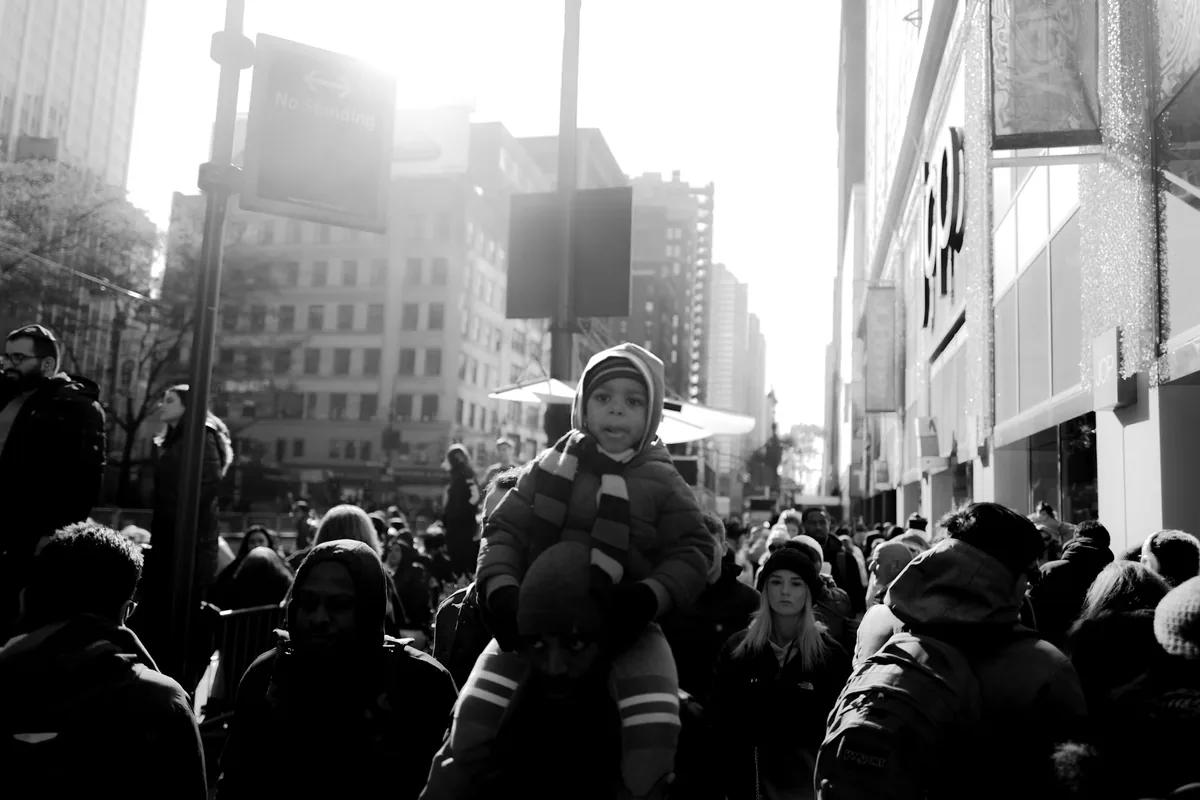
Editing
A strong sequence needs more than a folder of good pictures: it needs a question, rhythm and an ending.