Why 12mm matters
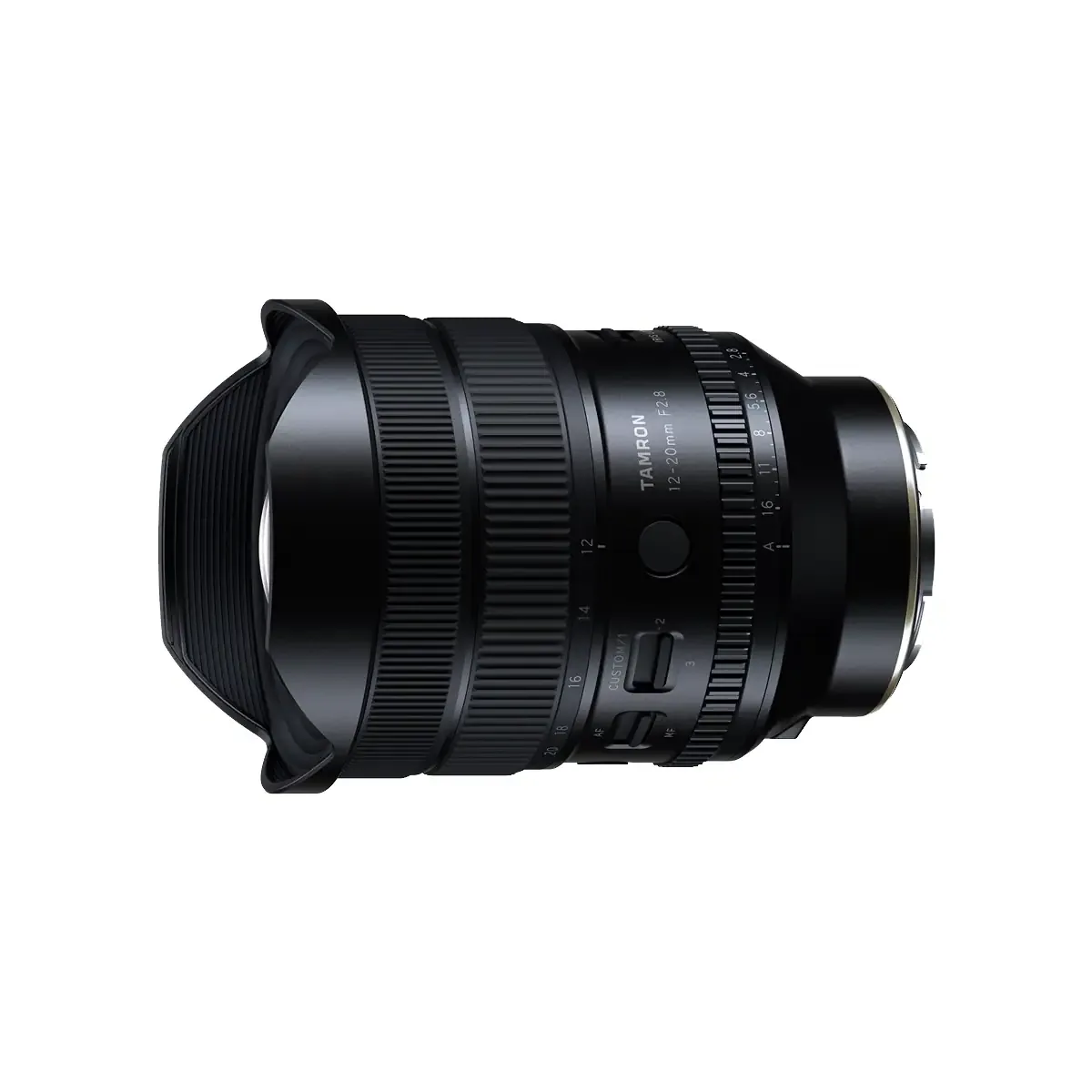
At the wide end, a few millimeters can radically change a photograph. Tamron’s new 12–20mm F2.8 Di III VXD G2 begins where many professional ultra-wide zooms stop. The difference between 14mm and 12mm is not subtle: interiors open up, foreground objects become more dominant and night skies stretch across a much larger portion of the frame.
A practical constant aperture
The constant f/2.8 aperture is central to the lens’s identity. It should make the zoom especially attractive for astrophotography, events, architecture and handheld video, where a slower variable-aperture design would force higher ISO settings or longer shutter speeds. Tamron uses 17 elements in 12 groups and a 12-blade diaphragm, an unusually high blade count intended to keep defocused highlights smooth.

Built to travel
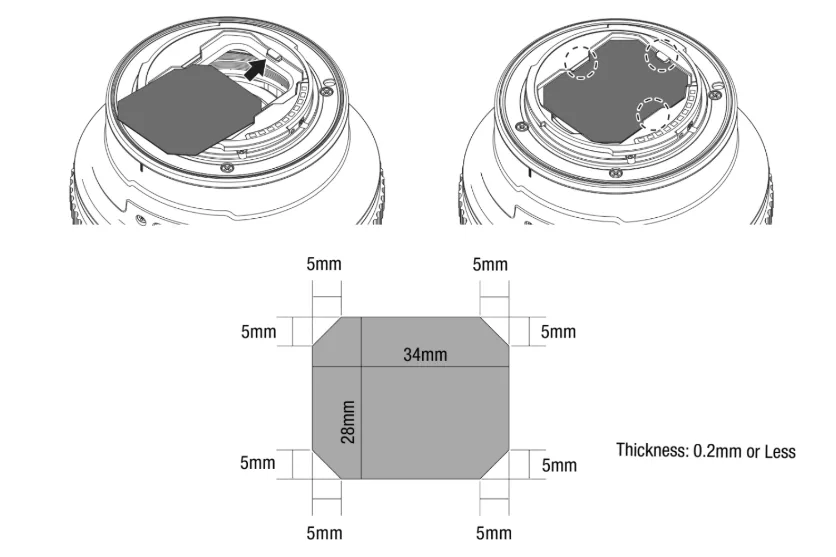
For such an ambitious range, the published weight is restrained: 570 grams for Sony E and 585 grams for Nikon Z. Minimum focus at the wide end is 0.18 meters, which opens the door to exaggerated near-far compositions. The built-in rear filter holder is another thoughtful choice because conventional front filters become difficult at extreme angles of view.
The compositional challenge
An ultra-wide lens does not automatically make a dramatic picture. It includes more distractions, makes empty foregrounds obvious and can stretch people near the edge of the frame. The best users will place a clear subject close to the camera, watch every corner and treat the lens as a tool for layering rather than simply fitting more into the frame.
Who should look closely
Interior and real-estate photographers are the obvious audience, but the lens may be even more interesting for environmental portraiture and night landscapes. It offers a perspective few zooms can match without demanding the weight of a cinema-oriented setup. Sony E availability began July 30, with Nikon Z following August 27; regional pricing and stock can vary.
Price, mounts and real-world value
In the United States, Tamron lists the Sony E version at $1,699 and the Nikon Z version at $1,799. The Sony model went on sale July 30, 2026, followed by Nikon Z on August 27. That premium makes most sense for photographers who repeatedly need a rectilinear 12mm view and a constant f/2.8 aperture; occasional ultra-wide users may be better served by renting first. The integrated rear holder also deserves attention when planning a kit: it accepts cut sheet filters rather than conventional front-mounted round filters, so landscape and architecture photographers should check their existing filter workflow before buying.