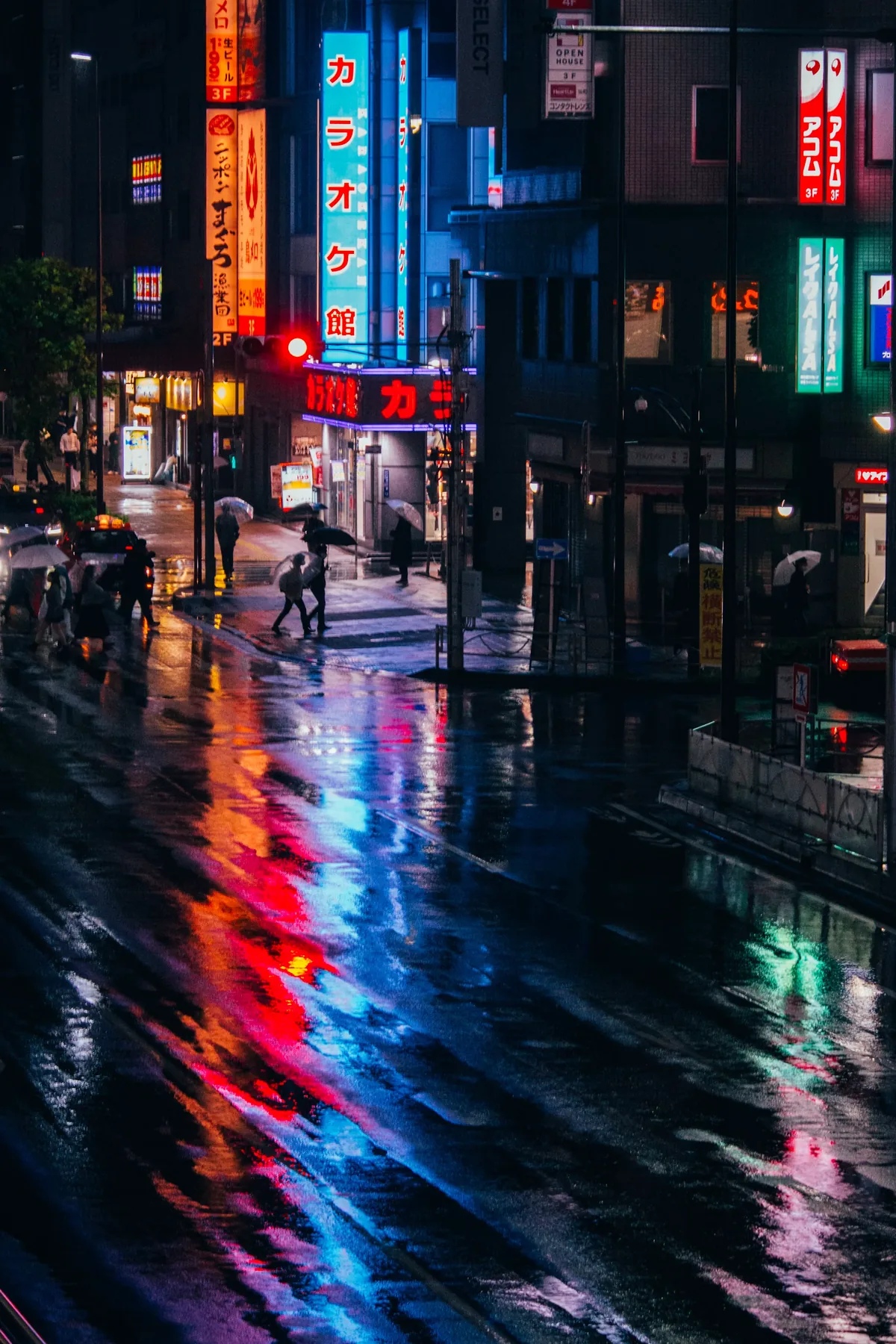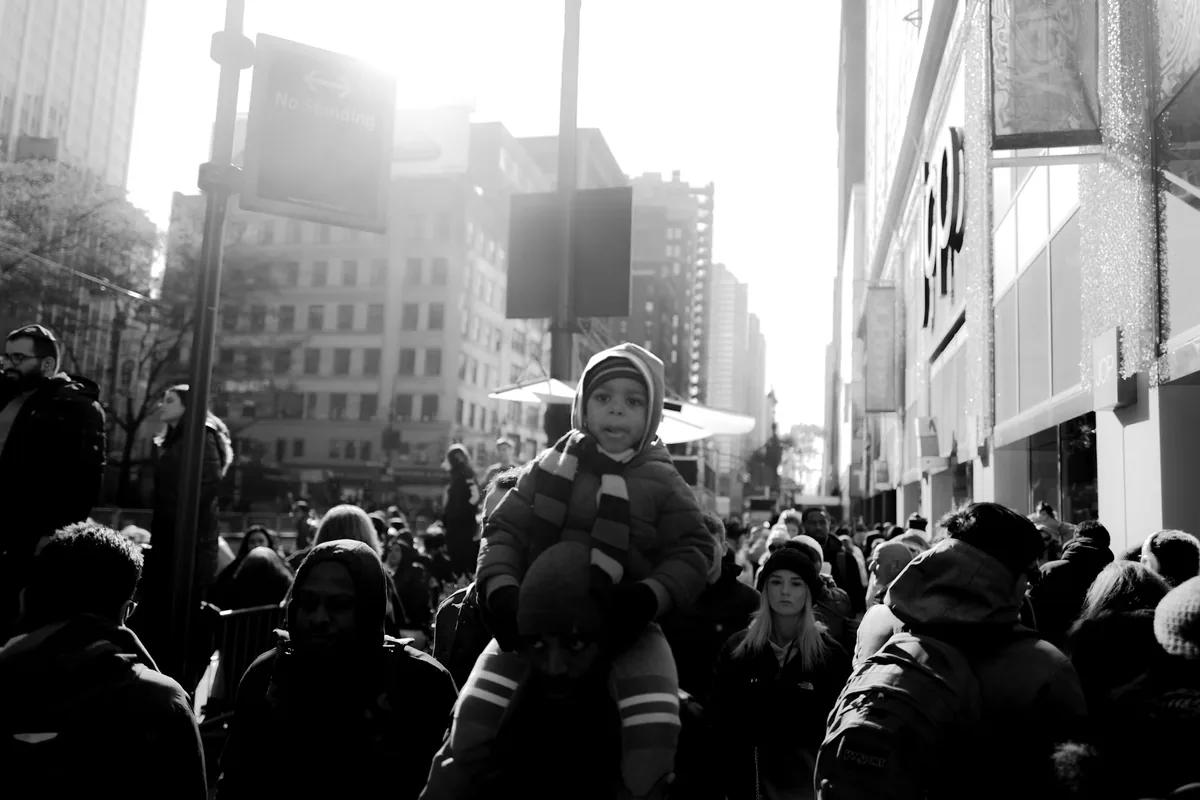
Find the sentence underneath the pictures
Before editing, finish this line: “This story is about…” If the answer requires a paragraph, the project may still be too broad. A useful story sentence identifies a subject, a tension and a reason the work matters now. It guides what you photograph and what you leave out.
Collect visual roles
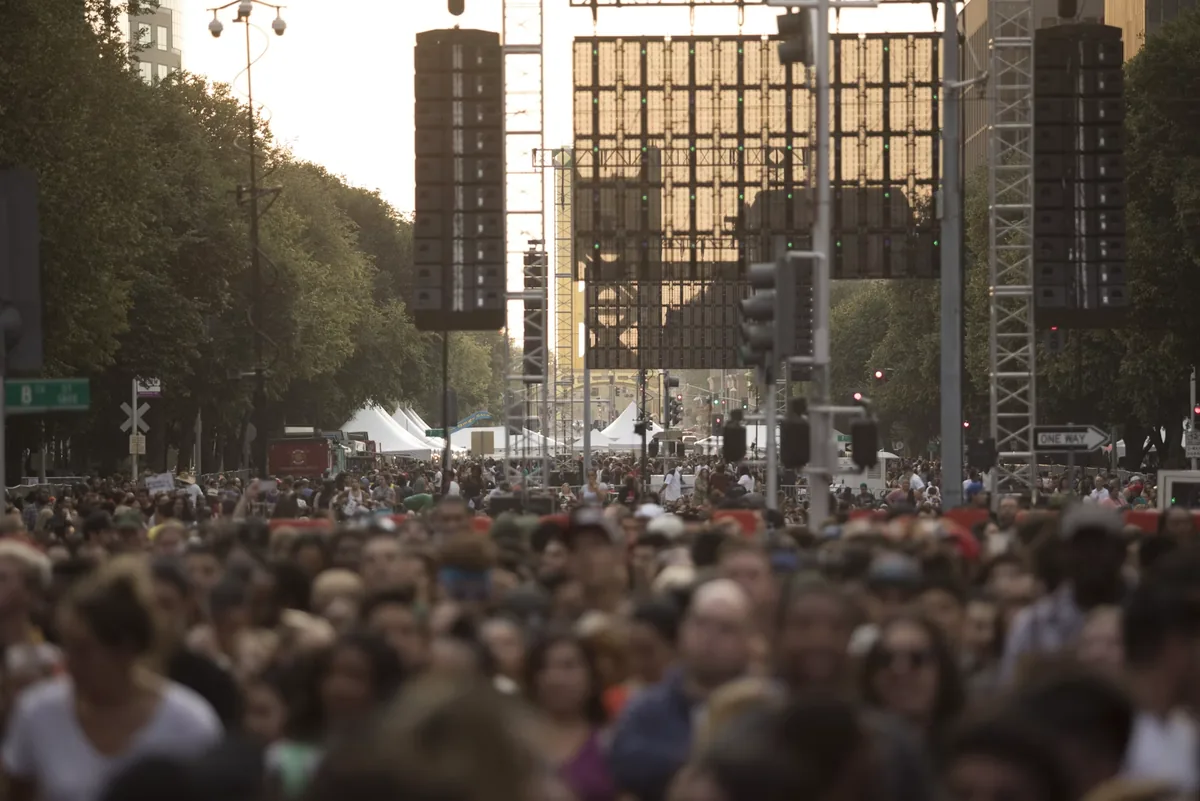
A sequence needs different kinds of images. Establishing frames locate the reader. Medium views show relationships. Details add texture. Portraits introduce people, while transitional pictures create breath between major moments. Photographing these roles deliberately gives the editor more than a pile of variations on the same composition.
Make a small first edit
Start with twenty to thirty images, not hundreds. Print thumbnails or place them in a grid where you can see the entire story. Remove duplicates and technically weak frames. Then ask what job each remaining photograph performs. Two excellent images that make the same point may weaken one another.
Build rhythm and consequence
Sequence is meaning. A wide image followed by a tight detail can feel like discovery; reversing them can feel like revelation. Watch repeated colors, directions of movement and emotional intensity. Avoid placing every dramatic frame together. Quiet images give the reader enough space to absorb what came before.
End without simply stopping
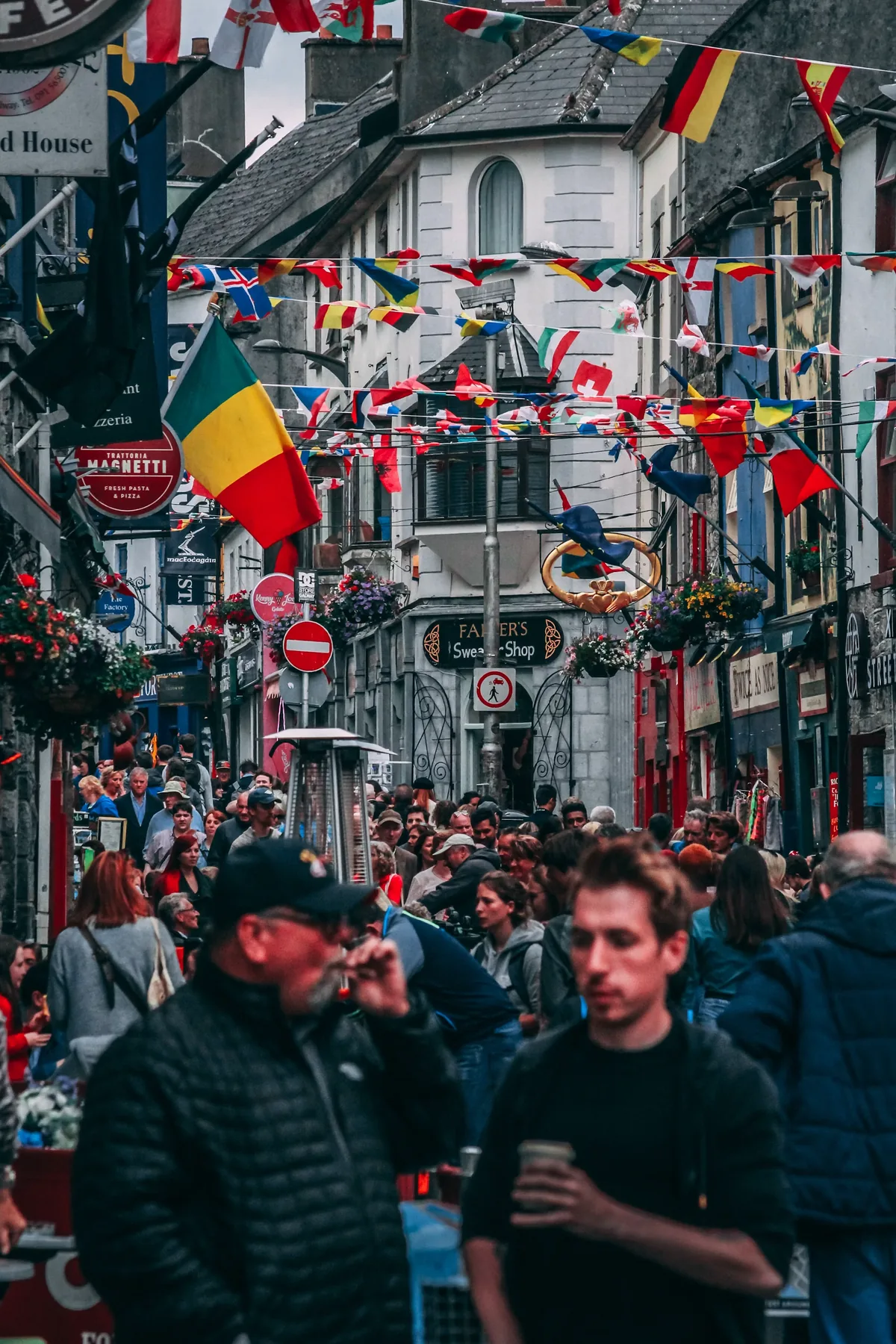
The last photograph does not have to resolve the subject, but it should change how the opening image is understood. Test several endings: a consequence, a return, an unanswered gesture or a wider view. Then write accurate captions. Missing names, dates and locations can expose reporting gaps that a beautiful sequence has hidden.
A final editing drill
When the sequence feels finished, duplicate it and remove the three photographs you are most emotionally attached to. Rebuild the story without them. The exercise is deliberately uncomfortable, but it separates a picture’s personal importance from its narrative function. Then ask one trusted reader to describe the story without seeing the captions and another to read the complete version. Where their understanding diverges, either the visual sequence needs a clearer transition or the captions are carrying information the pictures never established. Revise until image and text support one another without repeating the same work.