The announcement has two timelines
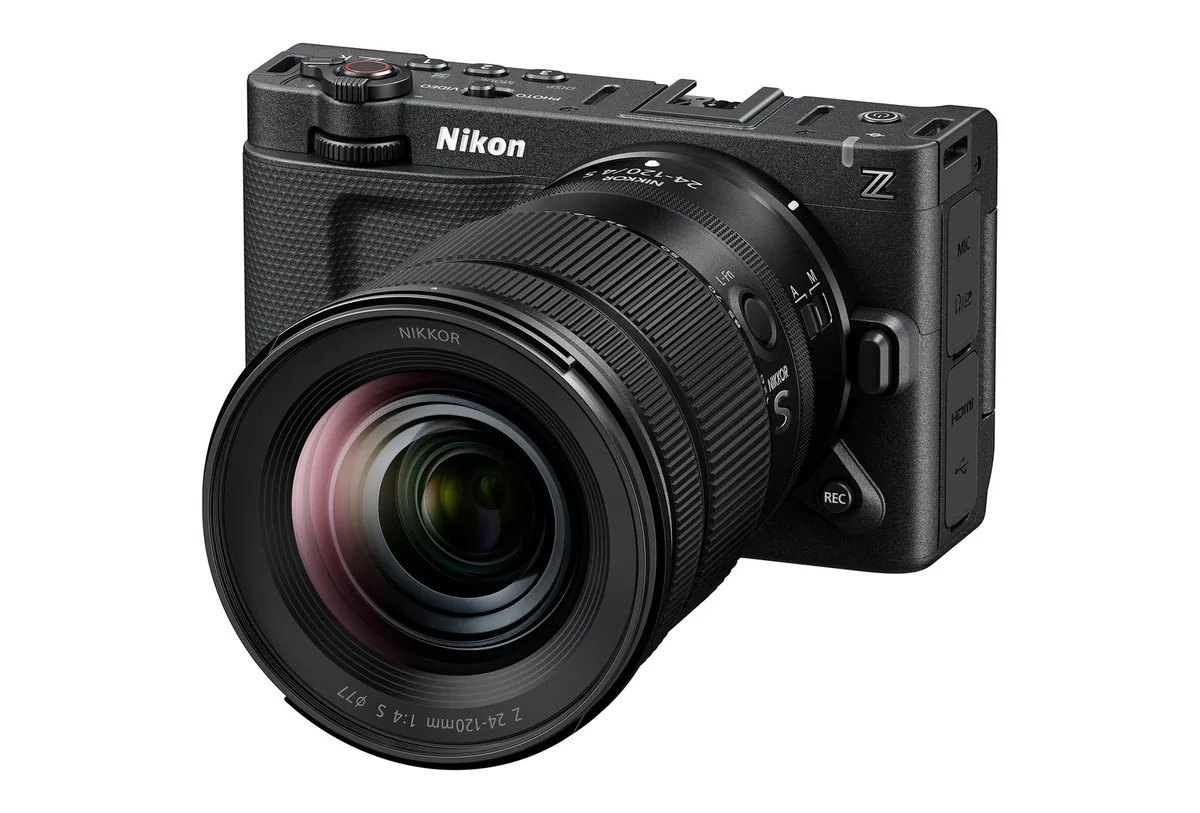
Nikon announced on September 8 that it is developing ZR firmware version 2.00 for release during 2026. The planned additions are Log3G10 with REDWideGamutRGB when recording H.265, selectable high-ISO noise reduction for H.265 Log recording, and focus peaking during R3D NE recording. Separately, Nikon is aiming for open-gate recording and anamorphic desqueeze display in a future update in 2027. These are development targets, not a statement that those features are available to install today. A precise release date was not provided. That distinction is the central buying and production consideration: a useful roadmap should not become a promise on a client’s call sheet.
Why recording workflow deserves the headline
Our reading is that the immediate value lies in making the camera easier to fit into a production rather than simply adding another headline resolution. Before choosing a recording format, ask who will receive the files, how quickly the edit must begin and how much storage the job can sustain. A small documentary team delivering an interview tomorrow has different constraints from a commercial crew scheduling a dedicated grade. The sensible comparison is a complete route from card to export. A format that looks efficient in a camera menu may still create friction on the editor’s machine, while a heavier workflow may be justified when extensive finishing is genuinely planned.
Log color is not the same thing as RAW
The terminology deserves care. Log describes a way of encoding tonal information; a color gamut describes the range in which color values are represented. Neither label, on its own, makes a compressed recording RAW. When evaluating a new option, confirm the exact input transform in the editing software and use the intended monitoring conversion. Do not stack a creative LUT on top of an unidentified technical transform and judge the camera from the result. For a meaningful comparison, photograph the same subject, exposure and lighting, then normalize both files correctly before adding a look. This article does not claim a measured quality advantage for the unreleased update.
A useful test scene is deliberately ordinary
When the firmware becomes available, our recommended first test is an ordinary interview setup with a face, a neutral reference, a dark textured garment and a bright practical light in the background. Record a short static take and a second take with subject movement. Carry both through the software and delivery settings normally used for paid work. Inspect edges, fine texture, highlight transitions and any changes introduced by noise reduction. Keep a note of every setting so the comparison can be repeated. Attractive promotional footage can show creative possibilities, but it cannot substitute for a controlled check of the conditions a particular crew actually encounters.
Monitoring aids still need a production check
A monitoring feature becomes valuable when the operator can interpret it reliably under pressure. Before relying on any focus aid, compare what the display suggests with the recorded image at useful magnification. Include a slow focus transition, an off-center face and a low-contrast subject in the test. Repeat with the actual display arrangement: a bare camera used handheld is different from a rig feeding another monitor. Check that overlays are legible without obscuring expressions or framing. The aim is not to distrust assistance; it is to establish what the operator can reasonably infer from it before a moment becomes unrepeatable.
Treat the later roadmap as optional upside
A future feature can influence a long-term plan, but it should not be the only reason a camera meets today’s brief. If a commission requires a particular capture area, delivery orientation or lens-monitoring arrangement, use equipment that supports that requirement in its released configuration. Ask how much reframing the actual edit needs rather than assuming more recorded area is always essential. A production shooting both horizontal and vertical versions may find separate framing plans more useful than a speculative specification. This is an editorial recommendation about purchasing discipline, not a forecast that Nikon will miss its targets or a judgment of functionality that has not yet shipped.
Price, availability and what to check next
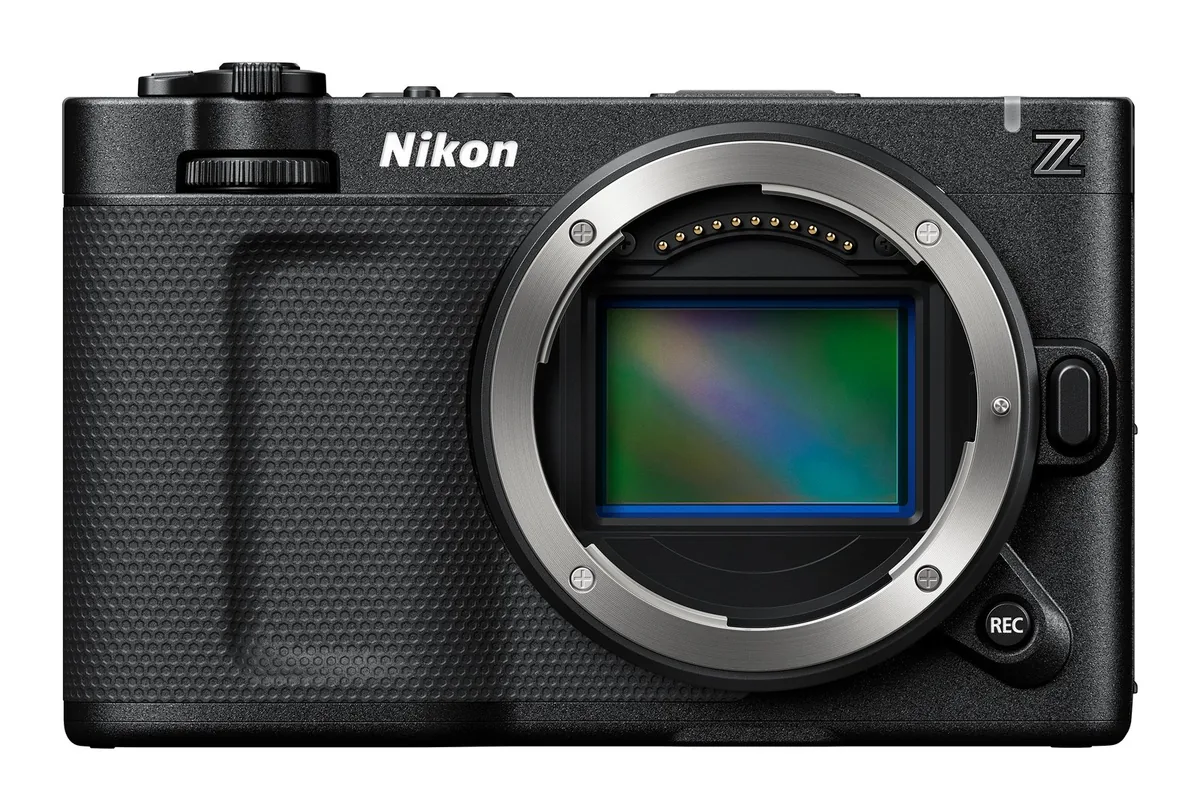
The ZR itself was released in October 2025. Nikon USA’s launch announcement listed a body-only suggested retail price of $2,199.95 USD; that historical MSRP is not a live dealer quote, and the lens in our lead photograph is not included. The September firmware announcement does not state a fee for the update. Owners should use Nikon’s official download center and read the final release notes before installation. Schedule the update between assignments, preserve a record of the working setup and follow Nikon’s power and media instructions. Afterward, make an end-to-end recording and export test before returning the camera to service.
The practical takeaway
For an existing owner, the next step is to identify a real workflow problem that a released update might solve. For a prospective buyer, it is to evaluate the camera as it can be used now and keep future capabilities in a separate column. For an editor receiving footage, it is to ask for the recording settings and a short sample before the full shoot. Those three decisions do more to protect a production than treating every roadmap item as an immediate specification. We will distinguish any later release announcement from this development report rather than silently presenting an anticipated feature as an established one.