A camera designed for the edge of visibility
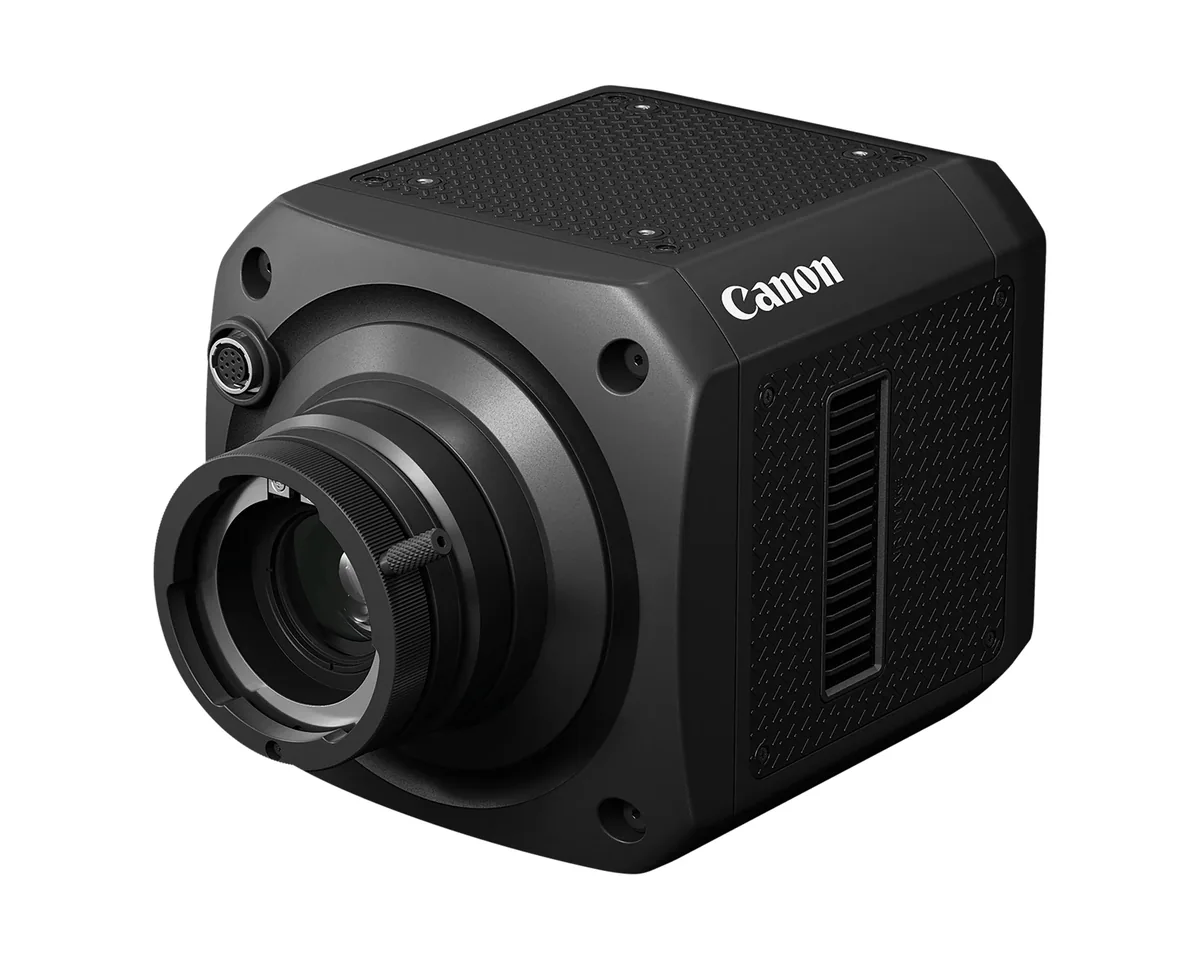
The Canon MS-510 does not chase the resolution numbers associated with mirrorless cameras. Its purpose is more specialized: delivering usable full-color video in near-total darkness, often across very long distances. Canon’s one-inch SPAD sensor contains approximately 3.2 million pixels, with roughly 2.1 million effective pixels, and records up to Full HD. The camera is aimed at nocturnal wildlife observation, coastlines, ports, borders and critical infrastructure—places where identifying a distant subject matters more than producing an 8K file.
SPAD does not collect light like CMOS
A conventional CMOS sensor accumulates electrical charge generated by incoming light, then converts that analog signal into a digital value. A Single-Photon Avalanche Diode takes a different route. When one photon generates an electron, the pixel triggers an avalanche effect that multiplies the event into a detectable electrical pulse. The camera counts those pulses digitally. Canon says this photon-counting process makes it possible to register extremely weak light with less contamination from the read noise that affects an analog signal.
What 0.0006 lux means
Canon rates the MS-510 for a minimum subject illumination of 0.0006 lux in its specified color Night Mode test: no light accumulation, an f/1.4 equivalent aperture, 1/30-second shutter, 50 IRE output, maximum 84 dB gain and the CrispImg2 picture preset. That number is meaningfully lower than the 0.001-lux rating published for the MS-500. It is important to keep the test conditions attached to the claim. Extreme gain and processing can reveal a scene, but visibility, motion rendering, color fidelity and fine detail remain separate questions.
Built for broadcast glass and remote positions
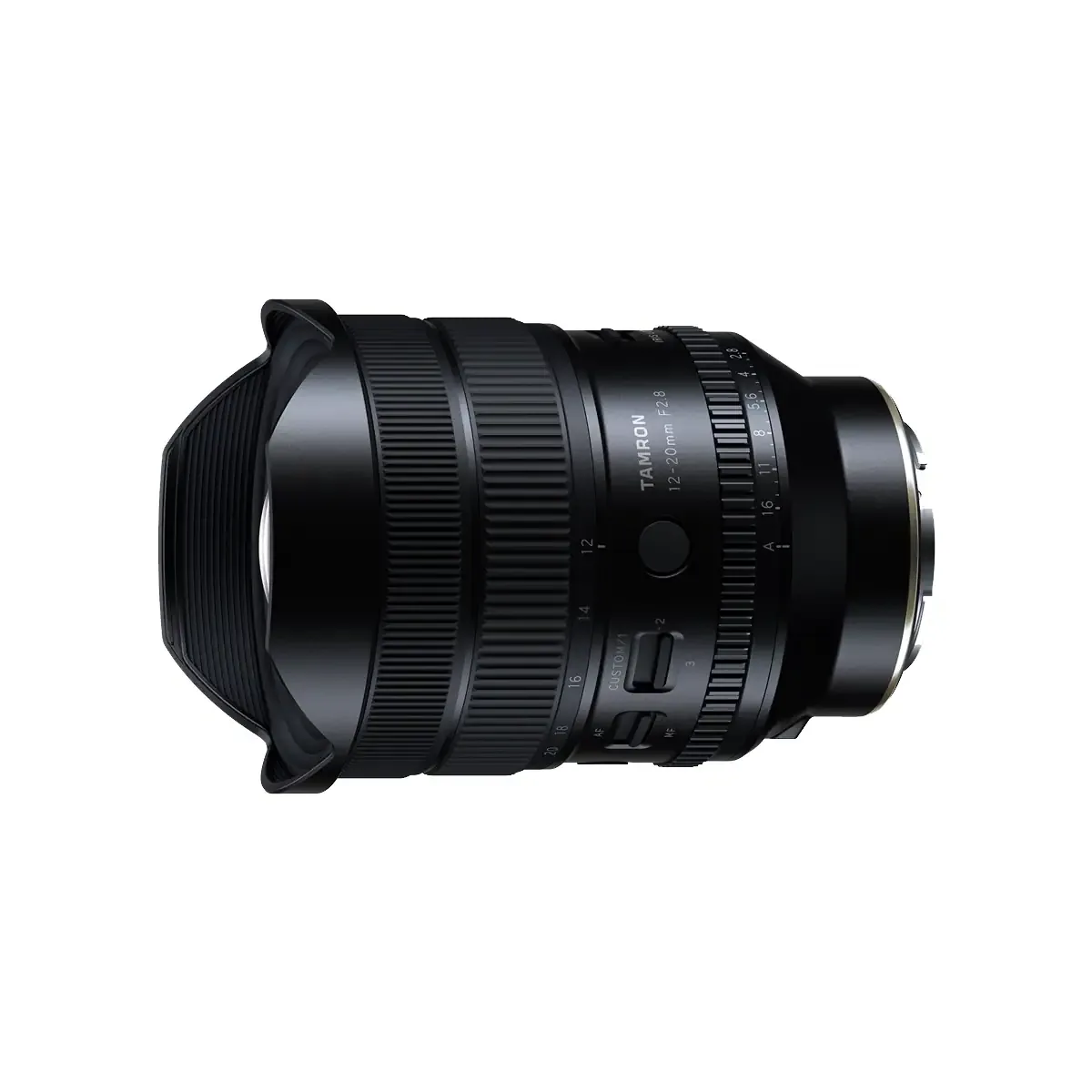
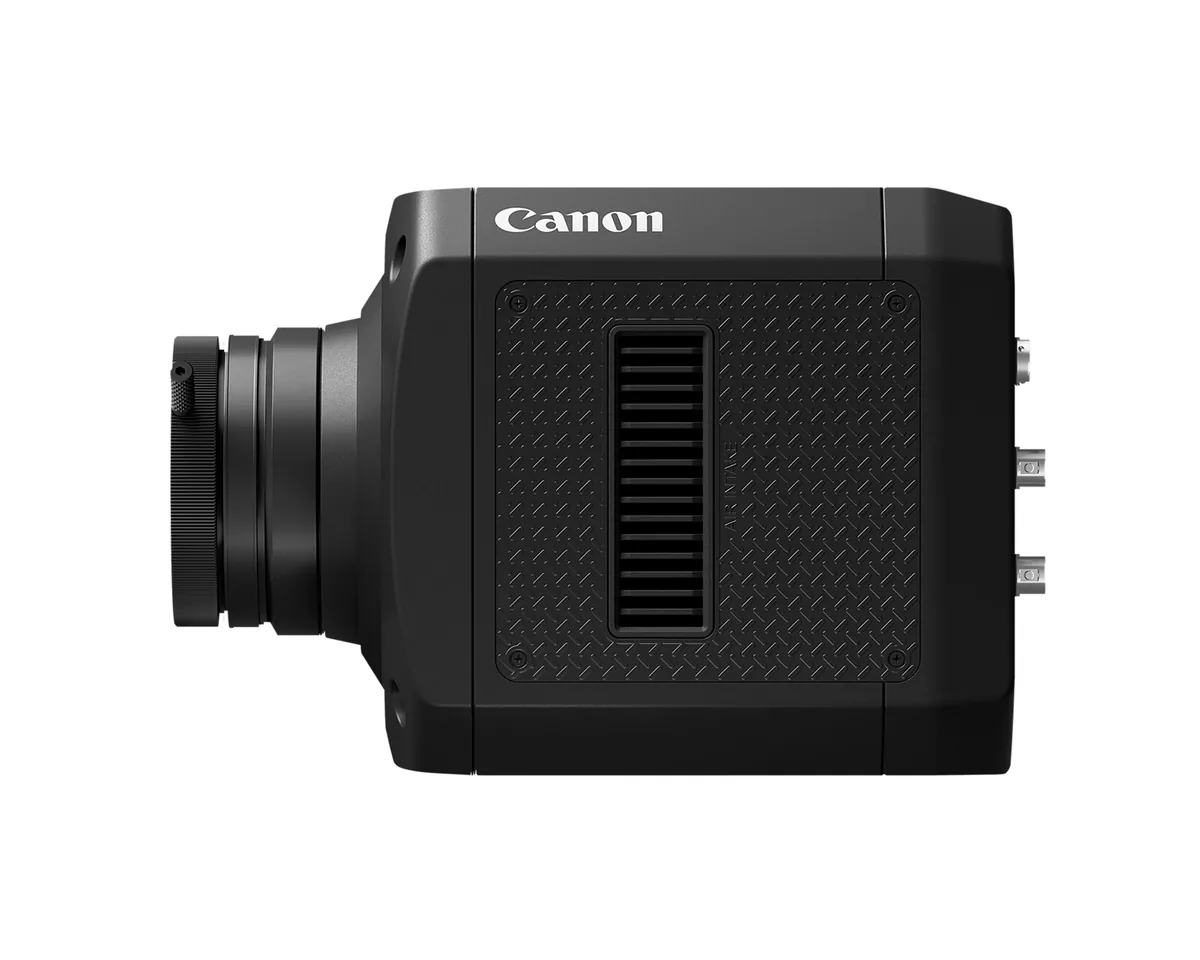
The body uses a B4 bayonet based on broadcast standards and contains an approximately 1.3× magnifying optical system so lenses designed around a two-thirds-inch image circle can cover the larger one-inch sensor. That opens access to Canon’s long-range broadcast zooms. The camera itself is about 128 × 128 × 184mm and weighs approximately 2.2 kilograms before a lens, power system or support. It is therefore closer to a remotely operated imaging head than a handheld cinema camera.
A professional video and network workflow
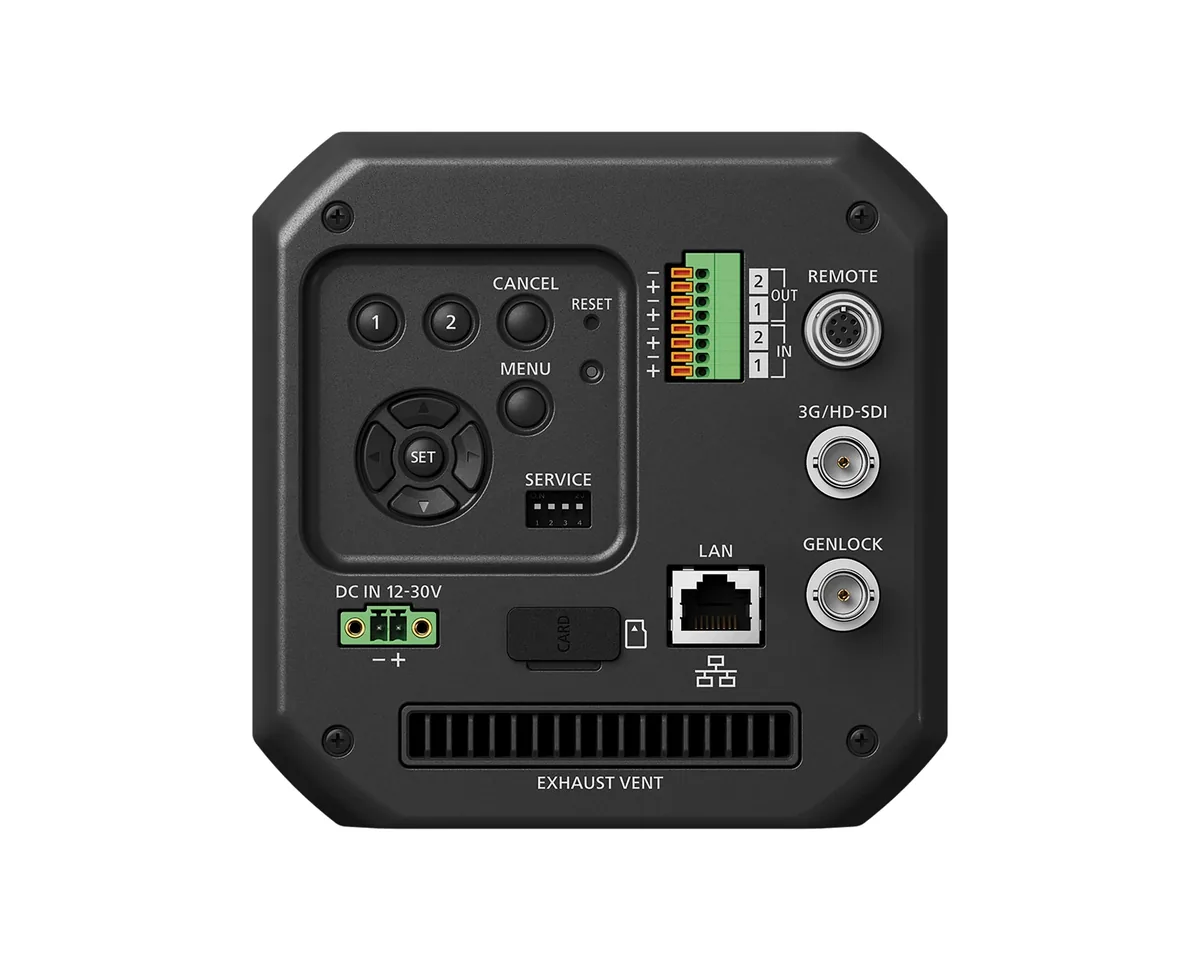
The MS-510 outputs 10-bit 4:2:2 video through 3G-SDI or HD-SDI and can distribute JPEG, H.264 or H.265 video over IP. Ethernet supports streaming and remote control, while Genlock helps synchronize the camera inside a multi-camera installation. Operators can store as many as 20 custom picture configurations and choose presets that favor dynamic range, noise reduction or dark-scene monitoring. Haze Compensation, Smart Shade Control and an infrared Night Mode are intended to make distant subjects more legible rather than to create a cinematic look.
Who actually needs this technology
The clearest use cases are situations in which illumination cannot be added: monitoring wildlife without flooding a habitat with light, observing a harbor across water, tracking a subject through haze or covering a remote site continuously. Documentary and natural-history crews may also find the technology interesting, but the MS-510 is not a general replacement for a cinema camera. Its Full HD ceiling, B4 workflow, external power and specialized controls trade everyday flexibility for sensitivity and reach.
Price and the unresolved availability question
Canon announced an estimated U.S. retail price of $22,800 and said availability was planned for later in 2026. As of September 5, Canon’s U.S. product page also displays “out of stock” and “no longer available,” while support documentation is already online. Those messages do not form a clear retail status, so organizations should contact Canon or an authorized professional-video dealer before budgeting around delivery. The price and timing remain subject to change.
Why SPAD matters beyond one camera
The MS-510 is valuable as a view of a different imaging priority. Most camera development is discussed through more pixels, faster readout or higher frame rates. Photon counting asks what happens when the primary challenge is simply detecting enough light to describe a scene. For now the technology lives in an expensive, specialized Full HD system. If fabrication improves and costs fall, its influence could extend to scientific imaging, autonomous systems and new kinds of night documentary work.