Silence on a timeline is not silence in a room
An interview recording contains more than a voice. Ventilation, distant activity and the recording system create a background that listeners can notice when it suddenly disappears between sentences. Room tone is a recording of that environment without intentional dialogue or action. It gives the editor material to bridge a pause or smooth an edit while retaining the sense of a continuous location. It is not a universal noise-removal tool, and a beautiful recording from a different room may be less useful than an ordinary one made with the actual interview setup.
Make it part of the last take
Before moving the microphone or asking everyone to leave, explain that you need a quiet recording. Keep people in their normal positions where practical, ask them to stop talking and handling objects, and record the space. RØDE’s documentary guidance recommends at least 30 seconds per location; allowing a little extra time can leave more clean material if a chair creaks or someone coughs. This is a starting point, not a guarantee that a busy environment will remain consistent. Listen through headphones rather than assuming a quiet-looking set is a quiet recording.
Preserve the signal path
Use the dialogue microphone, position, direction and recording settings when collecting matching tone. Moving a microphone closer to a wall or changing its direction can change the balance of the room. A lavalier left on the subject and a boom in its interview position may each need their own matching recording. Do not turn up the gain simply because nobody is speaking: the purpose is continuity with the dialogue, not a dramatically loud sample of the air conditioner. If automatic processing changes the recording during pauses, test the result before relying on it for invisible edits.
Record changes instead of pretending they did not happen
A room can sound different after a ventilation cycle starts, a door opens or a crowd arrives outside. If that change affects the interview, capture another labeled tone recording with the relevant setup. Do not switch off essential equipment, safety systems or someone else’s appliances without permission. When a controllable noise can be removed safely before recording dialogue, that is usually a better starting point than planning to hide it afterward. When it cannot, document the condition and leave the editor a clear connection between each sound file and the takes it matches.
Label the recording so it can be found
Use a brief spoken identification before the quiet portion, then leave a clean gap. Note the location, microphone or channel, date and relevant condition such as a door position. A filename or sound report should distinguish room tone from a normal interview take without destroying the original recording identifiers needed for the project. Keep these files with the source media and include them in the verified backup. A useful recording that exists only on an unlabelled card is easy to lose during a rushed handoff.
Build an edit, then listen for the joins
In the edit, choose a clean portion that resembles the background under the adjacent dialogue. Place it where continuity is needed and adjust the transition by listening at a consistent monitoring level. Short fades can soften a join, but they do not make two different acoustic spaces identical. Avoid repeatedly looping a section with a recognizable click, bird call or passing vehicle: repetition can become more distracting than the original pause. Preserve breathing and conversational rhythm where they belong. The goal is not to erase every sign that a person paused to think.
Know when another take is the real answer
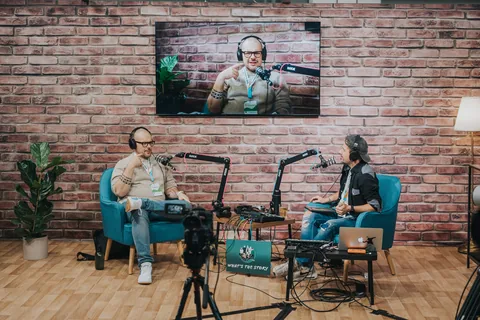
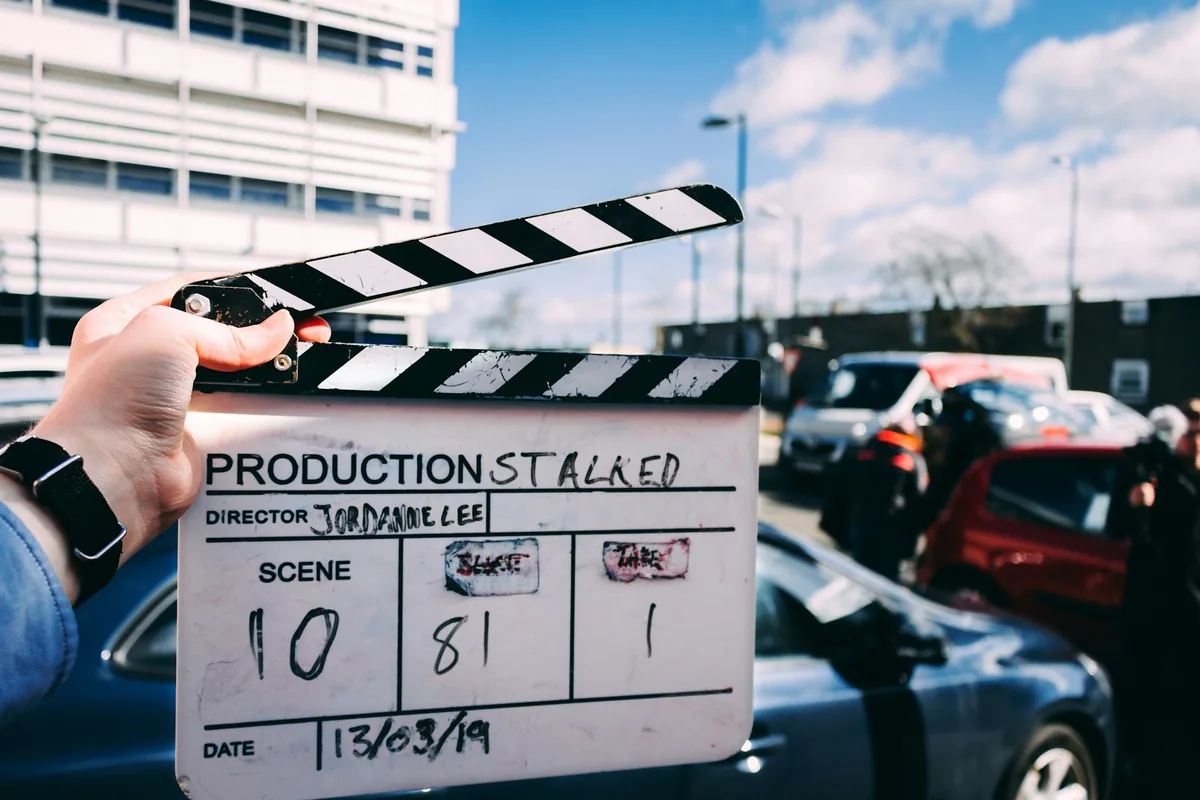
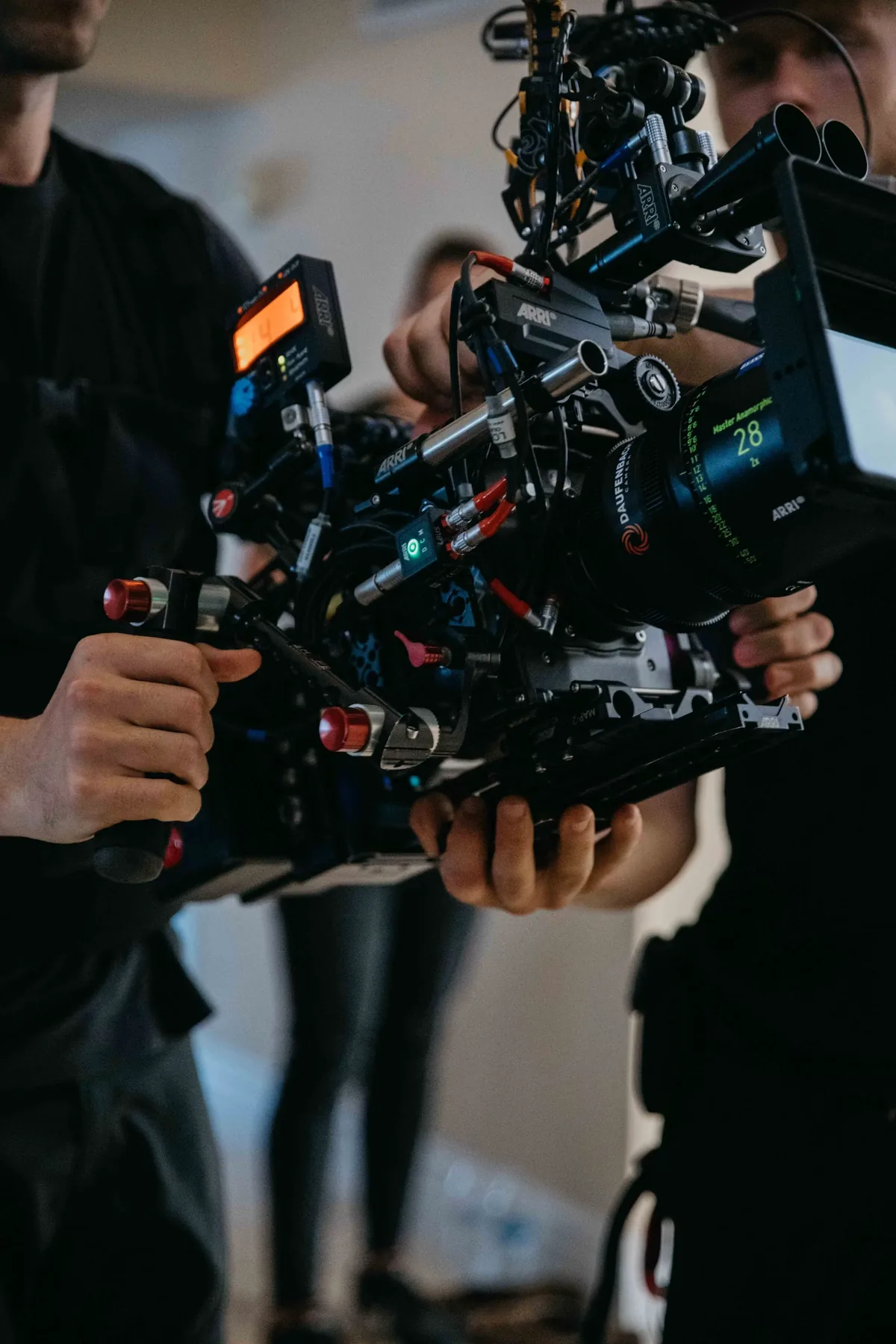
Room tone cannot restore a word covered by clothing noise, rebuild an overloaded recording or make a distant voice sound naturally close. If an important answer is compromised and the situation allows it, ask for a clean repeat while the setup remains available. In documentary work, do not use background sound to imply an event or location that was not there. The photographs accompanying this guide are credited production illustrations, including an archived interview set; they do not demonstrate the sound of those spaces. Before wrapping, listen to the actual dialogue, confirm that the tone file exists and check that both have been saved.