What Canon announced
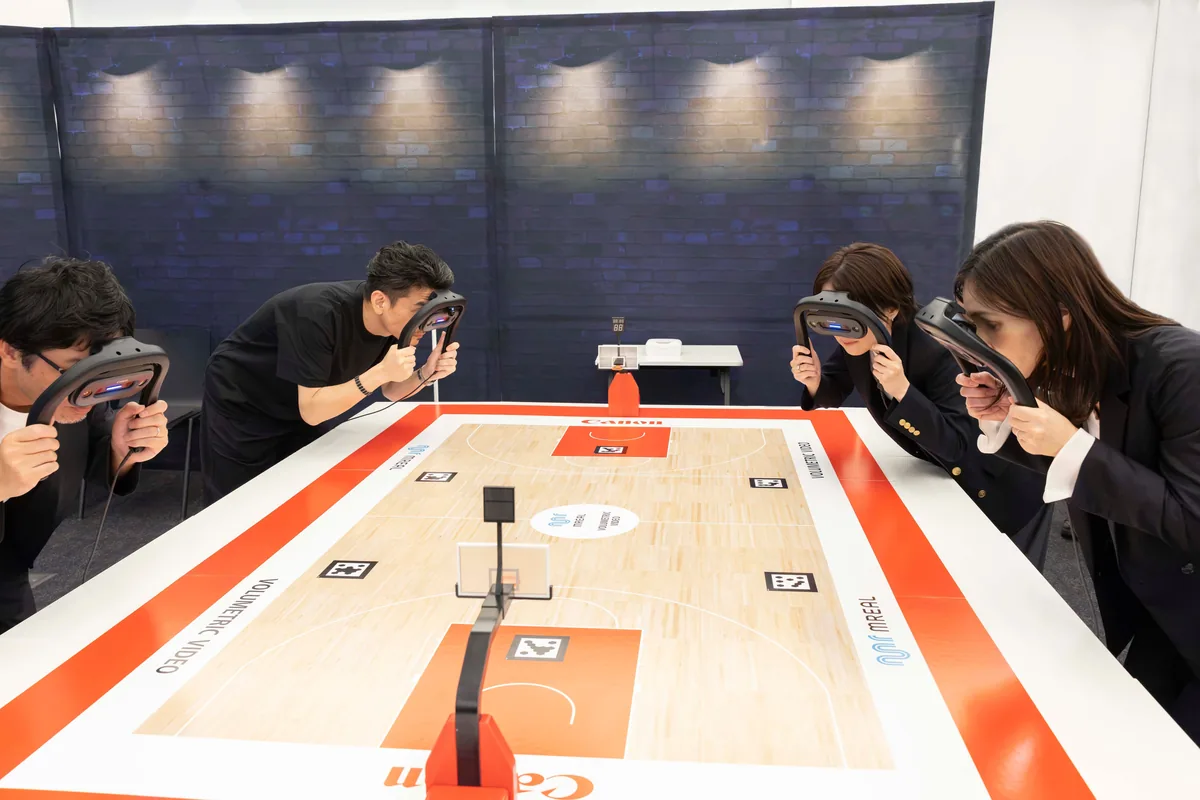
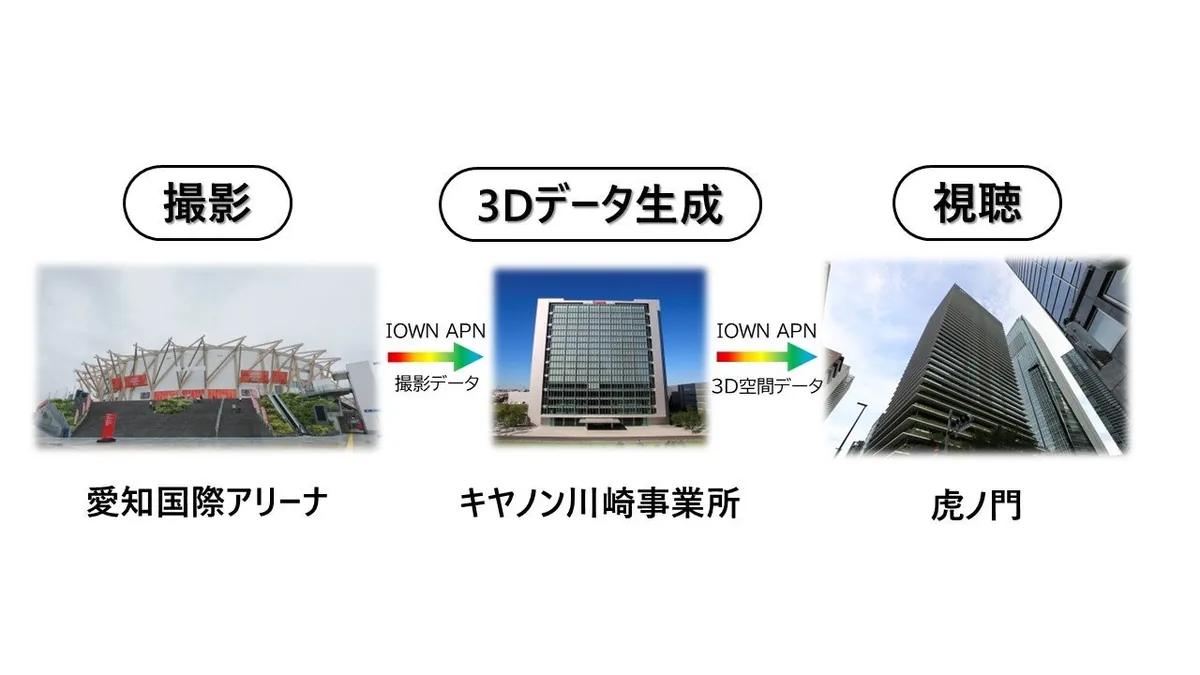
Canon reported today that a September 18 basketball demonstration used approximately 100 cameras at Aichi International Arena, remote 3D processing at its Kawasaki office and mixed-reality viewing in Tokyo. About 60 participants used MREAL devices to inspect the live scene from chosen viewpoints. The links used the NTT-led IOWN All-Photonics Network. Canon describes the particular combination as a world first based on its own research; that is a manufacturer claim, not an independently verified ranking. The announcement supplies no USD package price or commercial launch date.
Why the separation matters
The production question is where equipment and people must be located. A venue has finite space, power and access windows. Moving processing elsewhere could change how a project allocates those resources, but the network then becomes part of the production system rather than a delivery detail. Our reading is that the distributed workflow is the important point to evaluate, not simply whether a viewer can look around a miniature court. Before commissioning a similar installation, map capture, processing, transport and display as separate responsibilities. Ask who owns each handoff and how an operator knows which stage has stopped delivering valid data.
Do not confuse a viewpoint with a conventional camera cut
A familiar sports broadcast presents a selected sequence of camera views. Here the stated goal is a reconstructed scene that a spectator can inspect from different positions. For a commissioning editor, that raises a different set of acceptance questions: which viewing positions are supported, how does detail hold up when the viewpoint moves, and what happens when players obscure one another? Those questions should be answered with representative motion, not only a still publicity frame. We have not inspected the live reconstruction and cannot judge its edge quality, motion consistency or viewing comfort from the supplied photographs.
A practical demonstration checklist
Ask to see an uninterrupted segment that includes rapid direction changes, overlapping players and a wide spread of distances. Note the viewing device, the size of the displayed scene and the network configuration. Then ask for the same sequence during a controlled interruption and recovery. A good acceptance document distinguishes an observed result from a target and records how the measurement was made. “Real time” alone is not a complete timing specification: a buyer should request an end-to-end latency measurement and its test conditions, rather than infer a number from the phrase. This is our proposed evaluation checklist, not a description of tests Canon says it performed.
Budget for the complete experience
A prospective venue or broadcaster should request an itemized scope covering installation, calibration, connectivity, processing, viewing hardware and staffing. Also ask about the rights to capture, reconstruct, store and distribute the event; permission to attend or film from one position should not be assumed to cover every subsequent use. Those are procurement questions, not legal conclusions about this demonstration. Compare the proposed experience with the audience need: a shared installation, a premium remote event and an ordinary phone stream are different deliverables. A technically impressive pilot does not by itself establish demand or a sustainable operating cost.
What to watch next
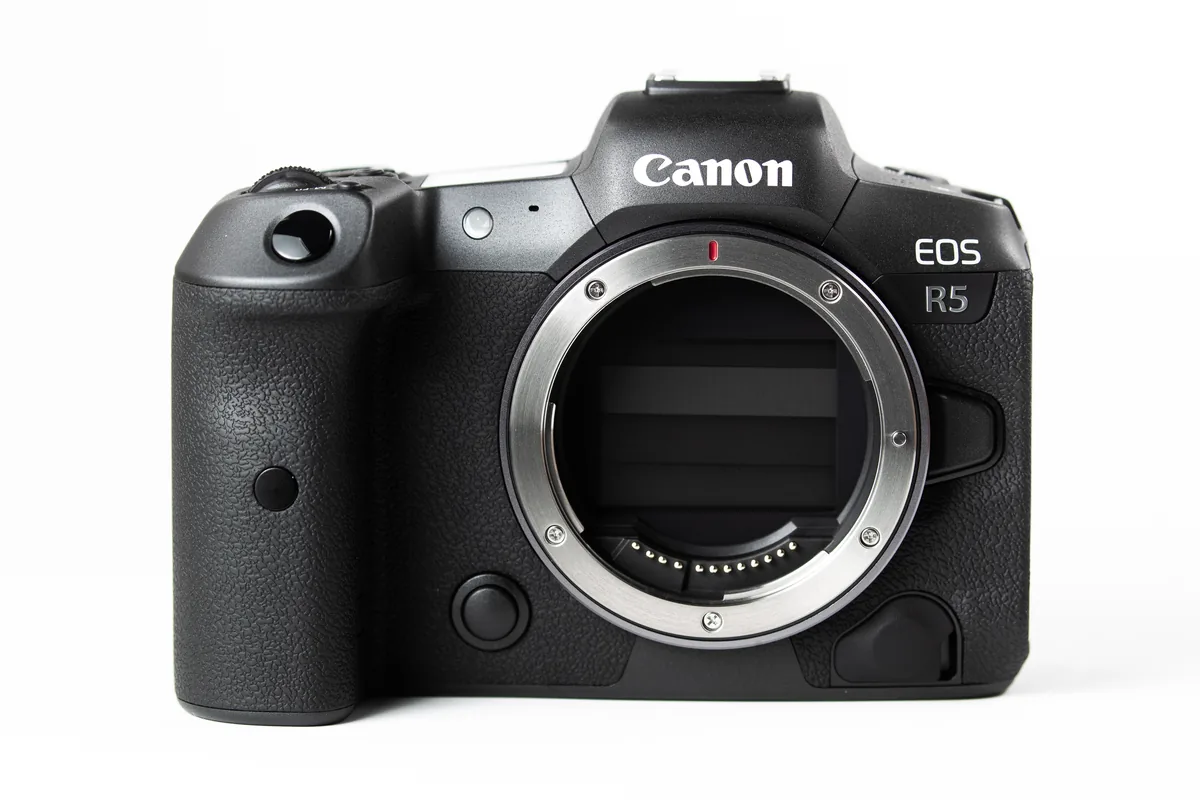
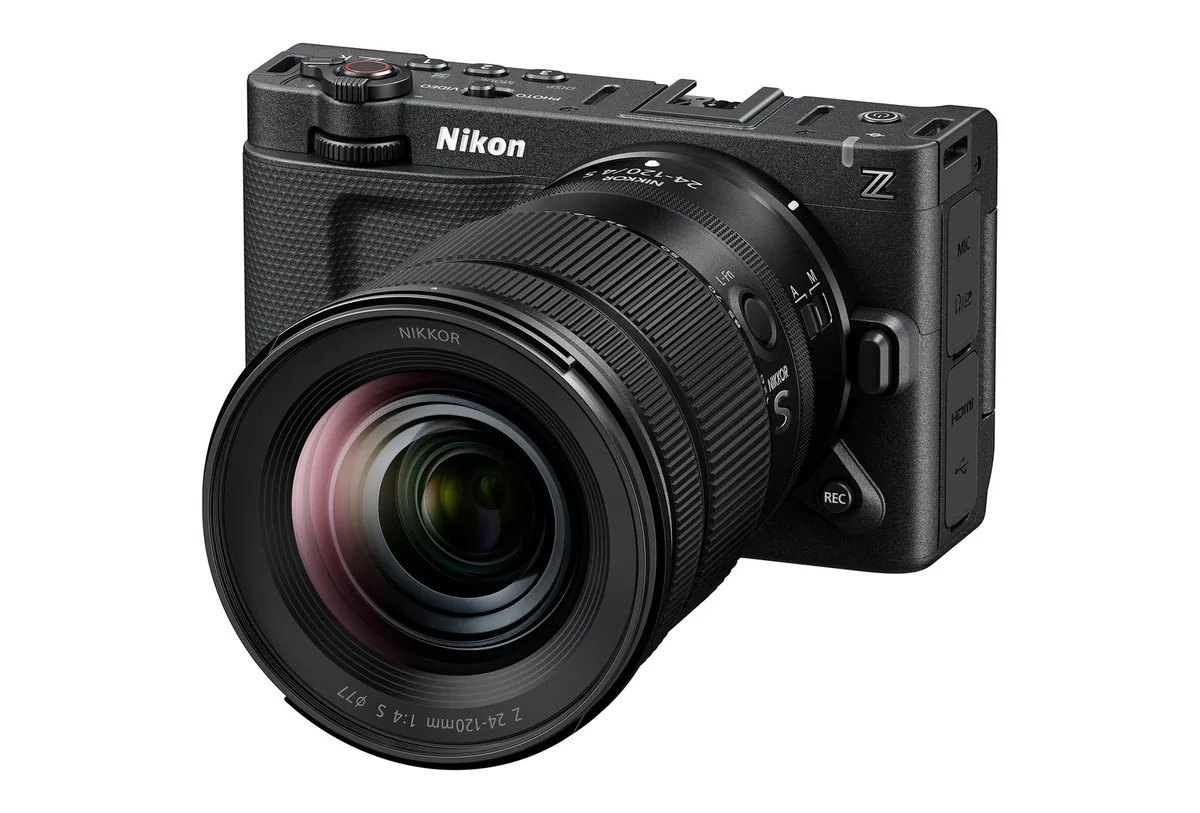
The useful next evidence would be a defined service, supported deployment conditions and independently inspectable output. Until then, treat this as a reported demonstration of a distributed imaging workflow. The accompanying photograph shows participants at the viewing site; the Japanese-language diagram maps capture, processing and viewing from left to right. Neither is a substitute for evaluating the reconstructed video. For small production teams, the immediate lesson is to document the entire signal path and its failure modes—even when the project involves only a camera, recorder and monitor.