Start with who will operate the lens
The useful difference between a cinema lens and a photographic lens is often operational, not whether either can make an attractive image. A scripted scene with repeated focus marks asks different things of a lens from a one-person documentary following unpredictable action. Before comparing products, write down who will focus, whether the subject can repeat a movement and whether the camera is supported or carried. If autofocus is central to the job, do not discard it just because manual operation looks more professional. If an assistant must repeat an exact pull across many takes, precise mechanical control may be the more valuable feature.
Focus rotation is a working tool
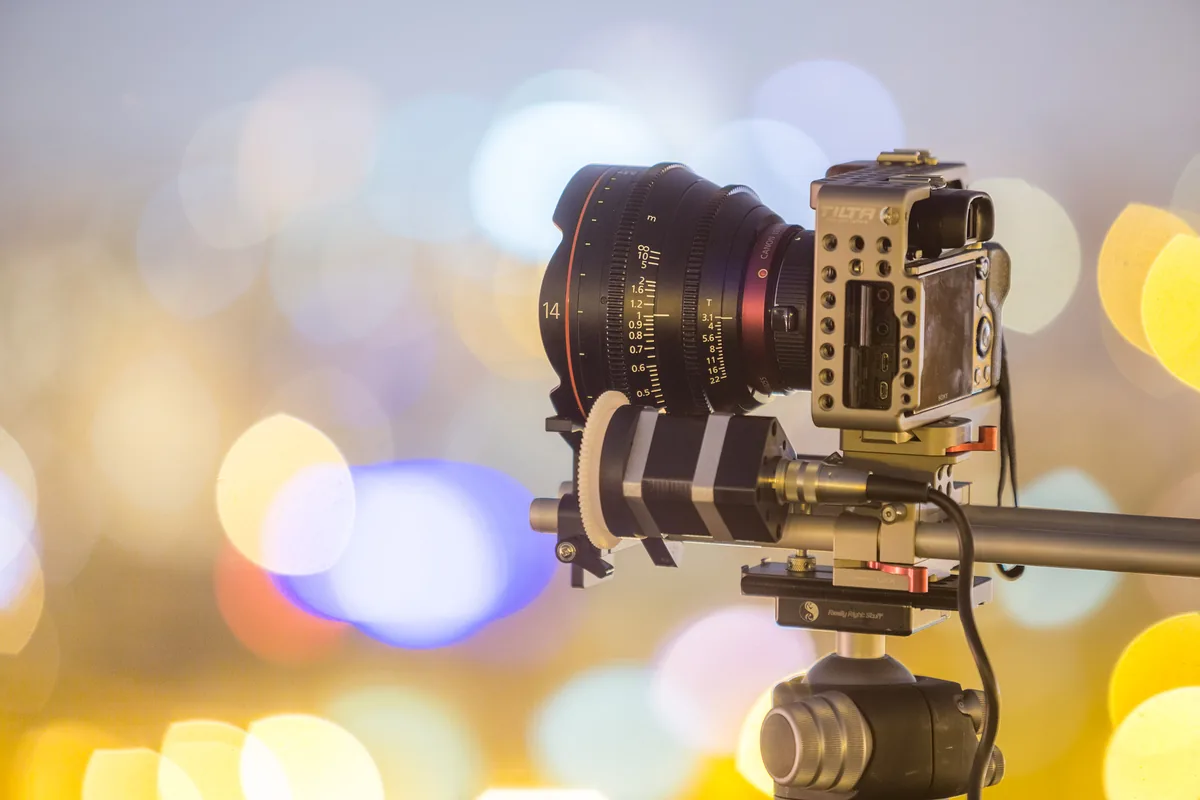
Cine lenses commonly provide geared rings, clear distance scales and substantial focus rotation. These can make small adjustments easier to control with a follow-focus unit or motor. ZEISS also points out the tradeoff: a long rotation that suits a focus puller can be awkward for an operator turning the ring by hand in one movement. Try your planned near and far marks before renting or buying. Check clearance around the cage, cables and matte box, and ask whether the focus movement is repeatable. Electronic focus-by-wire behavior varies; a ring that looks familiar may respond differently depending on camera settings and how quickly it is turned.
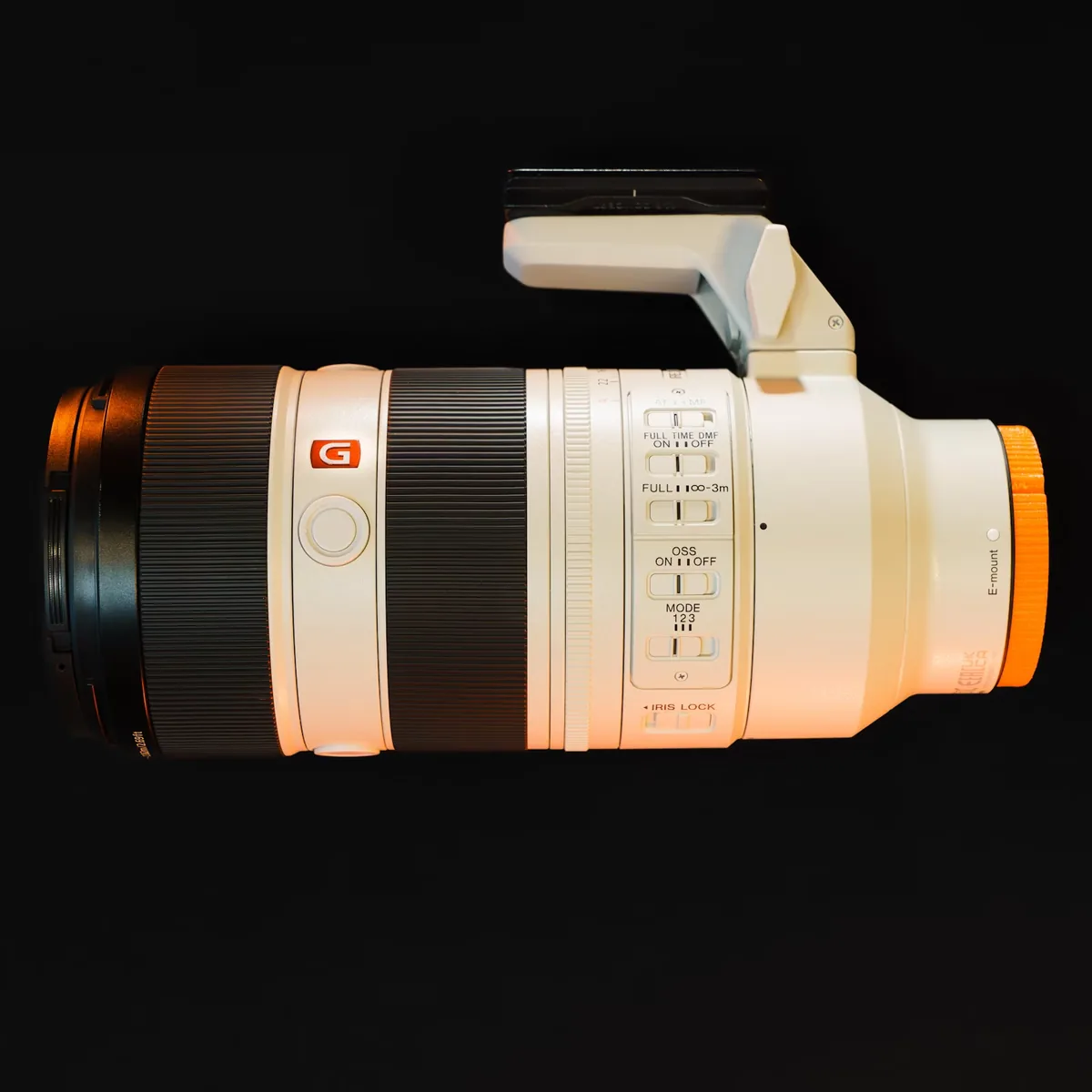
T-stops are about exposure, not a different kind of blur
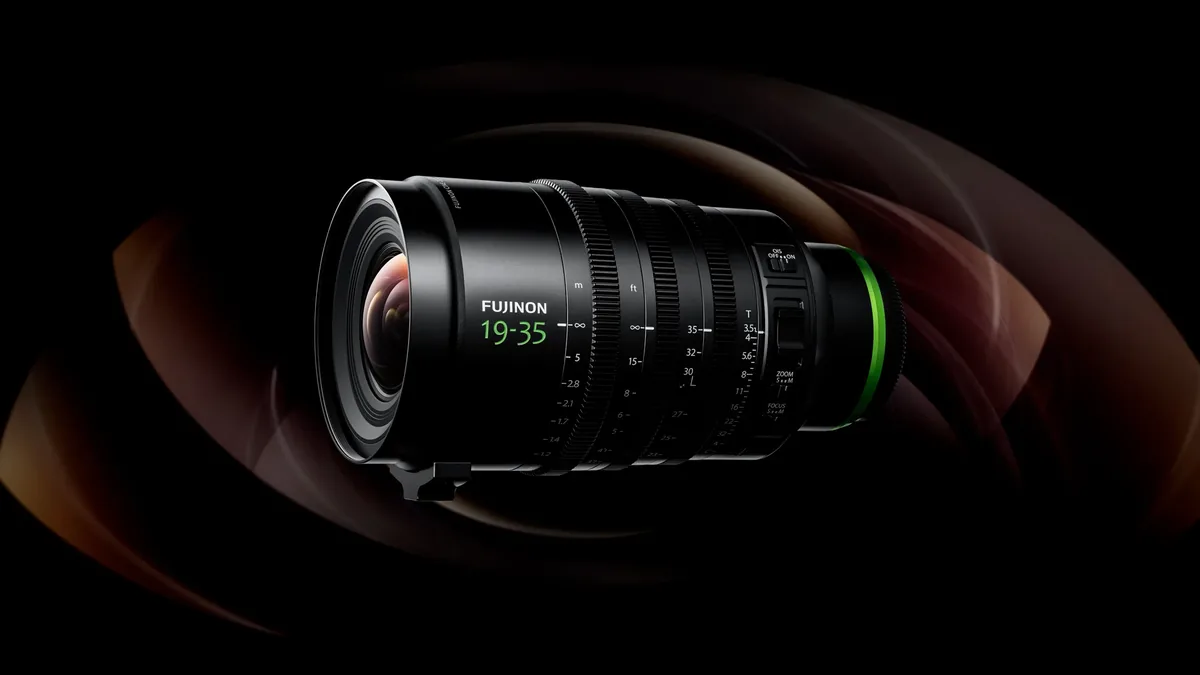
An f-number expresses the relationship between focal length and entrance-pupil diameter. A T-stop additionally accounts for light lost as it passes through the lens. Cinema lenses use transmission markings to help match exposure when changing lenses. That is not a promise that all lenses set to the same T-stop produce identical depth of field, color or flare. For a multi-lens shoot, record a neutral reference under unchanged lighting and compare the files with consistent processing. Keep focal length, subject distance and the intended framing in mind. The label on an aperture ring is useful information, but it is not a complete description of the image.
Separate parfocal performance from breathing
A parfocal zoom maintains focus as focal length changes; focus breathing is a change in framing as focus distance changes. They are different behaviors and need different tests. For the first, focus on a stationary subject and zoom while checking sharpness. For the second, keep the zoom and camera position fixed and move focus between near and far subjects while watching the edges. Canon’s cinema-zoom documentation addresses these characteristics separately. Do not assume that every lens marketed for cinema eliminates both. Test the actual copy, camera mount and working distances, especially if an adapter is involved. A category name cannot substitute for seeing the proposed shot.
Hybrid lenses complicate the old dividing line
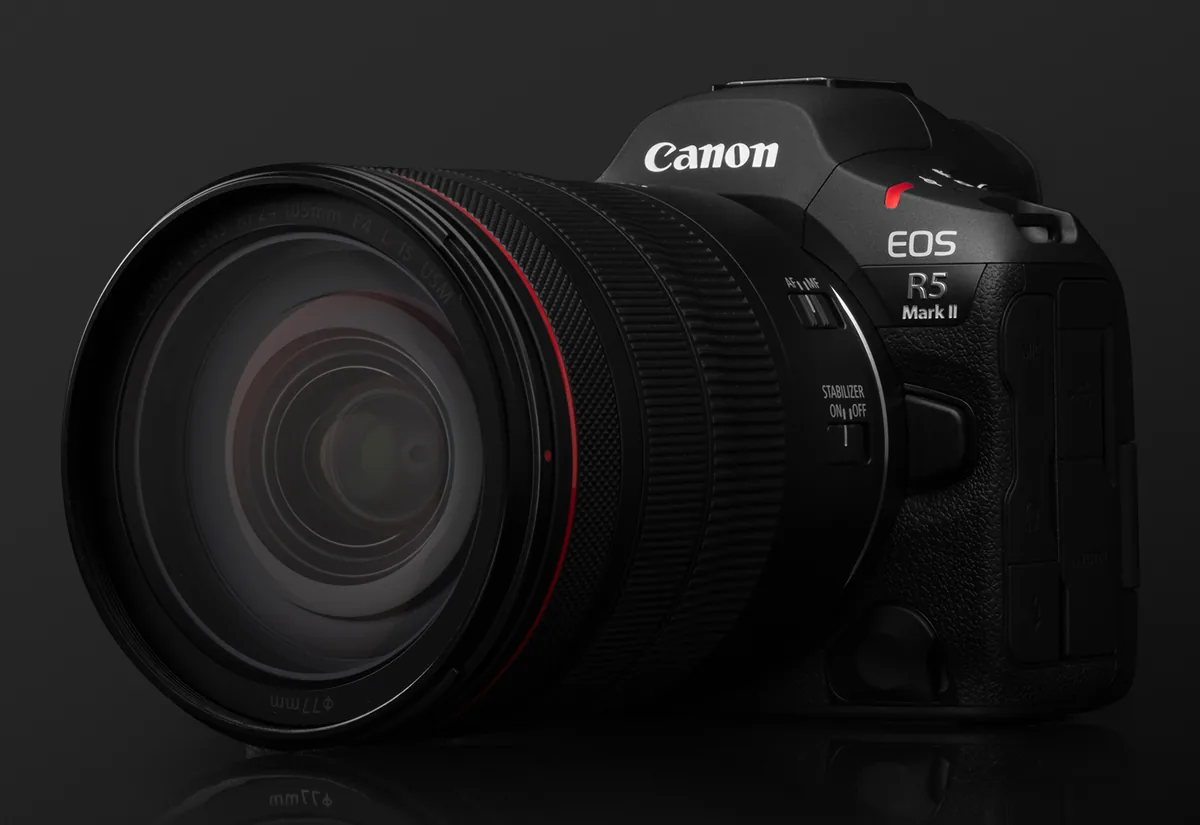
Modern hybrid lenses can combine photographic conveniences with video-oriented features such as a smooth iris ring and reduced breathing. Canon’s hybrid-lens guidance describes designs intended to serve both stills and motion work. That makes a rigid photo-versus-cine hierarchy unhelpful. A compact autofocus lens may be the sensible choice for a gimbal or an event where subjects cannot wait; a geared manual lens may fit a controlled set. List the controls you need to change during recording, then check how smoothly and quietly the complete system performs those actions. Include the recorded audio in that test rather than assuming a movement that feels smooth is also inaudible.
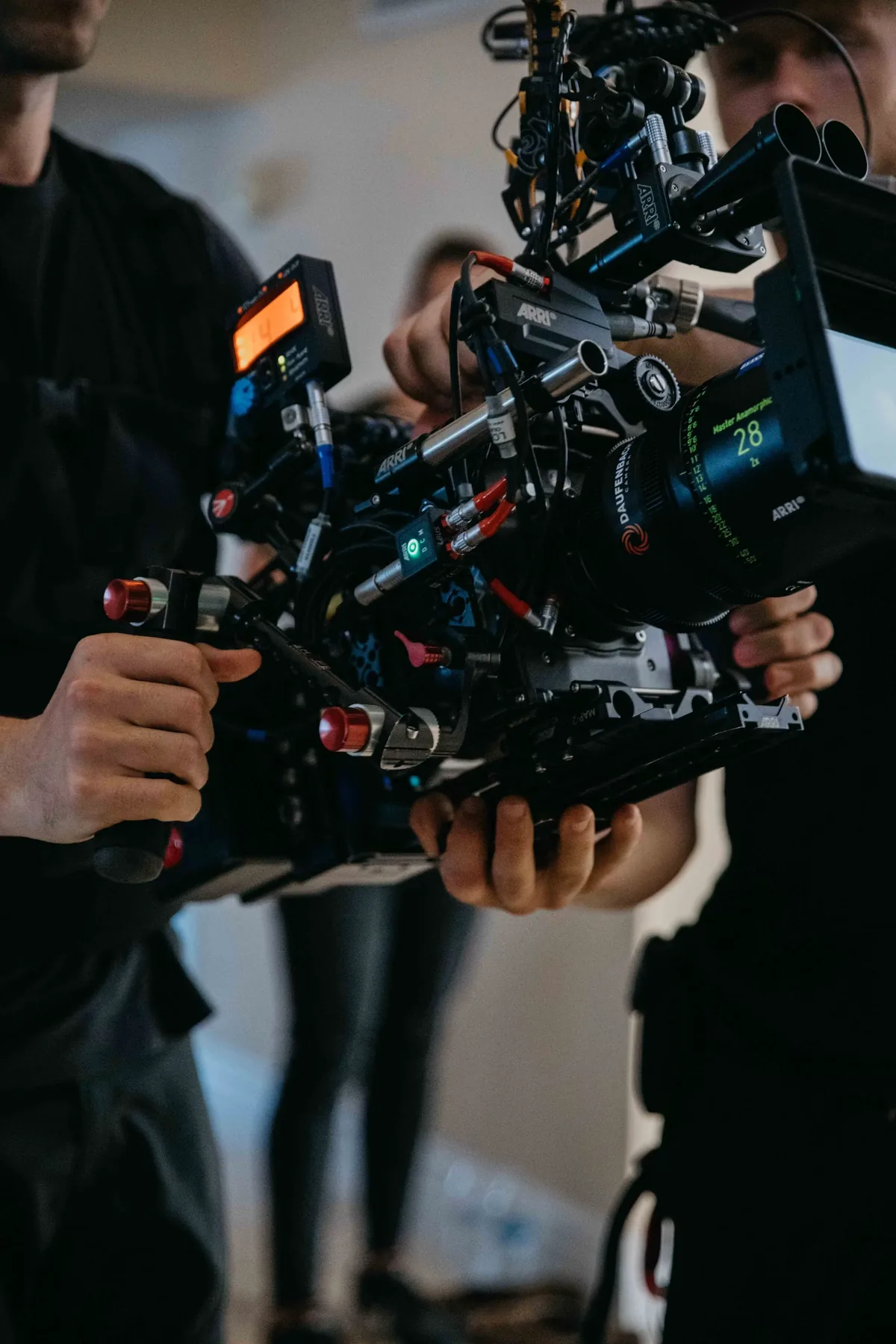
The rig must survive the lens change
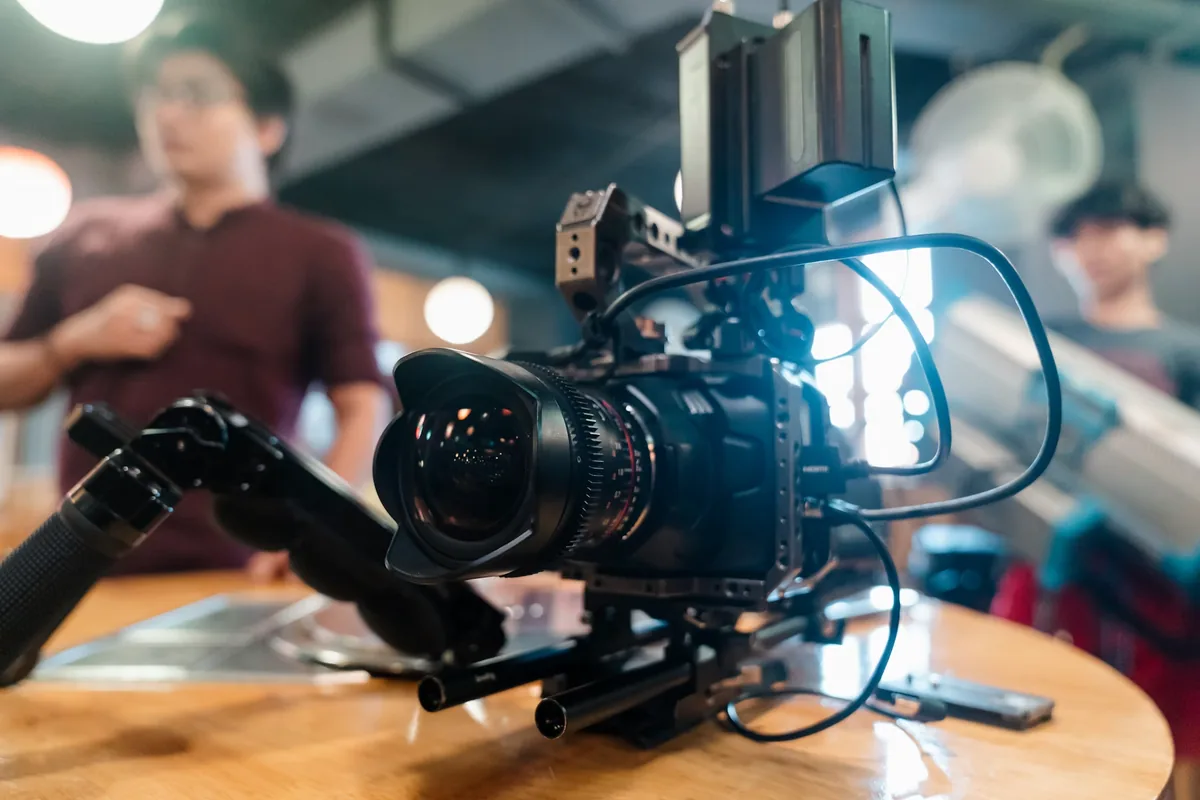
Matching gear positions and front diameters across a cine-lens family can reduce the adjustments needed during a lens swap, as Canon explains for its cinema primes. For a small crew, saved setup time may matter more than an isolated optical specification. Before committing, assemble the camera with the support, monitor and power arrangement you will actually use. Check balance, lens support, mount clearance and whether accessories can remain in place. Verify sensor coverage in the recording mode you intend to use. A lens that fits the mount can still be the wrong choice for the sensor area or the physical demands of the setup.
Compare the complete cost with a short rehearsal
There is no useful single dollar price for either category: focal length, coverage, mechanics and support requirements vary too widely. This is a workflow guide, not a recommendation to buy the equipment pictured. Request a complete rental or purchase quote, including support and focus accessories, and rehearse three shots: a locked interview, a repeatable focus pull and a handheld move. Review the final export for missed focus, unwanted framing changes and operating noise. Note how long each setup takes. Choose the kit that reliably delivers your scenes with your available crew. A simpler lens that gets the shot is a better investment than a more elaborate system you cannot operate comfortably.