Start with what is failing
A blurred hand, a leaning vertical edge and a striped background can have different causes. Before changing modes, identify the defect in the recorded file. Blur follows movement during an exposure. Distortion can arise when different parts of the frame are captured at different times. Uneven bands can occur when changing light interacts with exposure timing. A faster displayed shutter speed may reduce blur without solving the other two problems. Treat the shutter menu as a set of tradeoffs to test, not a ladder with silent electronic capture automatically at the top.
Three labels that should not be collapsed into two
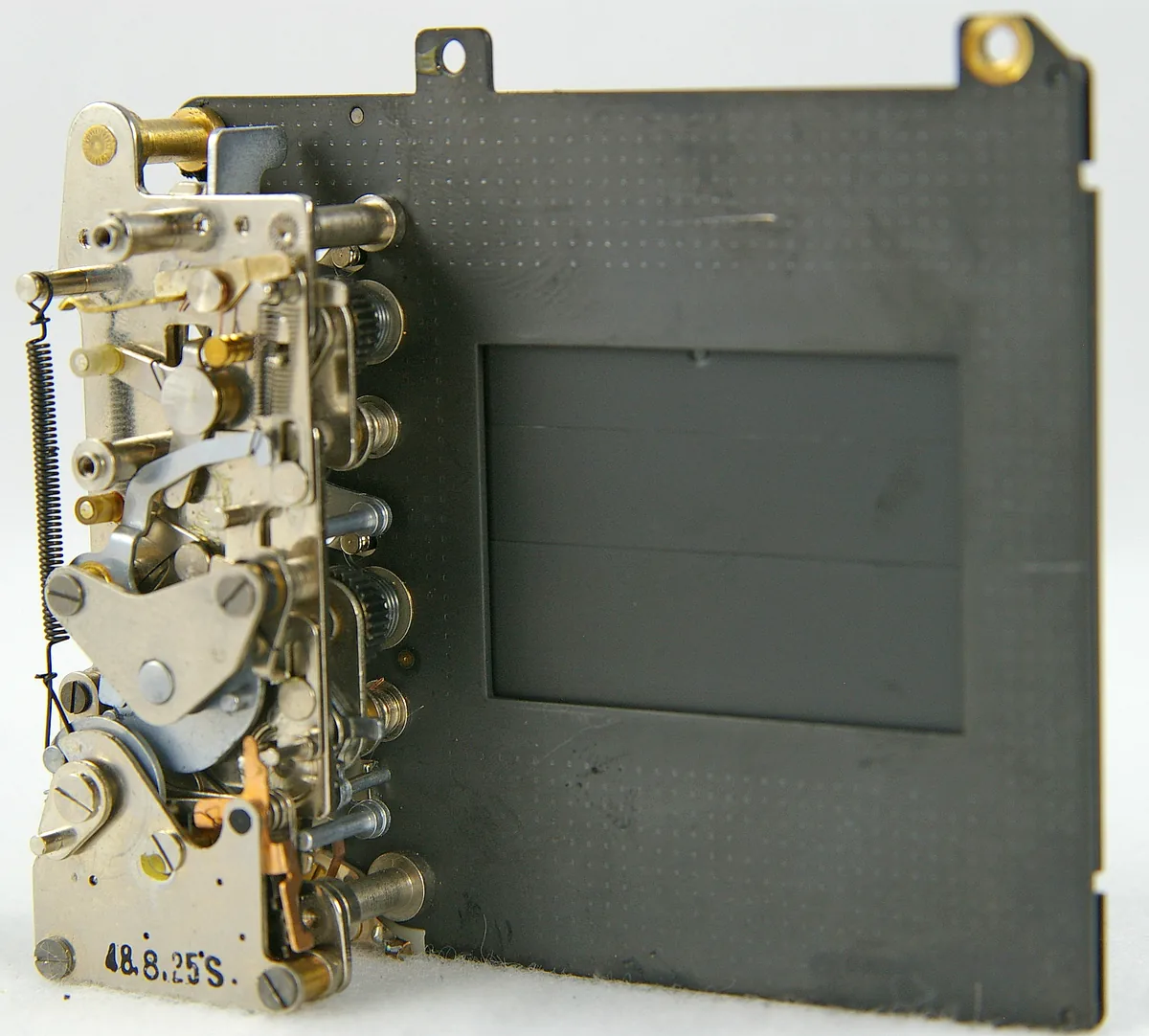
A mechanical focal-plane shutter uses moving curtains or blades to control exposure. Electronic first-curtain begins exposure electronically and ends it with a mechanical curtain. A fully electronic mode does not use moving curtains to time the exposure, but many sensors still capture successive rows at different moments. A global electronic shutter exposes the frame simultaneously. The practical question is therefore not simply whether a camera is mirrorless or silent. It is how the selected mode times the exposure and which restrictions the manufacturer applies to that mode. Check the manual for the exact body and firmware.

Make a lighting test before the subject arrives
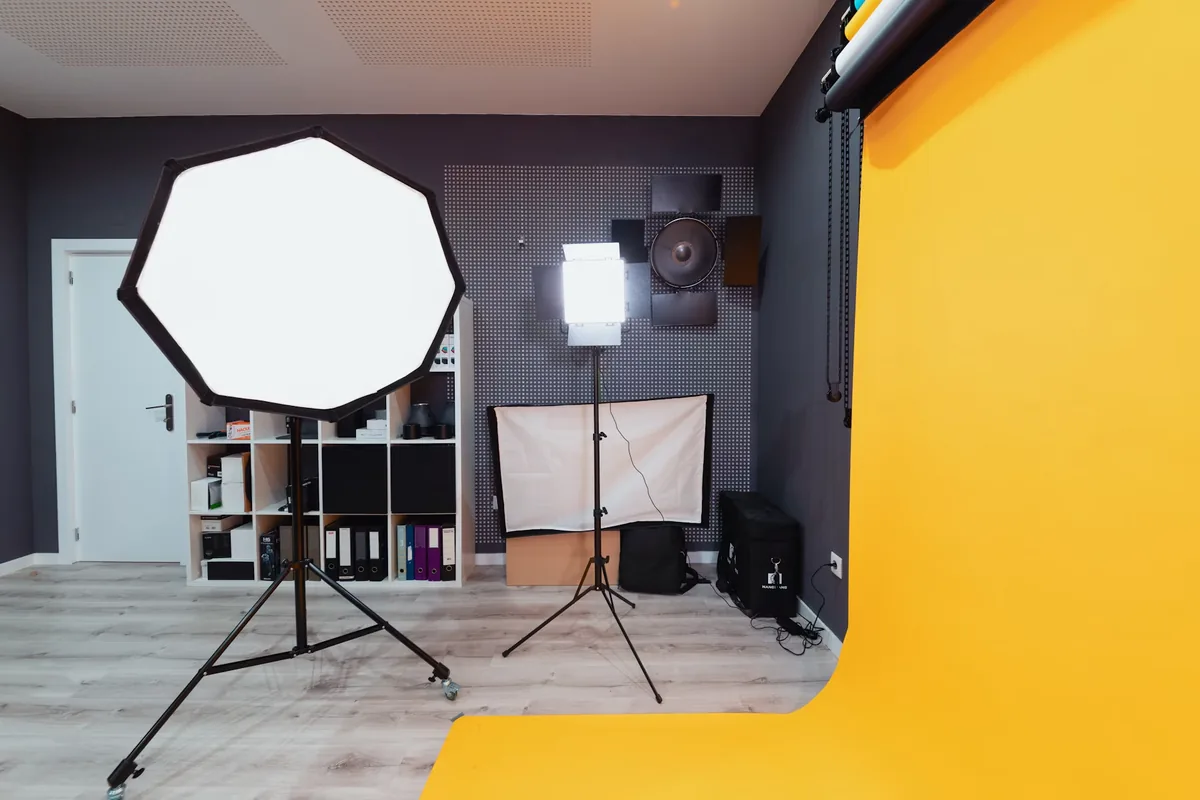
Use a stationary subject with an evenly lit area and some midtone detail. Fix framing, aperture, ISO and white balance, then make a short sequence in each available shutter mode at the intended exposure time. Test under the actual fixtures and dimmer settings; daylight near a window is not a substitute for a venue’s LEDs. Inspect multiple frames for bands and brightness changes. If the problem appears, try a slower exposure and the appropriate anti-flicker setting while preserving a usable exposure. Do not assume one clean frame proves the whole sequence is safe.
Test movement separately
Next, keep the lighting stable and photograph a repeatable moving subject with a stationary vertical reference in the background. Compare the shape of the subject and reference as well as sharpness. A pan can make scan-related distortion easier to notice, but do not create a hazardous movement or distract someone operating a vehicle. Use a harmless repeated gesture instead. If the shape improves in one mode while blur remains, that is useful evidence: the mode and exposure duration are solving different problems. Repeat at the speed you actually expect to use rather than only at the camera’s maximum burst setting.
Read the exceptions, especially around flash
Canon’s original EOS R6 manual, for example, warns of electronic-shutter distortion and banding, and disables flash in that mode. It also describes possible changes to out-of-focus areas when electronic first-curtain is used near maximum aperture at high speeds. Those are model-specific cautions, not a claim about every Canon camera. Sony’s support guidance likewise distinguishes several bodies and their electronic-shutter restrictions. If a menu option disappears, stop and identify the incompatible setting instead of assuming the accessory is defective. A flash assignment deserves its own synchronization check before the event.
Save a tested setup, not a universal rule
Record the mode, exposure, light source and result in a short note. For a quiet ceremony, silence may matter more than maximum speed; for rapidly moving subjects, predictable shape may matter more than silence. Mechanical operation can be a useful fallback, but it still cannot guarantee freedom from every lighting artifact. Carry out a brief check whenever the venue or lighting changes. Our accompanying mechanical-shutter and shooting-context photographs illustrate the subject only. They are not before-and-after evidence, and no exposure settings should be inferred from them. The best mode is the one that survives a representative test while meeting the assignment’s constraints.