The announcement and the delivery window
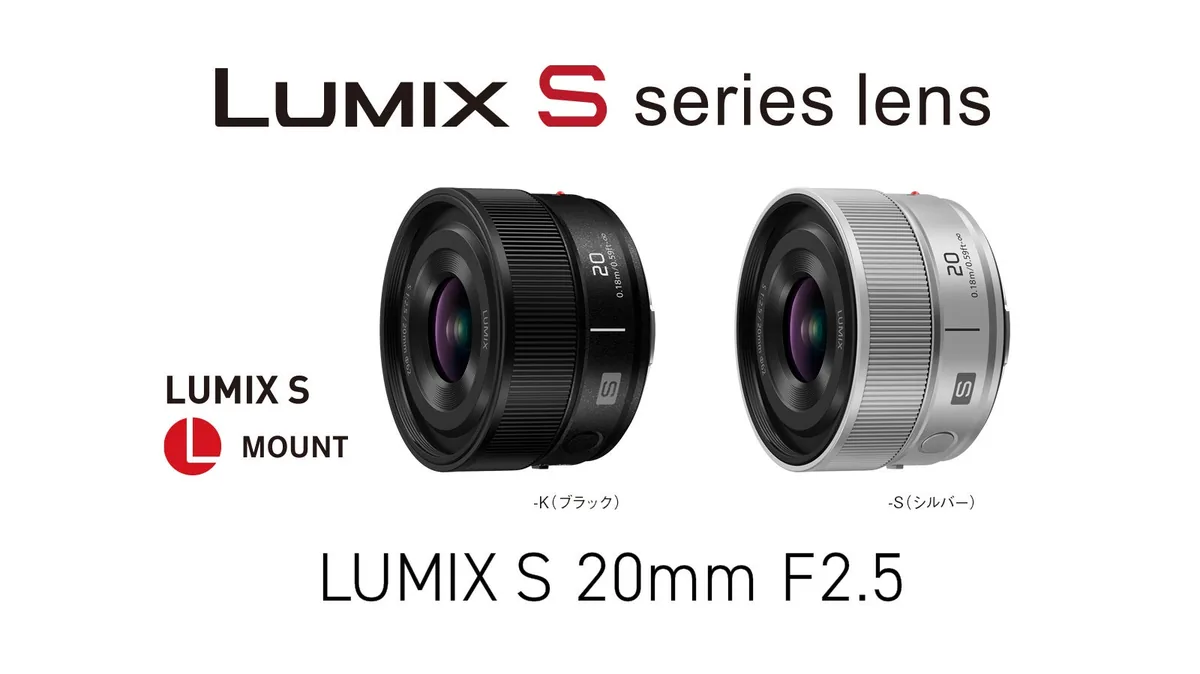
Panasonic announced the LUMIX S 20mm F2.5, model S-S20, on September 16. The full-frame L-mount prime has an announced US price of $499.99, with shipping expected to begin in October 2026. Black and silver versions are planned. An announcement is not confirmation that a retailer has stock ready to dispatch. Check the exact version, delivery estimate and return terms before ordering. We have not tested a production sample; the assessment here concerns the announced design and the photographic decisions it invites, not measured optical performance.
A small lens changes what stays in the bag
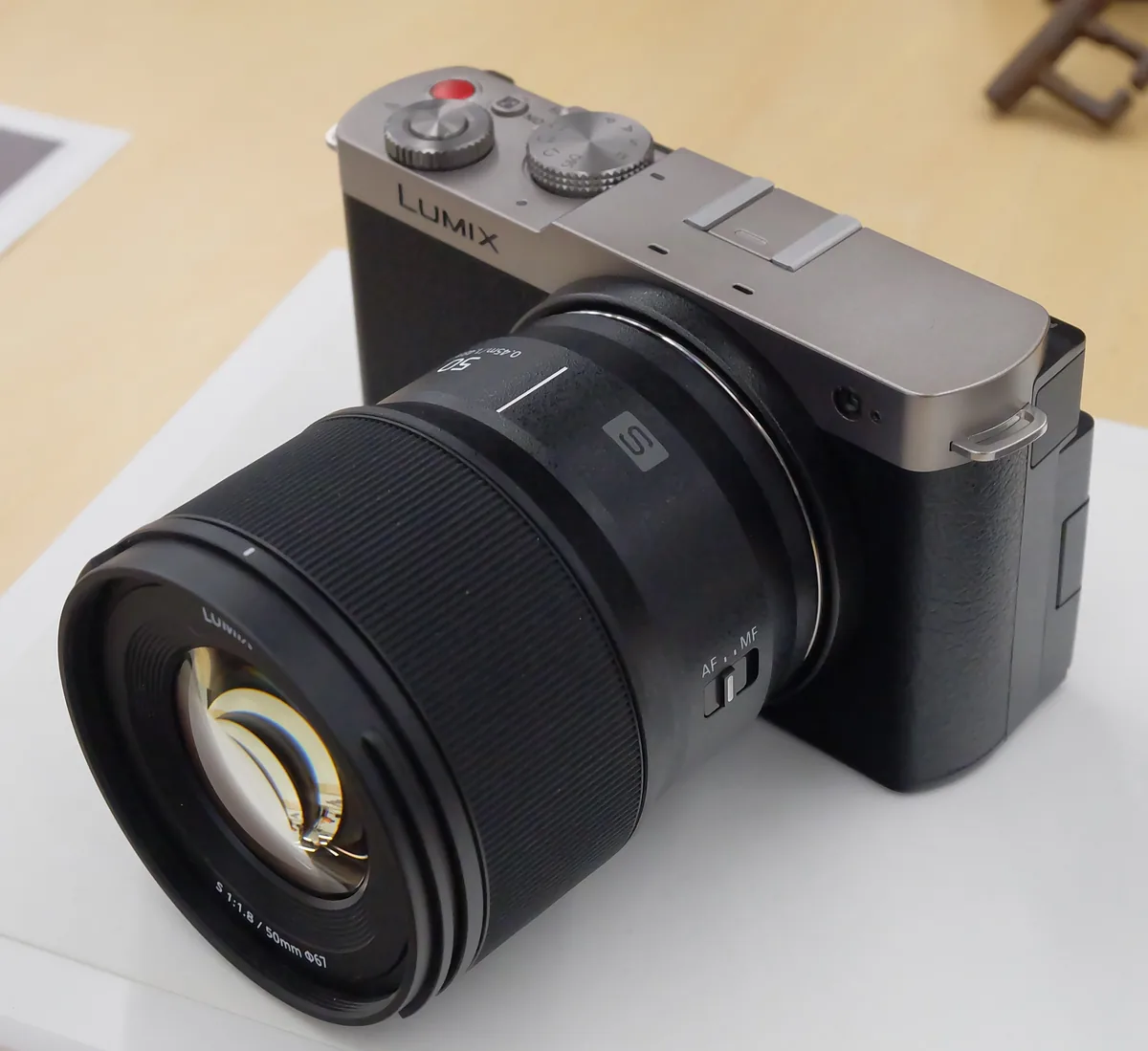
Panasonic lists a weight of approximately 142g and a length of 40.9mm. That makes portability central to the proposition. For a walk, a lighter camera combination can be easier to keep accessible instead of buried under other equipment. But the useful comparison is the entire carried kit: body, lens, battery, strap and any video support. Put your present kit on the table and identify what actually prevents you taking it out. If the problem is a cumbersome bag or slow access, changing those may help more than replacing the lens.
Compose the foreground before filling the corners
A wide view collects distractions as readily as it collects scenery. Our suggested exercise is to pick one nearby anchor—a doorway, a bicycle or a person with permission—and then check every edge before releasing the shutter. Move a little left or right to separate overlapping shapes. Keep people away from the extreme edges when their proportions matter, and watch what happens as the camera tilts upward. A wide focal length does not supply a composition by itself. It rewards deliberate distance and viewpoint, particularly when a foreground subject must coexist with a busy background.
Close focus is not the same as a macro assignment
The manufacturer specifies a closest focusing distance of 0.18m. That can invite close foreground compositions, but it should not be mistaken for a promise of macro reproduction. Focus distance is measured from the camera’s sensor plane, not from the front of the lens. When working near a subject, check that the camera or your own body is not blocking the light. Begin with a static object and leave room to adjust position. For a person, explain the intended framing first; moving a wide-angle camera very close can feel intrusive and changes the relationship between near and distant features.
Video: test transitions rather than assuming them
Panasonic says the lens suppresses focus breathing. That remains a manufacturer claim until independently tested. A useful rehearsal is a slow focus transition between a foreground object and a background sign, with the camera locked in place. Watch whether the framing changes and whether the transition distracts from the subject. Repeat with the camera settings you actually use. If stabilization or a delivery crop narrows the view, compose with that final frame in mind. A compact wide prime may suit travel sequences, but a comfortable handheld setup still needs usable sound and a shooting pace that leaves time for steady takes.
Keep the lens and firmware dates separate
The company also plans camera and application updates for October 13. That is a separate timetable from the lens’s broader October shipping window. Before an important assignment, avoid treating an announced software feature as already installed: check the exact camera model, firmware version and release notes. Our buying advice is to write down one picture or sequence your current equipment cannot make comfortably, then try a comparable wide view before purchasing. If you already own a zoom covering this angle, set it there for a day. The exercise reveals whether you want the perspective, the smaller package, or simply something new.