Begin with the distance you naturally keep
A 35mm lens asks you to enter the scene if you want a person to occupy much of the frame. A 50mm lets you hold a little more distance while preserving a similar subject size. That difference changes more than framing. It affects whether people notice you, how quickly you can move through a crowd and how much confidence you need to step forward. Before comparing sharpness or maximum aperture, notice where you instinctively stand. The focal length that matches that working distance will usually feel faster than the one that forces you to perform a different personality.
What 35mm does well
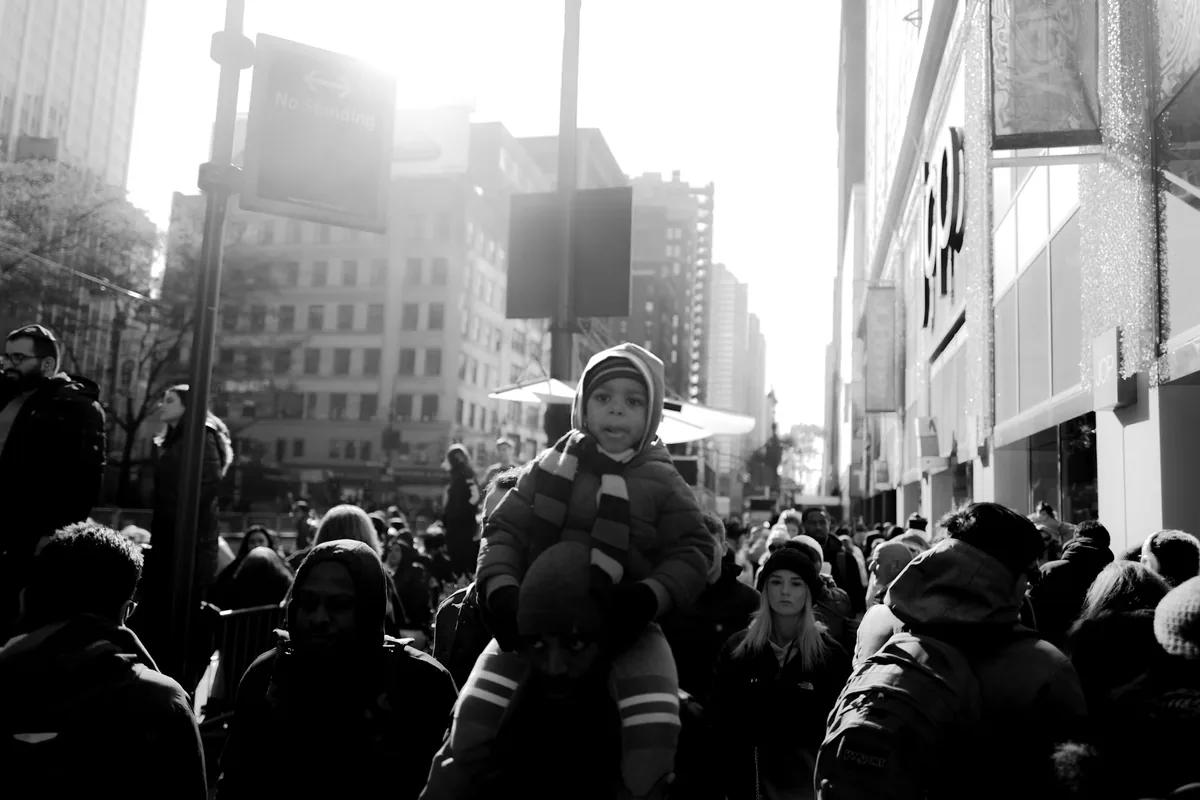
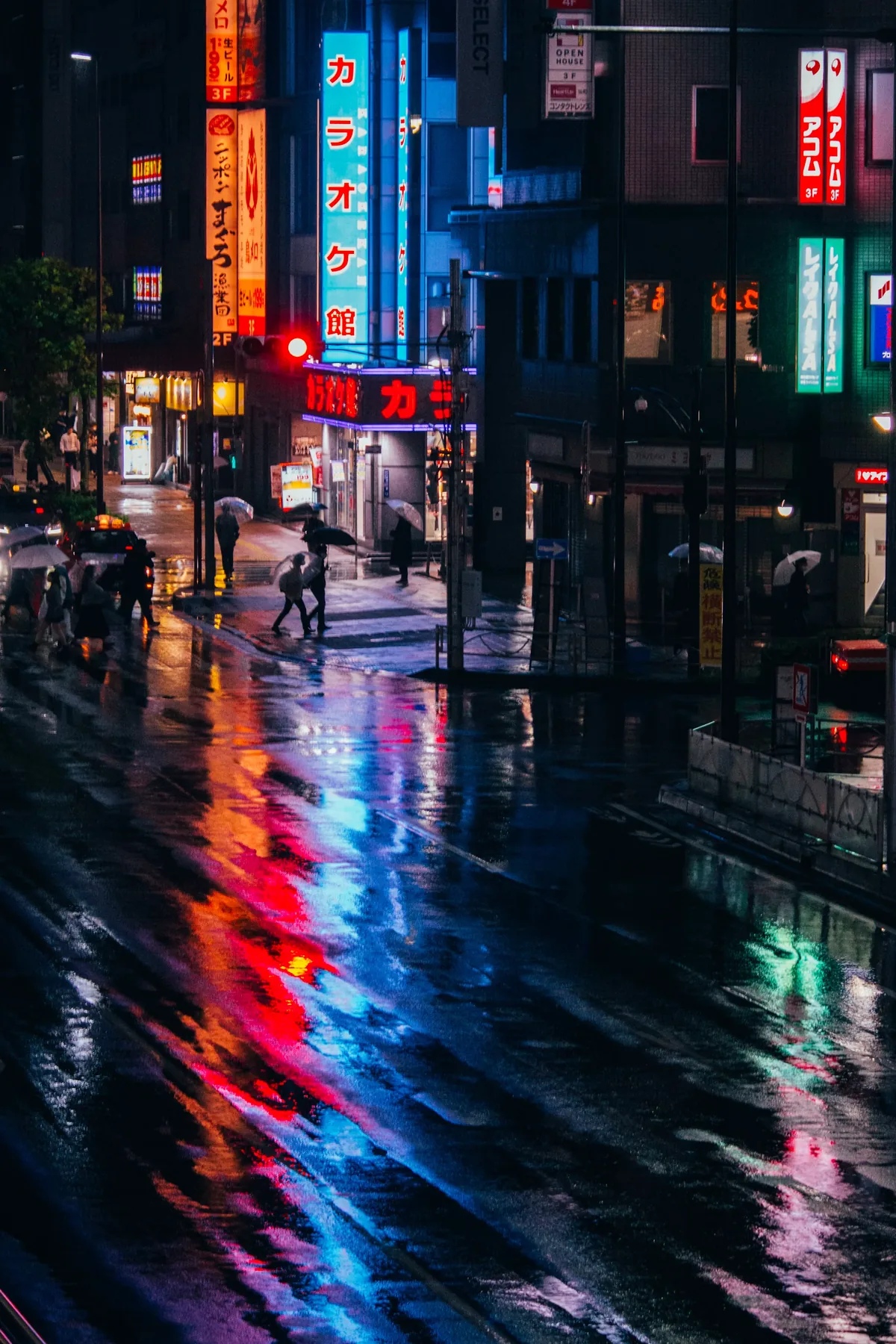
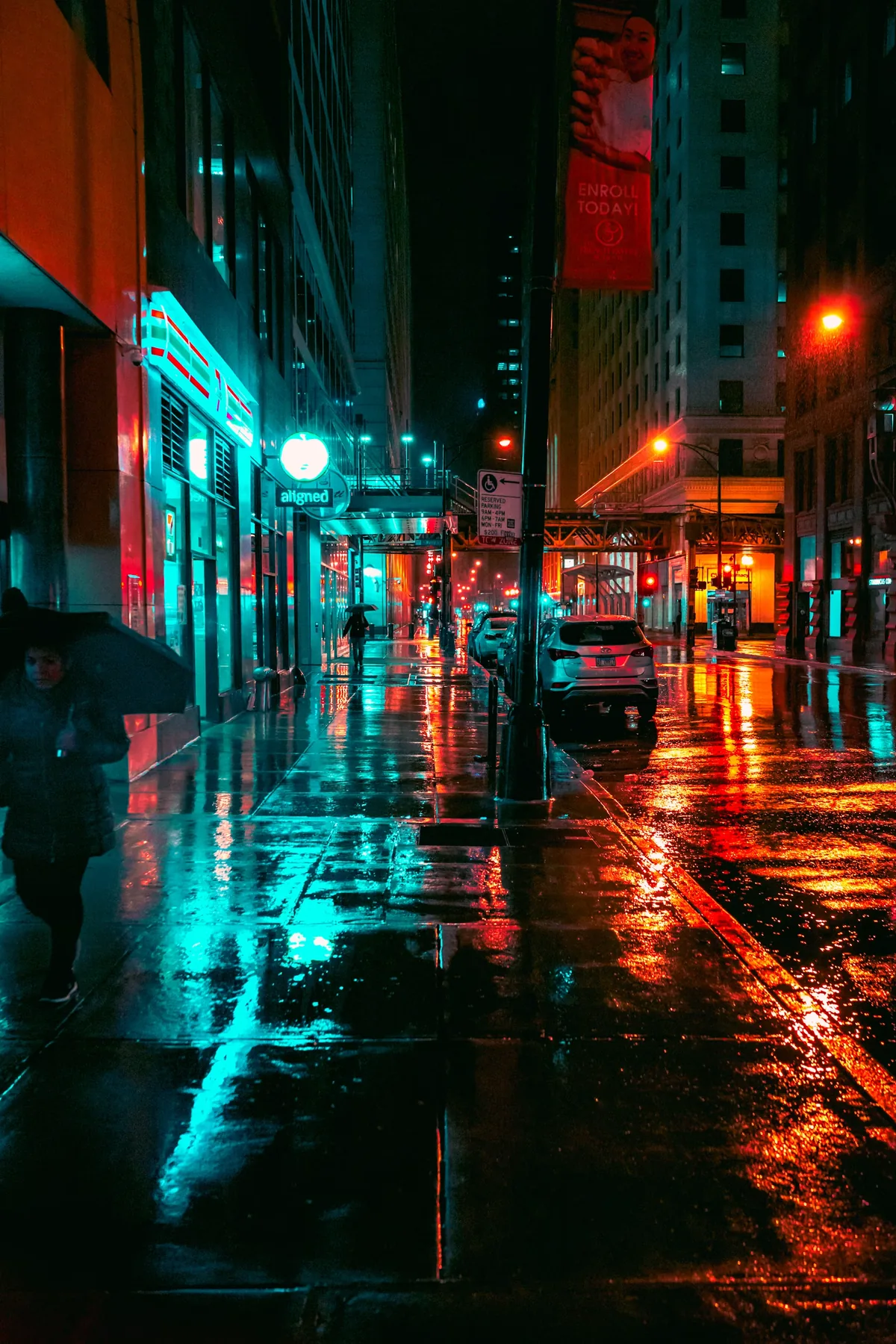
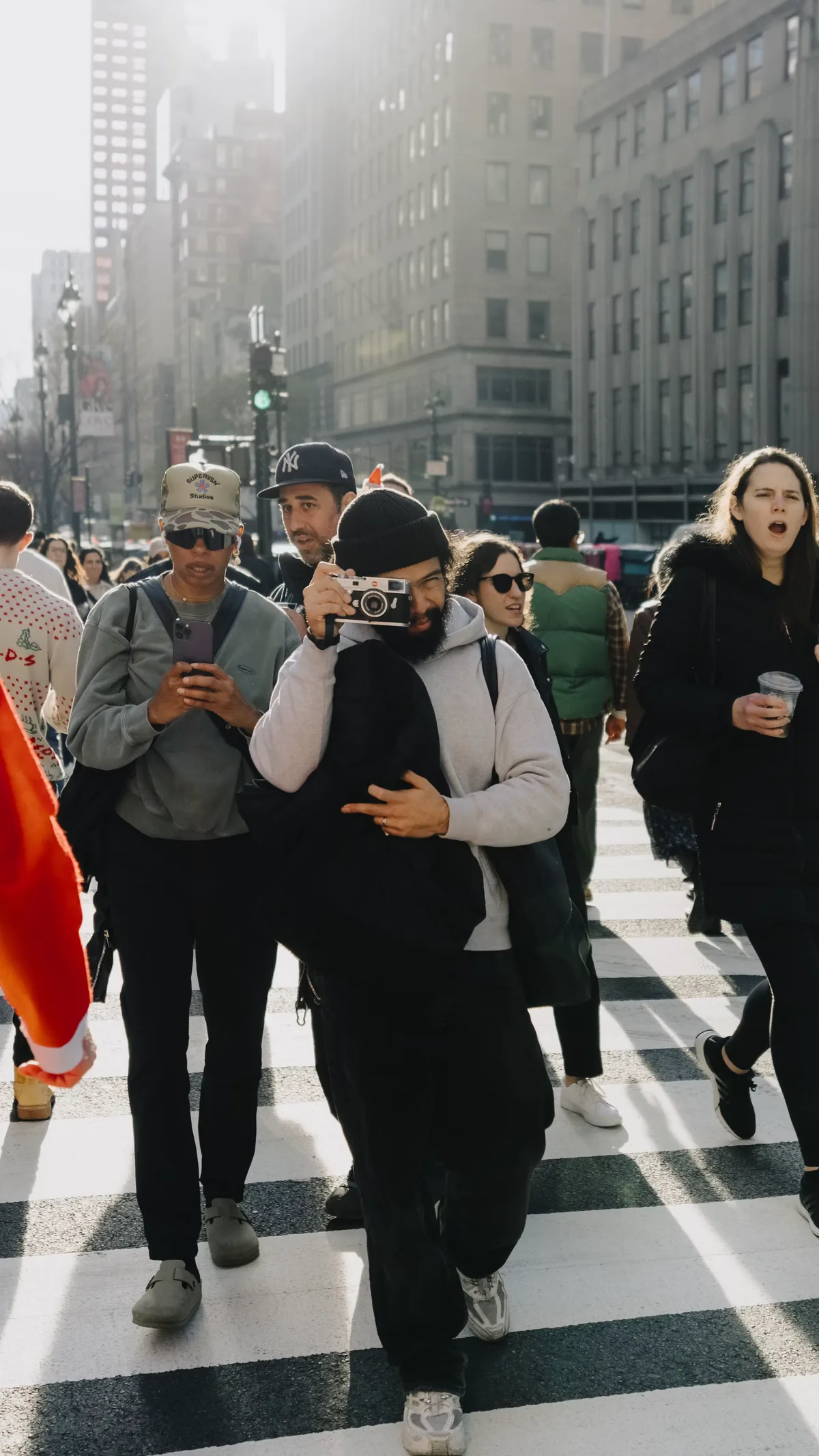
On a full-frame camera, 35mm is wide enough to keep architecture, signage and other people active without producing the exaggerated edges of an ultra-wide lens. It works especially well in dense streets, markets, public transit and interiors where the environment carries part of the meaning. A person can remain the visual center while the frame still explains where they are. The cost is responsibility: every corner matters. Bright signs, clipped limbs and near-camera faces can pull attention away from the moment you intended to photograph.
What 50mm does well
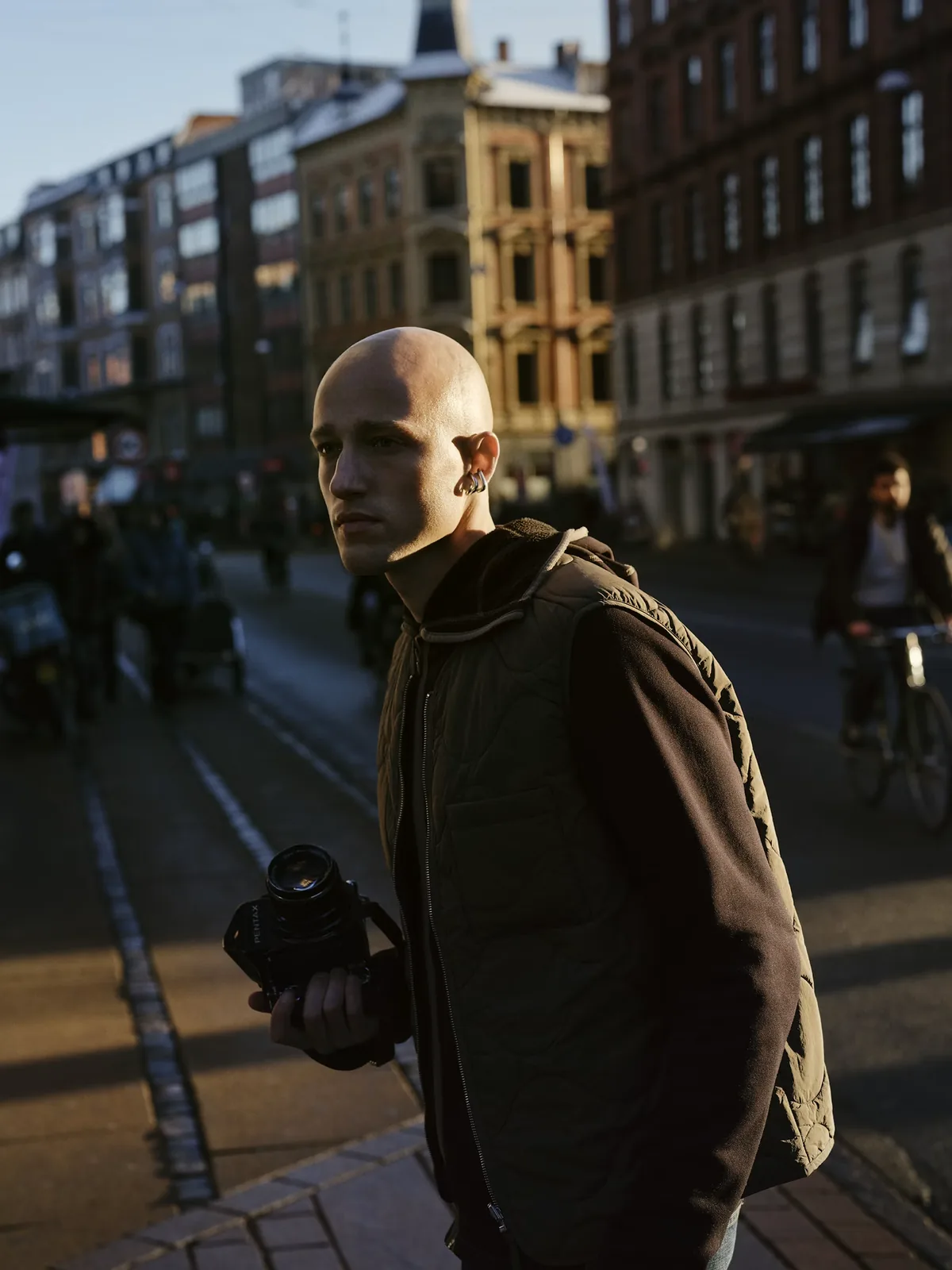
A 50mm lens gives a narrower angle of view and makes subtraction easier. It is useful for gestures across a sidewalk, portraits within public space and compositions built around a patch of light. Backgrounds occupy a smaller slice of the scene, so a photographer can isolate one relationship without moving extremely close. That restraint can be valuable in visually chaotic places. The tradeoff appears in tight streets and interiors, where stepping back may be impossible and the frame can lose the context that explains why the subject matters.
Perspective comes from your feet
Focal length controls angle of view; camera position controls perspective. If you make a tight portrait with 35mm, you must stand closer than you would with 50mm. That closer position enlarges near features and pushes the background away. Step back with 50mm and the spatial relationships compress. Cropping a 35mm frame to imitate 50mm can match the field of view only if the camera stayed in the same place, and it sacrifices pixels along the way. Decide first how the picture should feel, then choose the lens that frames it from the required position.
Depth of field is not the whole look
At the same aperture and subject distance, a 50mm lens generally gives a narrower depth of field than 35mm. In practice, street photographers change distance to preserve framing, so the difference may be smaller than marketing images suggest. Background character depends on distance, aperture and what is actually behind the subject. A clean wall ten meters away can look softer than a cluttered storefront two meters away, regardless of the lens. Use separation to clarify the picture, not as a substitute for organizing the frame.
How each lens changes timing
With 35mm, a subject enters the frame earlier and remains inside it longer. That gives you more time to watch several layers align, but it also creates more possible collisions at the edges. With 50mm, the useful window is narrower: a gesture can enter and leave quickly, so anticipation matters. Some photographers feel calmer with the wider margin of 35mm; others see more clearly when 50mm removes peripheral information. Neither response is more advanced. The better lens is the one that helps you recognize the exact instant without checking the screen after every exposure.
Choose by assignment, not fashion
Use 35mm when the story depends on place, when you expect to work indoors or when several relationships need to coexist. Choose 50mm when one gesture or face should dominate, when backgrounds are difficult, or when you need a little more physical distance. At night, maximum aperture and autofocus performance may matter more than focal length. On an APS-C camera, remember the crop: roughly 23mm behaves like 35mm on full frame, while lenses around 33mm behave like 50mm. Check your camera’s sensor format before following a focal-length recommendation literally.
A two-walk test that produces an answer
Choose one familiar route and photograph it twice at the same hour on different days, first with 35mm and then with 50mm. Do not crop the results. Select ten frames from each walk and compare four things: how close you stood, how often the background helped, how quickly you raised the camera and how many pictures failed because you could not move. Ignore the number of merely acceptable files. Look at the best three from each set and ask which focal length produced a more coherent point of view.
Use one lens long enough to build instinct
The fastest way to improve is to remove the decision for a while. Keep one focal length on the camera for a month, study the edges of every frame and make small prints or a contact sheet at the end of each week. If your strongest pictures consistently feel cramped, move toward 35mm. If they feel scattered or dependent on cropping, try 50mm. The goal is not to own both immediately. It is to know one angle of view well enough that framing begins before the camera reaches your eye.
The short answer
For a first street-photography prime, 35mm is the more flexible choice when you want environment and work in tight spaces. A 50mm lens is the cleaner choice when you favor isolated gestures, quieter frames and a slightly greater working distance. Both are capable of serious documentary work. Pick the one that supports the way you actually approach people and space, then stop comparing lenses for long enough to make a body of photographs.