Buy a verifiable example, not just a model name
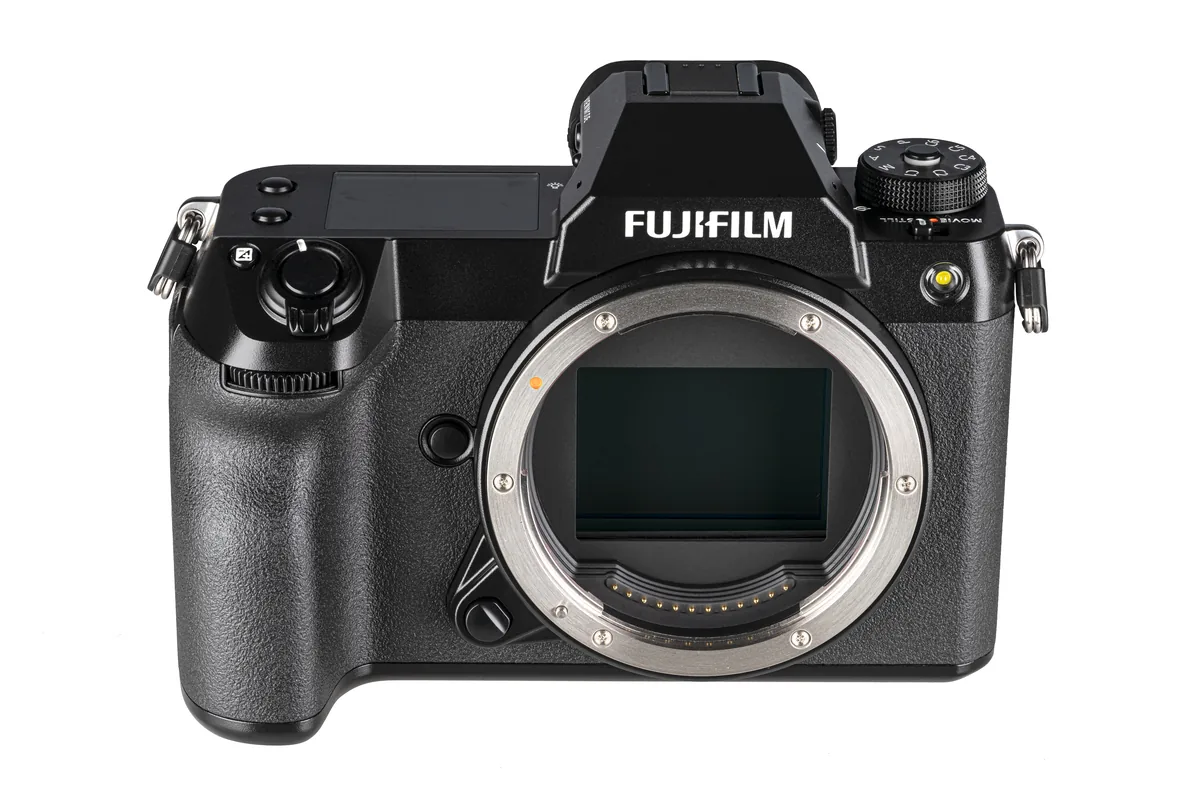
A used full-frame camera can be a useful purchase, but two examples of the same model may have very different histories. Ask for clear photographs of the actual item, a readable serial number, a description of known faults and the included accessories. Request the return and warranty terms in writing before payment; a vague promise to help later is not a substitute for clear terms. This is a general inspection guide, not a review of a particular listing. There is no single correct USD price for a used category: compare the same model, condition, accessories and seller support, and allow for any immediately necessary service.
Prepare a short test before meeting the seller
Read the manufacturer’s manual for the exact model and make a checklist of the functions you use. Bring a charged compatible battery if appropriate, a known-good lens and a supported card you can identify. Ask permission before changing settings or recording test files, and never format the seller’s card. Keep the test simple enough to complete calmly: basic exposure, focus, playback, controls and the connections that matter to your work. A camera with unfamiliar defaults can seem faulty when a setting is responsible. Conversely, do not explain away an intermittent fault without reproducing normal operation and understanding why it happened.
Inspect the exterior without taking anything apart
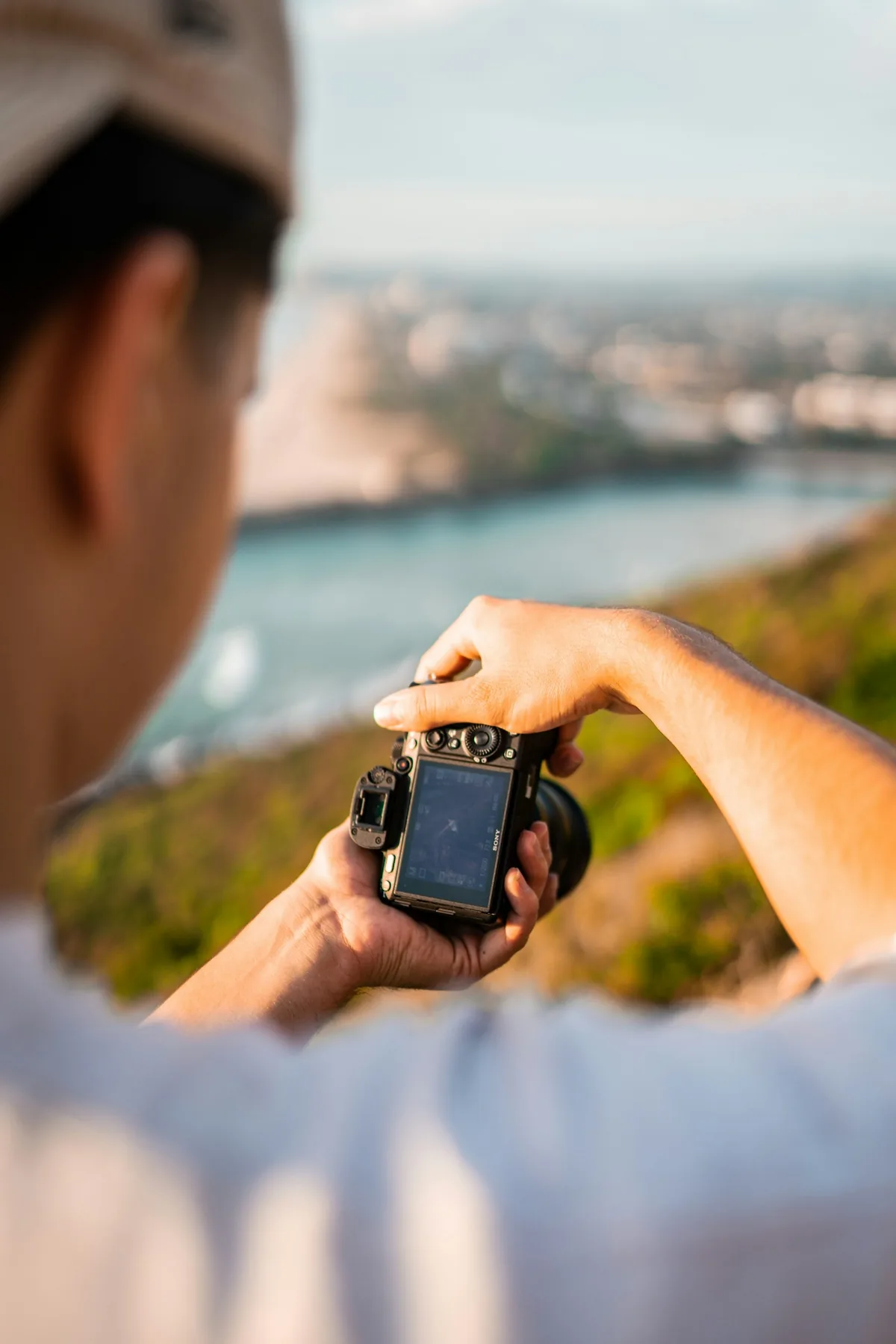
Look for impact marks, loose fittings, corrosion around accessible contacts, damaged port doors and a lens mount that does not hold the lens securely. Cosmetic wear alone does not establish how well a camera works, but a localized dent or bent connection deserves a specific explanation. Check the battery compartment and card doors for normal closure; do not force a mechanism. Avoid removing screws, opening sealed covers or attempting repairs during an inspection. If a seller describes previous servicing, ask for the corresponding documentation. A short inspection cannot rule out hidden damage, which is why a credible return route remains important even when the camera initially behaves well.
Make files that can reveal a problem
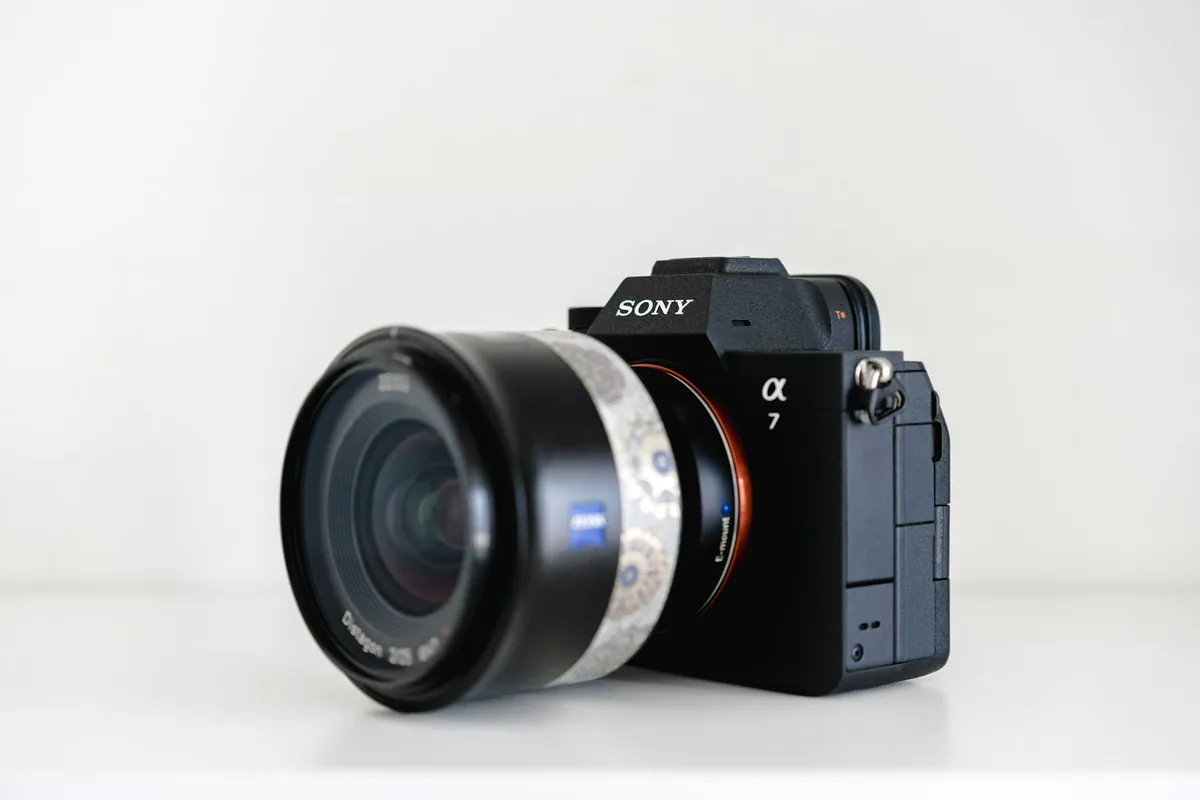
Record ordinary scenes at several shutter speeds and apertures, using a steady support where needed. Include an evenly lit plain surface at a small aperture to look for recurring spots, then a detailed subject to assess focus and sharpness. Review the original files on a larger screen rather than relying entirely on thumbnails. A spot is a reason to investigate, not an automatic diagnosis of permanent sensor damage. Sony’s cleaning guidance specifically warns against touching the image sensor; do not turn a purchase inspection into an improvised cleaning job. Persistent lines, unusual artifacts or inconsistent exposures warrant a documented explanation or professional assessment before you commit.
Test autofocus and controls in your real use case
Try a static subject and, where safe, a person moving at a repeatable pace. Use the autofocus settings appropriate to that model and inspect a sequence rather than one lucky sharp frame. Check the viewfinder, rear display, touch functions when present, buttons, dials and exposure changes. Repeat any behavior that seems inconsistent with a known-good lens. Do not assume that a missed photograph proves a defective body, but do not accept an unresolved recurring failure because the camera looks clean. The useful question is whether the unit can reliably do your normal work with settings you understand.
Check recording paths, not merely the power switch
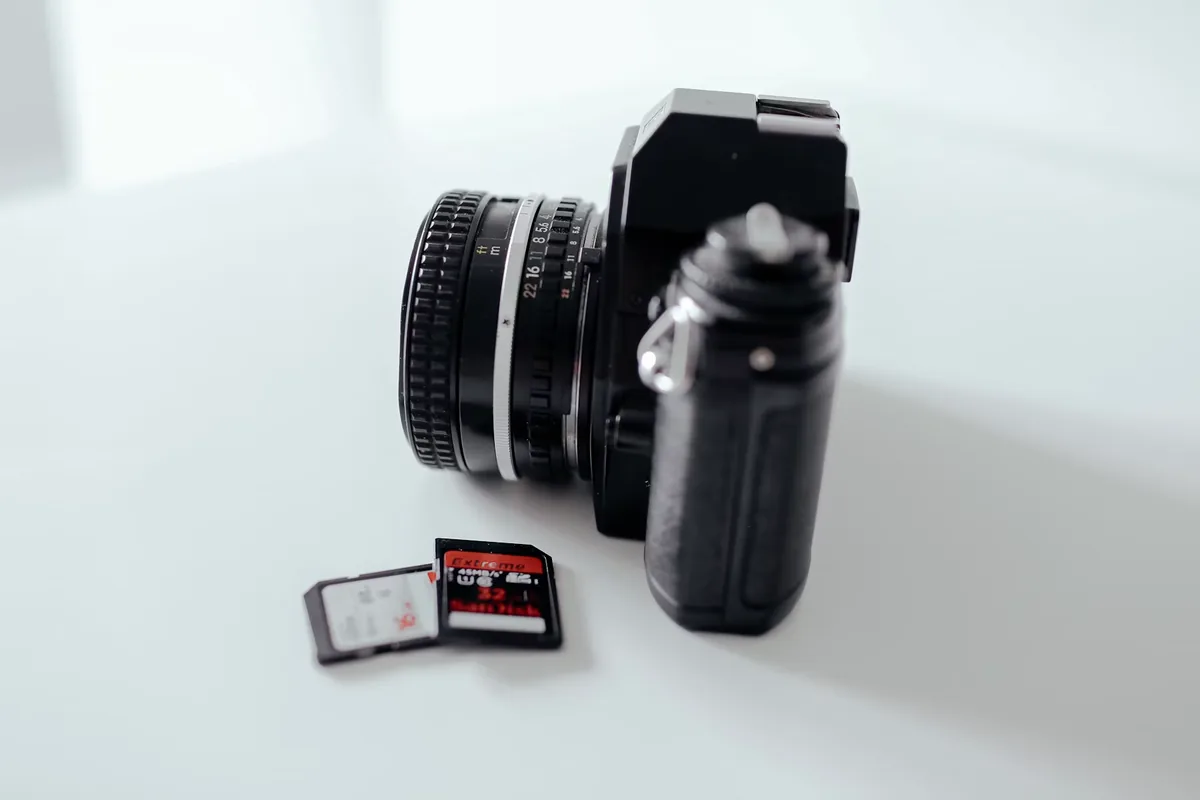
If the camera has two card slots, test writing and reading from each with compatible media. Verify the recording arrangement you need, such as backup capture, using the model’s own instructions. For video, record a representative clip in the intended mode and review both picture and sound. Check microphone, headphone, USB or HDMI connections only when present and relevant, using suitable cables without forcing connectors. A five-second clip does not establish long-session reliability or thermal behavior. If extended recording is essential, agree on a proper trial or return window instead of assuming that a brief demonstration proves the camera is suitable.
Treat shutter count as one clue
Ask how any reported shutter count was obtained and whether it can be verified for that exact model. It is not a complete service history. Mechanical exposures do not describe all video use, handling, environmental exposure or electronic-shutter activity, and some cameras do not provide a straightforward user-readable total. Do not apply a generic remaining-life calculation to a number from a listing. Combine whatever reliable information is available with the functional checks, repair records and return terms. An unexplained mismatch between the seller’s claims and the camera’s behavior is more important than a reassuringly low number in isolation.
Decide the maximum price after the inspection
Write down the costs of missing batteries, a charger, necessary cards and any known repair before making an offer. Compare that total with an equivalent unit offering clearer support, not just with the cheapest advertised body. If you proceed, keep the receipt, listing description and agreed condition with the serial number for your records. Repeat the important tests promptly within the return window, using your own normal workflow. Walk away when ownership, condition or payment arrangements cannot be clarified. The point of the checklist is not to find a perfectly unworn camera; it is to make a deliberate purchase whose limitations you can identify before they affect an assignment.