A small camera gets a practical update
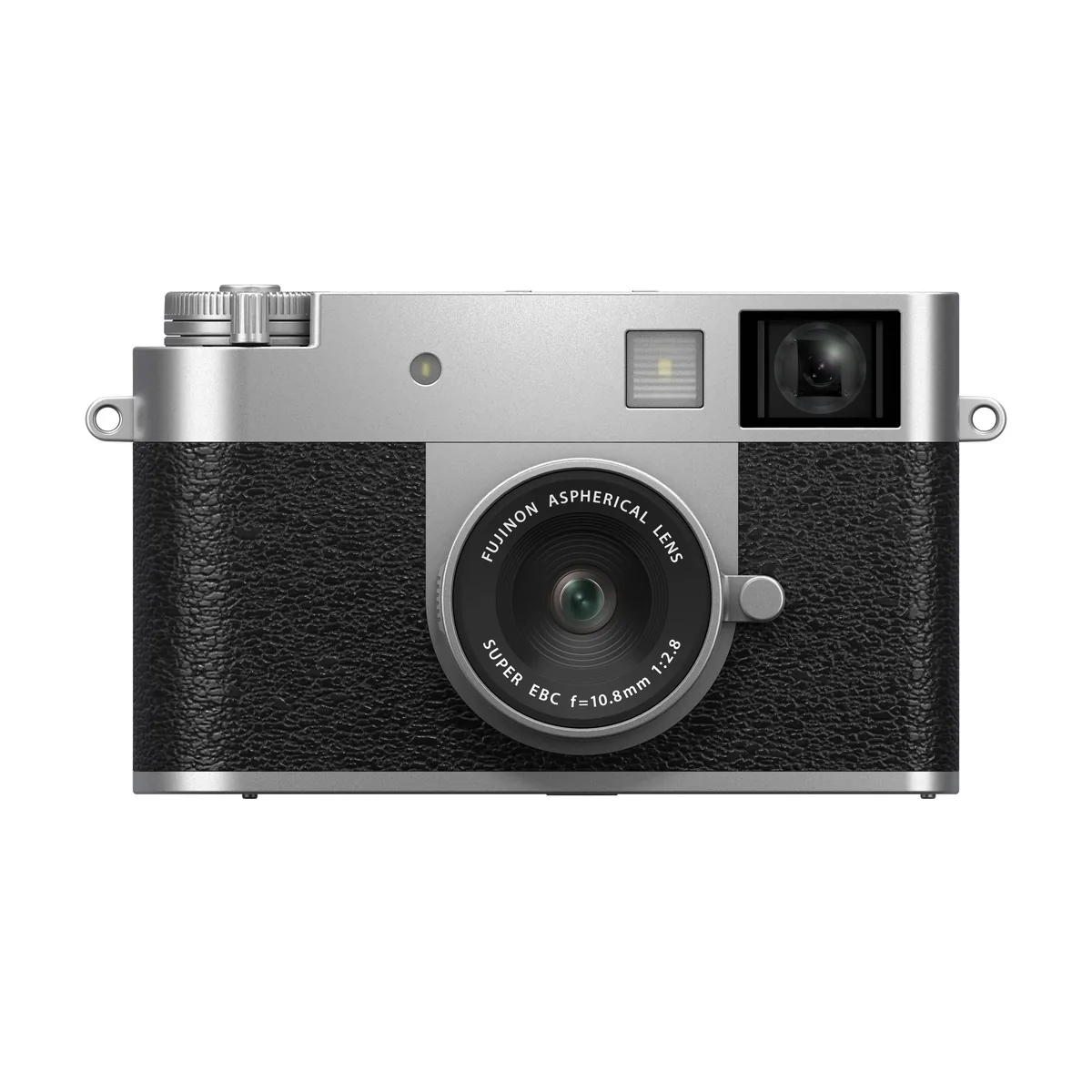
Fujifilm has released firmware 2.00 for the X half, dated September 30, 2026. The official support notes add a Soft Glow image filter and 12- and 24-frame choices in Film Camera Mode. Fujifilm also claims shorter startup, autofocus and shot-to-shot times, particularly when focus distance changes or light is low, plus minor bug fixes. No numerical speed improvement is supplied. We have not tested the update. The new download is available on the official support page linked below; this is an update to an existing compact, not an announcement of a new camera.
Shorter rolls make an exercise easier to finish
Our editorial takeaway is that a shorter frame limit can make a deliberate photo exercise easier to complete in one outing. Instead of treating every walk as an open-ended search, choose a small assignment: doorways, a repeated color or the changing light along one street. Allocate a few frames to each idea and leave some for an unexpected scene. A smaller limit does not automatically produce better photographs. It can, however, make the eventual review more manageable and expose which pictures repeat the same information. Choose the constraint because it helps attention, not because a digital camera must imitate film.
Test the effect separately from exposure
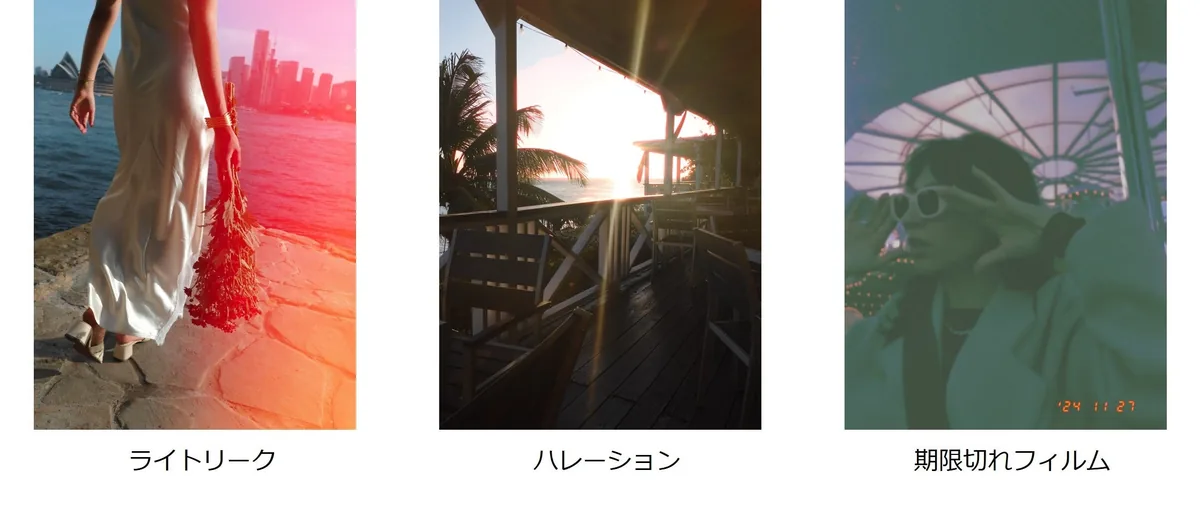
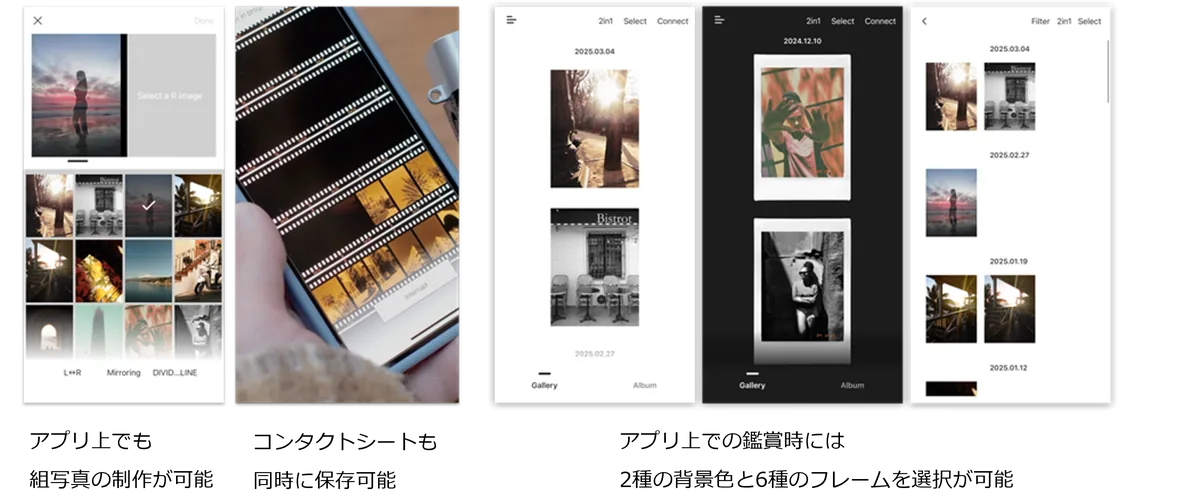
To decide whether a new rendering option suits your work, our suggested exercise is a stationary scene with a bright practical light and a textured midtone subject. Make a clean reference and then an effect frame while holding composition and exposure steady where the camera allows it. Compare both at the size you actually share. Ask whether the atmosphere improves and whether important edges remain legible. The cover here is Fujifilm’s original 2025 illustration of older effects, not a Soft Glow comparison. Neither the manufacturer illustration nor this proposed exercise establishes how the new filter performs.
Measure the delay that bothers you
A claim of faster operation is useful only if it changes the part of the sequence you notice. Before updating, if practical, record how you normally switch on, acquire focus and take a second frame in a repeatable scene. After updating, repeat with comparable lighting, subject distance and settings. Do not confuse the time spent composing with the delay after pressing the shutter. For moving subjects, also examine whether focus landed where you intended. A quicker response and a higher proportion of sharp photographs are different outcomes. We would avoid presenting a casual stopwatch comparison as a controlled laboratory benchmark.
Plan the update outside an important assignment
Use Fujifilm’s instructions for the exact X half model rather than borrowing a procedure for another X-series body. Read the prerequisites and warnings, make sure existing photographs are safely copied and allow enough uninterrupted time to complete the process. Once finished, confirm the reported firmware version, review your usual settings and make a short capture-and-transfer check. An update is not ready for your own workflow merely because its installation screen has disappeared. If the camera is needed for an unrepeatable event, leave time for a rehearsal and a fallback instead of changing the setup at the last minute.
Price context is not a stock promise
Fujifilm’s US launch announcement specified a $849.99 MSRP and expected availability in late June 2025. Those are historical launch terms, not a verified October 2026 transaction price or a promise of local stock. Check the official product page and an authorized seller for your region before ordering. For existing owners, evaluate this firmware on its usefulness to the camera you already have. For prospective buyers, handle the body, examine the display and try the controls first. Software improvements do not change whether the physical camera fits your hands or the kind of pictures you want to make.