Decide what the meeting is for
A documentary portfolio is a selection for a particular conversation, not a miniature archive of everything you have photographed. Before opening your library, finish this sentence: I want this reader to help me decide what to do about this project. A commissioning editor, a mentor and a potential exhibition partner may need different evidence. The workflow below is our suggested preparation method, not a universal submission standard. If an organizer specifies a picture count, file size or format, those instructions take priority. Keep a copy of the requirements beside the working edit.
Select projects before selecting individual favorites
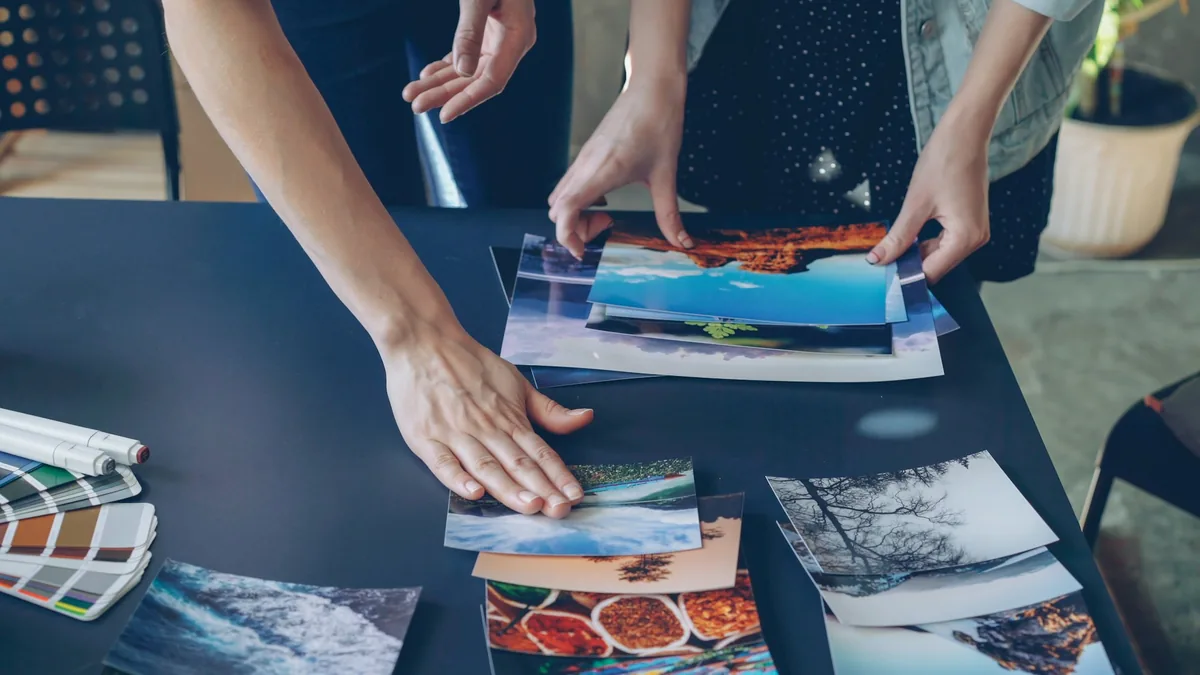
Make a short project inventory with a sentence explaining the subject, the period covered, your access and the current stage of the work. Pick the project most relevant to the meeting first. A coherent unfinished investigation can be more useful in a mentoring session than a collection of unrelated polished pictures, provided you label its gaps. For a commission, consider whether the selection demonstrates the kind of access, reporting and delivery the assignment needs. Do not pad the portfolio with a visually strong photograph whose presence you cannot explain. Keep alternate projects available separately rather than forcing every interest into the opening presentation.
Give each project a compact entry point
Prepare a short introduction that states what the work concerns and what you actually did. Distinguish photographs you made from archival material, collaborations or commissioned contributions, and credit those contributions clearly. Avoid an opening essay that requires several minutes before the first picture appears. A reviewer should be able to understand the premise, then test it against the photographs. Keep a fuller background note available for questions. If a project is unfinished, identify the missing reporting or access instead of using confident prose to conceal it. Clear limits give the reviewer something concrete to discuss.
Build a review edit, not a permanent verdict
Create a separate collection or folder for this version and leave the source archive intact. Name the version by project, purpose and date. Use the recipient’s limits to set the size; without a limit, choose a compact selection that can be discussed within the available time. Remove near-duplicates unless their difference matters to the project. Keep a small alternate set out of the main presentation so you can answer a specific question without interrupting the first viewing. Our sequence-editing approach concerns the order within a story; portfolio preparation adds the separate decision of which stories this reader should see at all.
Make the delivery file dependable
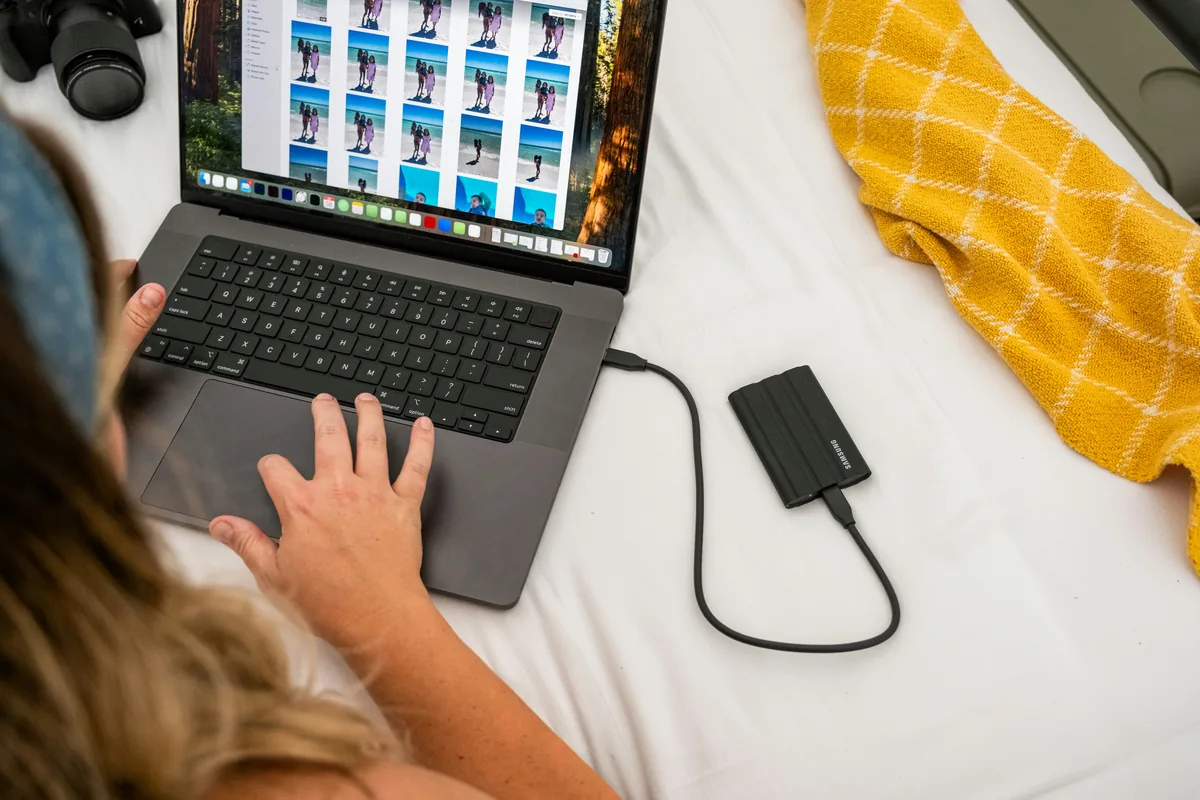
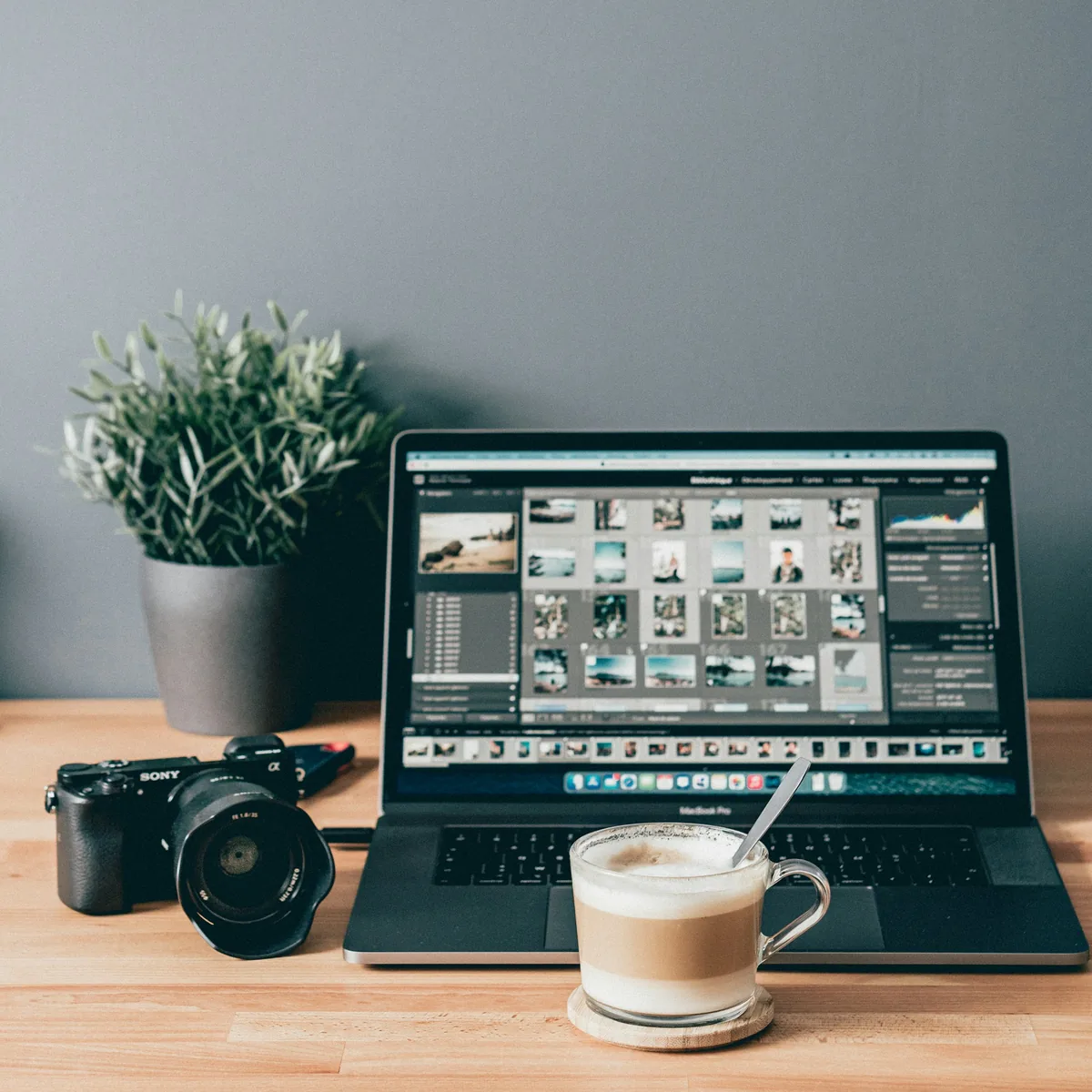
Export a review copy with readable captions and a clear contact page. Include your name in the filename and avoid a directory full of files called final. Test the PDF or web link on a second device at ordinary viewing size, not just on the editing monitor. Check page order, orientation, missing characters and whether a shared link works without your own login. Keep private subject information out of filenames and public captions. Where disclosure could create risk, prepare a restricted version and discuss the circumstances privately rather than publishing sensitive details merely to demonstrate thorough research.
Ask questions that can change the work
Bring two or three decisions for the reviewer: where the project loses clarity, what additional reporting would strengthen it, or whether the selection fits a particular outlet. During the conversation, note the reason behind a proposed cut rather than defending every photograph immediately. Afterward, separate factual corrections from taste and from suggestions that require new access. Save the reviewed version before trying changes, then write one next action you can actually complete. The goal is not unanimous approval. It is a better-informed decision about the work and a reliable record of why you made it.