Write the question before choosing the pictures
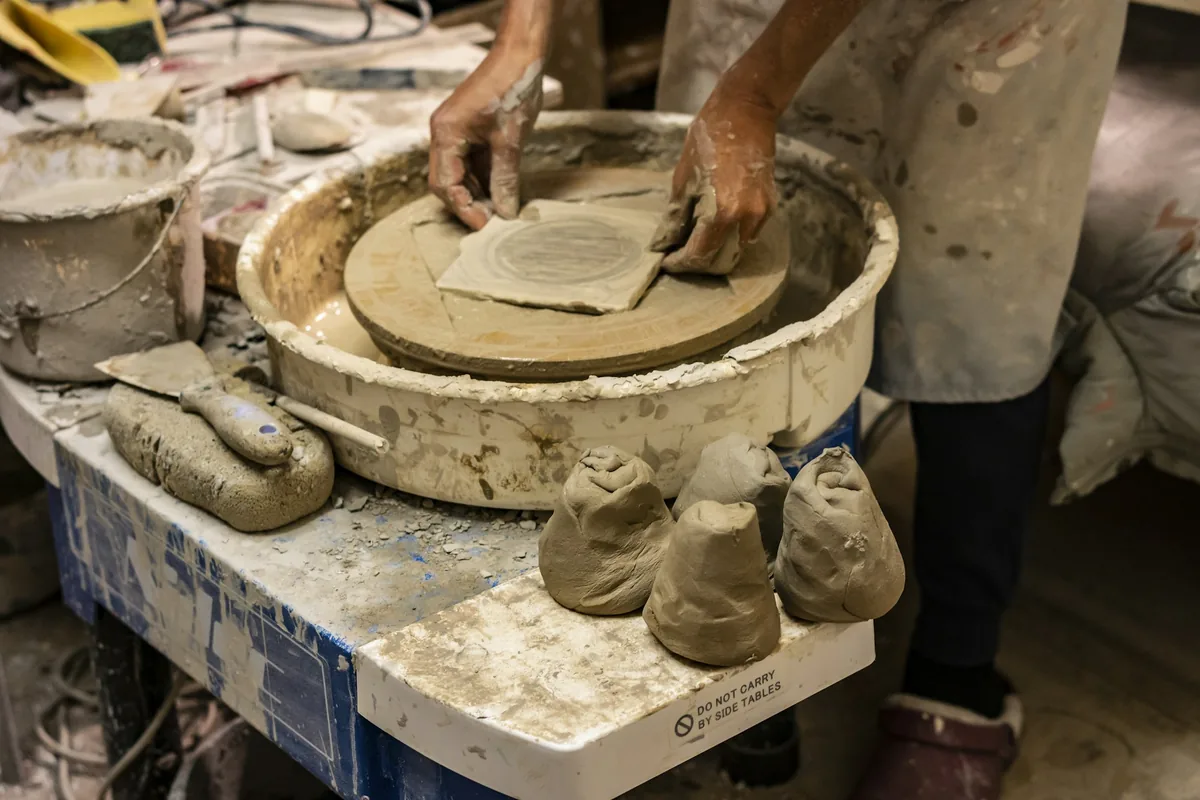
A useful shot list begins with something you want to understand. For a hypothetical pottery-workshop essay, that might be: what changes between a lump of clay and a finished vessel? That is more workable than simply writing “pottery.” It suggests a process, people and places worth observing without assuming the answer. Notre Dame’s photo-essay guidance similarly connects story preparation with an outline and shot list. The plan below is an original field exercise, not an account of the separate stock photographs illustrating this guide.
Give every planned frame a job
Create five columns in a notebook: coverage role, possible situation, access needed, caption question and completion status. Under context, note the workshop and its surroundings. Under process, note preparing clay, shaping and finishing. Under people, look for the person doing the work and the relationships that matter. Under detail, list a tool, a surface or a gesture that explains something larger. Leave the ending open: a finished object may work, but a quiet pause or an unresolved task might be more truthful to what you actually find.
Plan variety without manufacturing events
For each important activity, consider a wide view, a working-distance view and a detail. These are options, not instructions to make someone repeat an action for documentary coverage. Changing your position can reveal the relationship between a person and the room; waiting can reveal a transition that a posed picture would miss. If you make a directed portrait, identify it appropriately rather than presenting it as an unnoticed moment. A checklist should improve observation, not encourage you to make reality conform to a prewritten sequence.
Put access and information beside the camera decisions
The best-looking location may not be available at the time the key activity happens. Confirm where you may stand, which areas are off limits and whether the people involved are comfortable being photographed. Keep practical questions separate from exposure notes so neither disappears in a long equipment list. Write down names and spellings, the date, the location and what an unfamiliar tool actually does. Do not infer someone’s job or an object’s purpose from appearance. When you cannot confirm a detail, mark the uncertainty instead of filling the caption with a guess.
Run a gap check while you can still respond
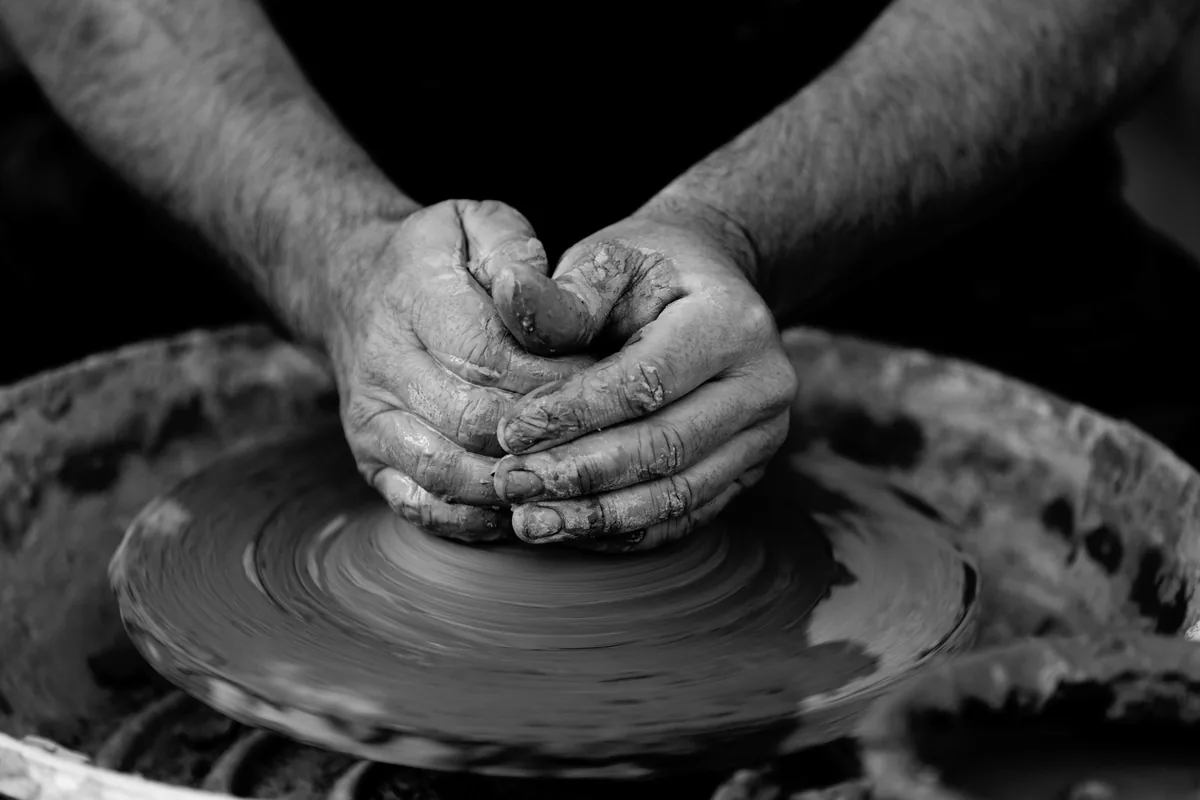
Halfway through the visit, review the coverage roles rather than counting frames. You may have twenty variations of hands at a wheel but no photograph that explains the setting. Or you may have a strong room view and nothing that connects it to a particular person. Ask what a reader would still need to know. If the missing activity has already finished, record that limitation and plan a legitimate return if access allows. Do not ask someone to recreate a consequential moment and then quietly describe the result as candid evidence.

Leave with a plan for the edit, not a promised picture count
After the visit, mark each role as covered, weak or absent and back up the original files before deleting anything. Make a first selection based on information as well as visual strength. Keep alternative frames for transitions, but resist adding a weaker image merely to satisfy the original list. Our companion editing checklist explains how to test the resulting order; the caption guide covers the information that must travel with each photograph. A good field plan makes the edit more informed while leaving room for the story to be different from the one you expected.