Begin with the use, not a universal form
Ask what the photographs are for before selecting paperwork: an advertising campaign, a stock submission, a news story or a personal commission can involve different expectations and requirements. ASMP’s guidance distinguishes commercial use from editorial use and warns that exceptions matter, including promotional reuse. Adobe Stock has its own requirements for recognizable people in content submitted for commercial licensing. Those platform rules are not the law everywhere. This article offers an organizational workflow, not legal advice or a release template. Have a qualified local professional review uncertain uses, sensitive subjects and the form you intend to rely on.
Make the conversation part of preparation
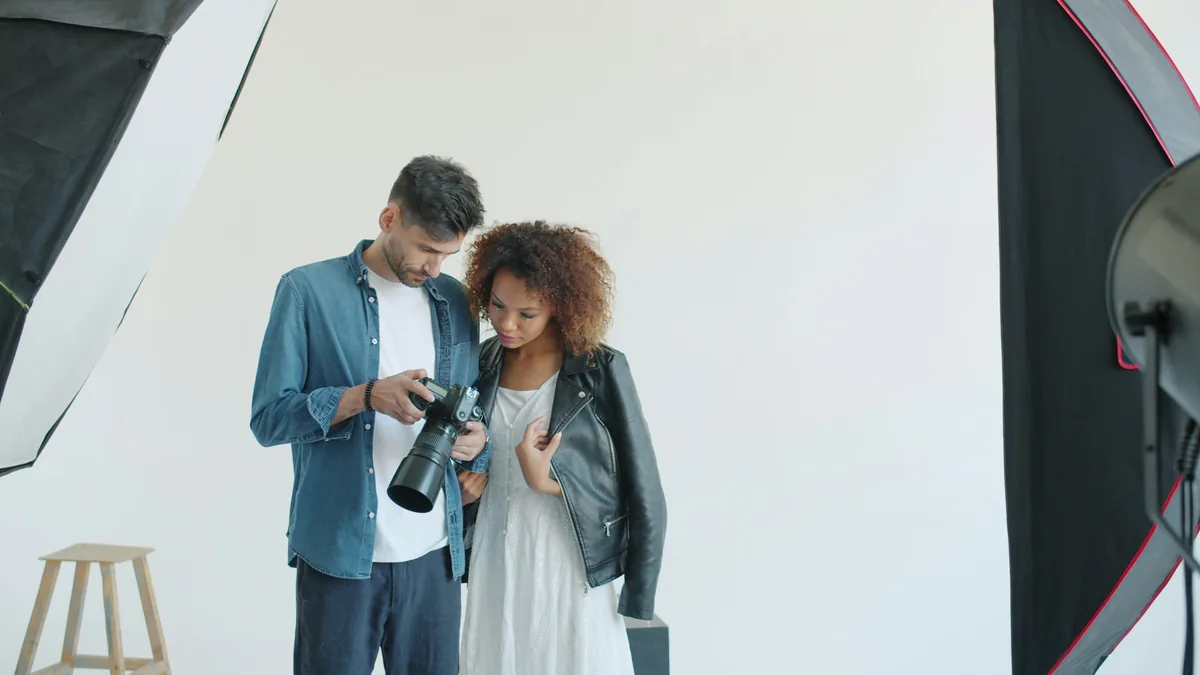
Our recommendation is to send the relevant brief and proposed document before the session, leaving time for questions rather than introducing them when everyone is ready to leave. Explain the intended audience and where the images may appear. Do not describe a narrowly agreed portrait session as permission for every conceivable future campaign. If the subject or client proposes a change, record it clearly and have the appropriate adviser check the wording instead of improvising legal clauses. A calm explanation is part of professional production; a hurried signature is not a substitute for mutual understanding.

Create a private identifier for the shoot and subject
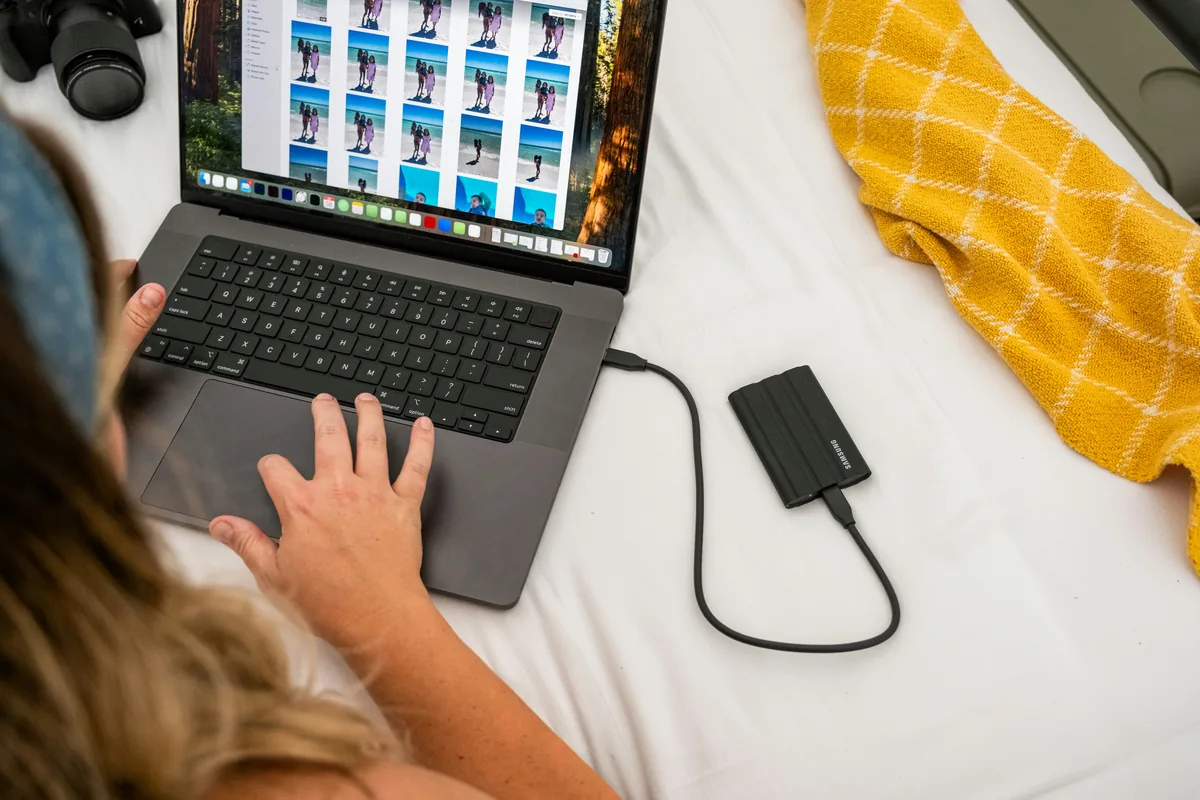
Use an internal job code and a distinct release identifier, for example JOB-2026-0921 and MR-003. In a private index, connect that identifier to the document, session date and relevant image filenames. ASMP describes using a serial code to connect releases and photographs; the important operational point is that the link survives a later edit or export. Avoid putting signatures, home addresses or private contact information into public image metadata. Keep the original signed record in restricted storage and use the identifier, not the sensitive contents, when managing your working collection.
Check completeness before the team disperses
For Adobe Stock submissions, its upload guidance calls for signed and dated releases, consistent names and a parent or legal guardian’s signature for a minor. Check the current requirements for the actual destination; do not assume every agency accepts an identical form or signing process. Our production checklist adds a practical review: can the document be read, are all pages present, and does the file correspond to the right person and session? If something is incomplete, mark the associated photographs as awaiting review. Do not silently treat an empty field or an unanswered question as permission.
Keep release review separate from image selection
A strong photograph and a cleared photograph are not necessarily the same thing. Use separate internal fields for creative selection and permission review. Before delivery, compare the proposed use with the approved brief and the retained document. If a client later asks to turn an editorial image into an advertisement, reopen the review rather than assuming the earlier context carries over. This separation also helps an assistant or future editor understand why an image was held back. Keep the explanation factual and private; do not add speculative or sensitive descriptions of the subject to broadly shared folders.

Finish with a recoverable handoff
Our suggested handoff contains the final image list, the permitted-use summary prepared for that job, the relevant internal release identifiers and a contact for unresolved questions. Share actual signed documents only through an appropriate secure channel with people who need them. Back up the private records as well as the photographs, and test that you can locate one old session without relying on memory. Do not publish paperwork as proof of your diligence. The aim is a dependable link between an image, a person and a documented decision—not a public archive of someone’s signature or personal details.