Define the movement you need
Fast action is not one technical problem. A runner crossing the frame, a bird turning toward the camera and a cyclist approaching head-on need different shutter speeds and panning strategies. Start by deciding whether you need to freeze every detail or preserve a controlled trace of motion. That choice prevents the camera from becoming an automatic contest between ISO and aperture. Make a few test frames before the decisive moment and inspect the subject’s hands, face, feathers or wheels—not just the overall sharpness.
Set shutter speed first
For a subject moving across the frame, begin around 1/1000 second and adjust from the actual result; faster movement or a long lens may need more. A panning photograph can use a slower shutter, but the photographer must accept that sharpness will be selective. Image stabilization can reduce camera shake, yet it cannot freeze a flapping wing or a swinging arm. Choose the shutter that protects the action’s essential detail, then let aperture and ISO complete the exposure.
Use aperture with purpose
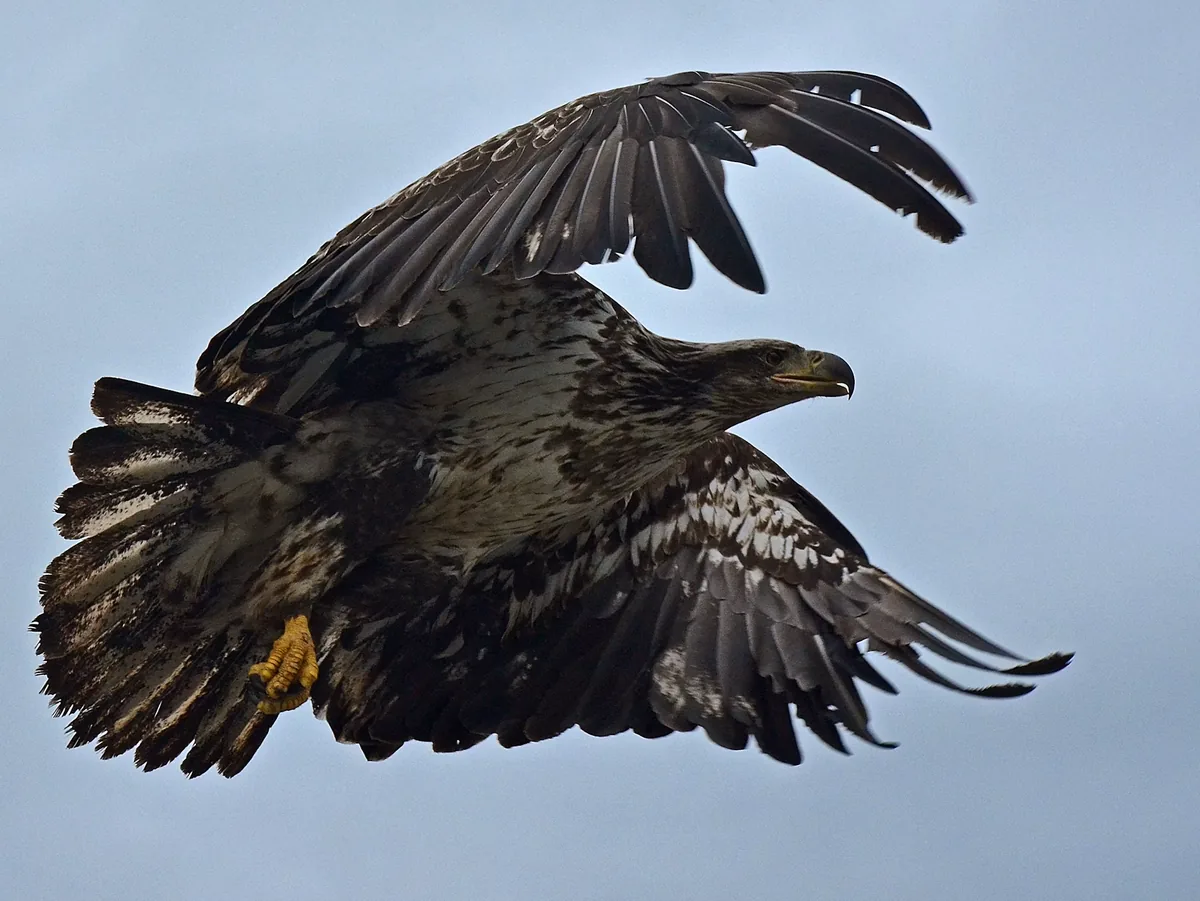
A wide aperture helps maintain a fast shutter and separates a subject from a distracting background, but it narrows the margin for focus error. Stopping down slightly can keep a bird’s wings or a runner’s face inside usable focus while still providing separation at long focal lengths. Do not chase the lens’s maximum aperture if the subject distance changes rapidly. Test the depth of field at the working distance and decide whether one sharp eye is enough or whether the whole subject must remain legible.
Build an autofocus strategy
Choose a focus area that reflects the background. Subject detection is helpful when the subject is distinct, but a small zone or expanded point may be more reliable against branches, fences or crowds. Track a predictable entry path before the action arrives and keep the point on the part of the subject that matters. Back-button focus can separate tracking from exposure, but it is not a magic setting. The useful control is a repeatable way to start, pause and reacquire focus without changing your grip.
Expose for changing backgrounds
A bright sky behind a dark subject can trick evaluative metering into producing a silhouette, while a white jersey or pale bird can lose texture against a dark field. Use exposure compensation or manual exposure after measuring the important subject and checking the histogram. Auto ISO can be effective when clouds move quickly, provided the camera’s limits are sensible. Watch highlight warnings on reflective helmets, feathers and water. A slightly dark file may be recoverable; a clipped face or white wing is not.

Anticipate instead of chasing
Action becomes easier when the photographer chooses a zone where the subject will be strongest. Look for a clean background, good light and a gesture that repeats. Prefocus or begin tracking before the subject reaches that zone, and keep the camera moving through the frame after the shutter sequence. A burst is not a substitute for timing: it creates more nearly identical files and makes editing slower. Use bursts to cover a narrow peak of action, then release the button and reassess.
Keep the background quiet
A sharp subject can still disappear into a complicated background. Change your position before changing settings: move laterally to separate the subject from a sign, bright patch or dark tree, or lower the camera to place it against open sky. Long lenses compress distance, so a small shift can change the entire background. Avoid cropping so tightly that a gesture loses direction. Leave room into the movement when the frame is meant to describe speed or anticipation.
Protect the sequence
Record the conditions that matter: focal length, shutter, aperture, ISO, focus mode and whether the frame was panned. When clouds or shade change, note the transition rather than treating every frame as an isolated test. Back up the files before a long assignment ends, especially when high-speed bursts fill cards quickly. If the camera offers a lower-resolution or compressed burst mode, test its buffer and file quality before relying on it for paid work.
Edit for the decisive gesture
The strongest action frame is not always the sharpest one. Edit for readable posture, eye direction, separation from the background and a moment that explains what happened. Remove near-duplicates that ask the reader to make the same decision repeatedly. Check the full-size file for focus, then view the sequence at publication size to judge whether the gesture reads quickly. A technically excellent frame with no clear action is weaker than a slightly imperfect image that gives the movement meaning.