Street photography is a way of paying attention
The genre is often reduced to quick reactions, but its durable work comes from sustained attention to public life. A street photograph can describe gesture, design, coincidence, labor, solitude or the way people share space. The camera is only one part of that attention. The photographer must notice how a place works, decide where to stand and understand what the frame will suggest about people who may never see it. Speed helps, but clarity of interest is what turns a reflex into a point of view.
Begin with a stage
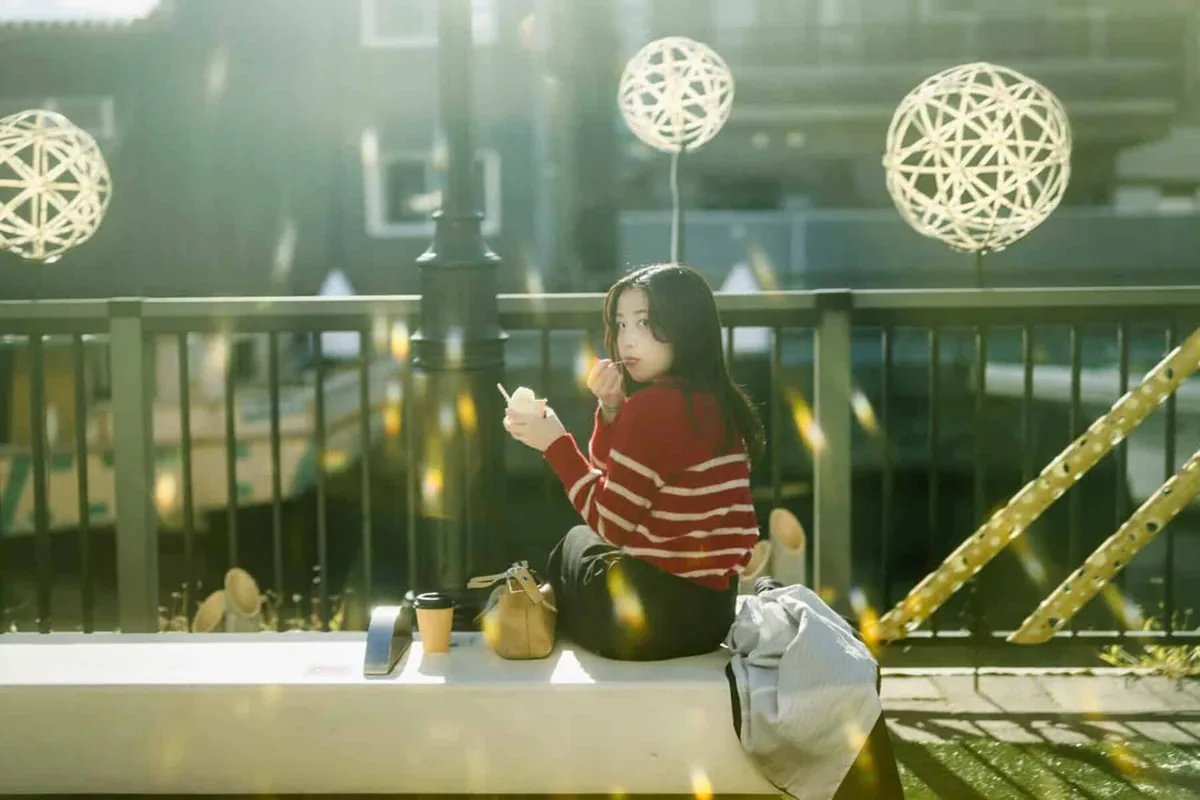
Instead of following every interesting person, find a background where light, geometry and public movement already create potential. A doorway, crosswalk, reflection or shaft of sun becomes a stage. Compose it carefully and wait for a gesture that completes rather than merely occupies the frame. This approach slows the work enough to manage edges and relationships. It also makes behavior less intrusive: the photographer is holding a position while public life passes through, not pursuing a stranger without knowing what the picture needs.
Choose focal length by working distance
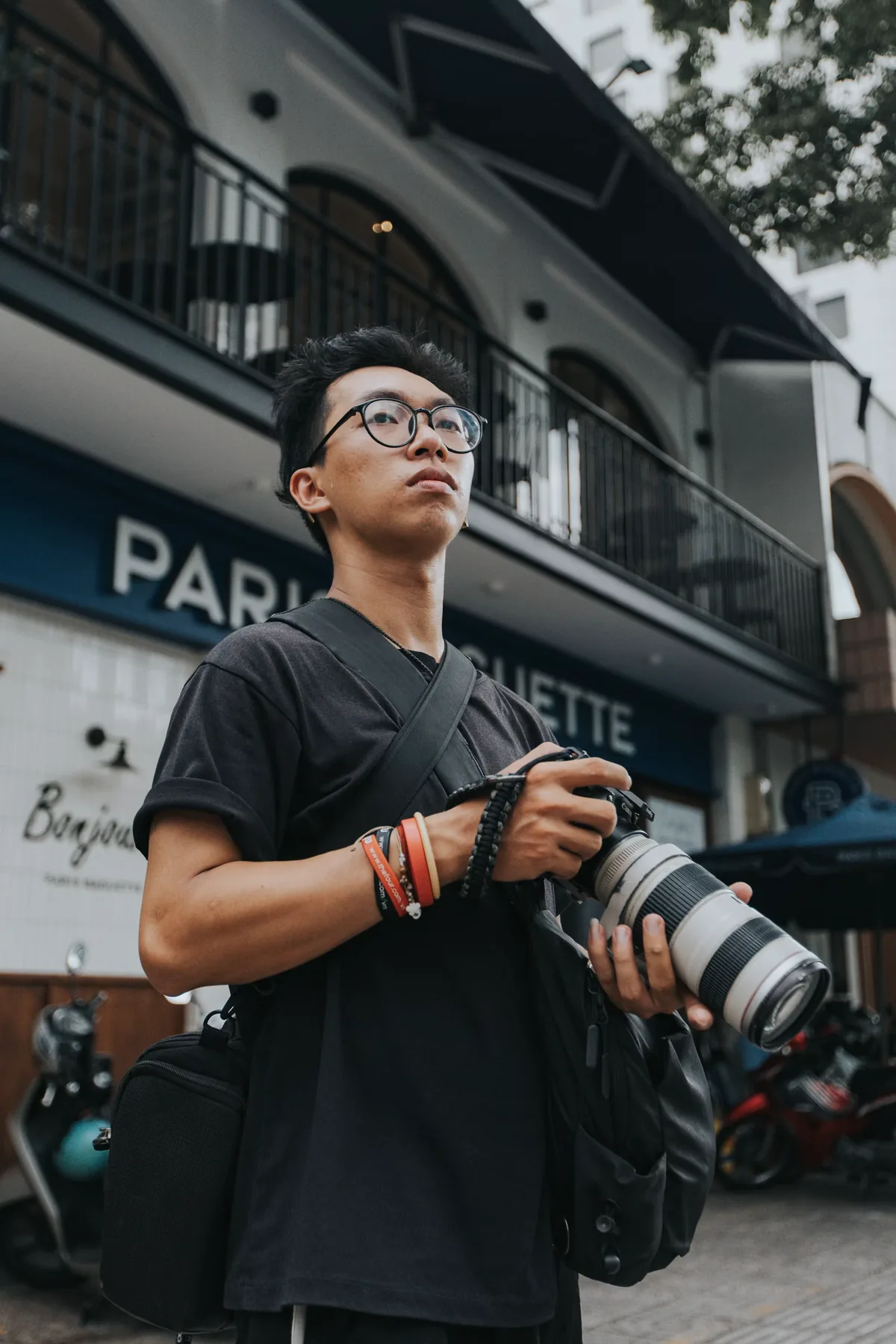
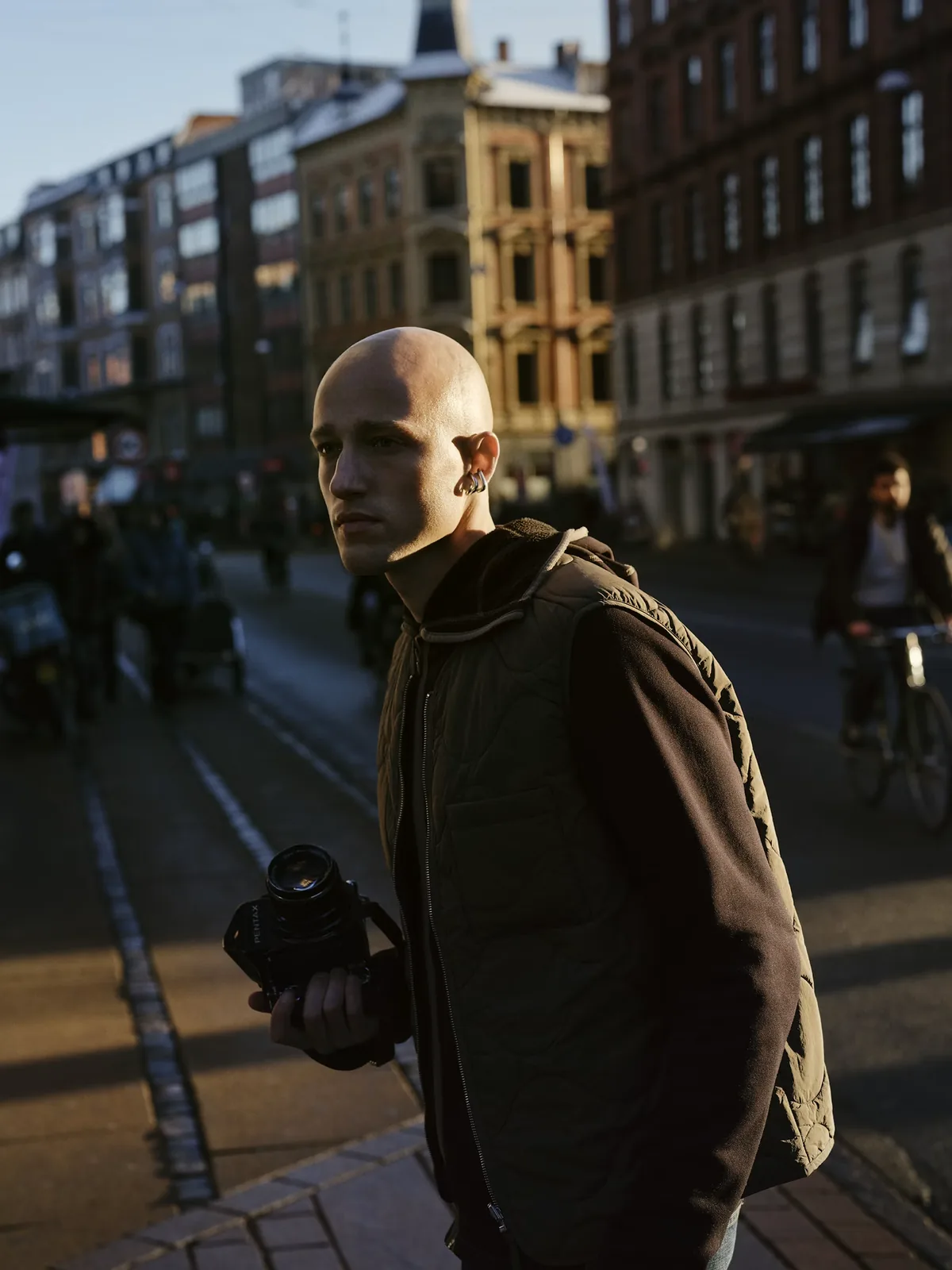
A 35mm lens includes more context and asks the photographer to work near the action. A 50mm narrows the scene and can organize layered backgrounds without the spatial exaggeration of a wider lens. Neither focal length has a moral advantage. What matters is the distance it encourages and the kind of relationship that distance creates. Spend a full walk with one lens, noticing when you step closer or stay back. Consistency trains the eye to predict the frame before the camera reaches your face.
Focus before the moment arrives
Autofocus is powerful, but a busy street can give the camera too many competing targets. Use a small flexible point or zone and place it where subjects are likely to enter. In steady light, manual zone focus can remove delay entirely: set a moderate aperture, choose a known distance and learn the near and far limits of acceptable sharpness. Do not stop down automatically. A crowded background may need separation, while a layered scene may depend on deep focus. Focus strategy should support the picture’s structure.
Exposure for changing light
Auto ISO with a minimum shutter speed is a practical starting point for streets that alternate between sun and shade. Choose that minimum from the movement you need to stop, not from a generic reciprocal rule; walking gestures often need 1/250 second, while fast bicycles or children may require more. Use exposure compensation when bright walls, dark clothing or backlight repeatedly mislead the meter. Watch highlights on faces and signs. A technically safe file gives the later edit choices, but it should not slow attention to the scene.
Working close without performing aggression
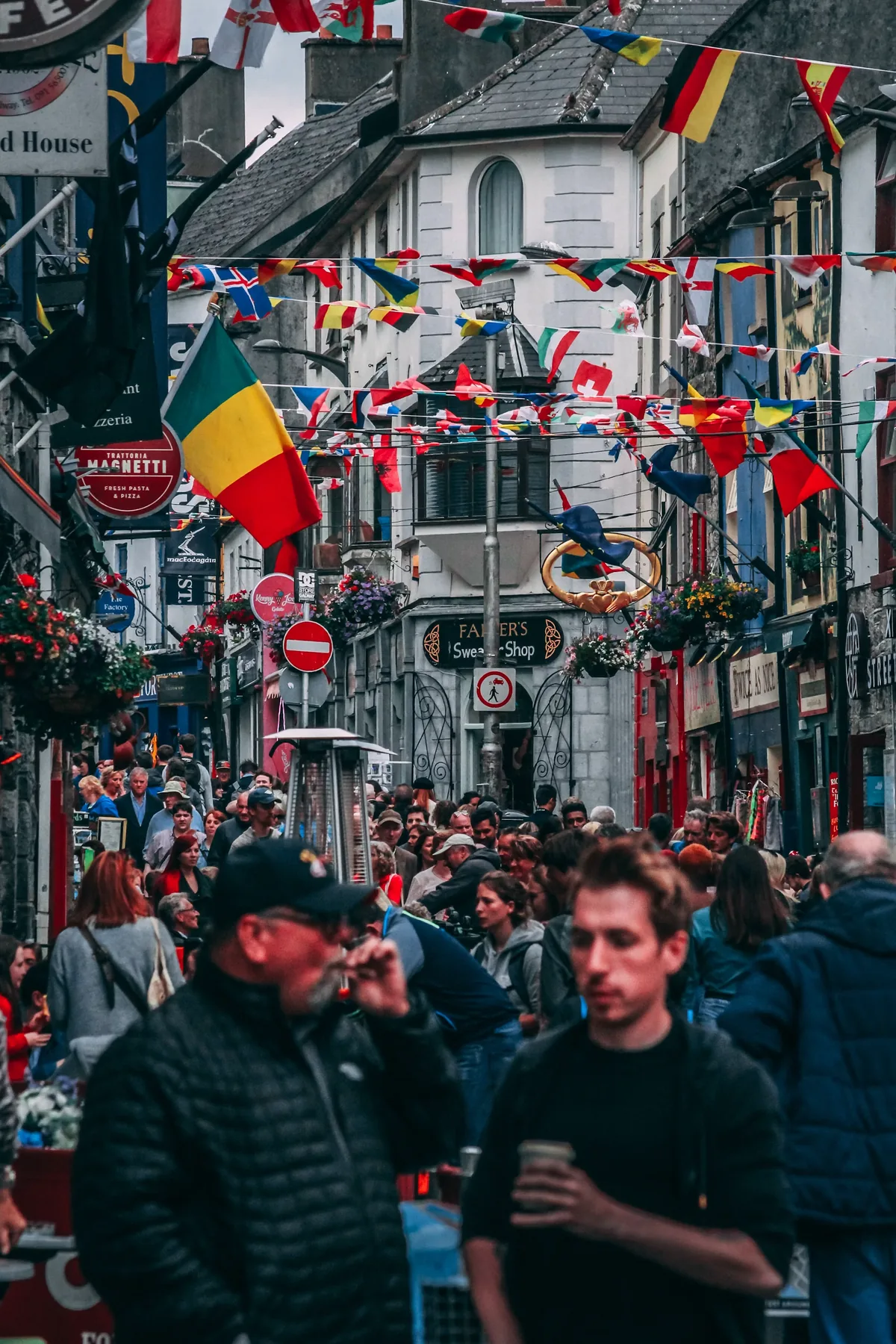
Confidence is quieter than confrontation. Move predictably, keep the camera ready and avoid disguising behavior that would feel wrong if noticed. In many situations a brief conversation after the frame can add a name, context and consent for extended use. When photographing children, grief, medical vulnerability or people with limited power, the public setting alone is not a complete ethical argument. Ask what the image contributes, how publication may affect the subject and whether another frame can carry the idea with less harm.
Sequence and visual rhythm
A strong street project needs more than a row of isolated coincidences. Edit for establishing views, medium-distance relationships, close details, repeated forms and moments of rest. Print small images or use a contact-sheet view so sequence matters more than screen brightness. Remove photographs that repeat the same job, even when they are individually impressive. Look for transitions in direction, color, gesture and scale. The sequence should make the reader feel that the photographer understood a place rather than simply collected surprises there.
Captions protect meaning
Record names, location, date and verified context while the encounter is still fresh. A caption should identify what is visible and add information the photograph cannot provide, not invent emotion or motive from an expression. When identification could create risk, make that decision deliberately and document the reason. Good caption practice changes the way photographs are made because it asks the photographer to stay, listen and understand. It turns a fleeting frame into a traceable document without pretending that the image explains everything.
Build a project through repetition
Return to the same neighborhood, route or public ritual until the obvious pictures have been exhausted. Repetition reveals how light changes, who uses the space and which first impressions were incomplete. Set a small assignment—one block, one color, one hour, one relationship between people and architecture—and edit it the same day. Over weeks, compare contact sheets for recurring distance and subject habits. The goal is not to manufacture a signature look; it is to recognize what you consistently notice and learn what your work still avoids.