Agree on the test before meeting
Ask for the exact model, clear photographs of the actual item, its serial number where appropriate, included accessories, repair history and known faults. Establish whether you can mount your lens, use your card and inspect files on a laptop. Choose a safe, well-lit location and allow enough time. If buying remotely, ask for a written condition description and read the return process before ordering. This checklist reduces avoidable uncertainty; it cannot certify ownership, reveal every intermittent fault or guarantee the future life of a used device.
Start with the body switched off
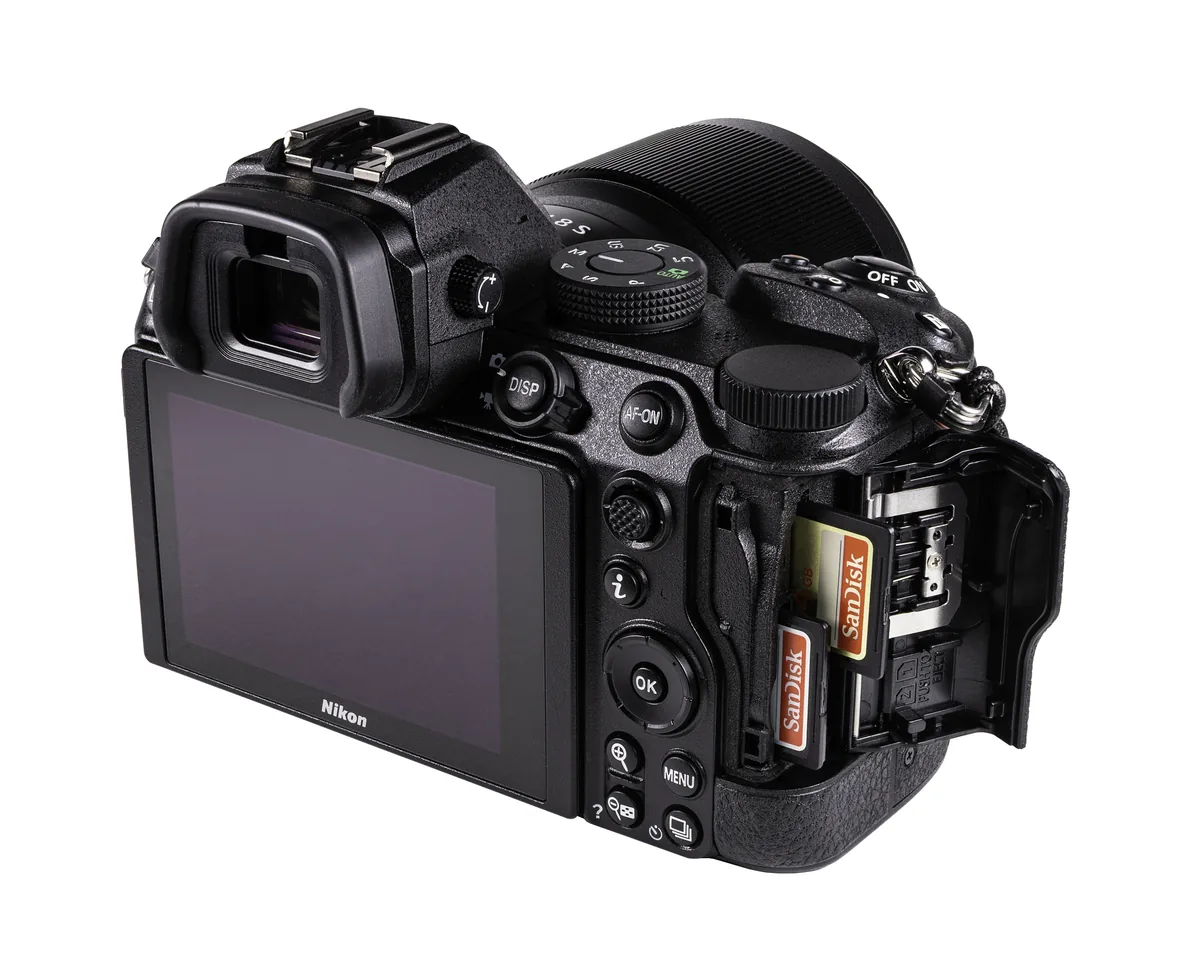
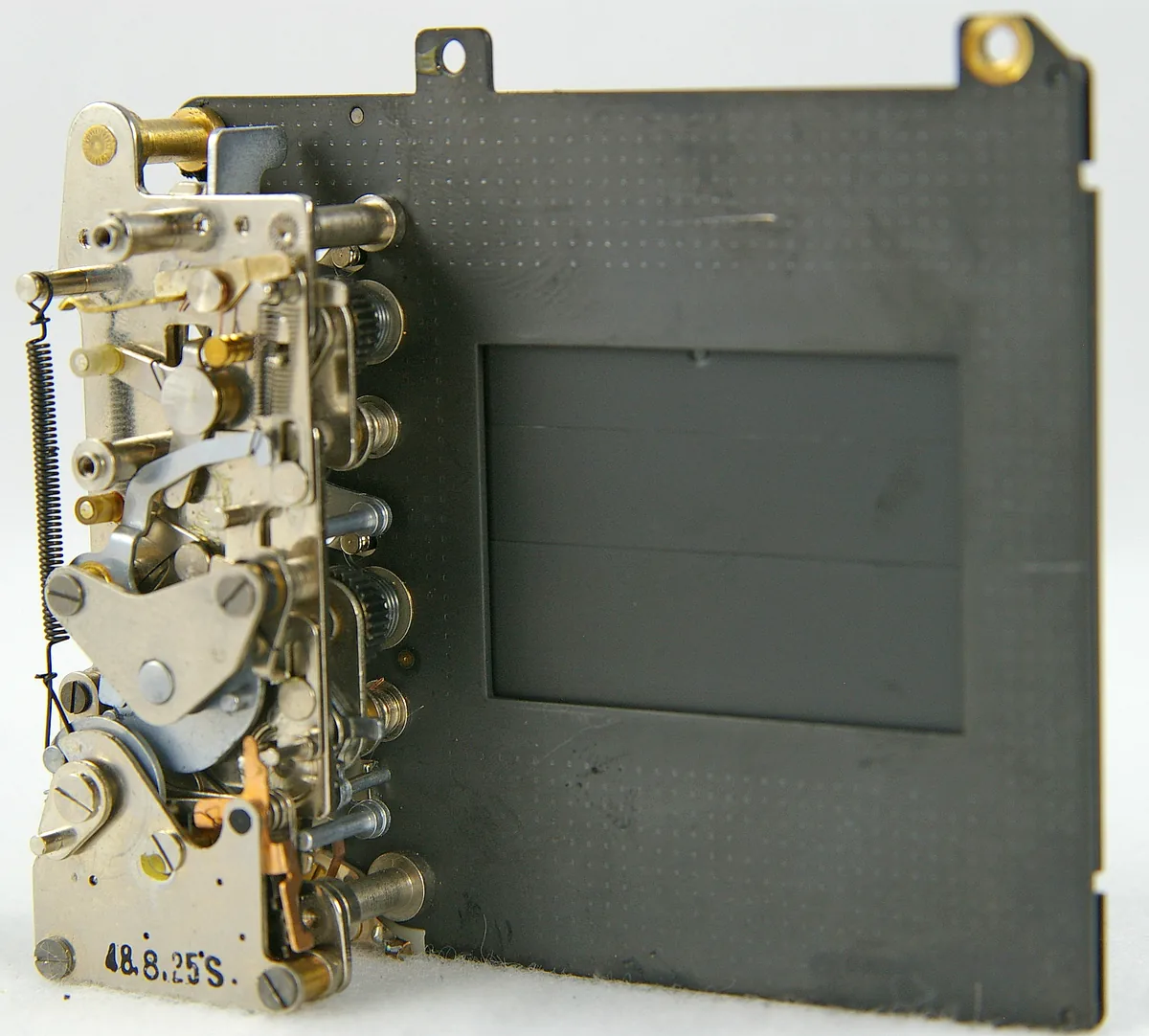
Look for dents around the mount, damaged strap anchors, cracked covers, loose controls and signs of corrosion in accessible compartments. Do not probe contacts, force a connector or remove screws. A rubbed finish can be ordinary use; a distorted mount or damaged battery compartment deserves a different level of caution. Confirm that the battery and charger are the correct types. Stop if a battery is swollen, leaking or unusually hot. With the seller’s permission, inspect the mount area without touching the sensor or shutter blades. Leave cleaning and disassembly to qualified service personnel.
Operate the functions you will actually need
Power on and check the screen, viewfinder if fitted, buttons, dials and touch controls. Make photographs in a normal stills mode, then test the shutter modes, burst setting and recording format relevant to your work. Use a known-good compatible card and do not format a seller’s card. Record a short video with sound if video matters, and play it back. Check the ports you depend on using appropriate cables, without pulling or forcing them. A successful power-on is not evidence that card writing, autofocus, audio and external connections all work.
Review a small, deliberate set of files
Photograph an evenly lit plain surface without pointing at the sun, then a detailed subject at an ordinary working distance. Inspect the originals on a larger display for obvious repeated marks, corrupted files or exposure inconsistencies. A small aperture can make dust easier to see, but a mark alone does not identify its cause or repair cost. Repeat a doubtful frame with your known-good lens and changed settings before blaming the body. Keep a record of the filename, setting and symptom. One beautiful preview cannot substitute for opening several files from the actual camera.
Treat shutter count as one piece of history
Ask how a reported count was obtained, which model it supports and whether the shutter has been replaced. MPB notes that accurate counts are available for selected mirrorless models, not a universal list of every camera. A count may tell you something about mechanical use while saying little about video hours, electronic capture, storage conditions or impacts. Do not turn a published durability rating into a countdown to failure. Service records and consistent behavior during your test can be more useful than a suspiciously precise number whose origin nobody can explain.

Price the missing pieces and the uncertainty
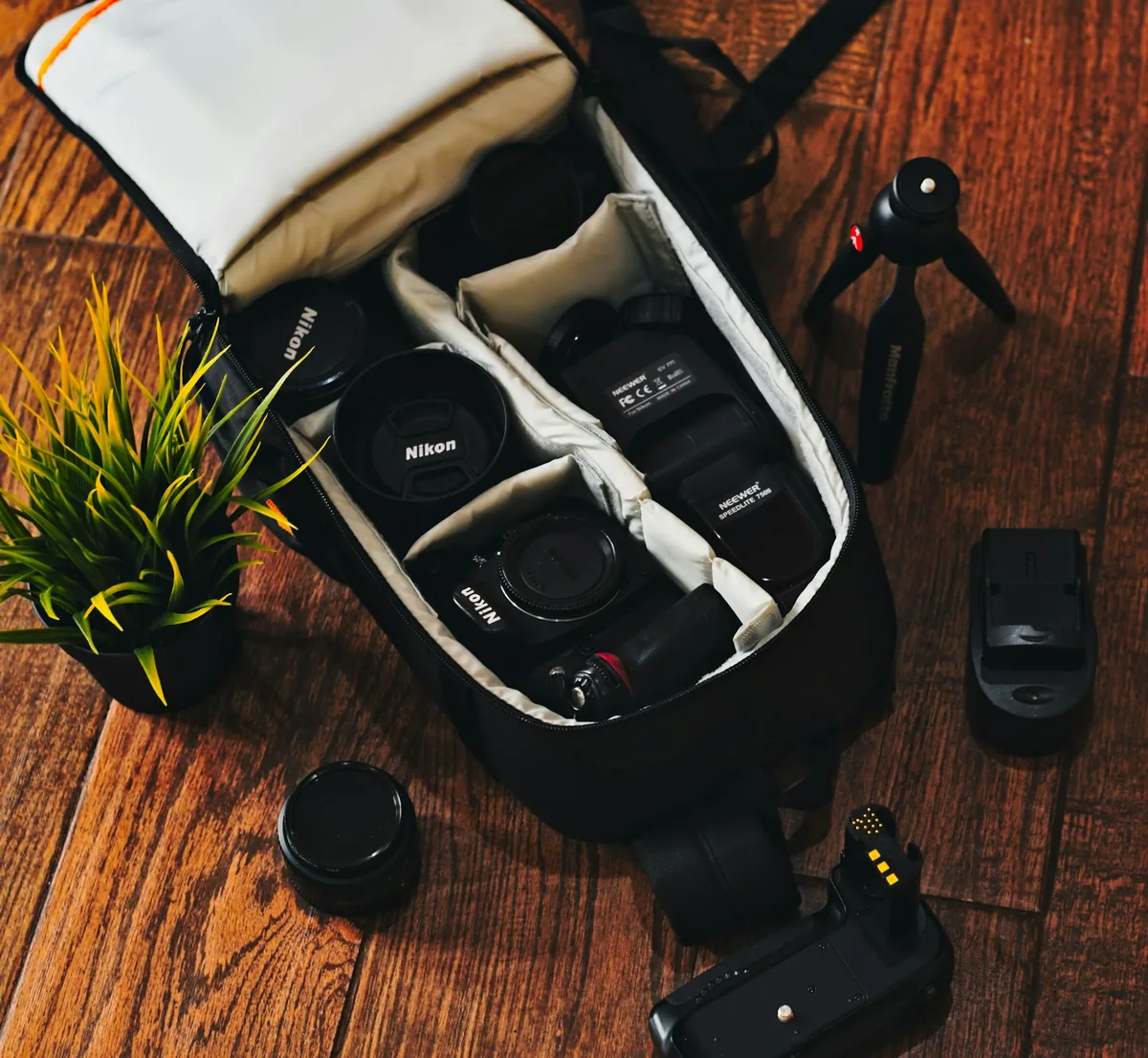
List the body cap, battery, charger or required charging supply, eyecup and any accessories promised in the sale. Compare the complete working package with alternatives in similar condition. A modest saving can disappear after replacing missing items or paying for an inspection. Nikon offers factory cleaning, inspection and calibration, illustrating the distinction between a buyer’s screening test and professional service; availability and cost depend on the item. If a critical function cannot be tested, treat it as unknown rather than working. Do not let the seller’s urgency set your standard of evidence.
Finish with a written record
Before payment, match the actual item to the listing and record the agreed condition, serial, included equipment, price and any return or warranty terms. Do not assume a manufacturer warranty transfers or that every seller offers the same protections. Keep your test files and correspondence. After delivery, repeat the agreed checks promptly while any return window remains open. A useful final decision has three possible outcomes: accept a verified working package, seek a professional assessment, or walk away. The accompanying stock photographs illustrate equipment and file review; none documents an inspection performed by this publication.