Inspect the actual lens, not its reputation
Begin with the complete model name, mount and any required adapter. Ask about drops, water exposure, repairs and known optical issues. A well-reviewed design can still have a damaged individual sample, while a scuffed barrel can surround perfectly usable optics. The purpose of a buyer’s check is to identify uncertainty before payment, not to award laboratory certification. Bring a camera known to work with that lens and ask permission before attaching it. If compatibility itself is uncertain, resolve that first; an unsupported combination cannot provide a fair functional test.
Check the mechanical parts without forcing them
Look for dents in the filter thread, damage to the mount, missing screws and poorly fitting caps or hoods. Move the zoom and focus controls through their intended travel. Some electronic focus rings require the camera to be powered, and some designs have no hard end stop, so consult the relevant manual before declaring a ring broken. Try switches and any aperture control through normal operation. Do not force an aperture lever or dismantle a mount. A lens that catches, grinds or loses electronic contact needs explanation, not a stronger twist.
Look through the glass safely
Use diffuse room light or a modest inspection light from an angle. Never look through a lens at the sun or another dangerously bright source. Inspect from both ends without touching the glass. A few visible particles, a scratch, a cloudy veil and branching marks are different observations; record what you can actually see rather than giving every speck the same diagnosis. A powerful flashlight can make tiny particles look dramatic. Follow up with photographs, but do not assume that a clean-looking file proves an internal deposit is harmless or easily removable.
Treat haze and suspected fungus as a service question
Sony explains that lens fungus can form web-like spots or patches and recommends evaluation by a professional technician to determine whether cleaning is possible. Internal haze can have more than one cause, so a remote photograph is not enough to promise a repair. Do not buy on the assumption that sunlight, household chemicals or a quick wipe will restore internal optics. Ask for a qualified assessment and a realistic repair quotation where available. If the seller cannot explain a visible problem, price it as unresolved—or decline the purchase.
Make a fair sharpness comparison
Use a stationary, detailed subject with features distributed across the frame, a stable camera and an exposure that avoids motion blur. Align the camera carefully rather than aiming obliquely at a flat subject. Focus deliberately and repeat several times; compare the center and corresponding areas at equal distances from it. Test at the apertures and focal lengths you intend to use, not only the easiest middle setting. Keep processing consistent. Our suggested screening sequence is not a laboratory measurement and does not establish a numerical pass threshold for every lens design.
Do not diagnose decentering from one soft corner
An uneven result can come from focus, subject depth, camera alignment, field curvature or an optical problem. Reposition and repeat before deciding. Check whether the asymmetry is persistent across carefully aligned frames and whether refocusing changes the result. Lensrentals’ optical-testing work shows why controlled alignment and dedicated equipment matter when distinguishing optical faults. A home inspection should identify a repeatable concern that deserves service evaluation, not name the displaced element. Avoid adjusting screws or attempting an optical repair during a purchase meeting.
Make the decision from the intended output
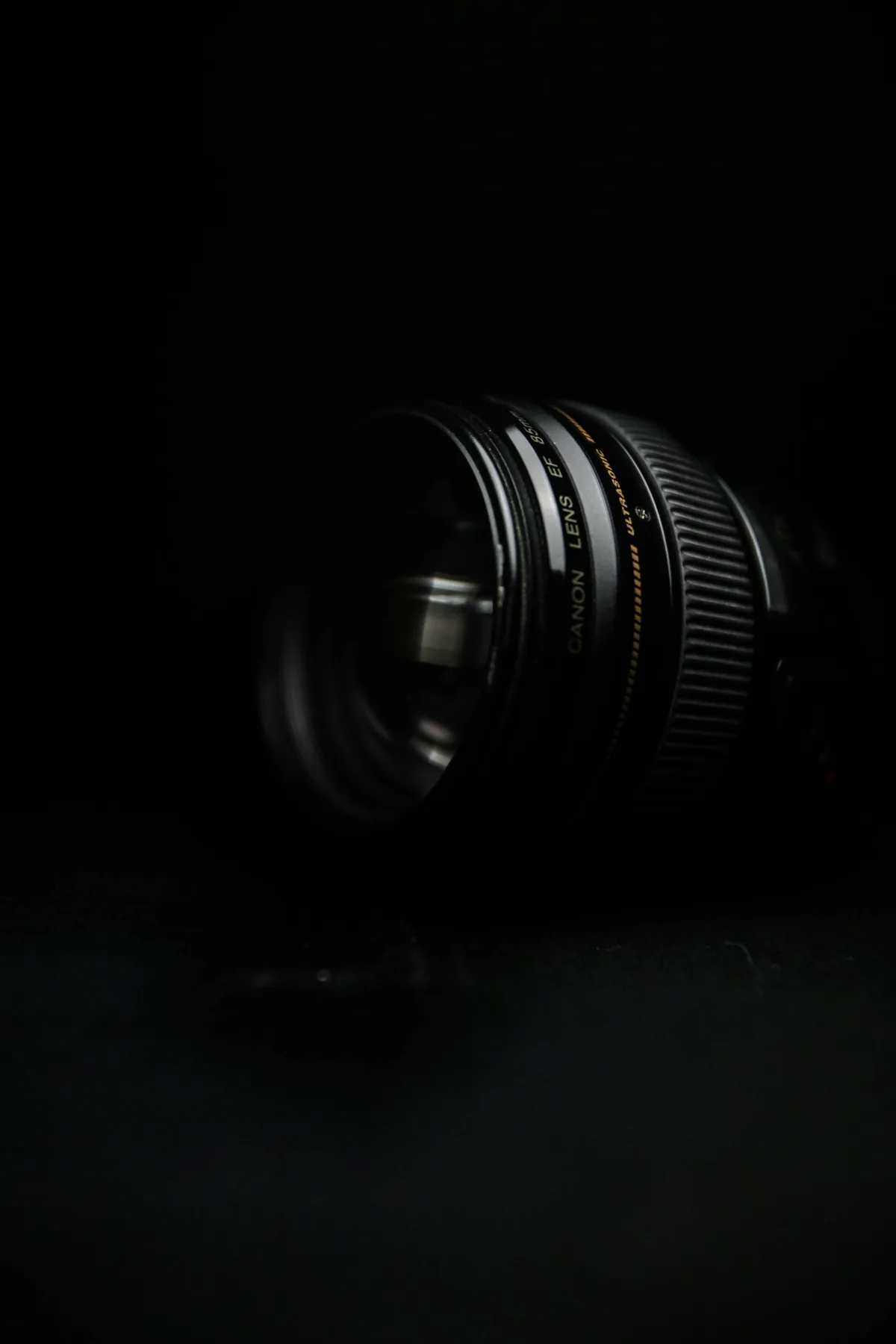
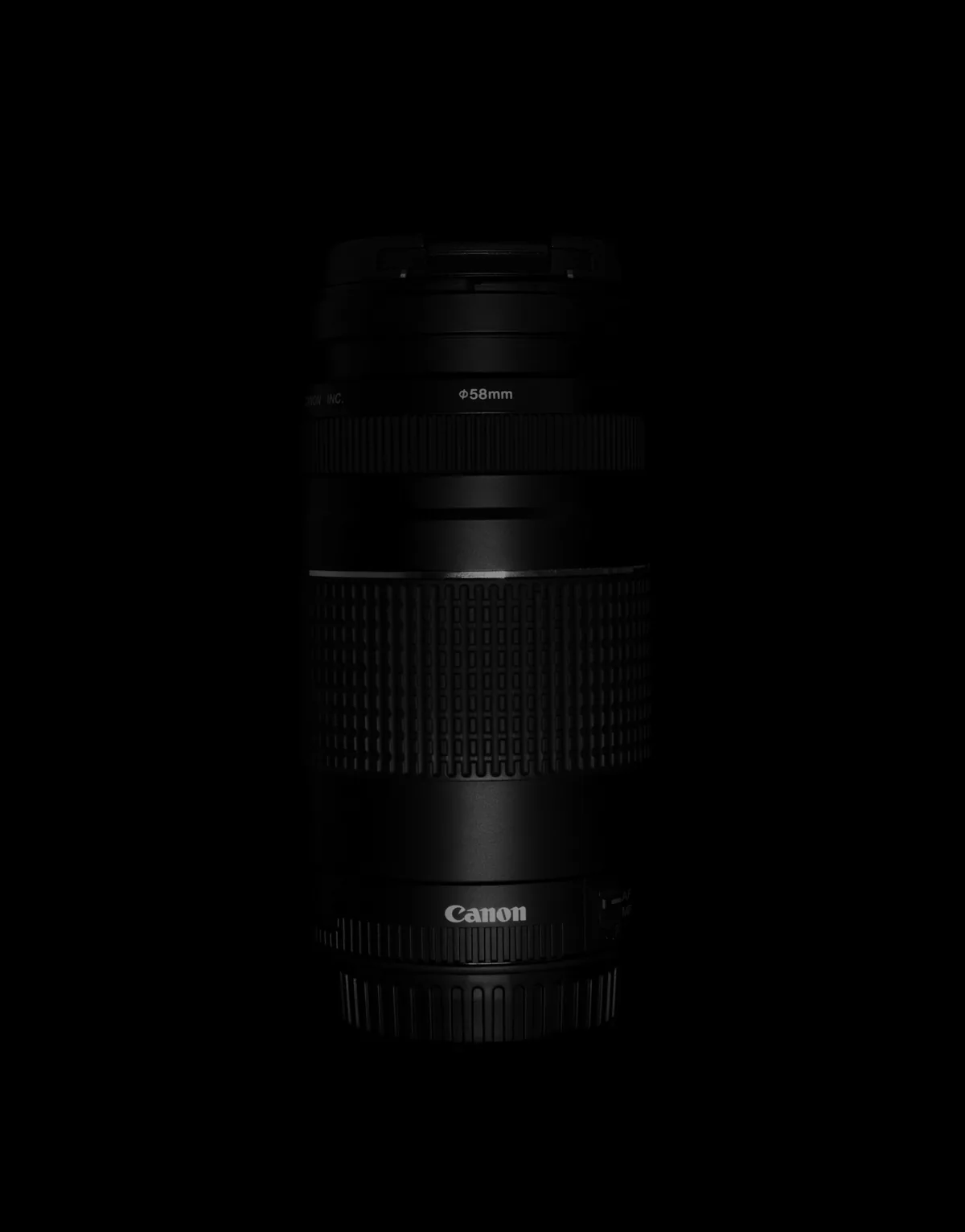
Open the test files at a useful viewing size as well as inspecting detail. Ask whether the result supports your actual subjects and output, while keeping any unexplained defect separate from normal design limitations. Test autofocus repeatedly and check stabilization if the lens includes it, following the manufacturer’s instructions. Save the files and written condition description before the return window closes. The three accompanying lens photographs are licensed illustrations of exterior equipment, not examples of fungus, haze or decentering and not proof that those particular lenses are defective.