Give the change a reason
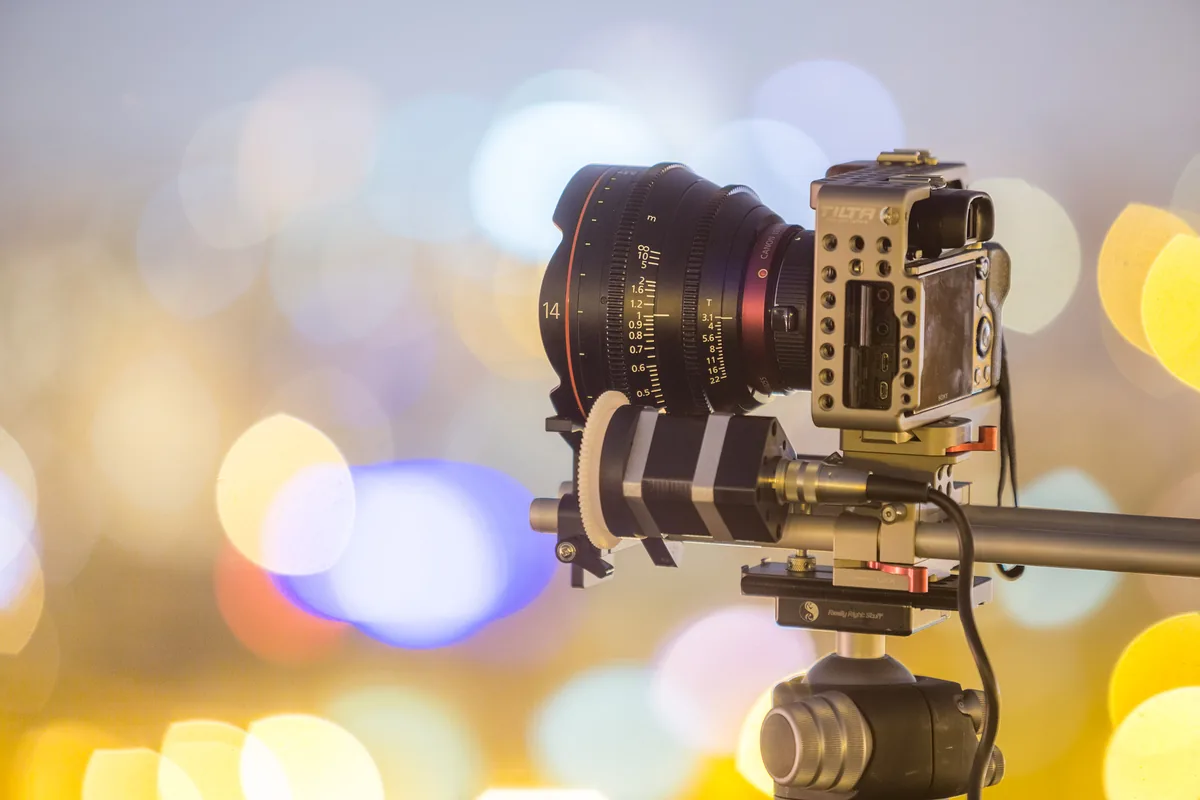
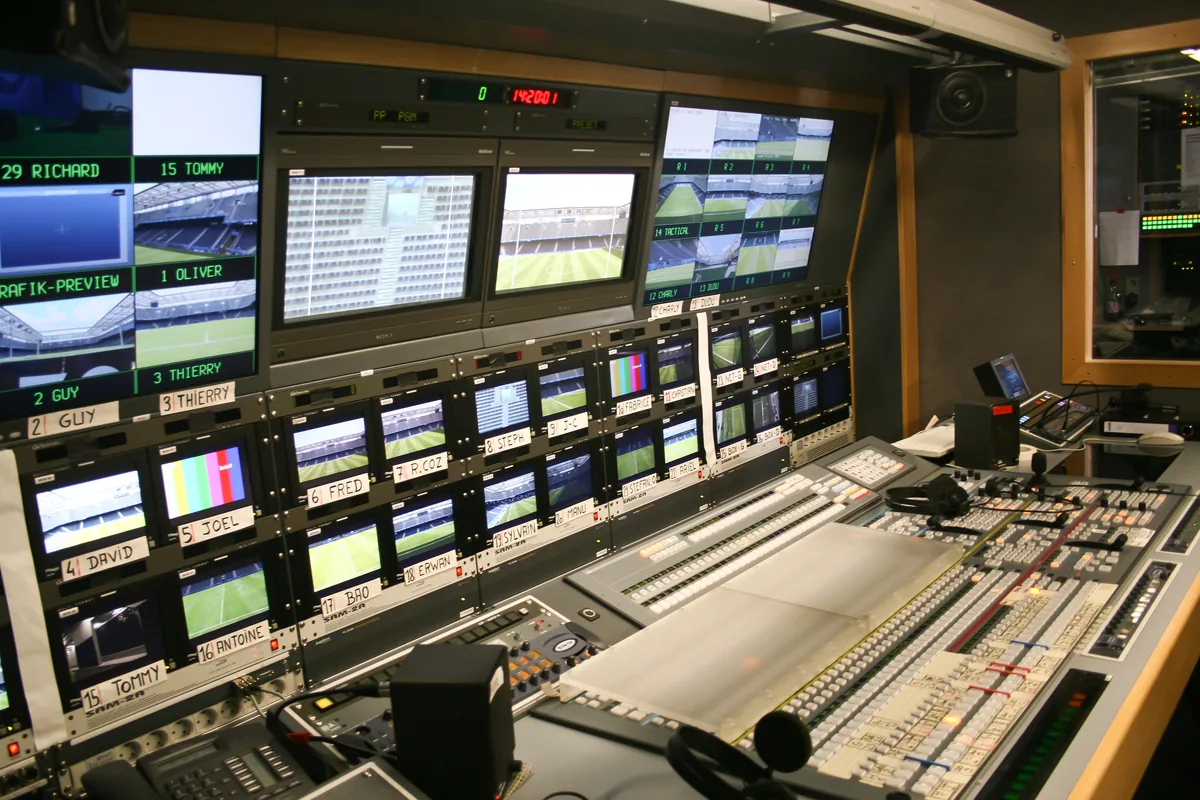
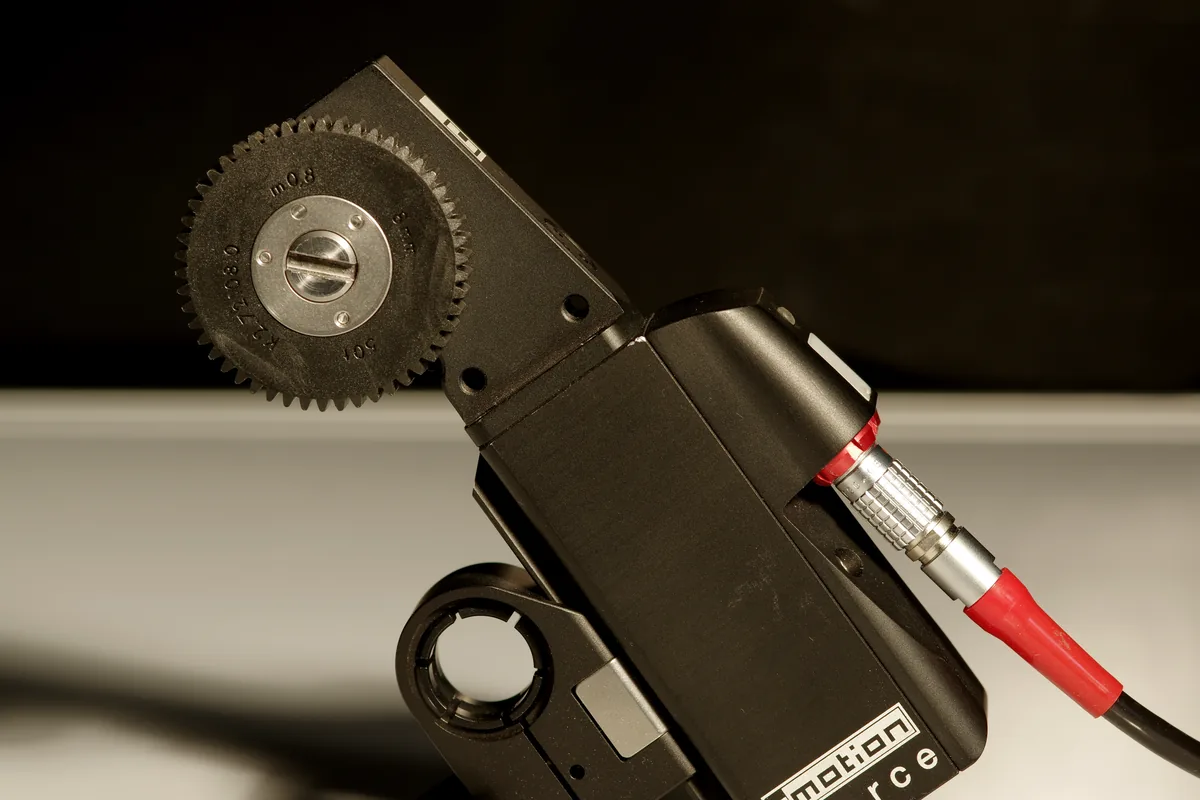
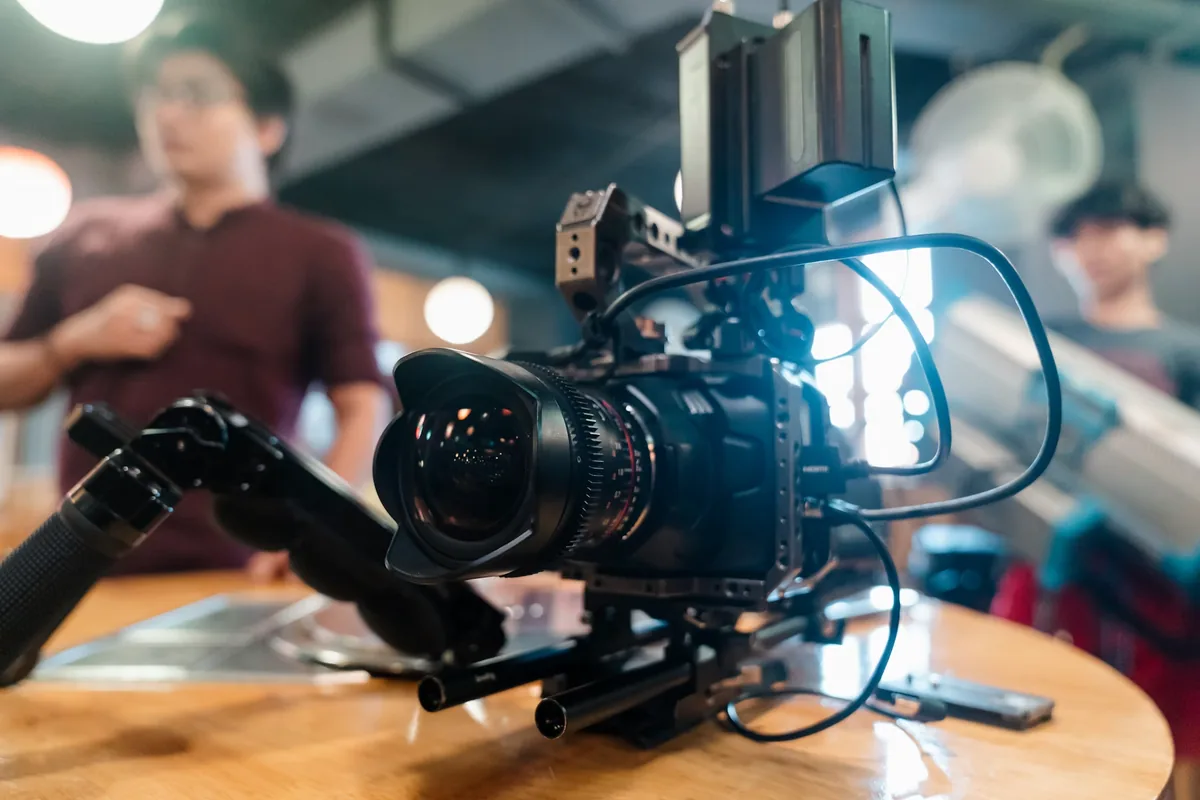
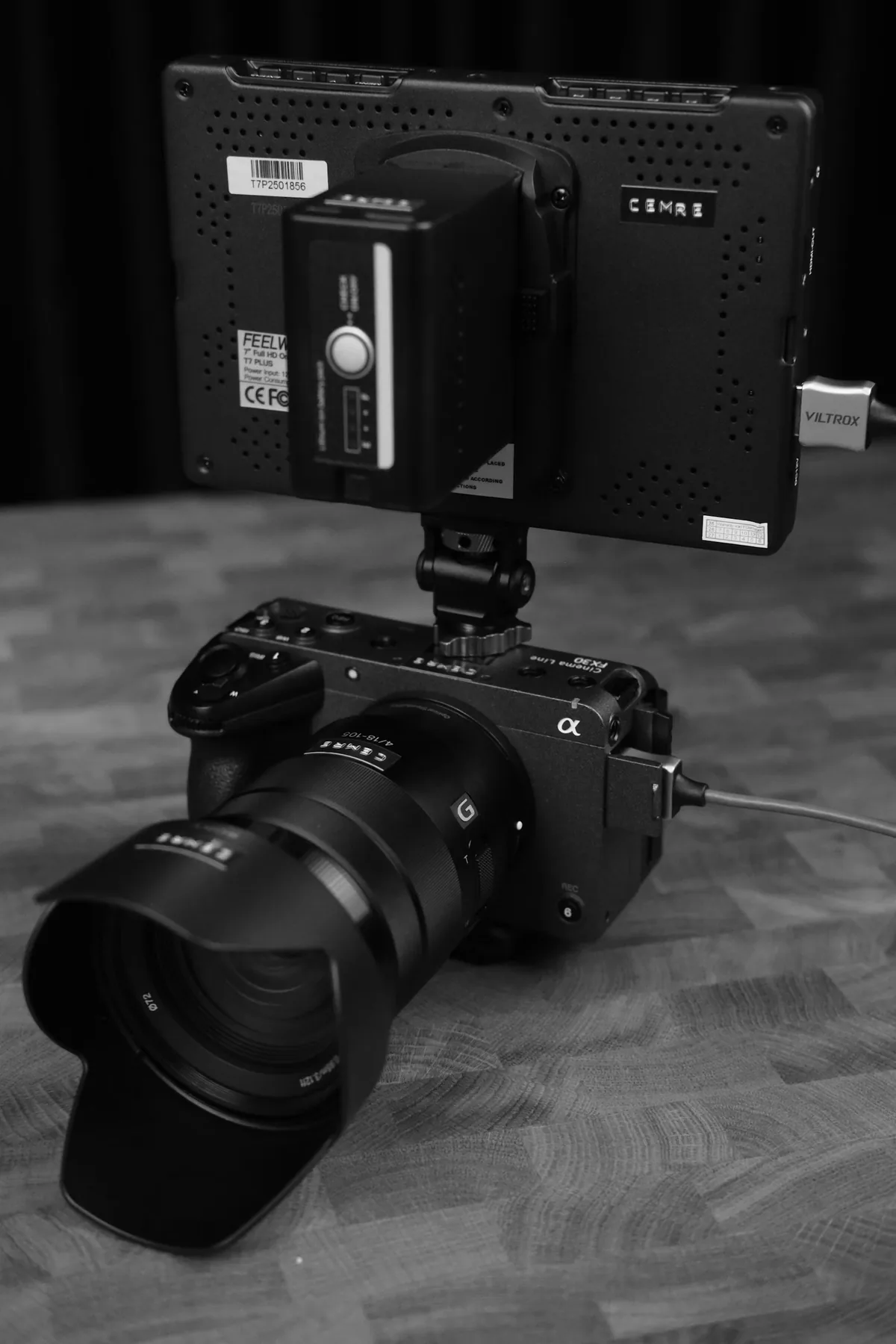
A focus pull redirects attention within a shot. For a simple exercise, place one object near the camera and another farther away, with both visible in the composition. Decide what should draw the viewer from the first to the second: a gesture, an object entering the frame or a spoken cue. Write down that moment before choosing a transition speed. This guide proposes a rehearsal workflow, not a tested preset. The equipment photographs illustrate lens control and monitoring; they do not show frames from a completed focus pull or establish compatibility between the pictured accessories.
Build a stable starting arrangement
Support the camera securely and choose the final focal length, aperture and framing before setting focus. Check that the two subjects can be distinguished at the intended output size. Very shallow depth of field can make the change obvious while making the endpoint difficult to hold. Start with a manageable separation rather than the widest possible aperture. If the subject will move, rehearse that movement too. A mark that works for a stationary object will not automatically follow someone leaning toward the camera during the take.
Confirm both endpoints independently
Use appropriate magnification or another focus-checking aid to inspect the first target, then the second. Return to the normal framing before rehearsing the transition. For manual control, use a suitable marking surface on the follow-focus system if available, without putting adhesive on optical surfaces or obstructing controls. Check whether the lens’s electronic focus response makes a repeated ring movement land consistently. Do not assume a photo lens behaves like a mechanical cinema lens. ARRI’s lens-data documentation describes calibrated mapping systems, but those capabilities belong to compatible equipment, not every focus motor or camera.
Choose manual control or a deliberate autofocus change
Manual pulling offers direct control but requires a repeatable movement and a clear view of the result. Some cameras also allow an autofocus transition between selected targets. Fujifilm’s learning guide demonstrates a touch-selected approach on supported X Series setups and stresses reviewing the recorded transition. Consult the manual for your own model rather than copying menu values across brands. Subject detection can redirect an intended target in some configurations. Test the actual combination of focus area, detection and transition controls before deciding that a tap will produce the desired move.
Rehearse the cue and the arrival separately
Record a short hold on the first target, make the focus change on the agreed cue and keep recording on the destination. Ask two separate questions during playback: did the change begin at the right moment, and did it finish when the viewer needed the second subject? A technically smooth pull can still arrive too late to reveal an expression. Try a faster and a slower version without changing the composition. Label each take so the editor can compare intention and timing, rather than having to infer them from nearly identical thumbnails.
Look beyond endpoint sharpness
Watch for a bump when a hand touches the camera, an overshoot at the destination and an unwanted change in framing as focus moves. That framing change is often called focus breathing; its visibility depends on the lens and setup. Check the complete recording at normal playback speed as well as paused frames. Listen for handling or motor sound if the microphone is near the camera. A monitor can help the operator judge the move, but a clean monitor preview does not replace inspection of the saved picture and sound.
Simplify when the rehearsal is unreliable
If the destination repeatedly misses, consider a smaller aperture, less subject movement or a simpler cue before adding more equipment. If the transition competes with the performance, a cut between two clearly focused shots may communicate the idea more effectively. Preserve a stable alternative when the assignment allows it. Once the setup works, note the lens, focal length, aperture, focus method, cue and endpoint positions. Recheck after any change to camera or subject position. The valuable result is a move the crew can perform deliberately, with enough clean footage on either side to edit.