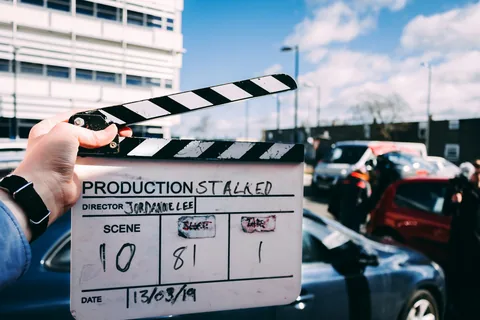
Give the editor a route from note to file
Suppose a director asks for the pause just before the last line of scene 12. “Best pause” written on a loose sheet is hard to use when two cameras and an audio recorder produced sixty files. Agree on a short identifier everyone can repeat, such as 12B take 3. Write it on the board, speak it clearly and enter it next to the recorded filenames. The letter can mean a setup if your production agrees on that convention. Keep the same meaning through the day.
Check the board through the lens
Before action, confirm picture and sound are rolling. Hold the board where its writing is legible in the recorded frame, call the identifier and close the sticks where the camera can see them. Give the camera assistant room to reset focus for the performance. If the frame is too tight or the subject needs quiet, agree on an alternative with the sound recordist before rolling. A tail slate can identify the take after the performance if both recorders keep rolling long enough to capture it.
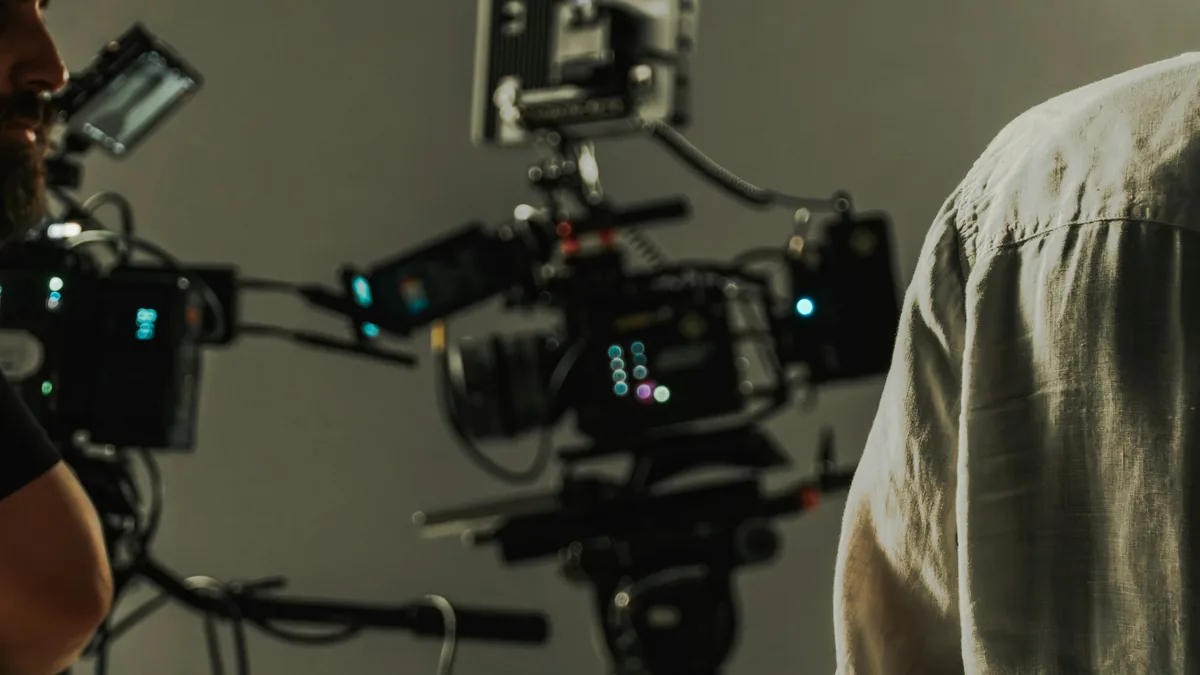
Keep a short log that survives a card change
One example row might read “12B / 3 | camera A, card 02, clip A014 | sound roll 03, file 087 | full scene, clean pause.” Use the real device filenames in your own report. Add a camera or card identifier whenever names could repeat. For a second camera, give its clip a separate field on the same row. Preserve its original file structure during ingest so that these references can still be followed after the media has been copied.
Account for false starts and pickups
If the actors stop after the first sentence, the files still exist. Mark the row “false start after first sentence” and advance to the next agreed take identifier. If another recording begins halfway through a scene, write the opening words or action on its row. A pickup that starts on “open the door” is easier to find weeks later than one labeled simply “short.” When a spoken call and a board disagree, record the discrepancy and the corrected identifier while everyone remembers it.
Rehearse the handoff with three recordings
Make a complete take, a false start and a pickup. Give a colleague only the copied camera files, audio files and log. Ask for the pickup with synchronized sound. Check whether the colleague can locate both originals, identify the reference clap and distinguish the two shorter recordings. Some cameras can store scene and take metadata, as ARRI documents. Verify those fields in your actual editing software before relying on them. Keep the readable report with the media so a later editor can reconstruct the decisions.