Decide which part of the frame needs replacing
Suppose a support enters the bottom corner while an actor crosses a doorway. A close shot of the wall taken during wrap will rarely have the same perspective. With the camera still on its original mark, record the doorway again with the actor and support clear. This second clip is a clean plate. An editor can use the matching patch of wall without painting every brick or guessing where the mortar lines should meet.
Keep the performance settings
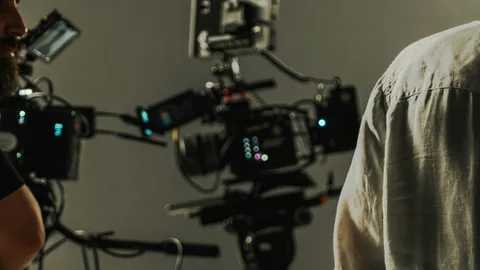
Leave the tripod, head, lens and zoom in place. Keep the exposure, white balance and focus distance used in the take. Focusing on the newly visible wall can make its texture conspicuously sharper than the rest of the background. Watch for an automatic change when the actor leaves, especially face tracking shifting focus to the far wall. If the original take used a focus pull, ask the editor or compositor which part of that change needs a match.
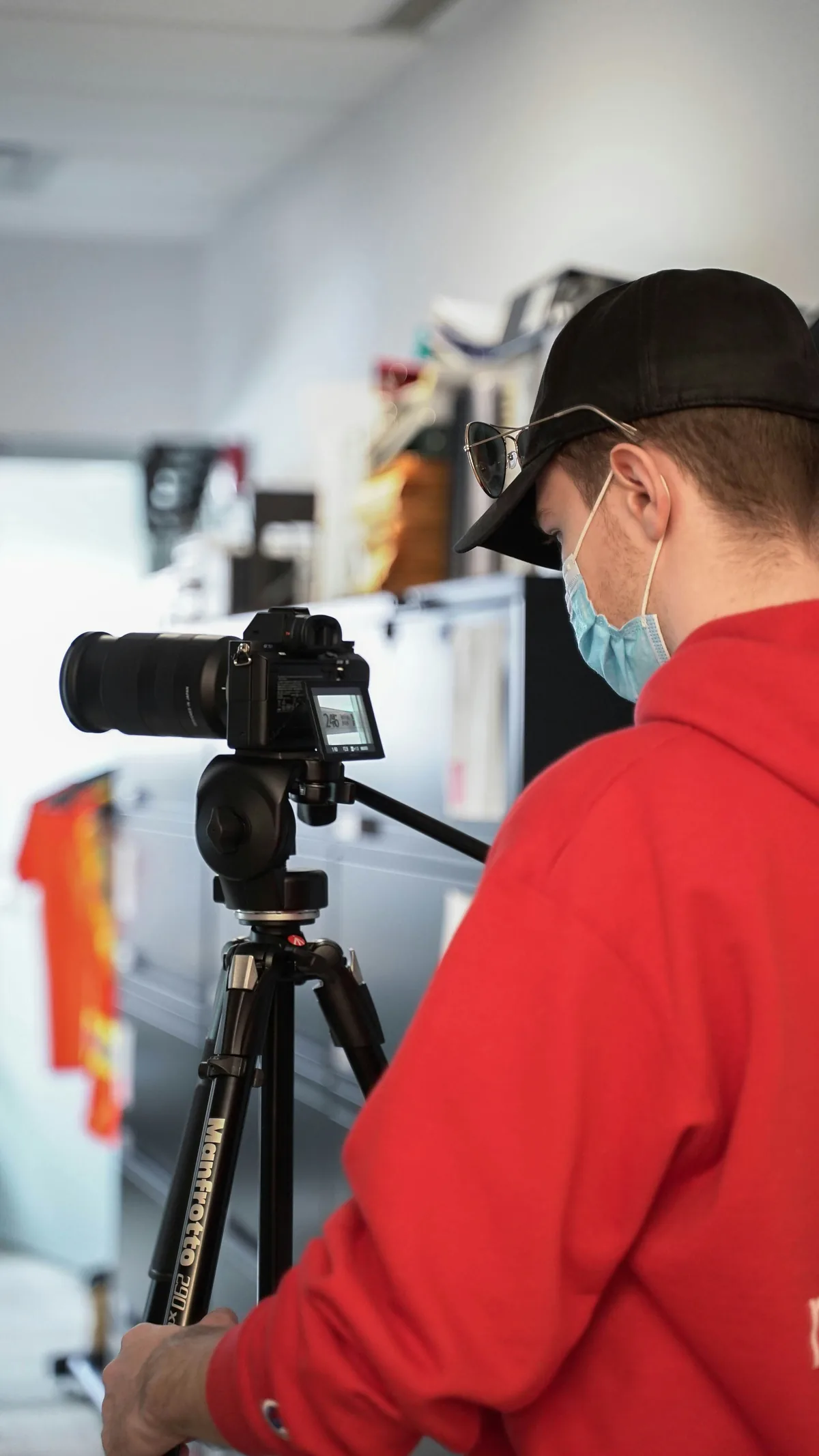
Look for a background that moves
A curtain may still be swaying after the performer exits. A passing vehicle can sweep a reflection across the glass. Check the monitor and record enough time to cover the intended replacement, including room at each end for the edit. If a moving shadow belongs to the performer, agree on whether it should stay in the final shot. One empty frame can describe the wallpaper, but it cannot supply a changing reflection across several seconds.
Make the plate easy to find
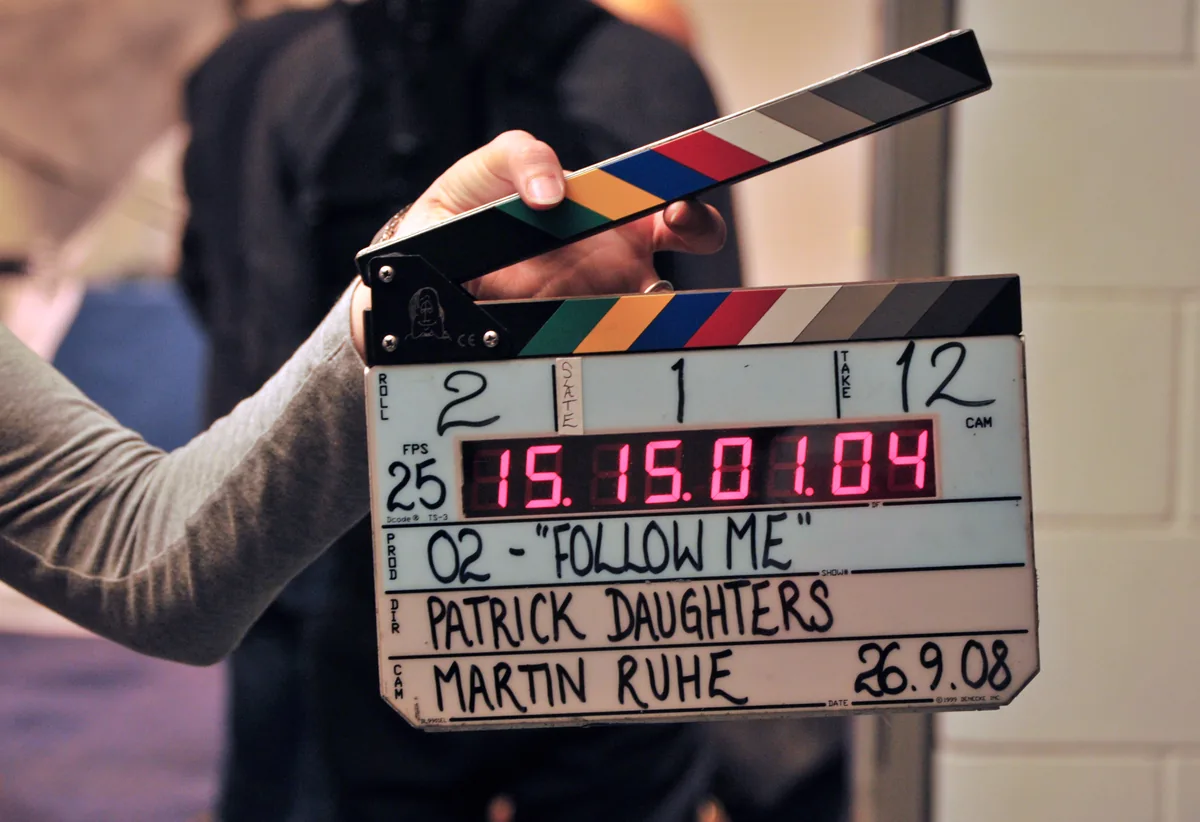
Record the plate directly after the matching take when possible. Note the scene, setup and take number in the camera report and identify which prop or performer was removed. Play the clips in succession and compare a fixed corner near the intended repair. A jump there can reveal a bumped tripod before the set is dismantled. For a moving camera, plan the repeat move or tracking with the compositor ahead of time. A handheld pass from roughly the same position can supply reference, but its pixels will not line up automatically.