Give the next crew a starting point
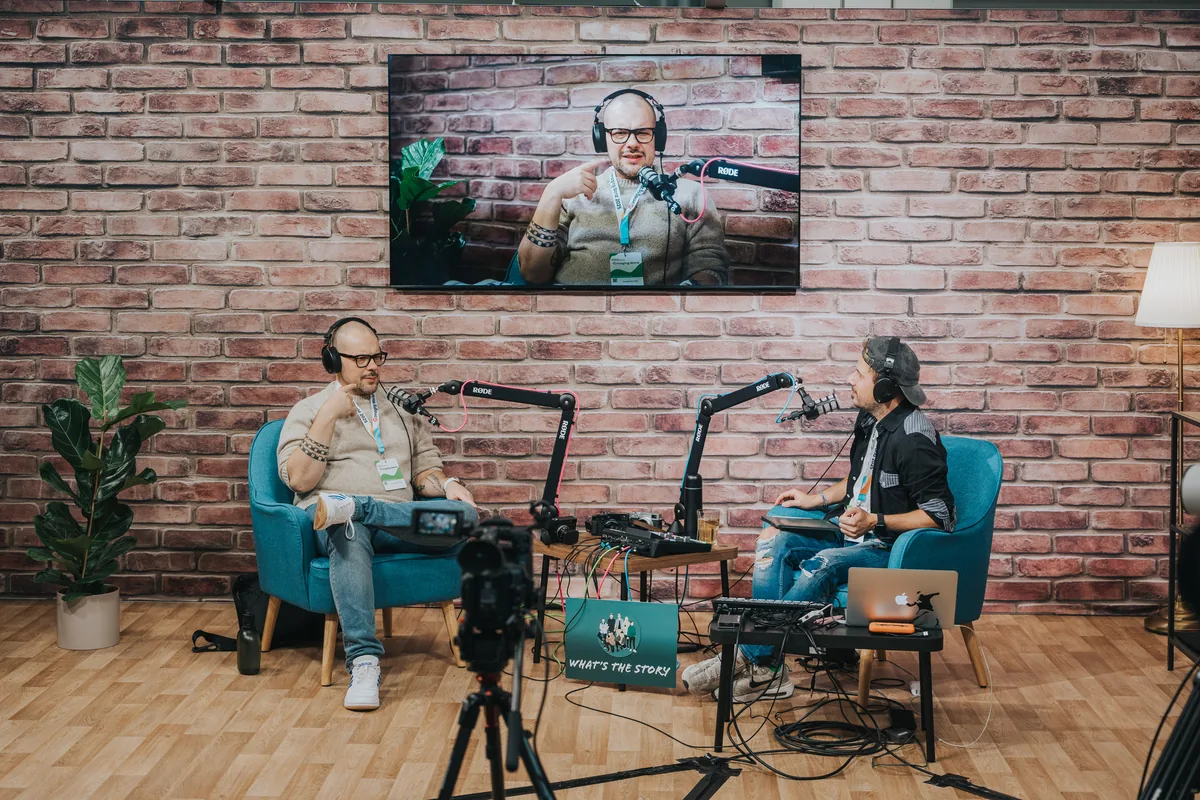
A wide phone photograph of the set is worth taking, but it is a poor ruler. Before moving anything, draw a simple overhead view and mark two fixed references, such as a doorway and an adjacent wall. Locate the chair and tripod relative to both. Note the seat height, camera height, lens focal length and where the interviewee looked. A tripod placed correctly on the floor can still produce a different background and eye line if the camera sits a few inches higher.
Measure the light that reaches the face
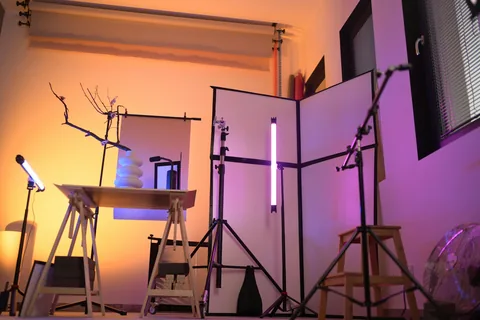
Mark the position of the front of the key modifier, its height and its distance to the subject. Record which edge points toward the nose, whether the light passes across the face, and which diffusion layers or grids were installed. A stand footprint alone cannot tell a returning crew how far a boom extended. Add the fixture setting, color temperature and any tint adjustment. Two setups using the same dimmer percentage can produce different shadow transitions when the modifier size or distance changes.
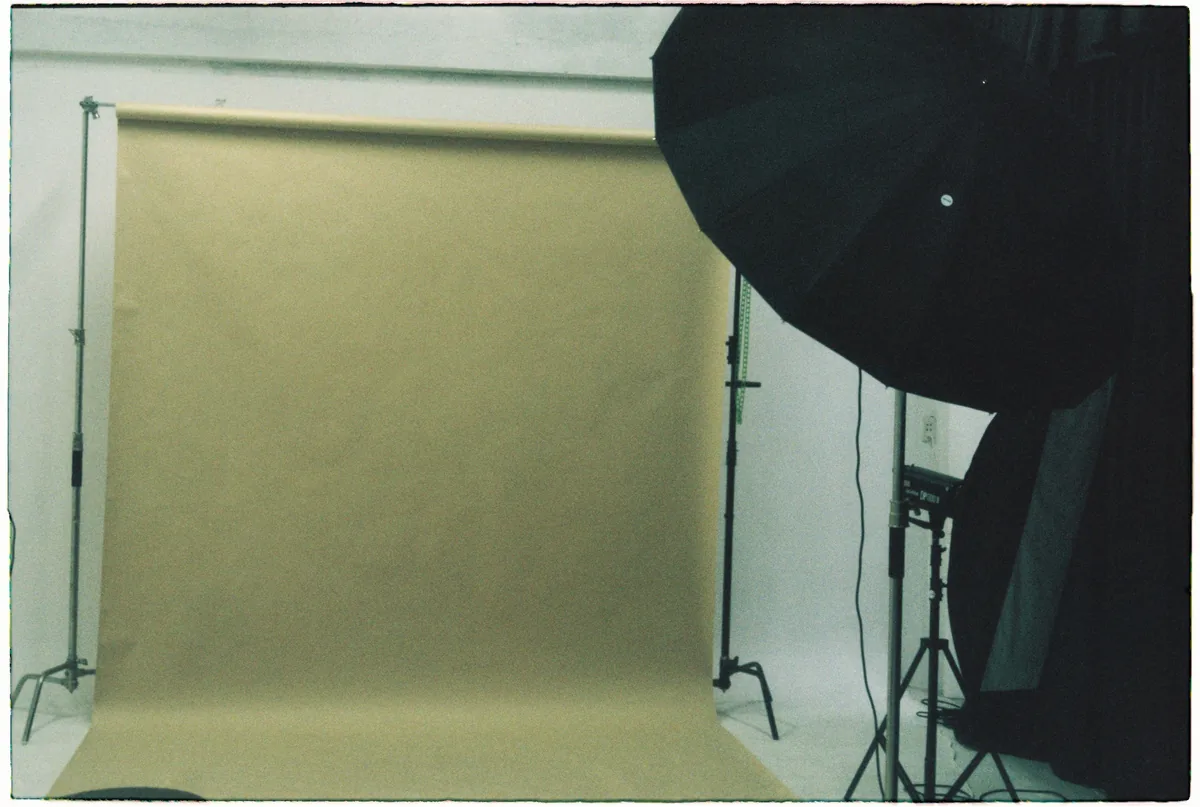
Separate the room from the fixtures
Make one short reference clip under the finished lighting. If practical, make another with the production lights off while leaving the camera settings locked. Note window coverings, practical lamps, overhead switches and the time of day. A wall that shifts toward blue in the pickup may be catching daylight from a newly uncovered window. Raising the key output to compensate can fix the face level while leaving the background visibly different.
Prove the match before recording the answer
Store a full-resolution frame from the original camera file beside the diagram. Label the clip, white balance, exposure, recording profile and viewing transform. On the return visit, compare both images through the same transform. Check the direction of the nose shadow, the catchlight, the brightness of the far cheek and the patch of wall beside the head. If the pickup looks brighter everywhere, check exposure first. If only one shadow has moved, revisit light or chair position. Finish with a short test edit between the original answer and the new take before dismantling the set.