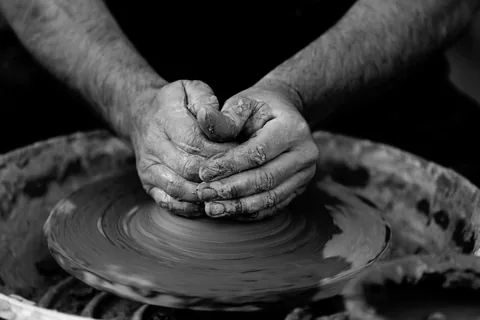
Start with a verb
Before lifting the camera, finish the sentence “This person is…” with a precise verb. Shaping a wall of clay calls for a different view from lifting a finished bowl. In the lead photograph, the pressure of the fingers and the concentric marks on the wheel belong in the same frame. Cover the clay with your thumb while looking at the picture and the gesture becomes harder to explain. That is a quick way to identify the part of a scene your framing needs to protect.
Watch a complete cycle
When a task repeats, watch one cycle from a safe position. Look for the moment immediately before contact, the moment of pressure and the result as the hand clears the surface. With a pen, the nib may disappear under the writing hand at the moment you expected to photograph. Move to the open side of the hand and watch again. Ask where you may stand, keep the operator’s sightline clear and allow the work to proceed at its ordinary pace.
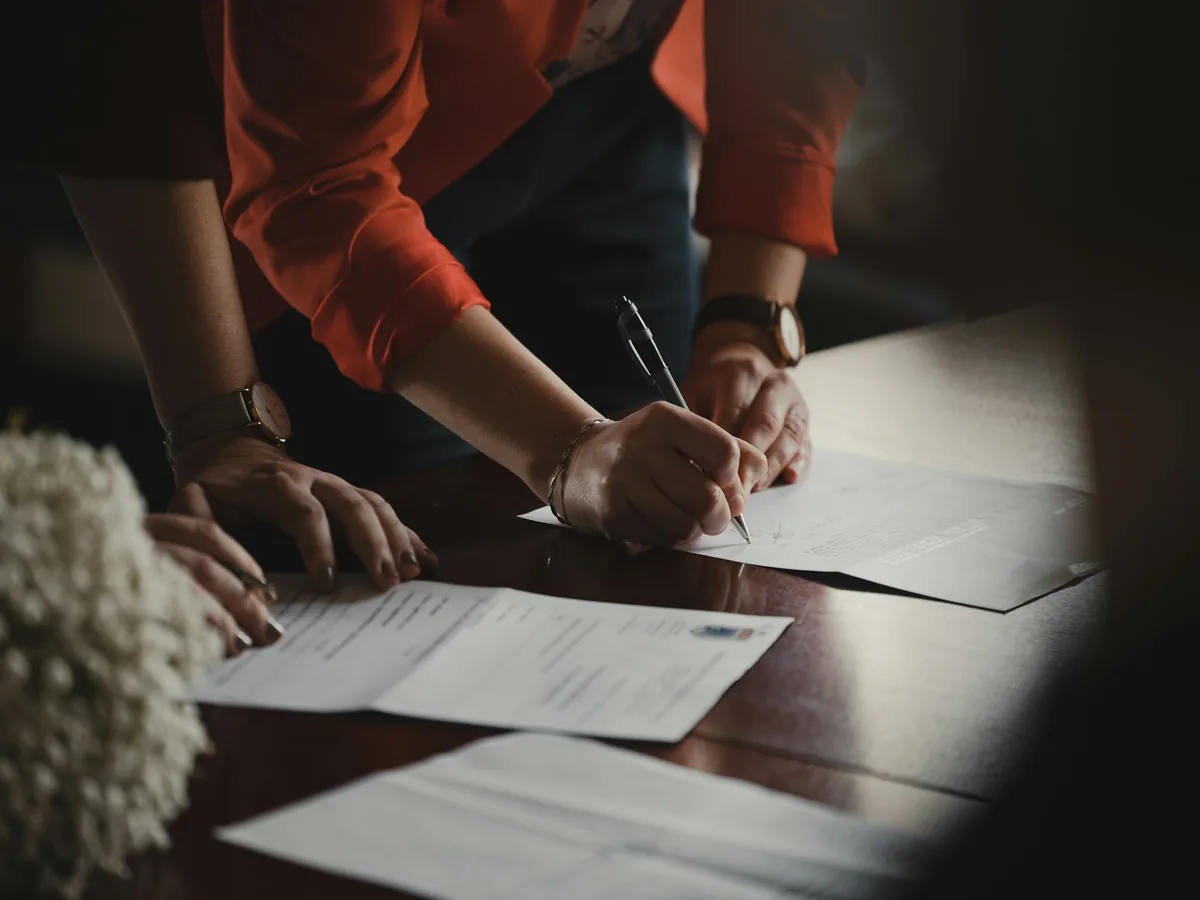
Choose how much of the object to keep
Make a wider frame that identifies the working surface. Then move closer until the tool, the contact point and one clue about the material fill the composition. The lip of a vessel or the edge of a sheet can do more explanatory work than another inch of wrist. Check the far side of the frame for objects that seem to grow out of the fingers. A small shift sideways can separate those shapes without asking anyone to stage the gesture.
Focus where pressure lands
If the thumbnail nearest the lens is sharp but the tool tip is soft, the eye may settle on the wrong detail. Place focus near the working point and examine a saved frame at the size readers will see. If the hand and tool occupy different distances, try a slightly smaller aperture or a viewpoint that brings them into a similar plane. If both are soft in the direction of travel, test a faster shutter speed before changing aperture. Compare one change at a time.
Edit for the action you witnessed
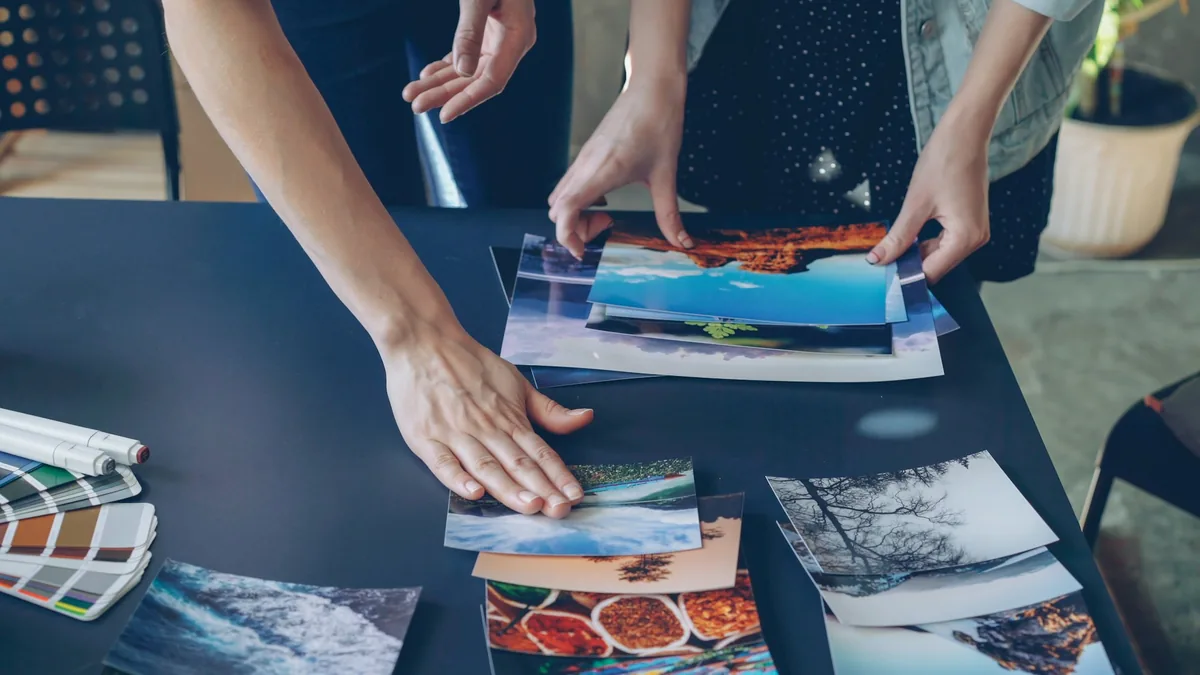
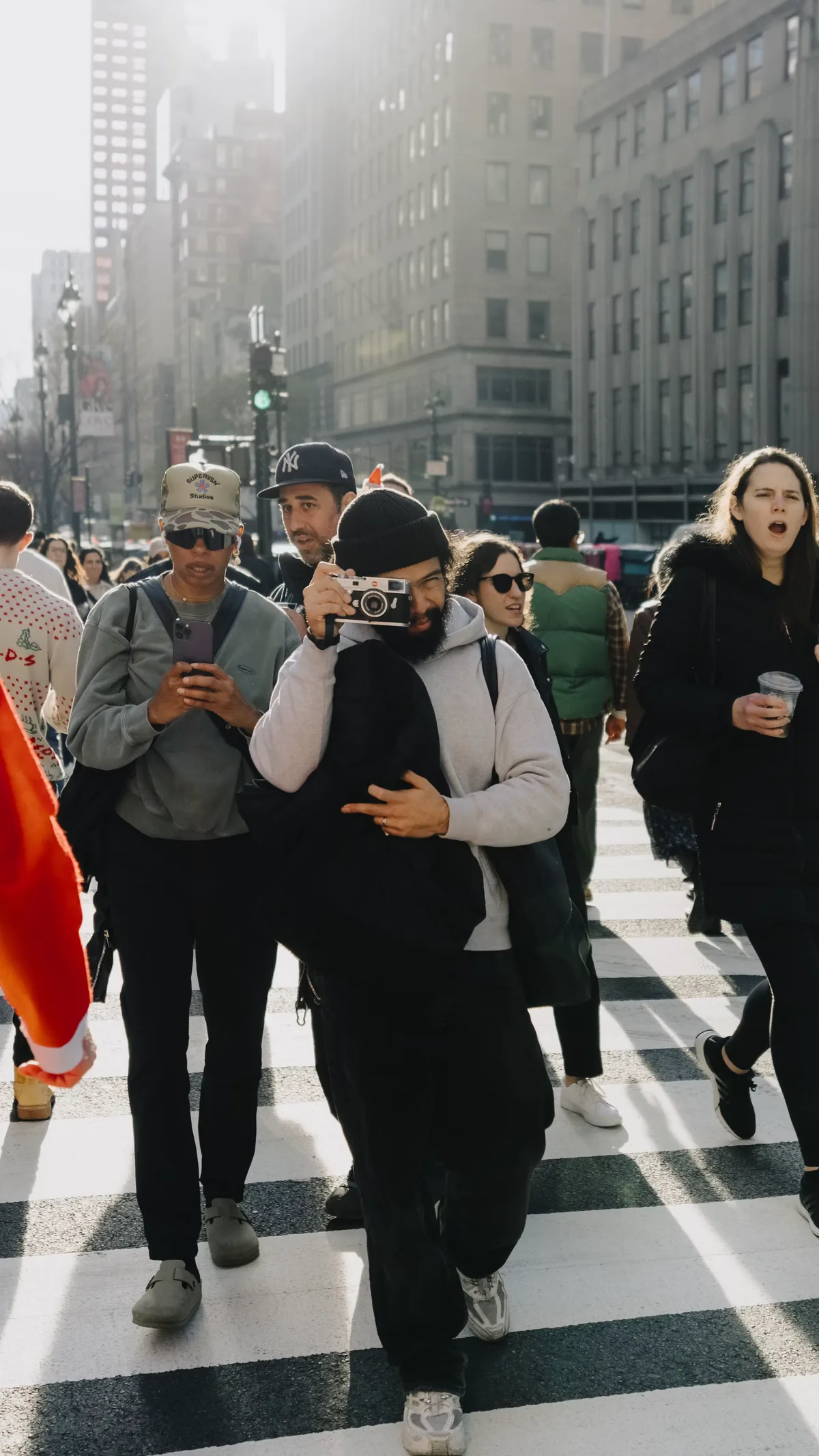
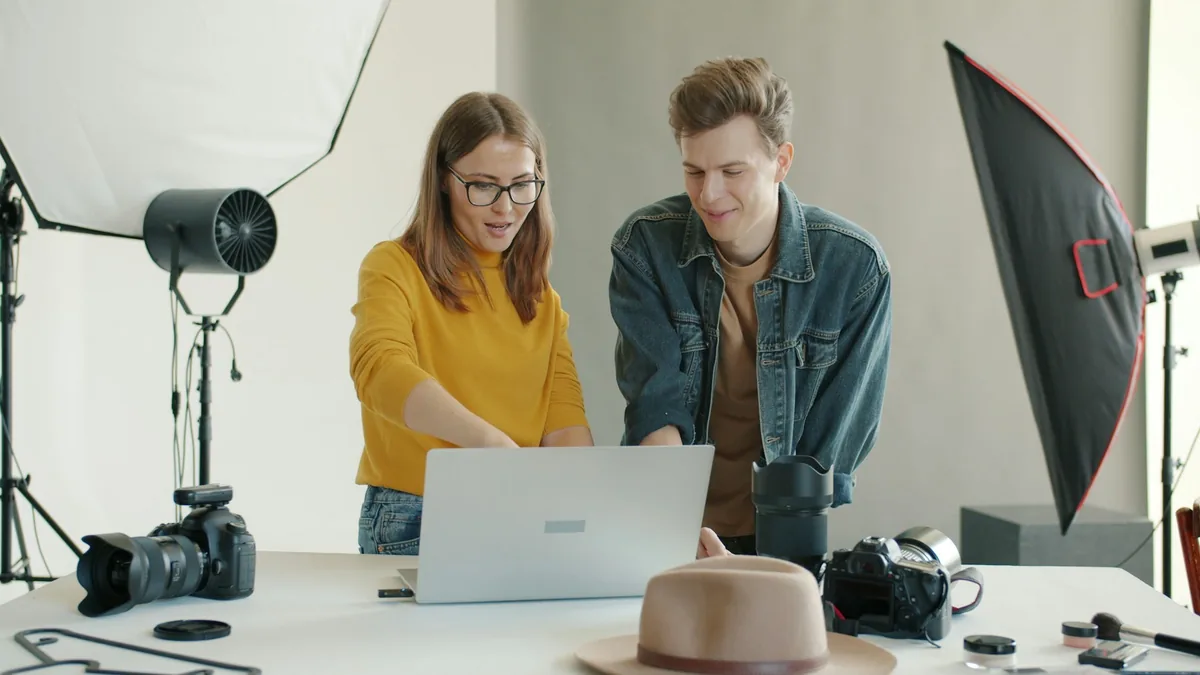
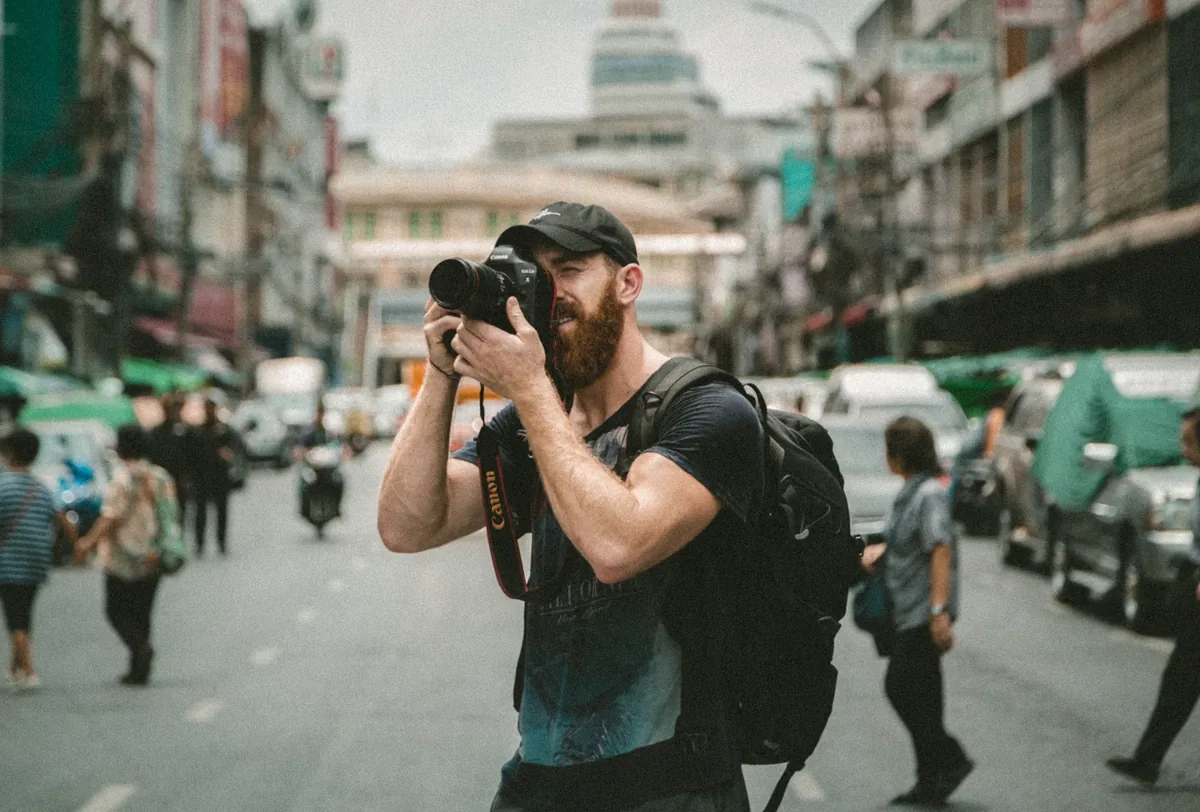
Put the approach, contact and result side by side. Choose the frame that lets someone identify the work without your explanation. A second picture earns its place if it shows a consequence the first frame could only suggest. Confirm names, materials and terminology with the person doing the work. Before sending the file, inspect papers, screens and badges for details outside the agreed story. The three photographs here illustrate different tasks by different photographers.