Start with the sentence the picture must explain
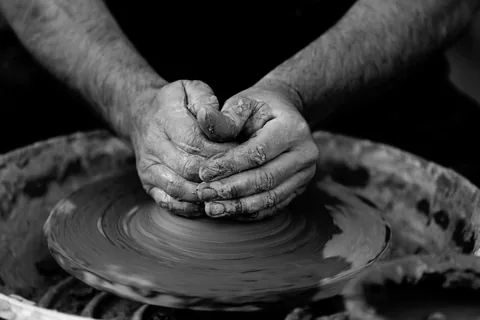
A cutaway leaves the main action to show another relevant detail or part of the setting. Before an interview, write three questions a viewer might have: what object is being discussed, what does the process involve, and where does the activity happen? Turn those into a short shot list. If a potter discusses the pressure used to shape clay, hands working at the wheel may explain more than a decorative view of shelves. A beautiful image that answers none of the questions may still belong elsewhere, but it is not automatically useful coverage for that sentence.
Collect actions, not just fragments
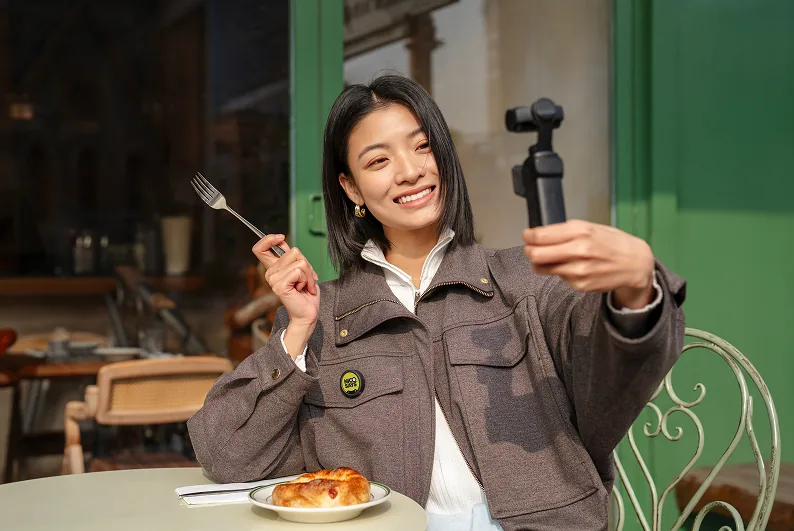
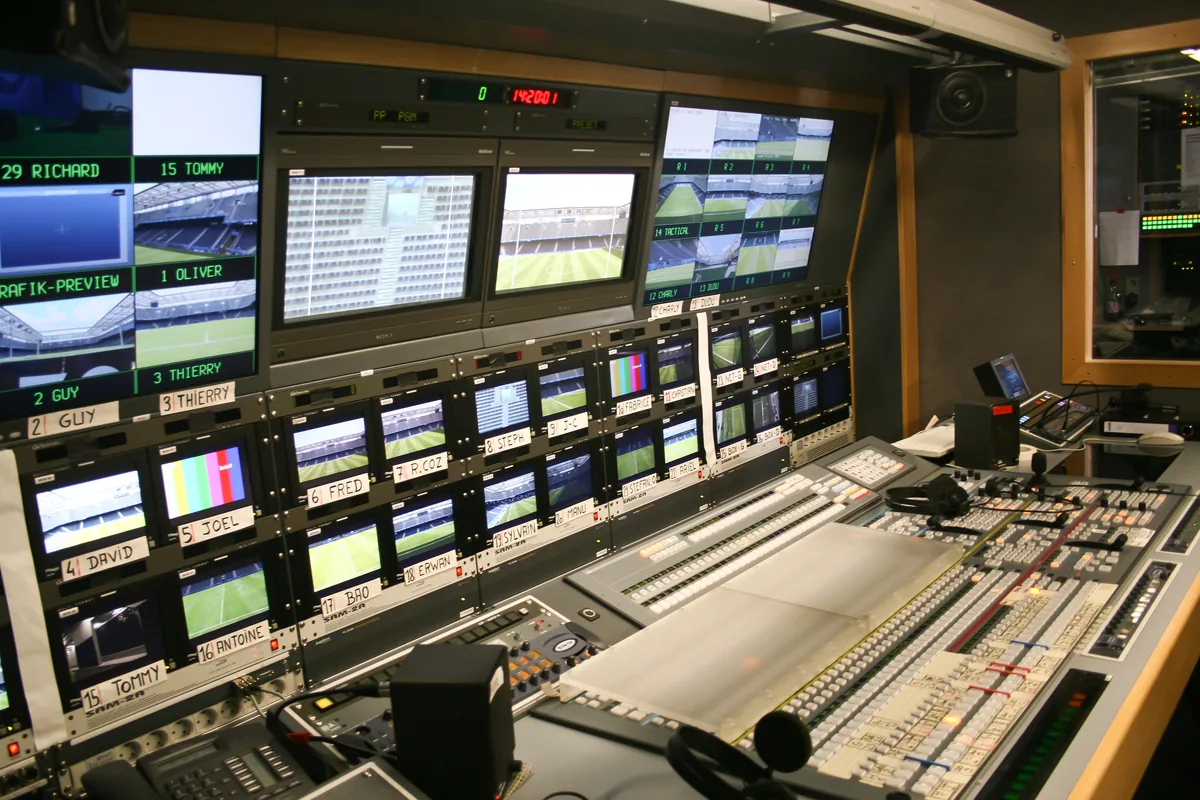
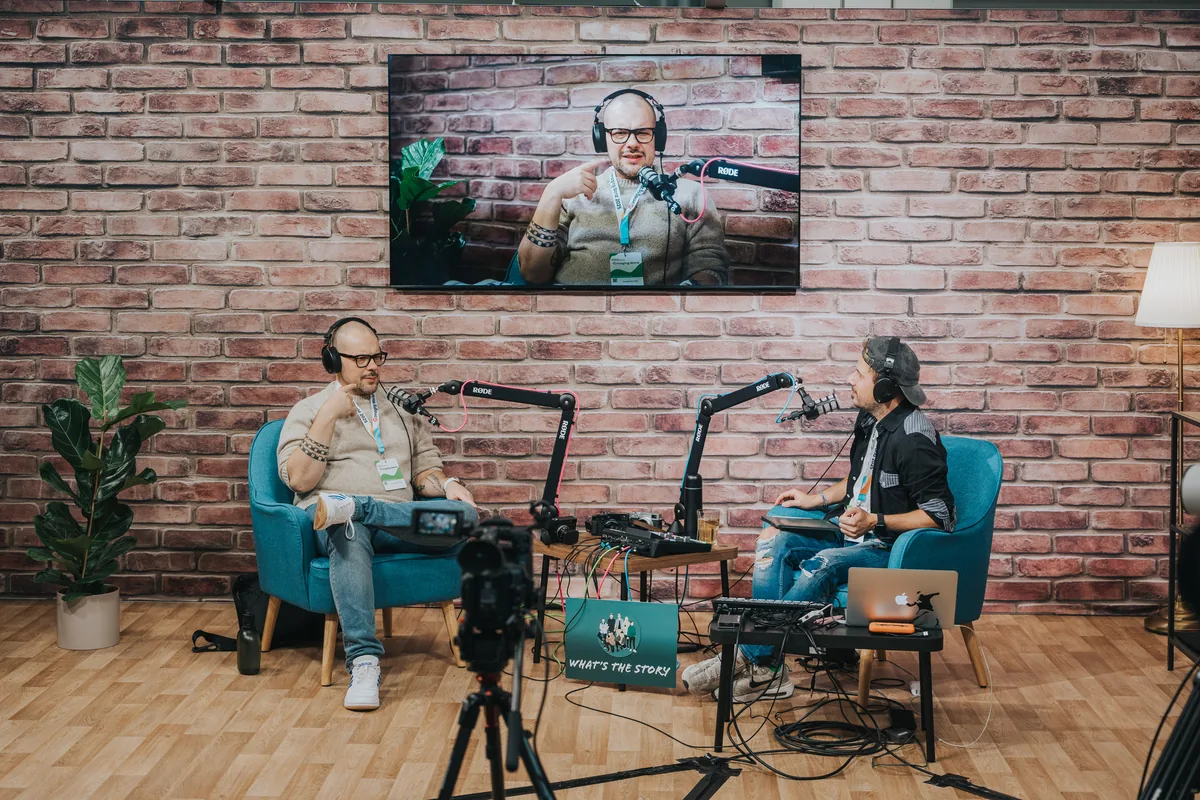
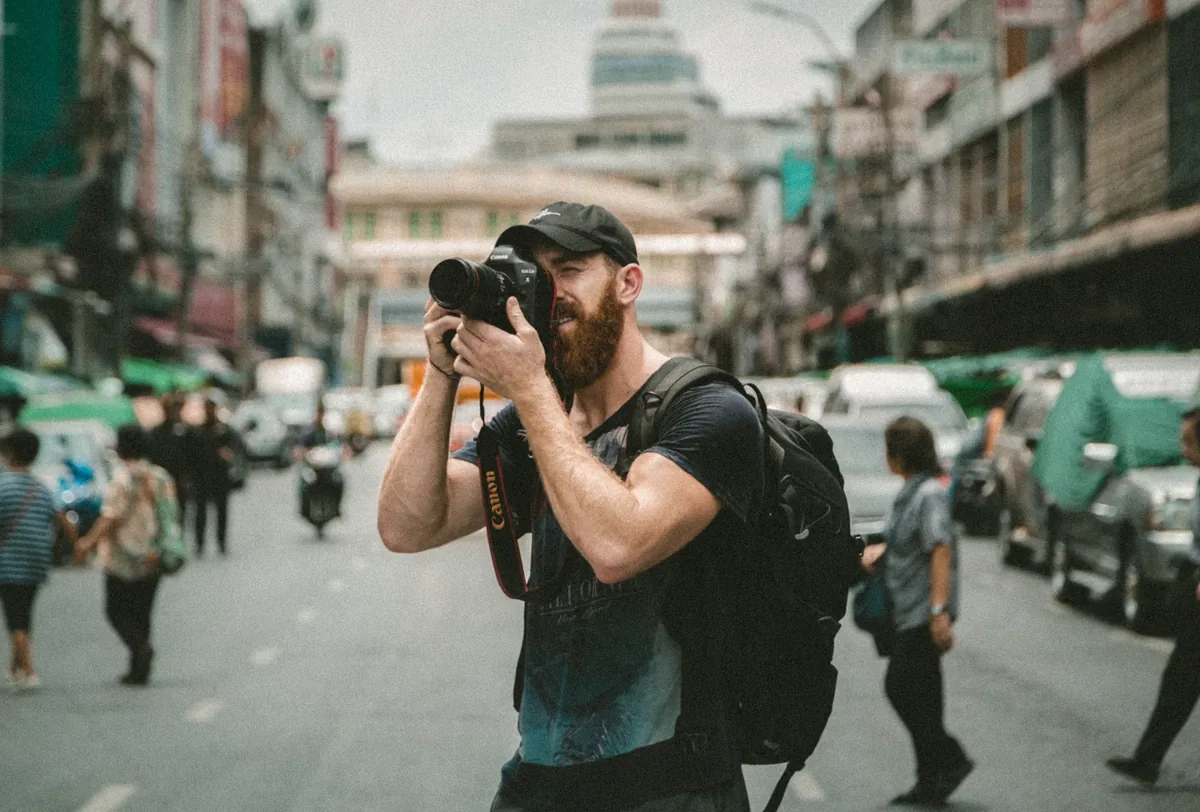
Ask permission to observe a complete, repeatable task. Begin recording before the important movement and continue after it resolves. Get a stable wider view that establishes the relationship between person and object, then a closer view of the relevant detail when circumstances allow. Do not interrupt a delicate or unsafe activity for coverage. If the task is repeated for the camera, note that in the production log. The photographs in this guide illustrate detail, camera handling and editing; they are not frames from one interview or evidence that we filmed the proposed exercise.
Keep a simple continuity record
Note the take, the object’s state and any conspicuous changes. Wet clay becoming a finished pot, a full glass becoming empty or a tool moving between hands can create an unintended jump in time. A cutaway need not match every detail mechanically, but the viewer should not be led to infer a sequence that did not occur. Photographing a reference setup can help the crew remember positions. Keep those notes with the footage so an editor who was not present can distinguish observation, reconstruction and material recorded on another day.
Do not manufacture a reaction
A listening face placed after a statement can look like a response to that statement, even if it was recorded at another moment. For factual work, avoid using that implication to suggest agreement, surprise or disapproval that you did not observe. The same caution applies to an object: showing a damaged item during a general remark can imply a specific accusation. Review what the combination communicates, not merely whether each shot is individually authentic. When the necessary picture is unavailable, staying on the speaker may be the clearest and most accurate choice.
Build a short test edit
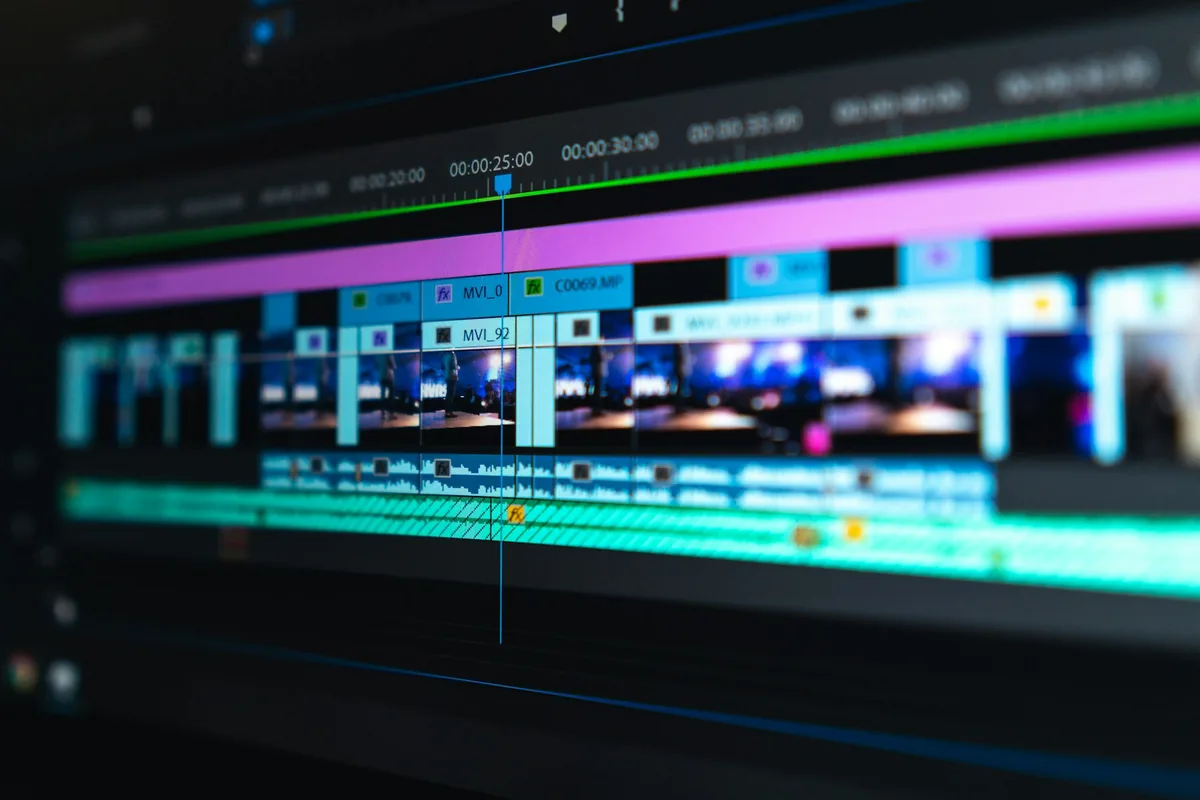
Duplicate the sequence before experimenting. Listen to the selected answer without pictures and confirm that the edit preserves its meaning. Add one relevant cutaway, keeping the underlying dialogue synchronized and continuous where intended. Watch the entrance and return: can the viewer identify what the detail shows, and does returning to the speaker feel motivated? Trim by comprehension rather than a fixed number of seconds. Use our shot-handles and room-tone guides when a transition needs more space or a consistent sound bed. Neither technique should conceal a misleading change to the answer.
Review with someone who missed the shoot
Show the short sequence to a colleague who does not know the production story. Ask what they think happened, when it happened and how the pictured object relates to the words. An unexpected answer is useful evidence that the edit needs attention. Check the final version on a small screen too: a detail that reads clearly on a large monitor may become an unrecognizable patch on a phone. Keep only coverage that survives both the meaning check and the visibility check, then preserve the source clips and notes with the project.