Start with what the photograph is about
Before studying the corners, name the main subject in a few words: a person waiting, a shop opening, a light reflected on wet pavement. This gives the border check a purpose. An object near the edge is not automatically a distraction; it may explain the location or connect the subject to its surroundings. Adobe’s composition guidance discusses attention and visual emphasis. The exercise here turns that broad idea into a repeatable check you can practice on an ordinary scene, without buying equipment or treating one composition rule as a requirement.
Make one slow circuit of the viewfinder
Once the central subject is readable, look around all four sides of the frame. Notice partial signs, bright lamps, stray limbs, thin strips of sky and objects that just touch the subject’s outline. Ask whether each element adds useful information or merely attracts attention. A small bright patch can feel more prominent than a much larger dark area. Do not spend so long on the border that an unrepeatable expression disappears; practice the circuit on still scenes until it becomes a brief part of composing.
Separate an overlap from a real relationship
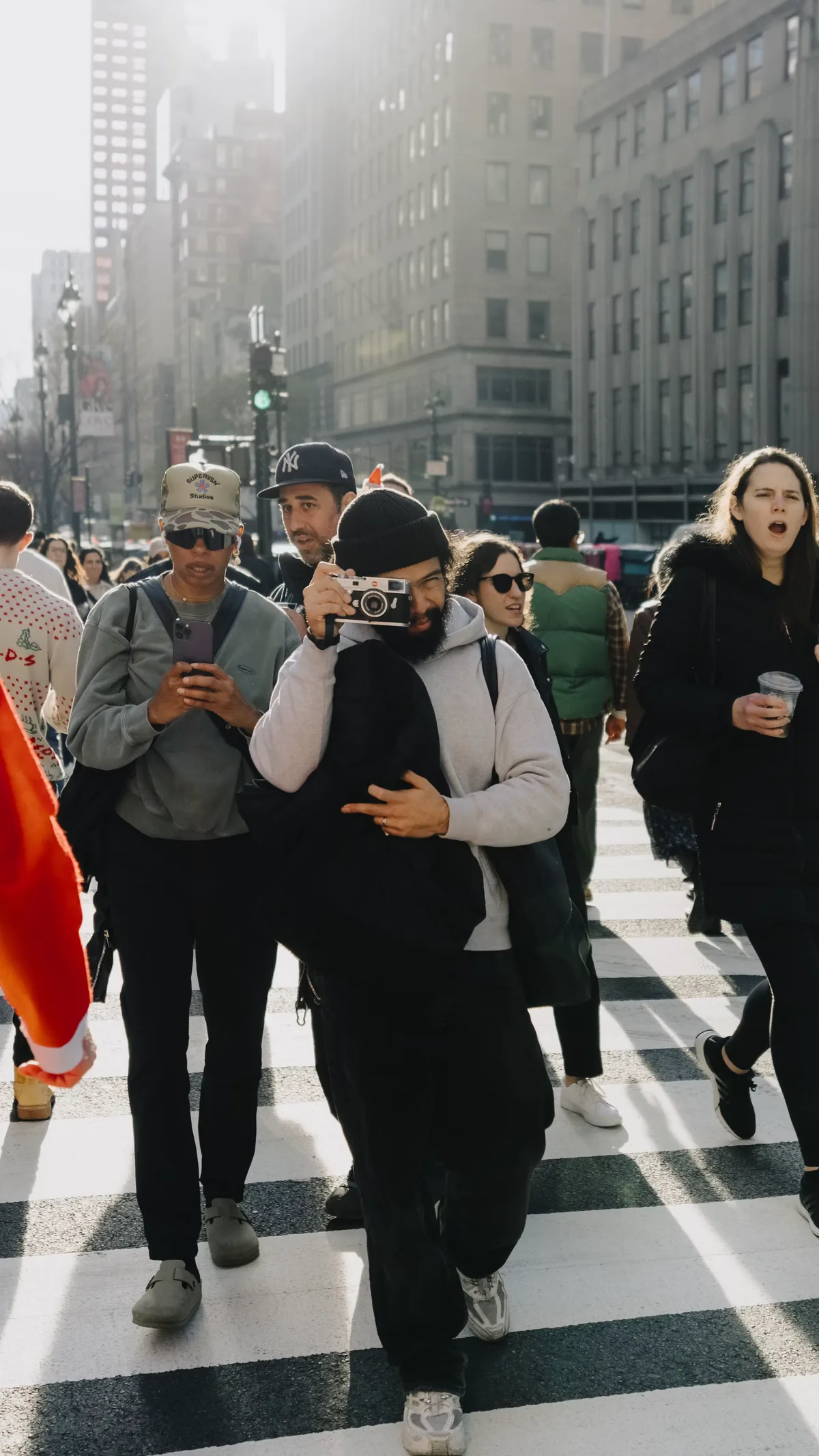
A pole appearing to emerge from a head is a common example, but the same problem occurs when a chair edge merges with a hand or a sign meets a roofline. First move a little sideways while keeping your footing safe. A small change in viewpoint may separate shapes without removing the surrounding story. Recheck the whole composition afterward: fixing one overlap can introduce another. In documentary work, choose a truthful viewpoint rather than moving objects or people and presenting the arrangement as an unaltered moment.
Compare three modest variations
For a stationary scene, make a reference frame, then try one lateral step, a small height change and a slightly tighter framing. Keep the subject and purpose consistent. Review the four photographs together and describe what each change gained or lost. The tight version may remove clutter but also remove the clue that makes the scene understandable. The higher view may separate objects while weakening the foreground. This comparison teaches a decision, not a rule that closer or cleaner is always better. Never step into traffic or restricted space to complete it.
Give moving subjects enough room for the intended moment
If a person is crossing the frame, anticipate where the next step will land. Decide whether you want space ahead of the movement, tension near a border or a deliberately abrupt crop. These are different visual choices. A burst can help compare positions, but it does not replace choosing the background. Check hands, feet and carried objects as well as the face. Avoid declaring every cut limb a mistake: the useful distinction is between a crop that supports the image and one you did not notice until later.

Check the delivered shape as well as the original
A photograph that works in its native aspect ratio may lose an important object in a square or vertical delivery. If a client needs several shapes, leave appropriate room and make an alternate composition rather than assuming every use can come from one frame. Preview the intended crop while editing, but keep the original file. Inspect the resulting thumbnail too: an edge detail that seemed quiet on a large screen can become a confusing fragment when the picture is small. Check captions and layout separately from the photograph.
Use the border check without erasing the scene
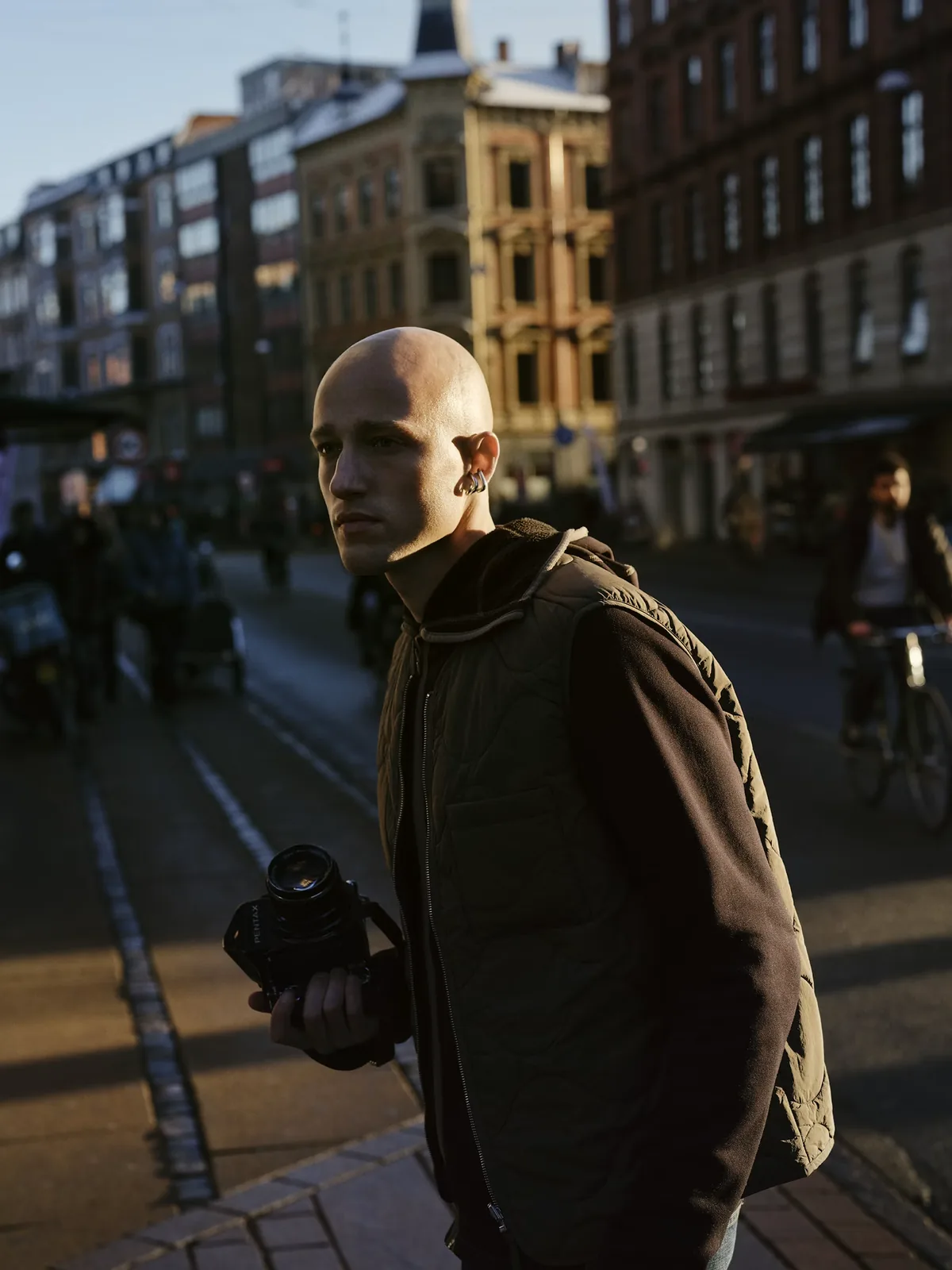
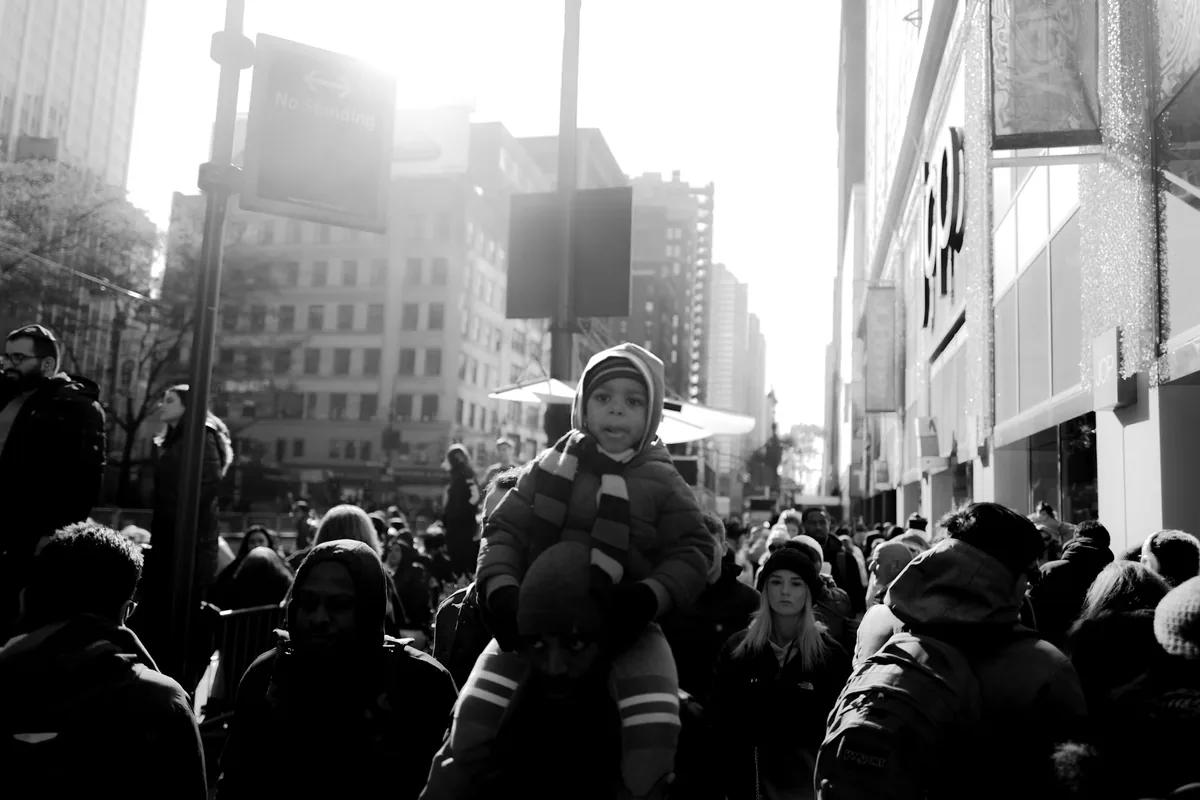
Busy places are allowed to look busy. The objective is to make the relationships legible, not to remove every competing element. In the accompanying night street, signs, equipment and reflections help establish the place; the urban traffic photograph uses strong lines to organize a crowded view. These are licensed examples for observation, not before-and-after demonstrations of our exercise. Keep a few pairs from your own practice and write a single sentence explaining the choice. That explanation is more useful than automatically rejecting every frame with an object near its edge.