Choose the part of the subject that must remain readable
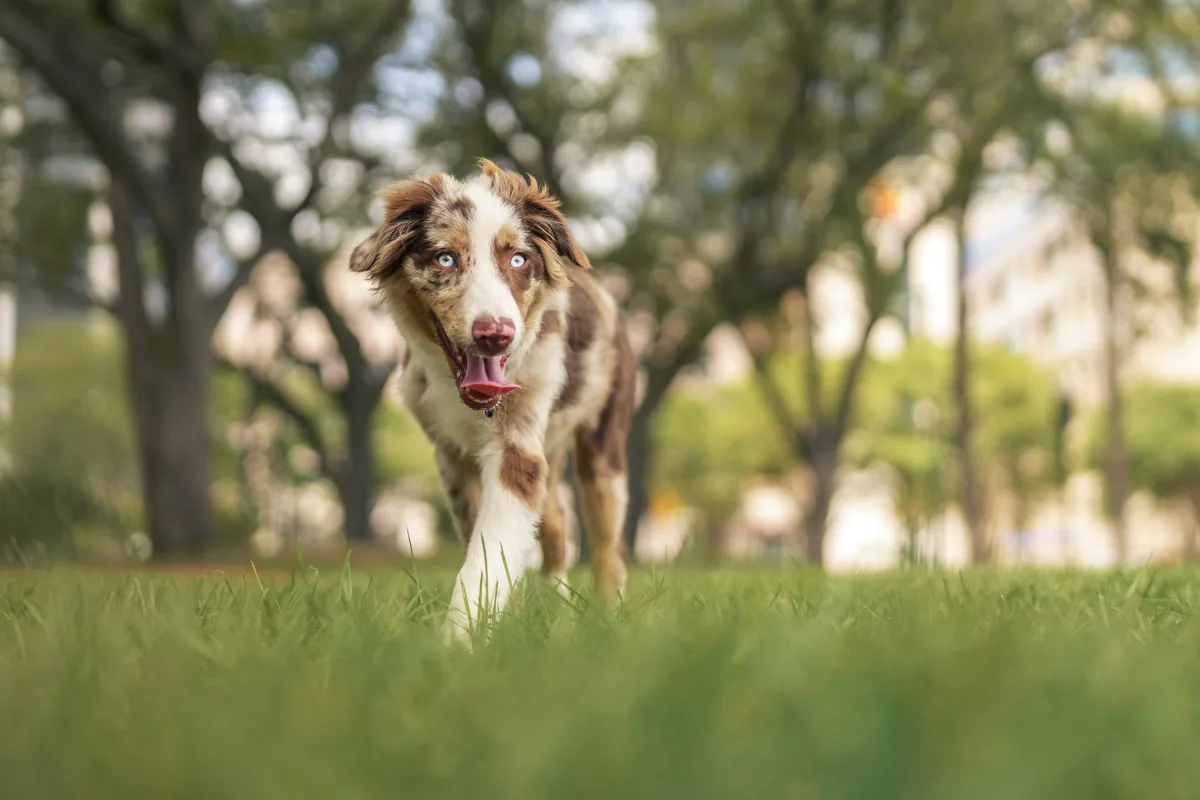
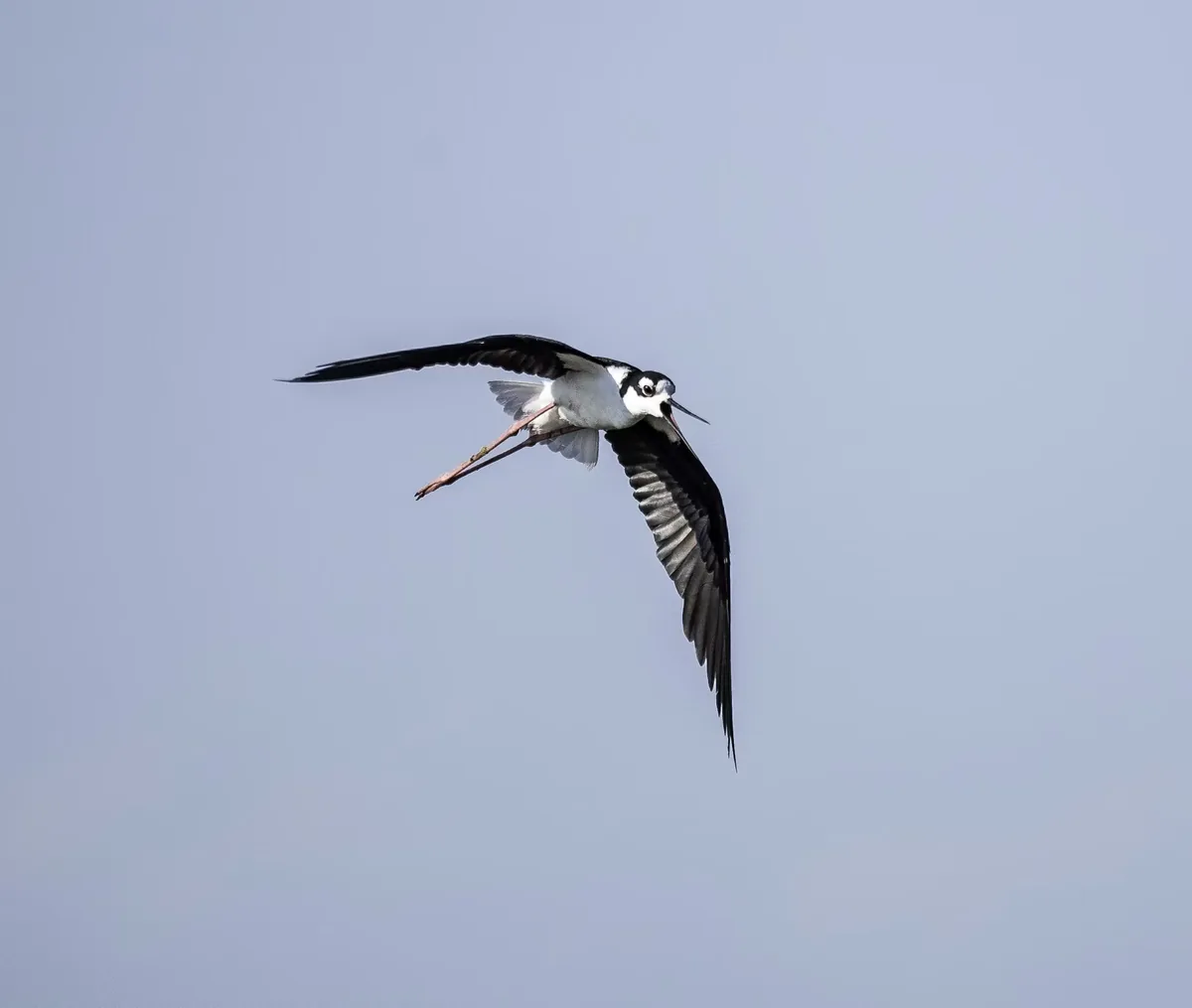
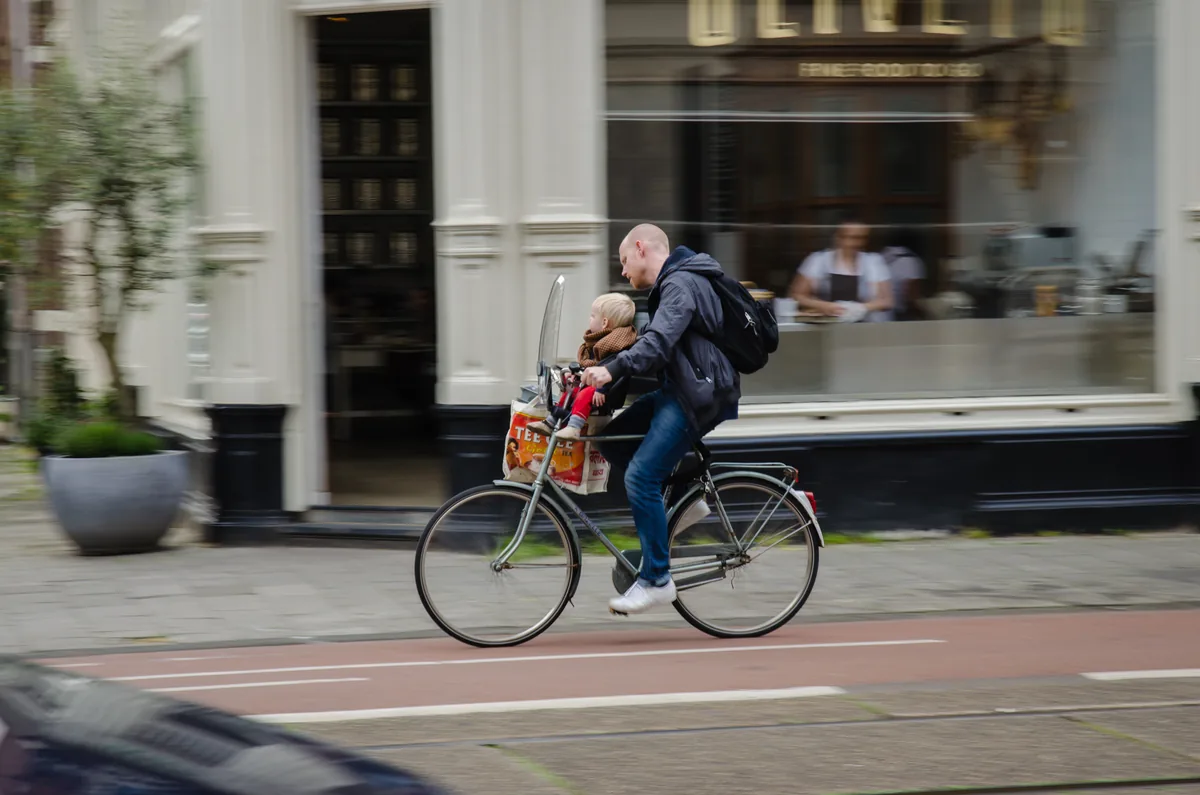
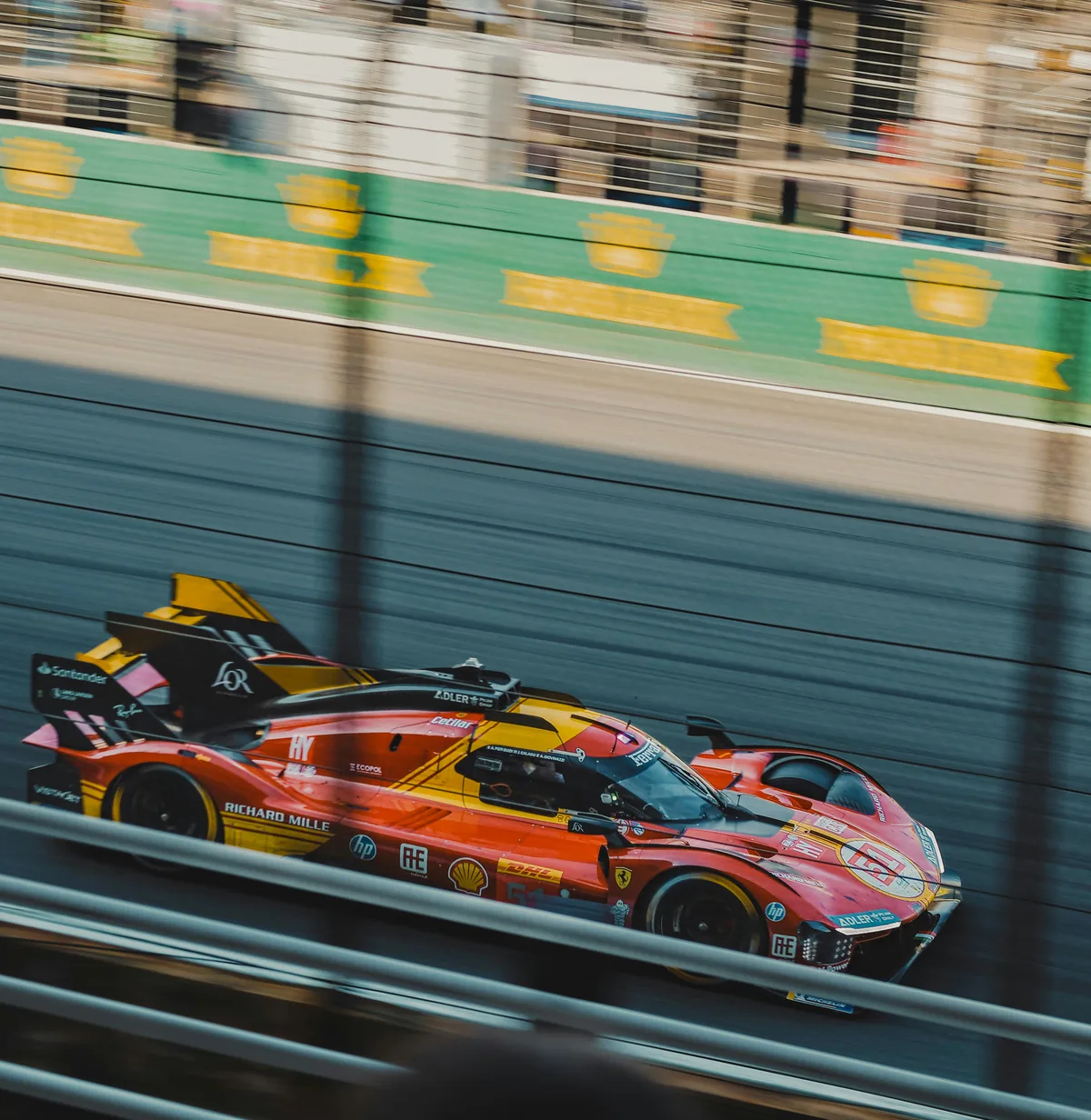
A successful pan does not require every moving part to be sharp. A cyclist’s face may matter more than the spokes, while a racing car’s body can remain recognizable against streaked surroundings. Decide which detail carries the photograph before evaluating a sequence. Canon’s panning guidance describes matching camera movement to a passing subject; this guide adds a small comparison exercise to help you find a repeatable result. The accompanying sports photographs illustrate different kinds of movement. Their exposure and focusing settings are not verified, and they are not results from this exercise.
Make the route predictable
Start with a consenting person walking or cycling along a safe, repeatable route away from traffic. Stay behind any barriers and keep a clear space for your stance. Choose a section where the subject travels across the view rather than directly toward you. Keep the camera position and focal length unchanged for the first comparison. A background with visible detail makes movement easier to assess than a blank sky. Avoid asking someone to travel faster merely to make a picture more dramatic; change the photographic setup instead.
Record a faster reference first
Begin with an exposure short enough to render the chosen detail reasonably clearly, checking the saved frame before proceeding. This establishes whether focus, light and subject size are workable. Select continuous autofocus or another appropriate method for your camera, then confirm where it is focusing. Do not change focus mode and shutter speed together if you want to understand the result. If the reference is already consistently soft, resolve that problem before interpreting a slower exposure. Panning technique cannot rescue a focus plane that never reaches the intended subject.
Try three neighboring exposure times
For a moderate walking or cycling pass, 1/125, 1/60 and 1/30 second can serve as an initial comparison, not universal settings. Faster subjects, closer distances and longer focal lengths may require a different range. Keep brightness comparable using the other exposure controls and check for overexposure in daylight. Repeat several similar passes at each setting. The useful question is not which slowest exposure occasionally works, but which setting produces the kind of movement you want often enough for the assignment. Note the conditions alongside the selected frames.
Keep the movement going after the shutter fires
Pick up the subject before it reaches the chosen part of the background. Follow a consistent detail in the viewfinder, release smoothly and continue following after the exposure. Rehearse the rotation without taking a photograph so that your body does not run out of comfortable movement halfway through. Avoid abruptly stopping because you heard the shutter or saw a preview. If using a lens stabilization mode designed for panning, follow its manual; systems differ, and switching stabilization off is not a universal requirement. Keep that choice constant during the comparison.
Diagnose the blur rather than rejecting every imperfect frame
Compare the important subject detail, then examine the direction and consistency of the background streaks. A readable torso with blurred legs may be the intended result. A doubled face, irregular smear or a subject that drifts across the frame suggests a different problem. Review the faster reference alongside the slower attempts, using equal magnification. Do not infer a precise technical cause from a single failure. If every image is weak, shorten the exposure and simplify the route before changing equipment. Separate focus errors from movement as far as the evidence allows.
Keep a usable setting and a creative alternative
Choose one shutter speed that gives a dependable balance, then keep a slower option for occasions when a lower success rate is acceptable. Recheck both when the subject distance or direction changes. A setting learned beside a cycling path may not transfer to a nearby runner who changes direction abruptly. At an unrepeatable event, obtain a clear record before spending the whole sequence on an experimental blur. The aim is a deliberate visual choice supported by practice, not a rule that every action photograph should show streaks.