A development announcement becomes a purchase decision
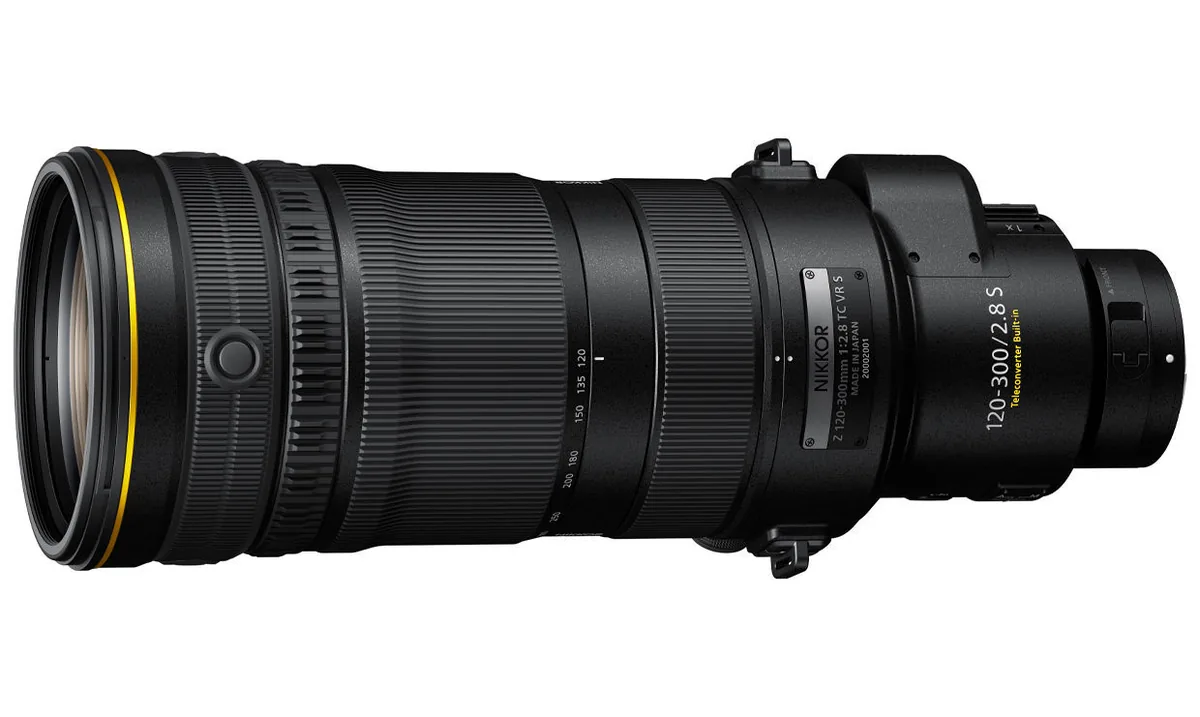
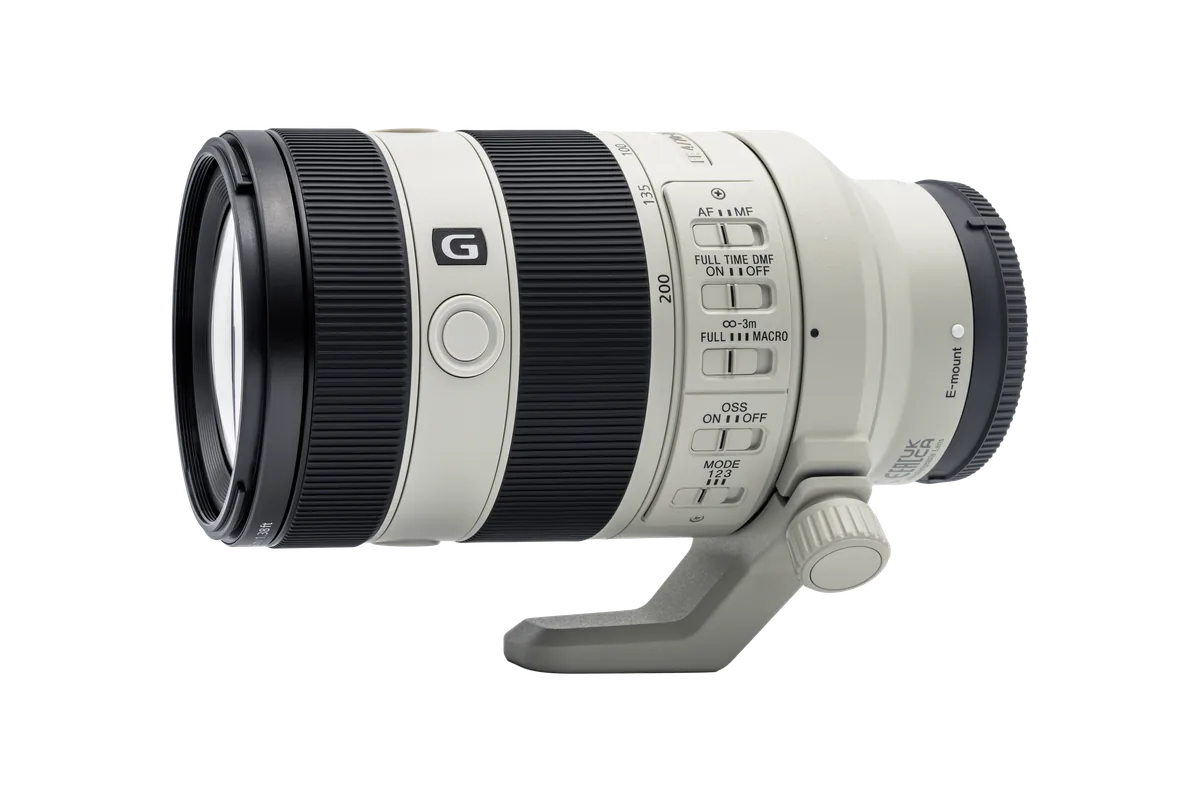
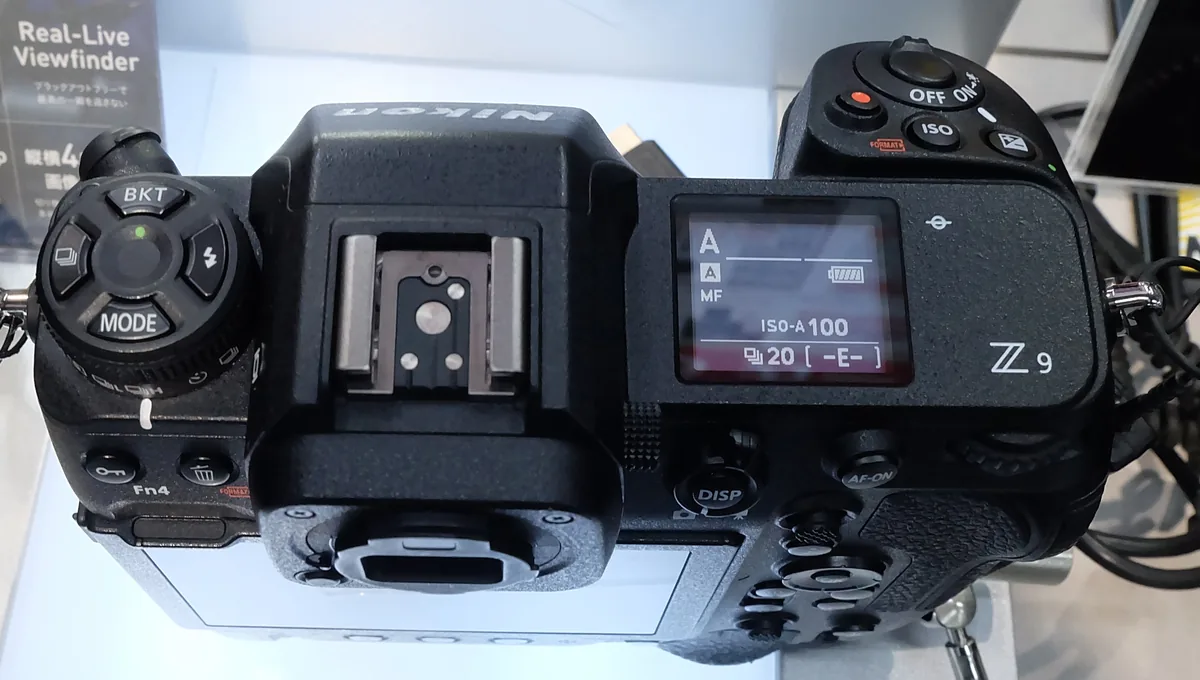
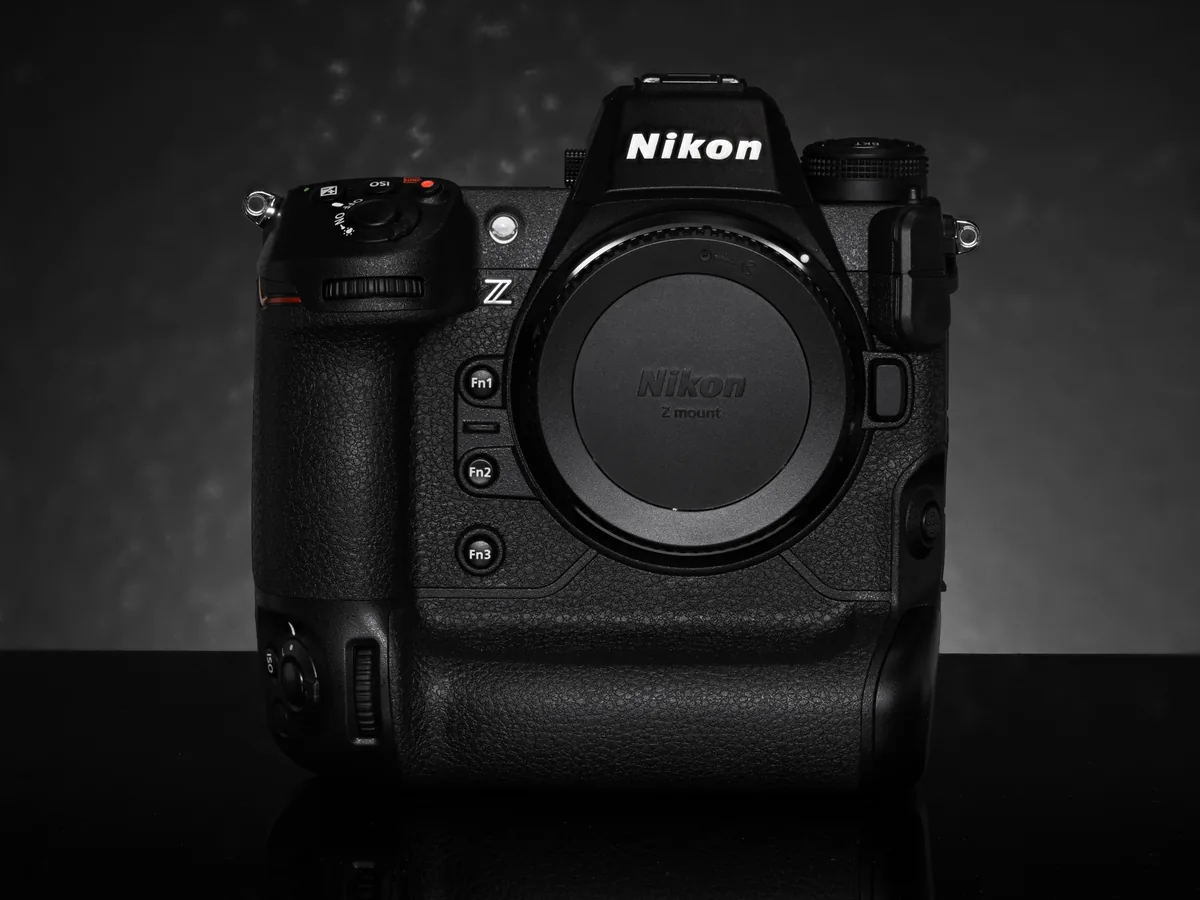
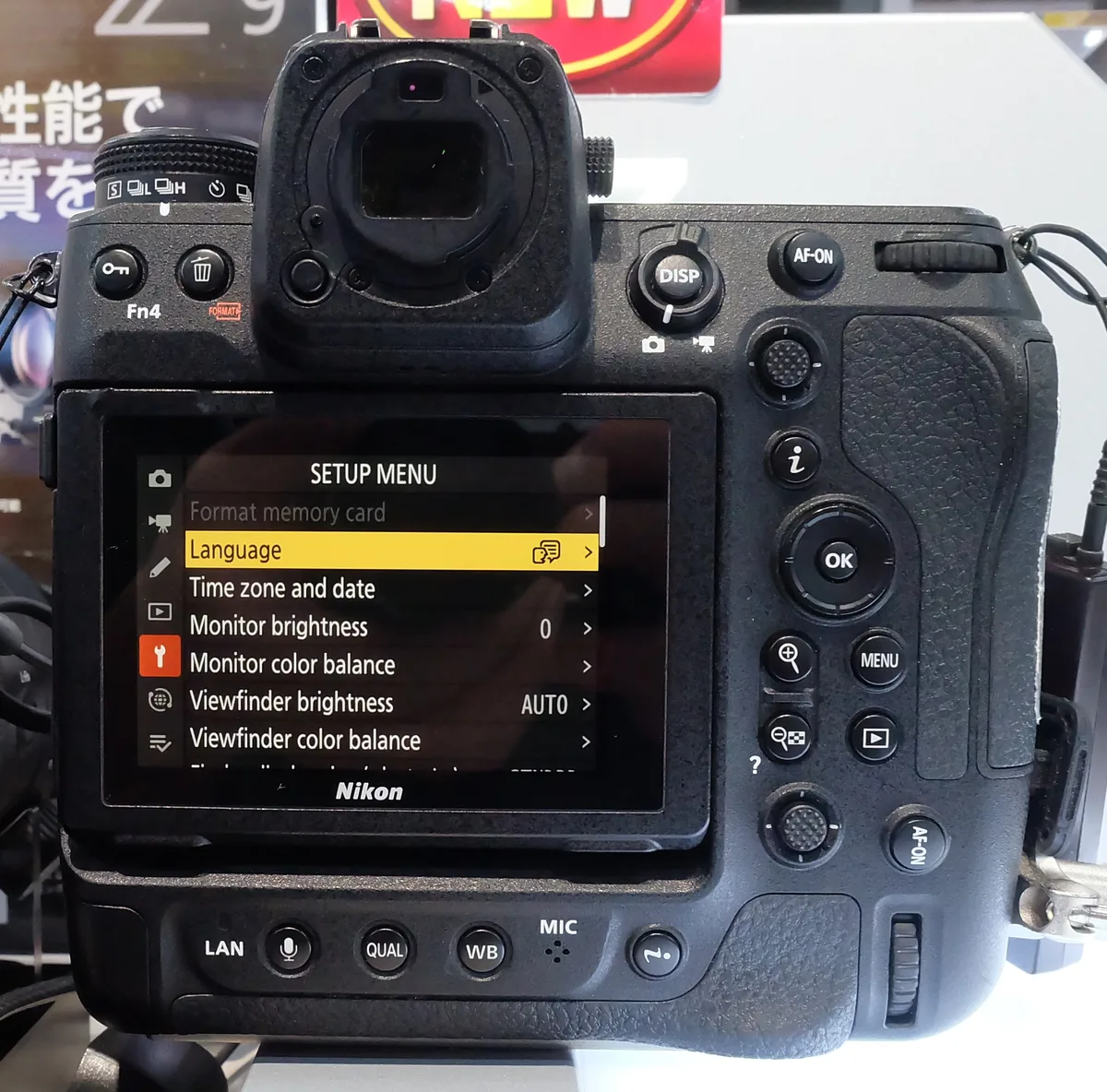
Nikon has announced US pricing and availability for the NIKKOR Z 120–300mm f/2.8 TC VR S: $13,999.95 suggested retail, with availability planned for mid-November 2026. The October 29 release gives photographers a concrete budget and delivery window beyond the earlier development news. Dealer pricing and individual order fulfillment can differ. This is a launch report with practical planning advice, not a hands-on review. Our photographs show Nikon Z9 bodies as clearly labeled system context; they do not show the new lens or demonstrate its image quality.
Two useful ranges, with an exposure trade-off
The native range is 120–300mm at a constant maximum aperture of f/2.8. Engaging the built-in 1.4× converter changes that to 168–420mm at f/4. The extra reach therefore costs one stop of maximum aperture. As a practical example, maintaining the same shutter speed in unchanged light would require roughly twice the ISO when moving from f/2.8 to f/4. That calculation is not a noise test. Before relying on the switch during indoor sport, decide whether the tighter framing is worth the exposure change for the intended output.
Start with the position you are allowed to occupy
A powerful zoom cannot compensate for an unsuitable shooting position. Look at previous assignments and identify where the action becomes too close or too distant for your existing lens. Note the focal lengths you actually used, rather than only the longest specification on the barrel. If 120mm is already too tight beside the near sideline, plan a second view or another position. If the subject frequently moves between medium and long distances, a zoom can reduce the need to swap lenses, but the value depends on that pattern of work.
Read the stabilization claim with its conditions
Nikon rates Synchro VR at 6.5 stops under CIPA 2024 conditions using a compatible camera; its stated test used a Z6III at the telephoto end without the converter. This measures compensation for camera movement, not the ability to freeze an athlete. Select a shutter speed for the subject first, then assess support and stabilization separately. Treat advertised autofocus and optical performance as manufacturer claims until representative testing is available. A clean frame of a stationary target cannot establish tracking accuracy through an entire play or resistance to difficult stadium lighting.
Check the support before the first assignment
Nikon specifically permits Arca-Swiss screw-type clamps for the lens foot and cautions against lever-type clamps. Verify your actual support rather than assuming that an Arca-style label establishes secure fit. Assemble the planned camera, lens and support according to their manuals, checking balance and clearance before working near other people. A rental trial can also reveal whether the carrying arrangement works across a full day. Do not make the first assembly attempt at the start of an event where there is little room to diagnose a loose or obstructed connection.
Separate the lens budget from the assignment budget
At this price, a useful comparison includes how often the lens would be used, confirmed rental availability, insurance arrangements and the equipment it would replace. Avoid treating a theoretical increase in keeper rate as guaranteed income. For occasional assignments, a rental may answer the handling question before a purchase, but it too needs a confirmed delivery and a contingency. Keep your existing working kit available until the new arrangement has been checked. A mid-November release window does not by itself promise arrival before a particular match or travel departure.
What to verify when a sample becomes available
Use a repeatable sequence at native reach and with the converter engaged. Keep track of shutter speed, aperture, ISO and the camera’s focus configuration so that a change in exposure is not mistaken for a lens defect. Review complete bursts, including missed frames, and inspect the result at the size clients receive. Check the transition between nearby and distant subjects and the ease of operating the converter from your usual stance. These are proposed acceptance checks; The Camera Post has not performed them on this lens. The official pages below carry the product photographs and current specifications.