Give one action two useful views
A match-on-action cut carries a movement from one shot into another so the viewer can follow a single event. For a small practice exercise, film someone lifting a jug, pouring into a cup and placing the jug down. Use cool water for the rehearsal. The wide view should establish the person, jug and cup. The closer view should reveal the stream and the hand controlling it. The second shot earns its place by showing a detail that the first makes harder to see.
Record the whole movement twice
With one camera, record a complete wide take, then move closer and record the complete action again. Start recording before the hand reaches for the jug and continue after it rests on the table. Ask the performer to repeat a comfortable pace rather than trying to reproduce a stopwatch count. Keep the camera on the same side of the action for this first exercise so the jug travels in a consistent screen direction. Leave experiments with reversed direction until you have a clean baseline cut.
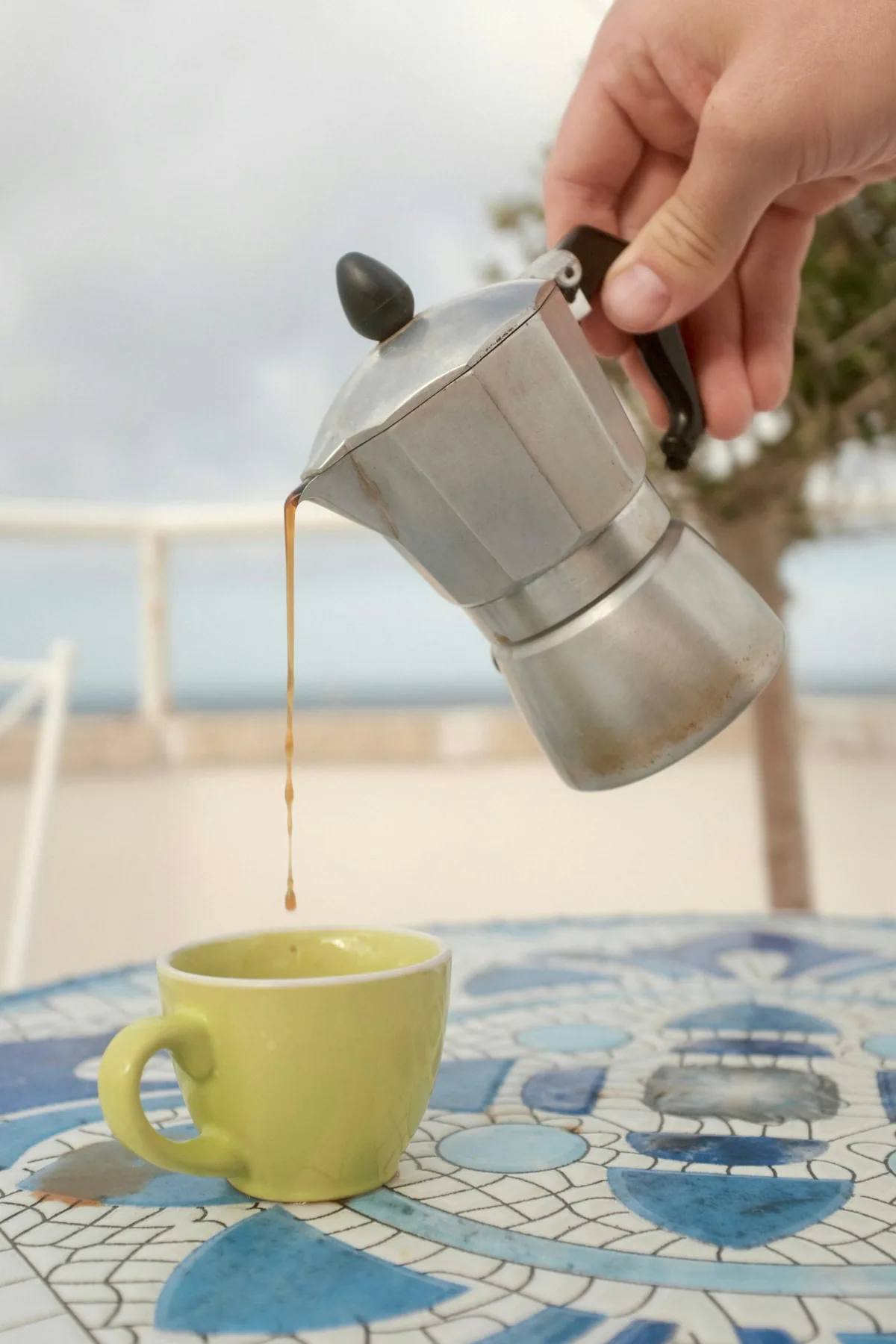
Reset what the audience can measure
Mark the cup and jug positions discreetly outside the frame or use a reference photograph. Return the liquid to the same starting levels between takes. Check which hand holds the handle, how the fingers wrap around it and whether the cup handle faces the same way. A tight view may expose a mismatch that was barely visible in the wide. A cup that is almost full immediately after a shot showing its first drops can make the event feel shortened even if the hand movement matches.
Find the shared stage of the movement
Place the wide take before the close take in your editor. Try cutting as the jug begins to tilt, then find the corresponding point in the close view. Watch the join at normal speed. If the jug seems to tip twice, remove some repeated movement from the incoming shot. If it suddenly jumps from upright to a long established stream, try an earlier incoming frame. Make small changes and replay with a few seconds on either side. A still-frame comparison helps locate a mismatch, but the moving result decides whether the join works.
Listen, then test another cut point
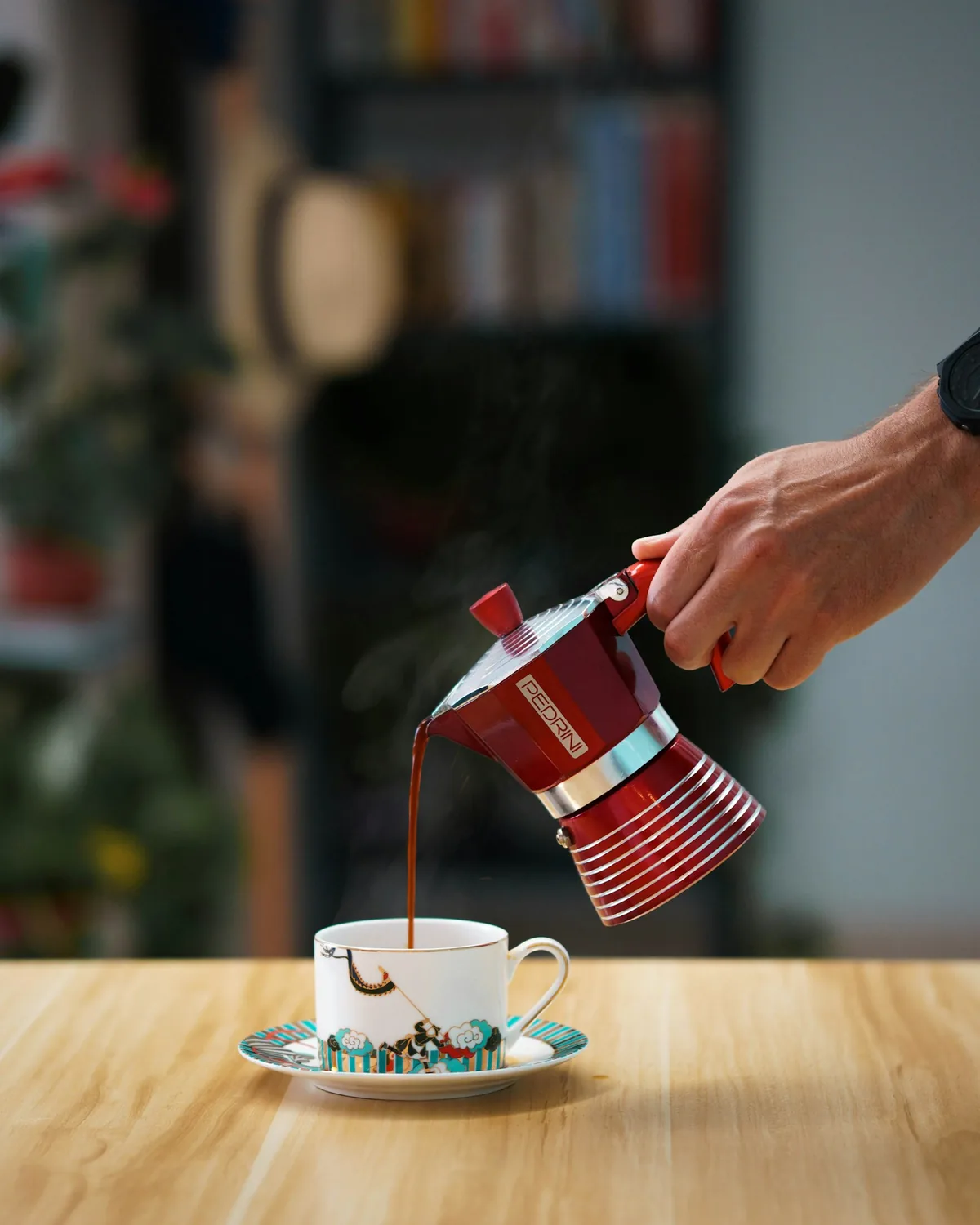
Once the visual join feels continuous, listen for a sudden change in the pouring sound or room ambience. Use the sound captured for this exercise to build a continuous bed where appropriate, keeping any audible impact aligned with the visible contact. Then duplicate the edit and try a cut during the stream instead of during the lift. Show both versions to someone without explaining the intended join and ask whether the action appears continuous. The coffee photographs illustrate details to watch in a pour; they show separate scenes and are not frames from one matching sequence.