Begin with the relationship in the room
A viewer should usually understand who is looking at whom before noticing the coverage. For a simple seated conversation, imagine a line connecting the two participants. Conventional 180-degree coverage keeps the camera positions on one side of that line, preserving their apparent left-right relationship across cuts. Columbia’s film glossary explains how crossing the axis can make positions seem reversed. This is a tool for spatial clarity, not a ban on expressive changes. Begin with a straightforward exercise so you can recognize when a later departure is deliberate and when it is an accidental mismatch.
Sketch three camera positions
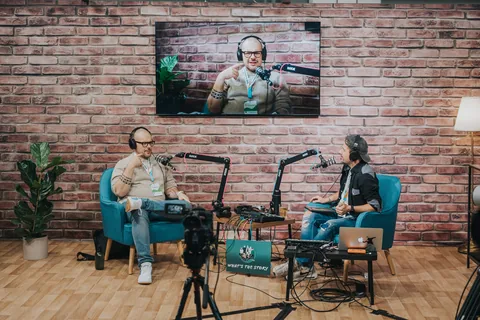
Mark a wide view that shows both people and two closer views, one for each participant, on the same side of the line. Label who appears on screen left and screen right in the wide frame. Draw each closer view’s intended look direction. A person facing toward screen right should generally continue to do so in their close view; their partner faces the complementary direction. Check the physical room as well as the sketch. Leave safe movement space and avoid placing a tripod or cable where someone needs to walk.
Keep the off-camera partner in a useful position
When recording one participant at a time, the other person’s position still affects the gaze. Ask the on-camera participant to look toward the actual partner, or an agreed reference if the partner cannot remain there, rather than vaguely toward the crew. Maintain that reference between takes. A look just beside the lens feels different from one far across the room. Review the frame before recording a long answer. Do not instruct someone to maintain an uncomfortable pose simply to force a diagram to work; adjust the setup together.
Check height as well as left and right
Two looks can point in opposite horizontal directions yet fail to connect because their vertical angles disagree. If one participant is standing and the other sitting, the exchange should reflect that height relationship. Learn About Film’s eyeline guidance makes this distinction explicit. Check camera height, partner position and framing as a group. Avoid changing all three between takes without reviewing the result. Leave appropriate looking space when it helps the composition, but do not treat a fixed amount of empty frame as a universal requirement. The intended relationship should drive the choice.
Record a short rehearsal and cut it
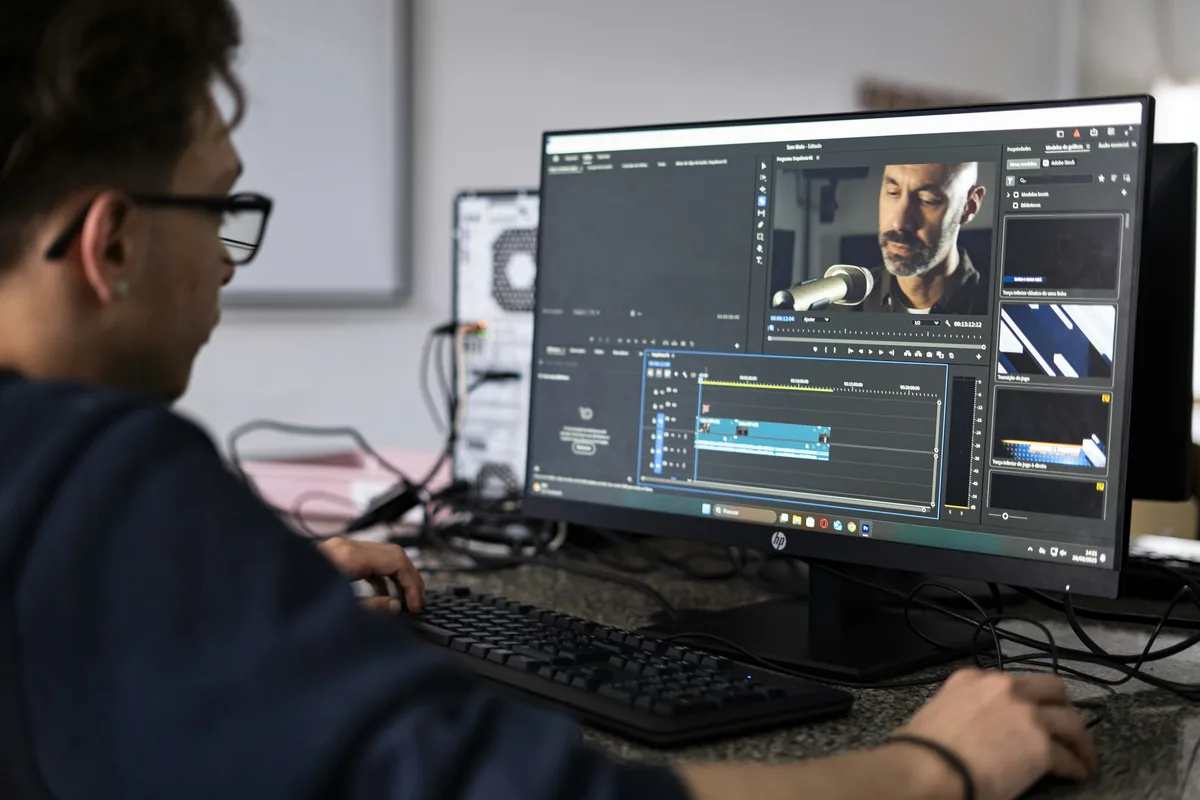
Capture a few lines in the wide view and each closer view, with enough time before and after the exchange to trim comfortably. Put the shots together in a simple sequence and watch without relying on your memory of the room. Ask whether the people appear to address each other and whether the cuts preserve their positions. If something feels wrong, compare the camera sketch with the actual frames. Fixing a misplaced reference before the full conversation is much easier than trying to disguise a whole session of inconsistent looks.
Re-establish the space when the action changes
A participant may stand, walk around a table or turn toward a third person. That changes the relationship you are covering. Consider a wider view or an observable camera move that lets the viewer understand the new arrangement before returning to close shots. Do not assume that inserting any unrelated cutaway repairs an unexplained reversal. For documentary conversations, preserve the real sequence and avoid pairing a reaction with words that did not prompt it. Continuity should help the viewer follow the event without inventing a different interaction.
Keep a useful record for pickups
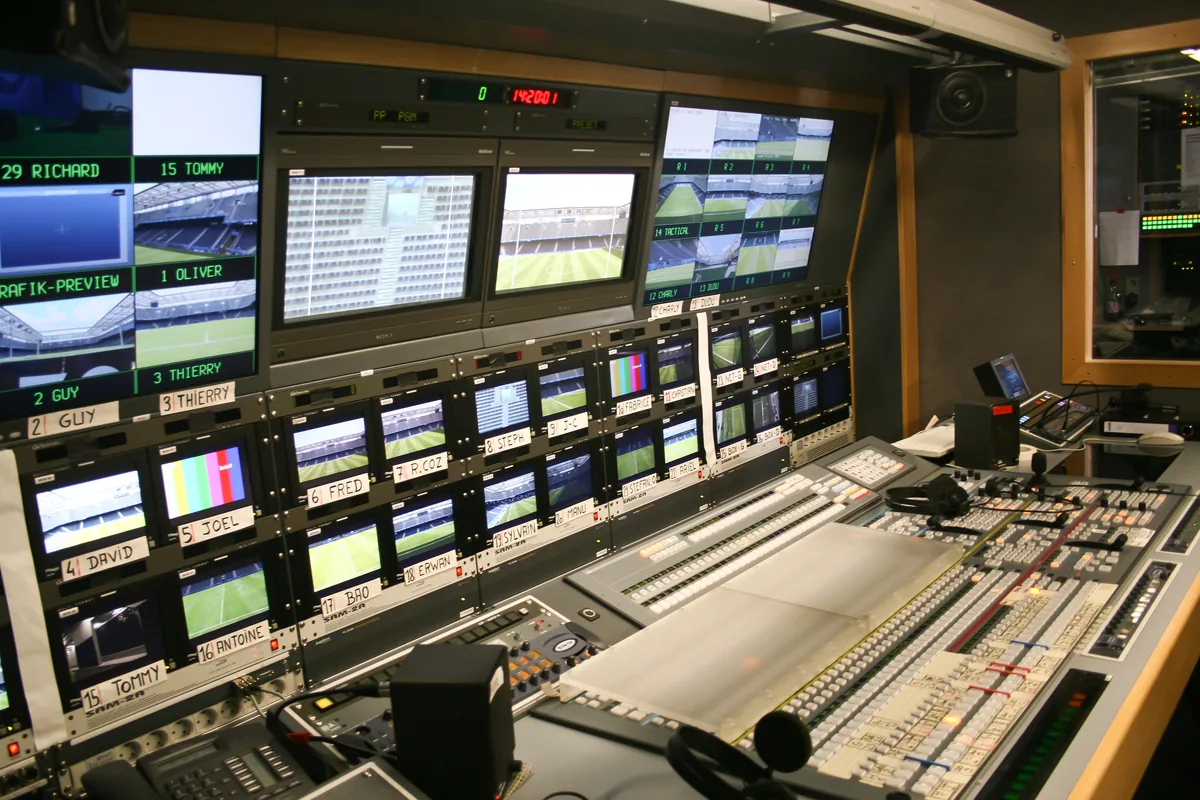
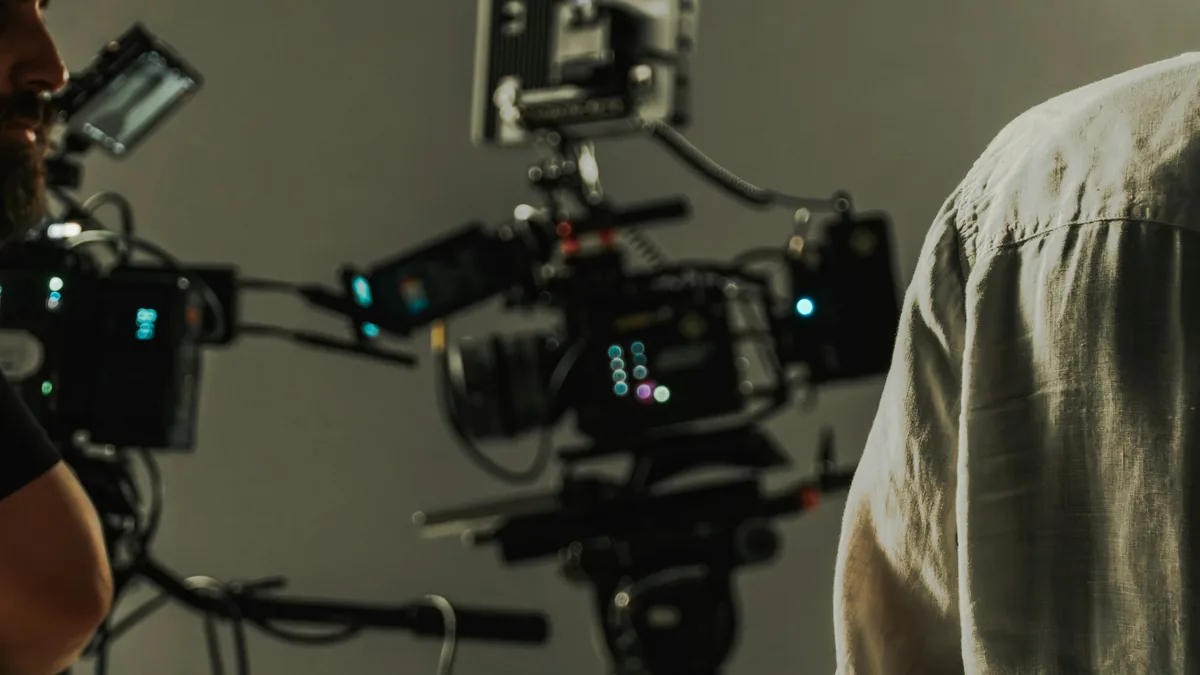
Photograph or sketch the agreed positions and note the camera height and the off-camera look reference, with the participants’ permission. For a later pickup, compare the new frame against the earlier shot instead of relying on a focal-length number alone. Review clothing, background and sound separately; correct eyelines cannot solve every continuity problem. The accompanying interview and studio photographs are licensed context, not a documented test of this exercise. Finish with a short exported review: if the spatial relationship reads clearly at normal playback, you have a practical foundation for more adventurous coverage.