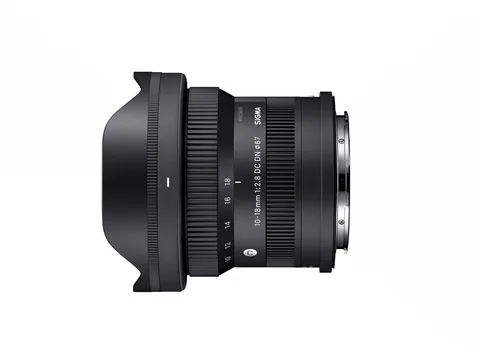
Start with the intended hood
A lens hood shades the front of the lens from light arriving outside the photographed scene. Sony’s lens guidance describes reduced flare and ghosting as its purpose and recommends the hood designed for that lens. A fitting that happens to turn onto a barrel does not prove the hood will stay outside the field of view. Check the lens model and its manual before borrowing a hood from a similar-looking lens. Some designs have a permanently attached hood.
Make the fit visible before making the photograph
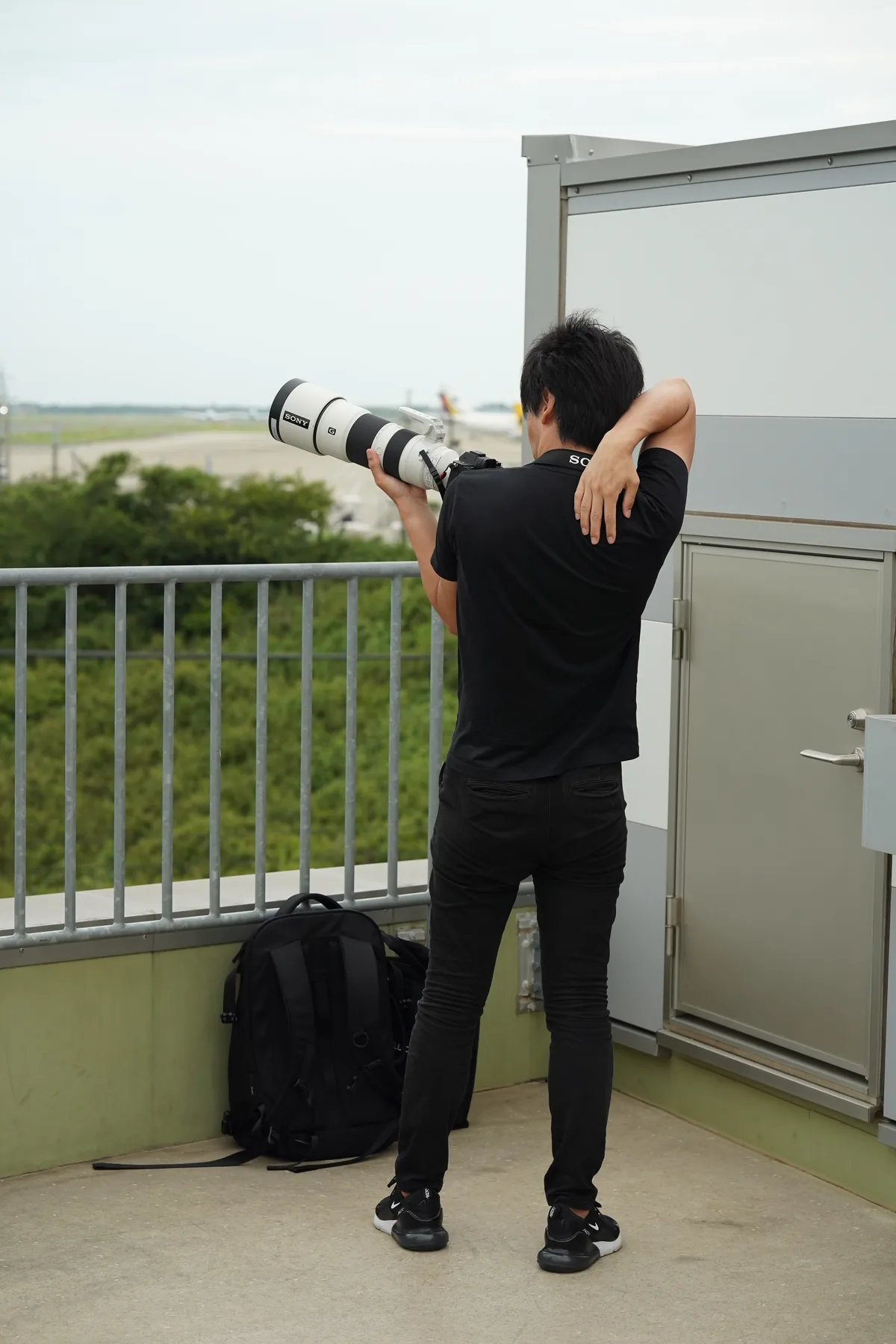
Attach the hood according to the lens instructions, checking its alignment marks and the final position. Sony notes that an incorrectly attached hood can become visible in a photograph. On a petal design, do not assume the petals are correctly oriented because the fitting feels tight. If something does not seat normally, stop and check the instructions instead of forcing it. The archive photographs here illustrate different lens and hood shapes; they do not establish that parts can be exchanged between those lenses.
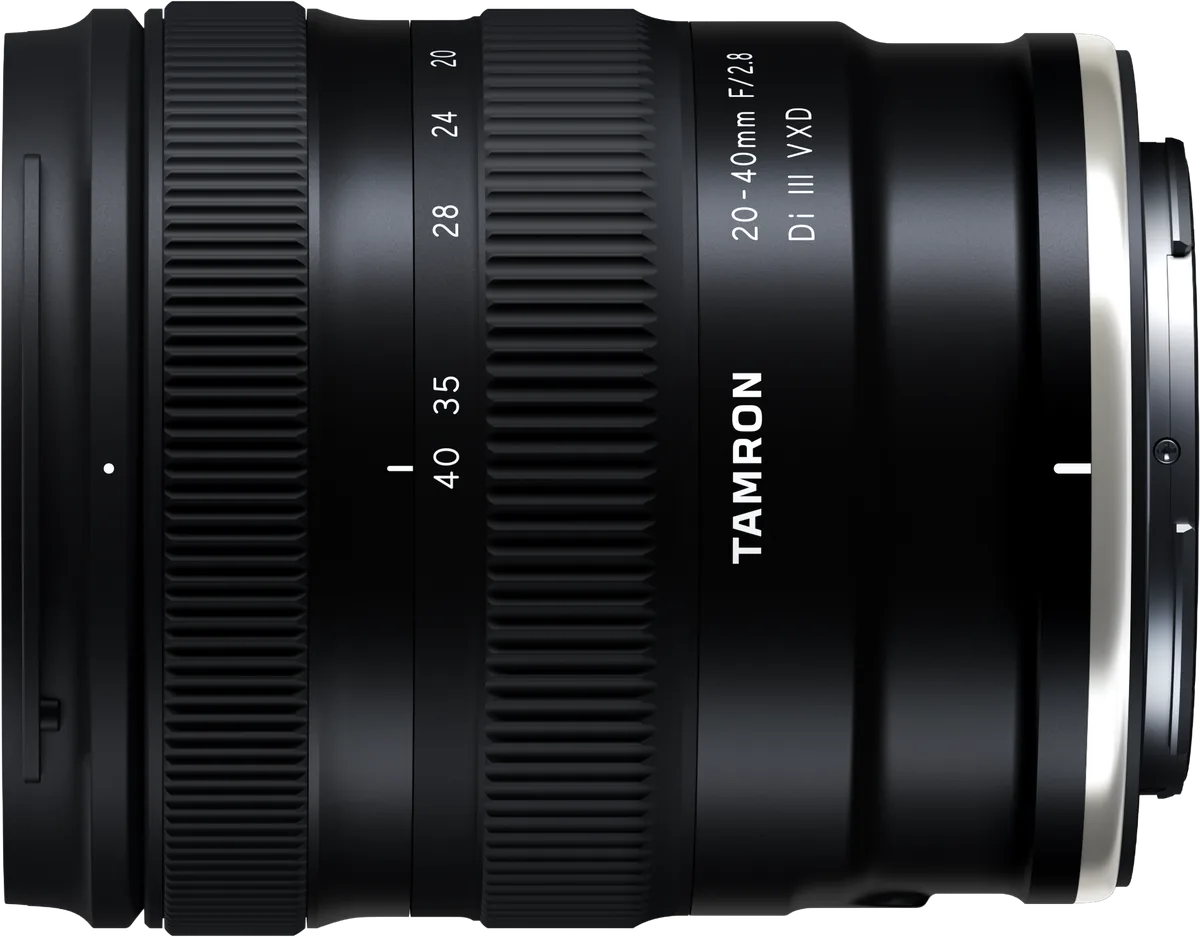
Use a plain scene to check the corners
Point at an ordinary evenly lit wall or open shaded area, safely away from the sun. On a zoom, make a frame at the widest focal length you plan to use and inspect all four corners in playback. Repeat after changing the framing or adding accessories that change the front assembly. This is a proposed fit check, not a measured comparison of the lenses shown. If a new hard-edged dark shape appears, compare a frame with the hood removed before attributing it to the lens itself.
Check the light that comes from the camera
A small on-camera flash introduces another possible obstruction. Sony advises removing lens hoods for flash photography because a hood may block the flash and cast a shadow. Make a test frame at the subject distance and framing you expect to use, then inspect the lower part of the picture as well as the corners. A flash shadow is a different problem from stray light lowering contrast. Changing exposure compensation will not move a physical obstruction out of the light path.
Keep a repeatable configuration
Once the intended hood and framing work, make the same check after packing, a lens change or an accessory change. A hood stored in its reversed transport position needs to be fitted for shooting before it can provide the intended shade. Keep a short note of any combination that restricts the widest framing. Choose the composition for the subject first, then ensure the front assembly supports it. A hood is useful when it stays outside the picture and does not interfere with the light you need.