Find the light that made the outline
A distinct shadow next to a cheek can look like an extra contour in a headshot. Put a stand-in on the subject mark and make a frame with only the main light active. Inspect the shape beside the jaw and shoulders at the intended crop. Bring other lights back one at a time. If a second outline appears only when the fill comes on, moving the key alone will leave you chasing the wrong shadow.
Use the space in front of the paper
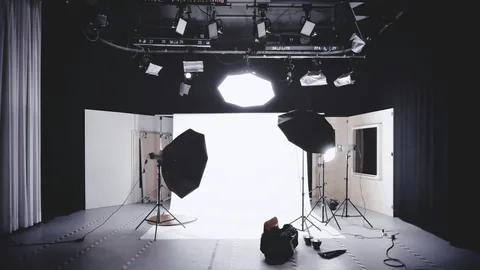
Mark the positions of camera, stool and key. Move those three forward together if the room allows. Keeping their spacing similar preserves the face size and the lighting angle while increasing the gap behind the sitter. Take a second frame at the original exposure. A shadow made by a broad light generally becomes softer as it travels farther behind the subject. The paper can also become darker because less light reaches it. Judge the face and background separately.
Steer the shadow when the room is shallow
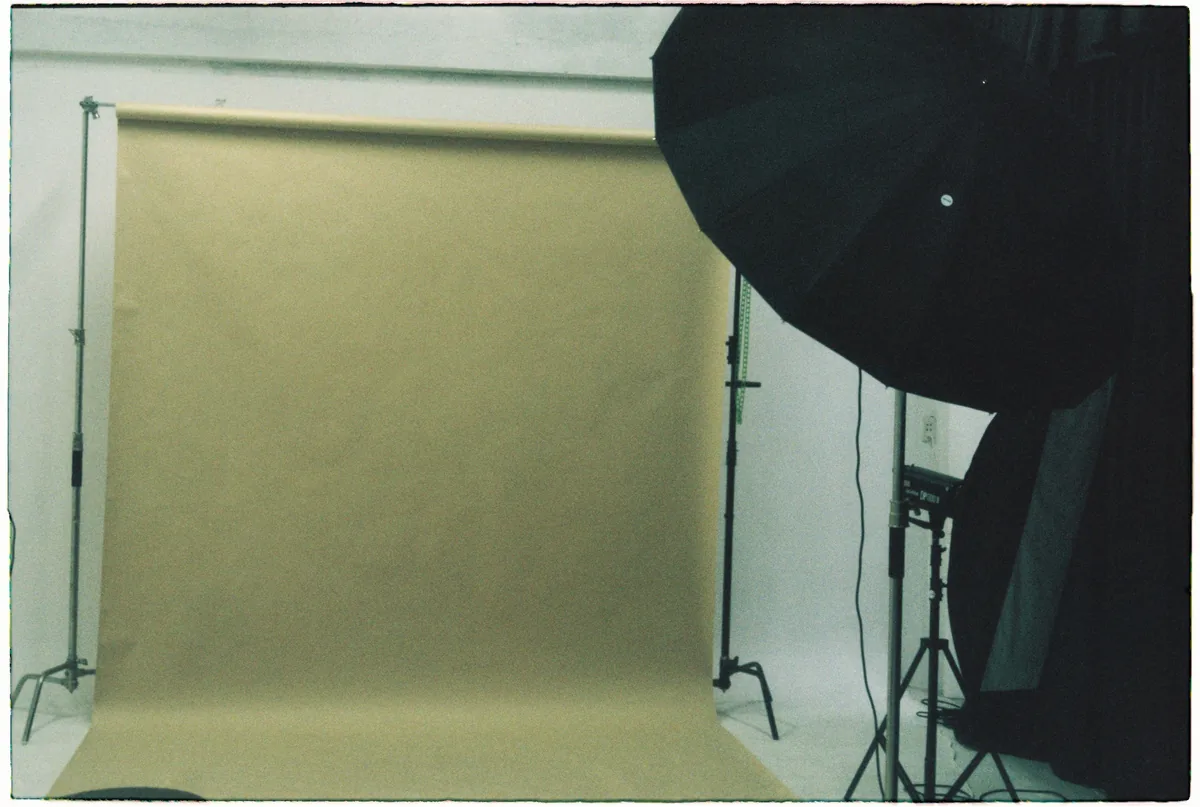
In a small room, examine where the outline travels when the light moves. Raising the key a little tends to send the shadow lower. Moving it toward the camera axis can place more of the shadow behind the sitter. Each adjustment changes the light on the face too. Check the eyes and nose after every move. If the preferred face lighting creates a beautiful side shadow, give it deliberate space in the crop instead of cutting the outline in half.
Save a repeatable position
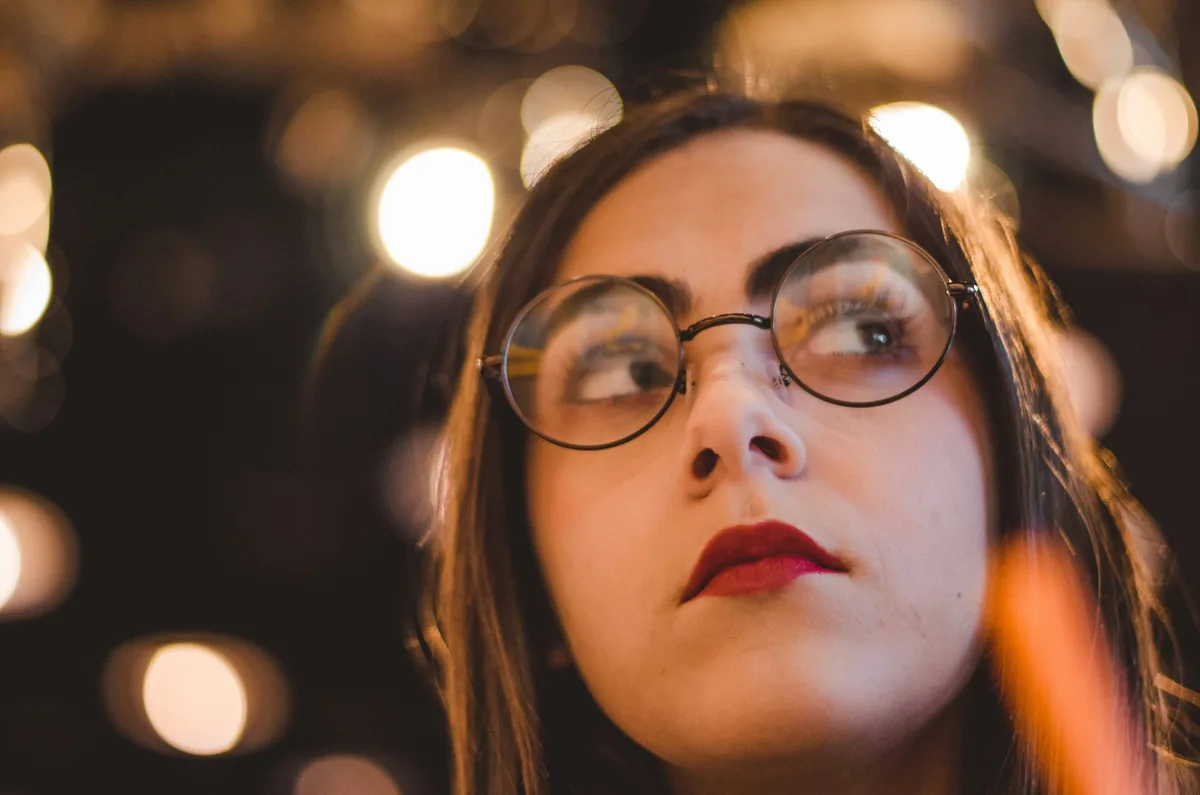
Compare the two frames at delivery size. Check around dark hair, glasses and the far shoulder, where the outline may merge with a feature. If the backdrop needs to stay bright, light it separately and watch for spill returning to the face. Mark the final positions and make a reference frame before the next sitter arrives. A mark for the stool alone will not help if the key has moved between portraits.