From development preview to a priced system
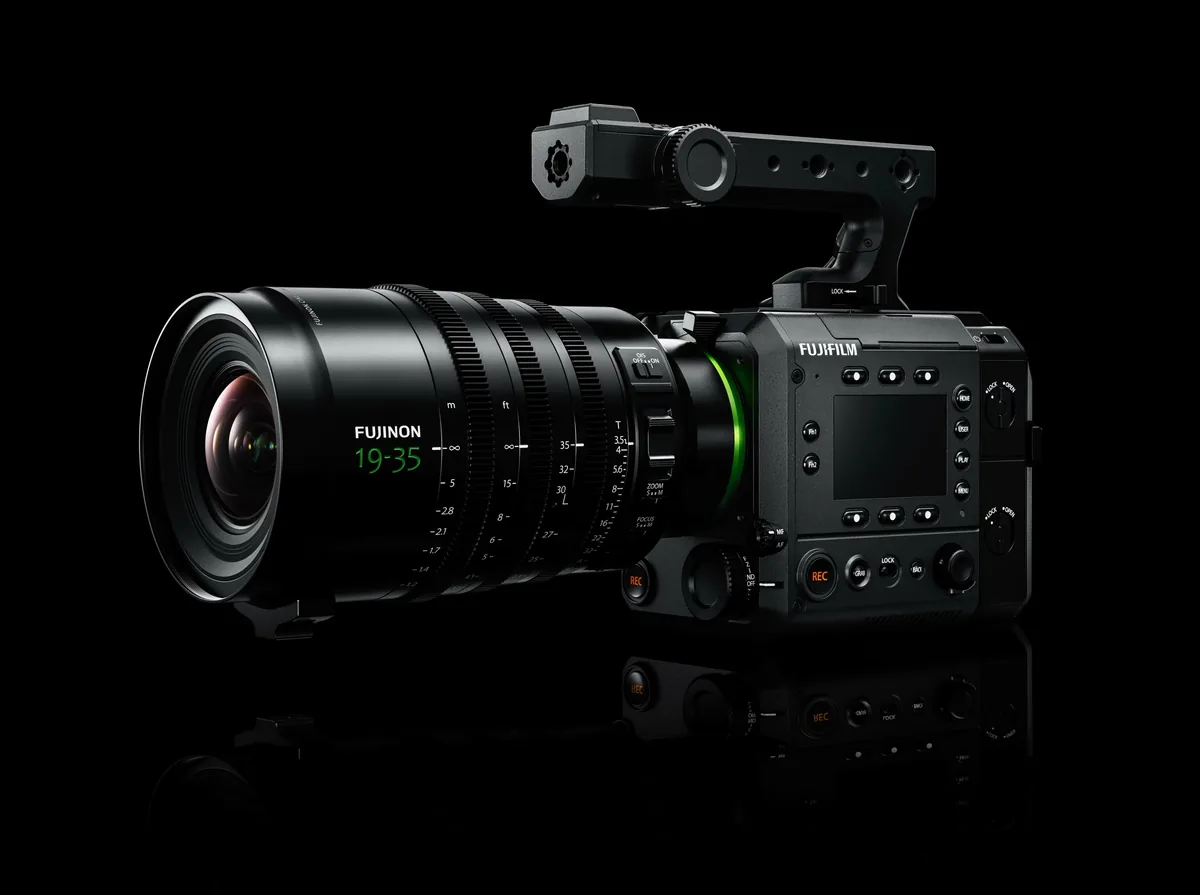
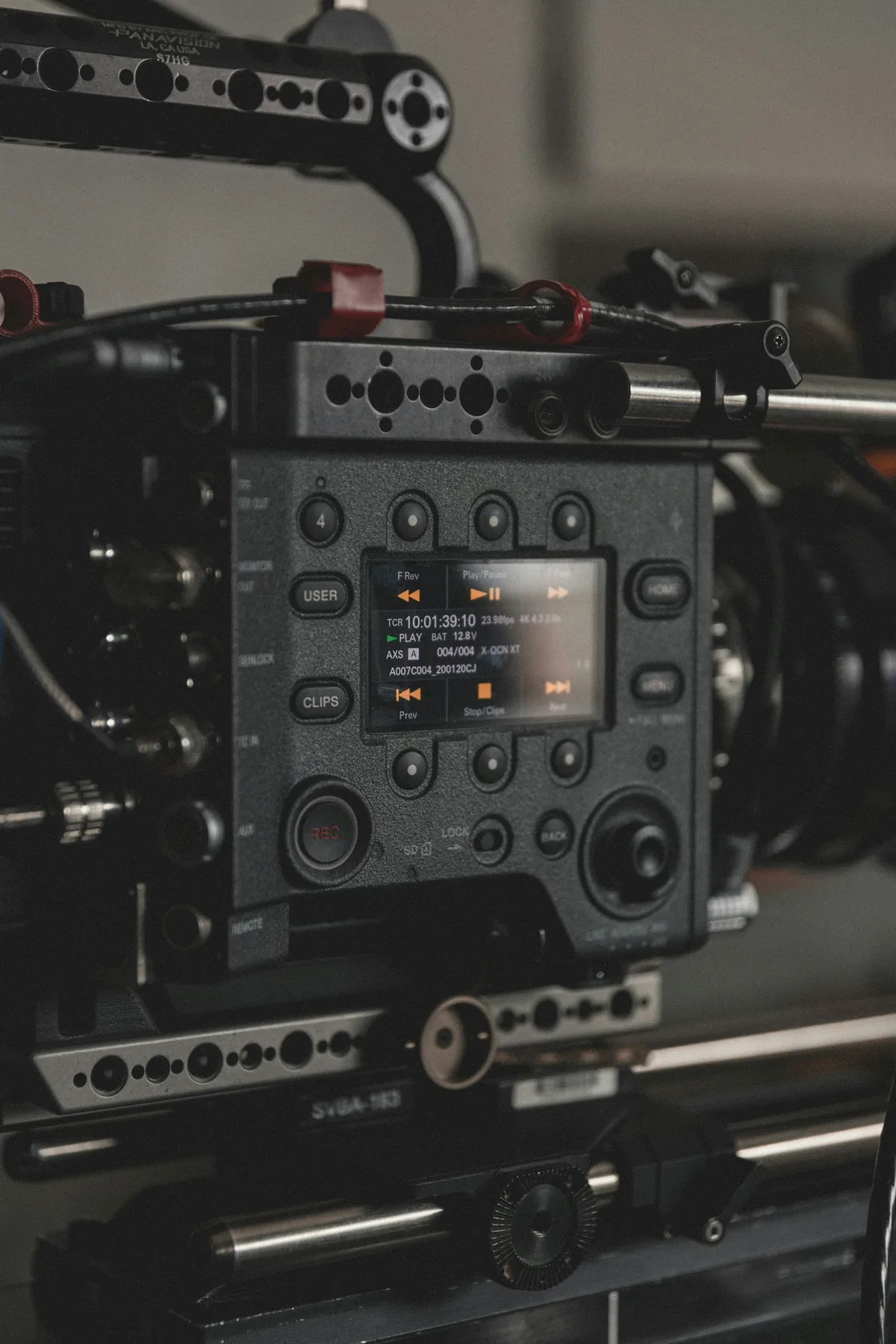
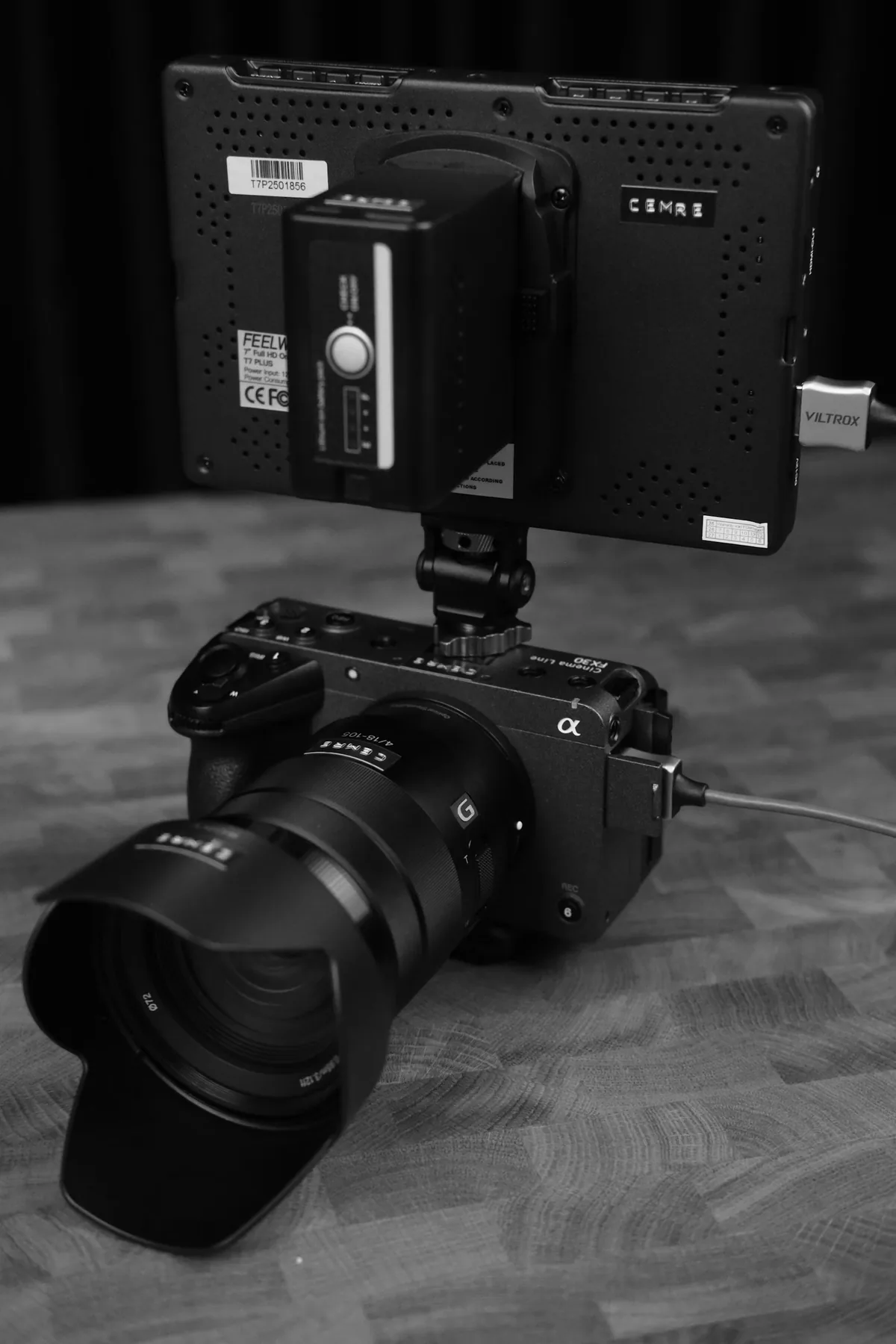
Sony has announced the RIALTO 65 Camera Extension System for VENICE 2 at a US MSRP of $80,000, with availability tentatively scheduled for the first half of 2027. The October 29 announcement follows the June development preview and gives production companies a concrete starting figure for planning. It does not establish an exact shipping day or guarantee a rental booking. The model is CBK-6510XS; buyers still need the VENICE 2 body and a suitable lens arrangement. This is reporting on Sony’s announcement, not a hands-on review. The photographs here show older Sony equipment as labeled context, not the new extension.
What the larger sensor changes
Sony specifies a 53.75 × 35.83mm imaging area and 9.6K 1.5:1 Open Gate readout. The 65mm designation describes the cinema-format class, rather than a sensor measuring 65mm across. A 2.20:1 readout uses a smaller diagonal and can accommodate a different selection of lenses. The practical implication is that the chosen capture mode belongs in the lens discussion from the start. Do not approve a lens package simply because a mount adapter physically fits: ask the supplier to demonstrate coverage at the intended focus distances, apertures and framing.
The camera body remains part of the package
The head can operate separately from the body in Extension Mode or attach directly in Studio Mode. Sony lists an included 4.5m cable and an optional 12m cable. Sony’s US release requires dedicated VENICE 2 firmware version 6.00 or later. Recording remains in the VENICE 2 workflow, including 16-bit X-OCN and AXS media. A small head can make placement easier, but the body, cable route and support still occupy space. For a confined set, sketch the complete arrangement: where the recorder sits, how the operator reaches controls, where cable slack is secured and how the team can safely remove the rig between takes.
Budget for the working configuration
The headline price should be treated as the extension-system line item, not a ready-to-shoot quote. Request an itemized proposal covering the compatible body configuration, mounting adapter, lenses, media, support, monitoring, power and any required setup work. Sony says the head does not include a lens mount and accepts third-party adapters; obtain explicit compatibility confirmation for the actual adapter and lens combination. If renting, ask which parts are supplied together and which need separate reservations. A lower quote is not comparable if it omits equipment that the shot requires.
Plan a lens and focus rehearsal
Before committing a shot to the wider capture area, test both the intended composition and the delivery crop. Check corners, illumination and focus behavior through the distances the performer will cross. Place marks for the movement, repeat it at working pace and review the recorded take rather than relying only on a small monitor. A lens that covers one static setup may still produce an unwanted result elsewhere in the planned move. Keep the camera position and intended framing written down so the crew can distinguish a change in perspective from a change in lens or crop.
Separate specifications from measured performance
Sony lists base ISO settings of 2500 and 10000 and claims more than 15 stops of latitude at the lower base setting. These are manufacturer specifications, not measurements by The Camera Post. A production acceptance test should include the highlight sources, skin tones, dark fabrics and practical lights that matter to the actual scene. Agree on the monitoring transform and review path before judging exposure. Otherwise, a display or processing difference can be mistaken for a sensor characteristic. Record the settings used for each comparison and retain the original files.
Prove the post-production route before the shoot
Ask for representative files in the intended recording mode, then run them through ingest, backup, editing, grading and final export. Measure storage and transfer requirements from those files instead of extrapolating solely from the 9.6K label. If the edit uses proxies, verify a relink to originals and inspect the export for framing and timing. Decide who records the camera configuration and communicates any changes to post. A familiar codec family can reduce learning time, but it does not by itself prove that every workstation and delivery step is ready for a new mode.
What remains to confirm
The launch window is still provisional, and Sony says announced specifications may differ from the final product. Before assigning the system to a dated production, confirm delivery, the supported VENICE 2 configuration, available capture modes and the exact lens-adapter package with the supplier. Keep a workable alternative for the same shot if the new equipment is unavailable. The official US announcement below provides the price, while Sony’s product page carries the current technical information and product imagery. Our practical checks are planning recommendations; they are not claims that this system has passed an independent test.