A significant announcement for photographers who walk
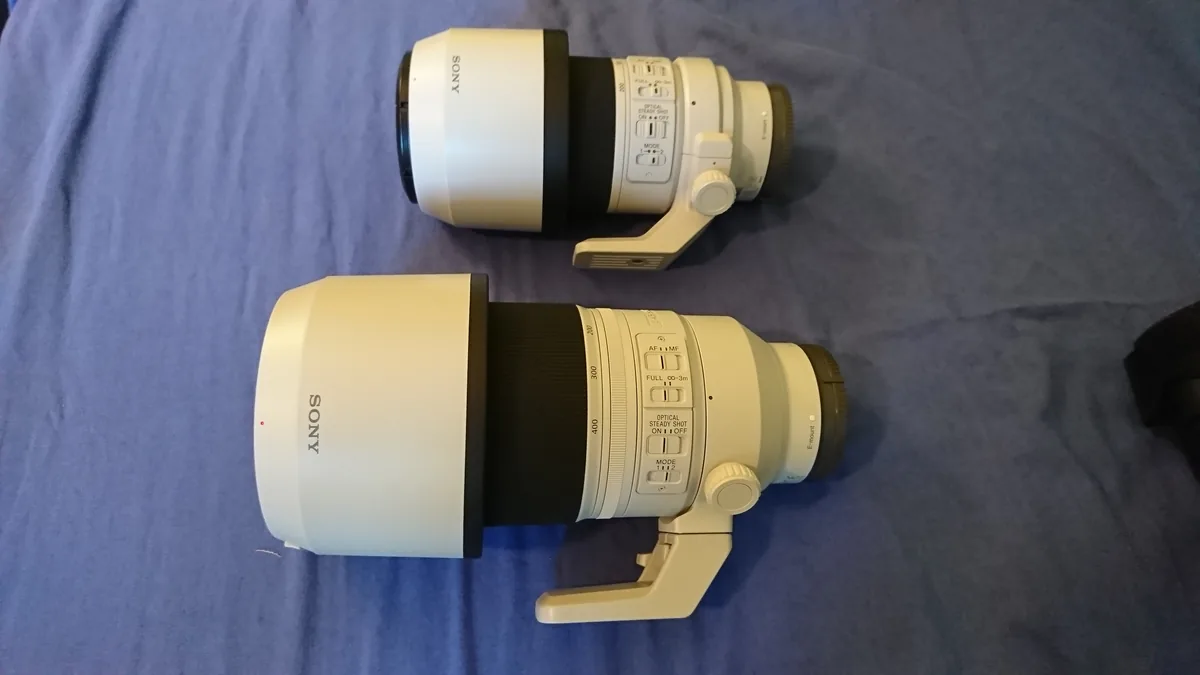
Sony announced the FE 400mm F4.5 GM OSS and FE 600mm F6.3 GM OSS on September 15. The story is their portability: Sony lists weights of 994g and 995g respectively, excluding the tripod mounts. Its claim that they are the lightest in their classes comes from its own September 2026 survey, with separate focal-length and aperture definitions—not an independent comparison by The Camera Post. For a photographer carrying a long lens between locations, the attraction is straightforward. A lighter setup may be easier to keep ready instead of packed away. That does not establish how either lens will perform on a real assignment, and we have not tested them.
Price, release date and what US readers should know
Sony Europe lists the 400mm at approximately €2,800 or £2,400 and the 600mm at approximately €3,900 or £3,300, with both expected at the end of September 2026. These are regional announcement prices, not confirmed US offers. We could not verify an official US dollar price or US shipping date at publication. Converting a European price would not establish either: local taxes, distribution and pricing decisions differ. Check the official product links below for your market before placing an order. An announcement window is also different from a retailer promising that a particular order is in stock and ready to dispatch.
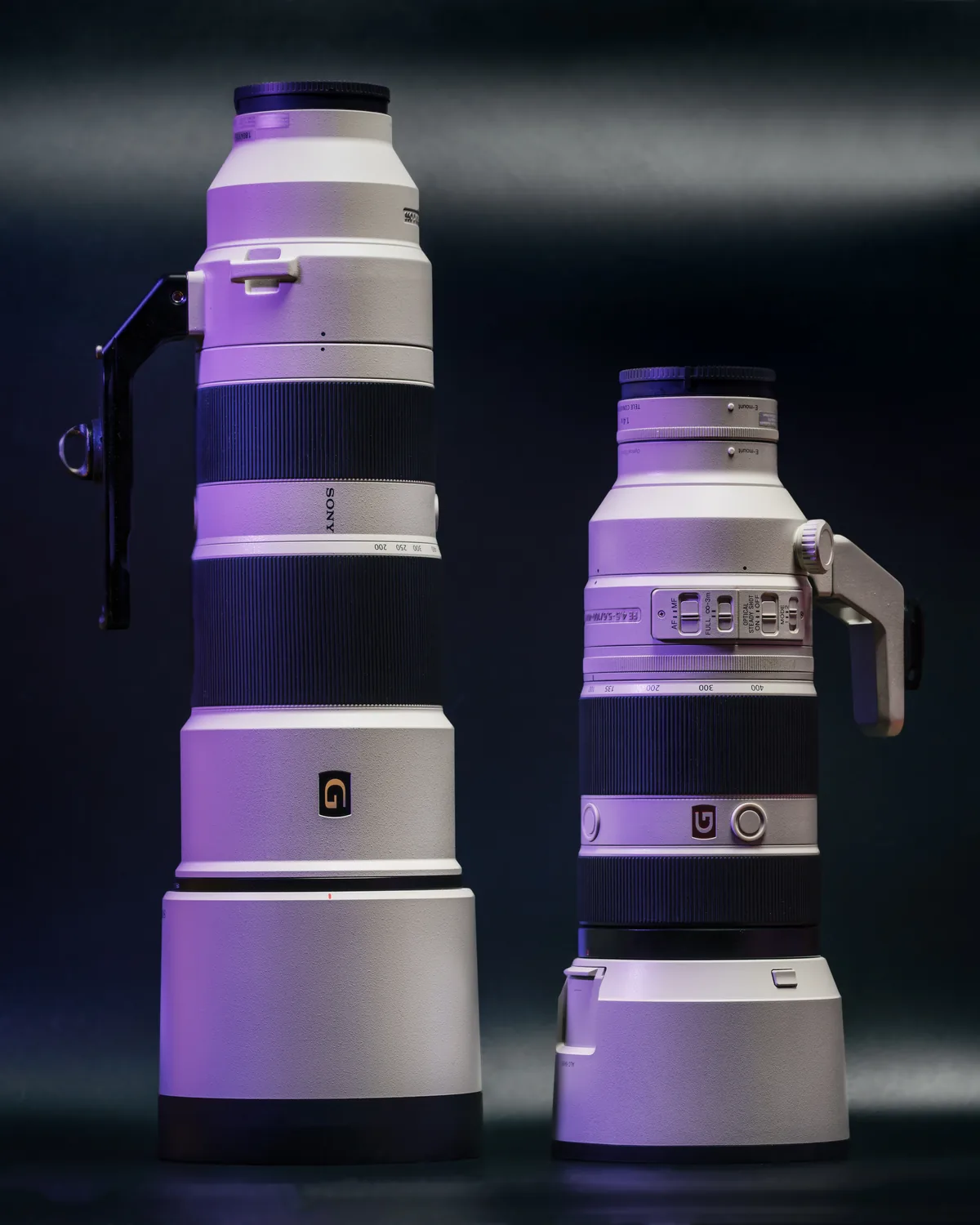
400mm: a wider view and a brighter maximum aperture
The 400mm’s F4.5 maximum aperture is roughly a stop brighter than F6.3. That gives it a useful exposure distinction from the 600mm, but the choice begins with framing rather than a contest between specifications. At the same shooting position, the shorter lens leaves more room around a bird, athlete or environmental detail. That room can help when movement is difficult to predict or when the setting matters to the picture. Sony specifies a 242mm length, 2.5m minimum focus distance and 0.18x maximum magnification. This is not a macro lens, and its fixed focal length means you cannot turn a zoom ring when a subject suddenly approaches. Plan where you can safely move before deciding that the lighter kit is the right one.
600mm: reach without the same framing flexibility
Sony specifies a 263mm length for the 600mm and the same 2.5m minimum focus distance, with a higher 0.25x maximum magnification. Its longer focal length makes a distant subject larger in the frame from the same camera position. That can be useful when approaching wildlife would disturb it or when access at an event is restricted. The narrower field of view also makes finding a moving subject more demanding. Practice locating a subject before committing to a tight composition, and leave space in its direction of travel. Distance is not always solved by adding focal length: heat shimmer, haze and an obstructed sightline can still limit the resulting photograph. Moving to a clearer viewpoint, when permitted, may matter more than filling every pixel with the subject.
Autofocus and stabilization are not a shutter-speed guarantee
Both product pages describe dual XD linear motors, optical stabilization and support for the Alpha 9 III’s high-speed bursts under Sony’s stated conditions. Those claims do not tell us the keeper rate for every body, subject or lighting situation. A useful first check is whether the combination acquires the intended subject consistently, then whether it stays there as the background changes. Stabilization can help with camera movement; it cannot freeze a running player or a bird’s wings. Choose shutter speed for subject movement, watch the resulting ISO and inspect actual files. A sharp background behind a blurred subject points to a different problem from motion affecting the entire frame. Diagnose that difference before treating stabilization as the missing solution.
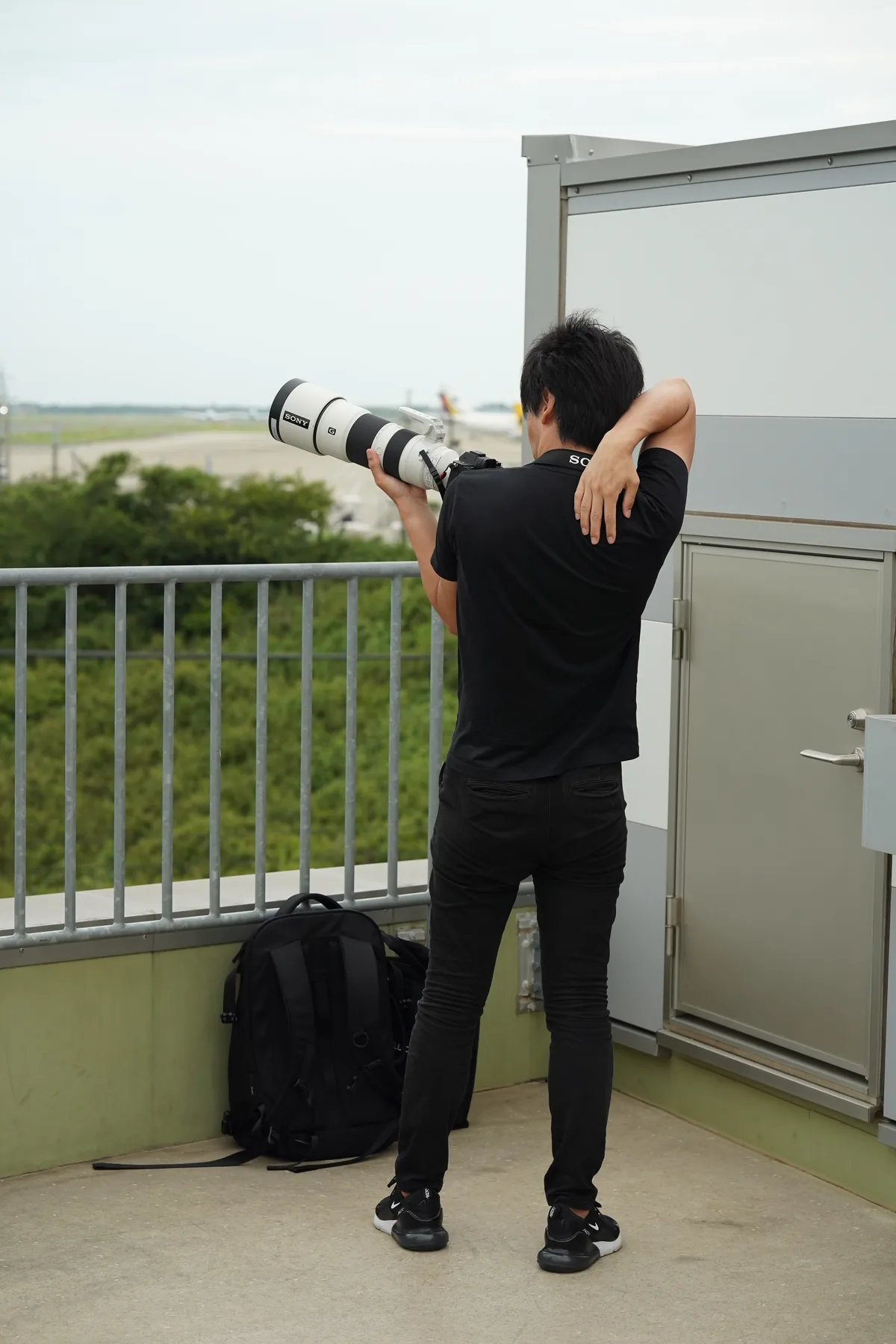
Teleconverters extend reach, with a light penalty
Sony lists compatibility with its optional 1.4x and 2x teleconverters. With a 2x converter, the 400mm reaches 800mm and the 600mm reaches 1200mm. The exposure trade-off is important: a 2x converter costs two stops, giving approximately F9 and F13 respectively at maximum aperture. These values follow from the focal-length and aperture relationship; they are not new independent performance measurements. A converter also tightens the view, so finding and following a subject becomes harder. Test the exact combination in the light you expect to encounter. Do not assume that a larger subject in the frame automatically means a more detailed final image if the setup forces a compromised shutter speed, unstable technique or unsuitable shooting distance.
For video, check the entire camera-and-lens combination
Sony’s product pages describe reduced focus breathing and Linear Response MF. Its announcement also identifies breathing compensation on compatible bodies, with limitations. Those are distinct features: optical behavior and electronic correction should not be treated as interchangeable guarantees. For a wildlife sequence, rehearse a focus transition between the actual near and far positions you intend to film. Check framing, stabilization behavior and the sound recorded by your own microphone placement. A static product photograph cannot demonstrate any of those results. Our focus-breathing guide, linked below, explains a repeatable comparison. Keep a wider establishing shot available as well; a series of very tight long-lens clips can leave viewers unsure where the action is happening.
What to check before buying or renting
Start with the picture you keep missing: a distant bird, a player crossing a fixed area or an animal you cannot approach. Then check whether your present limitation is reach, available light, carrying weight or technique. They are different problems. Try the proposed lens with your own body, strap and support if a demonstration or rental is available. Assess balance while waiting as well as while shooting, access to controls and how quickly you can lower the camera safely. These lenses are an important new option for mobile super-telephoto work, not a reason to replace a functioning kit automatically. Independent field tests and confirmed local pricing are still worth waiting for when the purchase is not urgent.