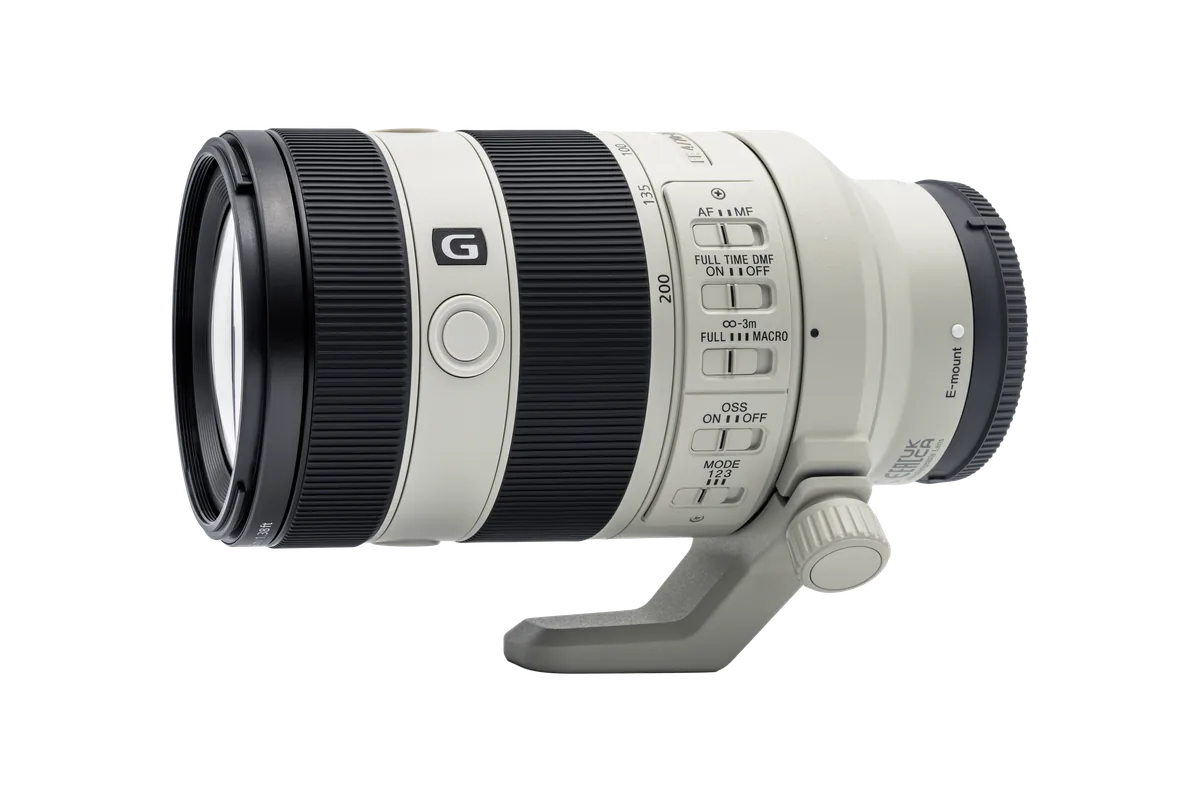
A telephoto built around the smaller kit
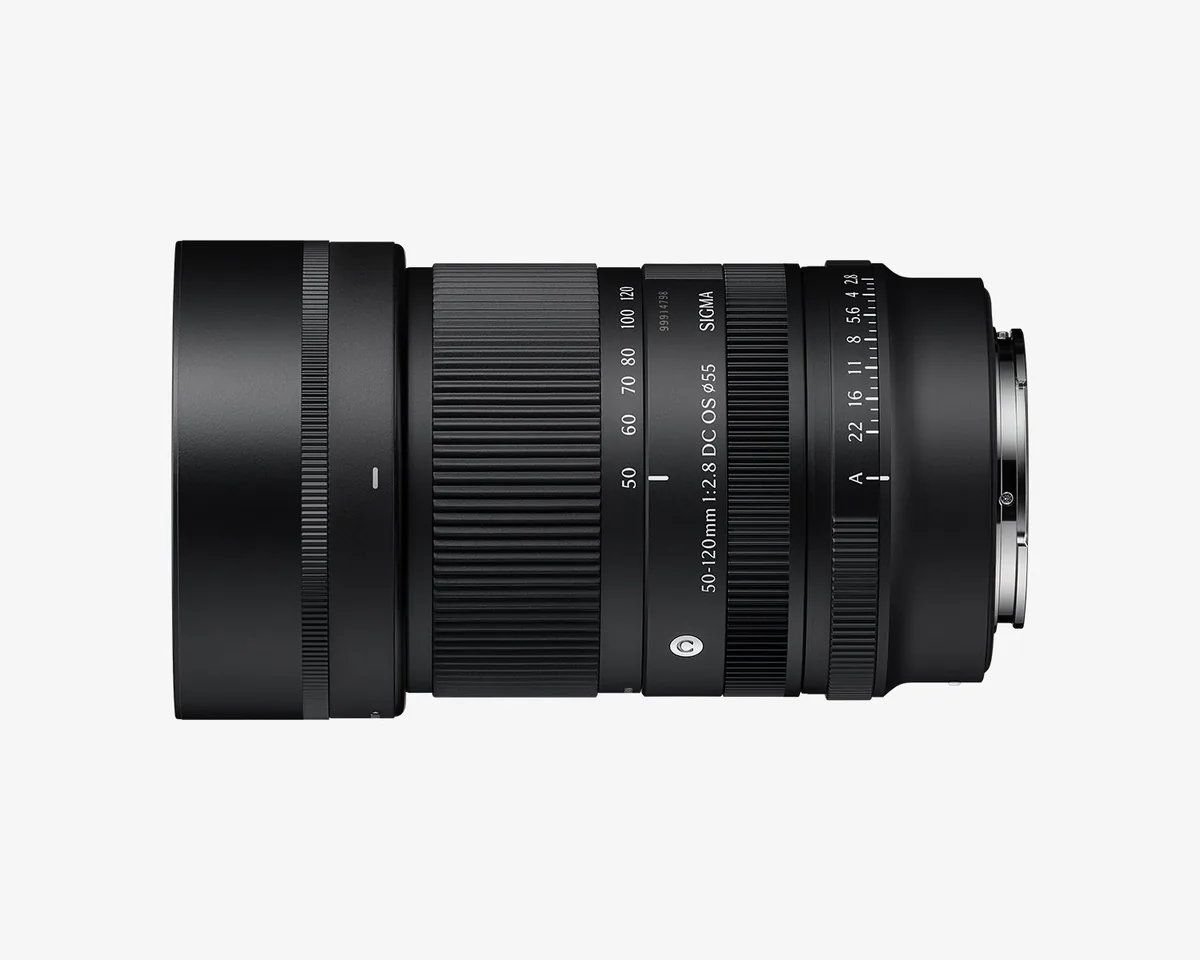
Sigma has announced the 50–120mm F2.8 DC OS | Contemporary, an APS-C telephoto zoom priced at $799 in the United States. The company says authorized dealers will begin selling it on October 22, 2026, in Sony E, Fujifilm X and Canon RF mounts. The announcement is dated October 8. This is launch reporting, not a hands-on review: image quality, tracking reliability and stabilization performance have not been independently measured by The Camera Post. The useful question is whether the focal range fills a real gap in your existing kit.
Translate the range for your camera
The lens remains a physical 50–120mm lens on every mount. On a camera with a 1.5× APS-C crop, its angle of view corresponds approximately to a 75–180mm lens on full frame. For a Canon APS-C body with a 1.6× crop, the corresponding range is 80–192mm. That distinction matters when estimating whether you can fit a portrait into a small room. It does not mean that the aperture becomes slower for exposure: F2.8 remains the stated maximum f-number. Compare depth of field separately, with framing and subject distance taken into account.
What the compact specification changes
Sigma lists a weight of 390 g and a length of 99 mm for the Sony E version. Those figures should not be applied indiscriminately to every mount. A shorter telephoto can be easier to carry alongside a standard zoom, but carrying comfort and photographic suitability are different tests. Before choosing it for events, estimate your working distances and the tightest framing you need. A lens ending at 120mm is not a substitute for a substantially longer wildlife lens simply because the camera uses an APS-C sensor. Conversely, extra reach is not useful if your room leaves no space to step backward.
Stabilization is not a motion-freezing guarantee
The manufacturer rates its OS stabilization at 6.5 stops at the wide end and 4.5 stops at the long end under its stated CIPA measurement conditions. These are manufacturer ratings, not promises that every photographer will obtain the same result. Optical stabilization can address camera movement, but it cannot hold a walking person still during a long exposure. Start with a shutter time that suits the subject, then decide how to balance aperture and ISO. For an assignment, test a short sequence at the intended focal length and review the actual subject detail instead of judging only the steadiness of the viewfinder.
Check how the controls fit your habits
Sigma specifies HLA autofocus and a design intended to reduce focus breathing. Neither statement establishes tracking success with your camera or guarantees an absolutely unchanged frame during a focus pull. The Japanese announcement also notes the absence of dedicated AF/MF and OS switches. Check the camera-side control path before working in a dark venue or handing the setup to another operator. Save a usable stills and video configuration where your body supports it, and rehearse restoring the settings. The published dust- and splash-resistant design is not waterproofing; protection from direct water exposure still matters.
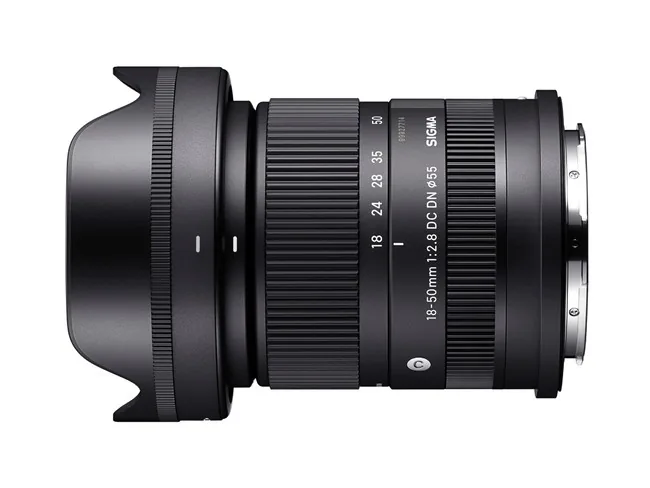
A complete range is not a requirement to buy three lenses
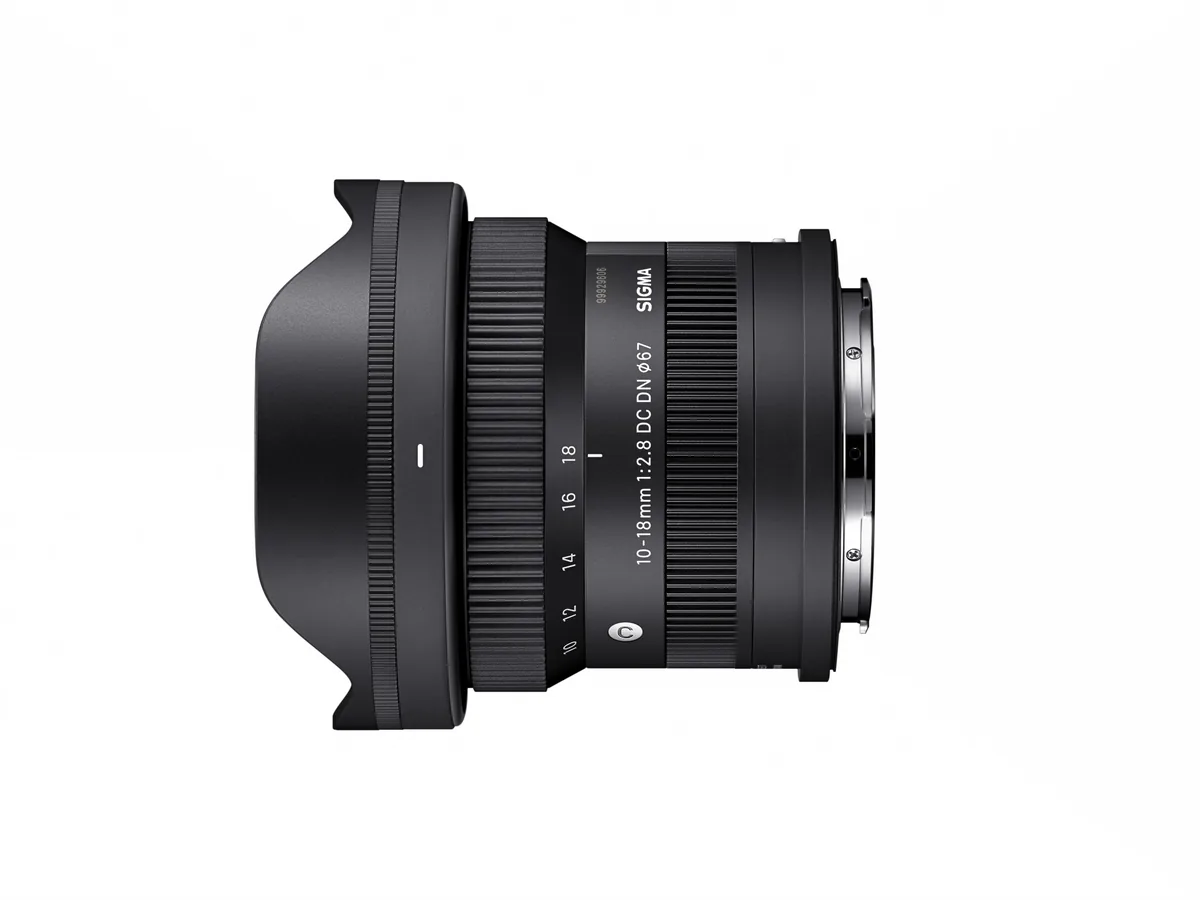
The new telephoto joins Sigma’s existing 10–18mm and 18–50mm F2.8 APS-C zooms. The two archive photographs below identify those earlier lenses, not additional views of the 50–120mm or new announcements. Together the ranges explain Sigma’s compact-kit positioning. They do not establish that all three belong in your bag. Review the pictures you already make: if you repeatedly crop a standard-zoom frame because you cannot approach, a telephoto may solve a real problem. If the issue is poor timing or an unsuitable background, a longer lens alone may not help.
Treat October 22 as the start of availability
The US announcement supplies a price and an availability date, not a guarantee that every mount will be in stock at every store that morning. Confirm the exact mount, delivery estimate and return conditions with an authorized dealer before committing a paid shoot. Do not schedule an essential assignment around a preorder arriving at the last minute. Owners of full-frame bodies should also check crop-mode behavior and usable output resolution rather than assuming an APS-C lens covers the full sensor. The official product page and US announcement below are the reference points for configuration and purchasing details.