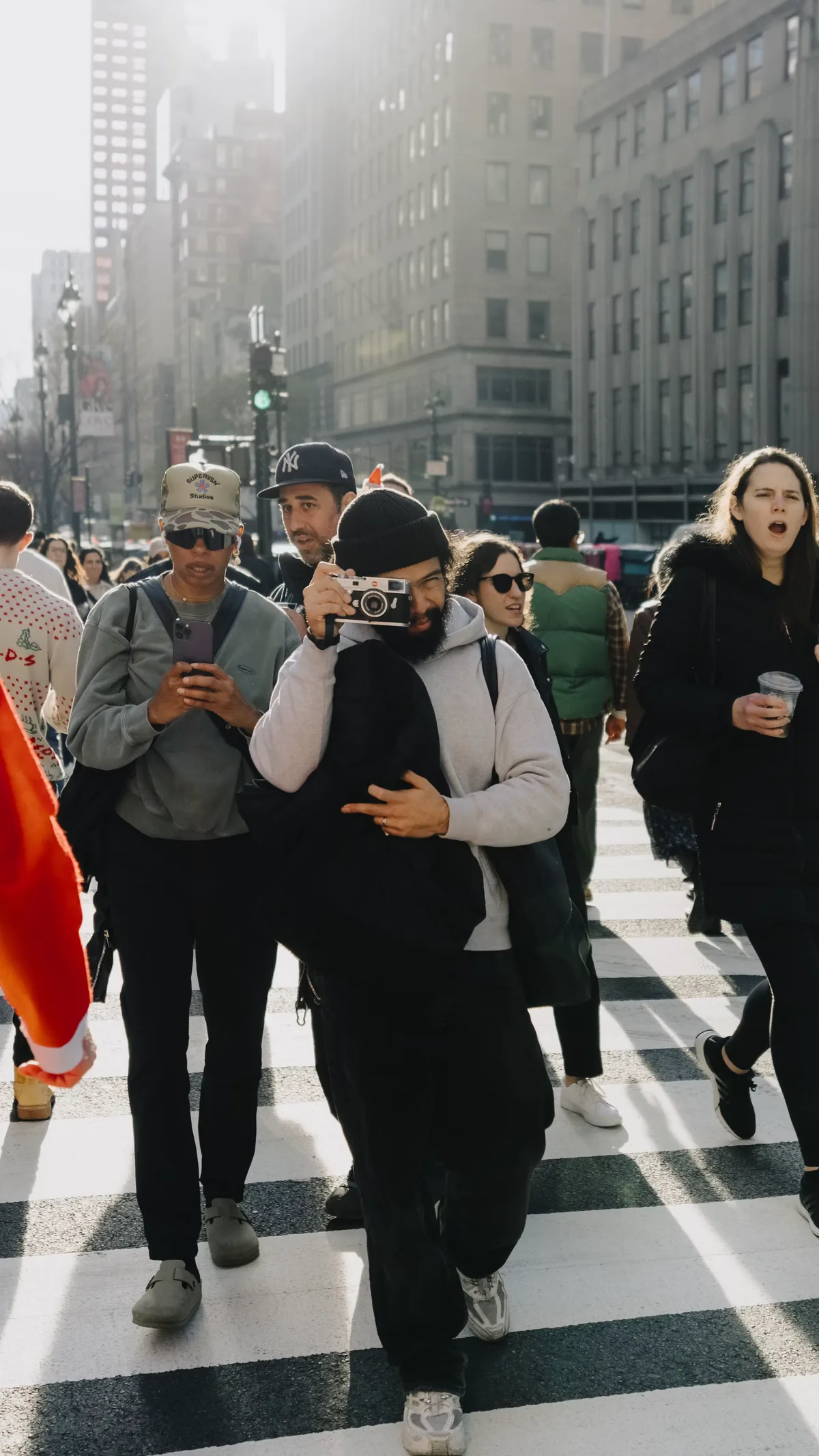
Bring the headline to the shoot
A wide sky can look empty in the viewfinder and still have nowhere for twelve words to land. Before photographing a cover or a newsletter lead, put the proposed headline into a blank frame at the final proportions. If the wording is provisional, use a line of similar length and allow room for another line. Note where the last word falls. That rough rectangle tells you how much uninterrupted background the photograph needs.
Move until the background works
Pick the subject first. Then look through the area where the letters will sit. One pale cloud can swallow white lettering halfway through a word. A seam between two painted walls can split a short headline even if both halves look equally quiet. Move sideways or lower the camera to shift that seam relative to the subject. Check that the move preserves the shape of the building, face or gesture that made the picture worth taking.
Make two genuinely different frames
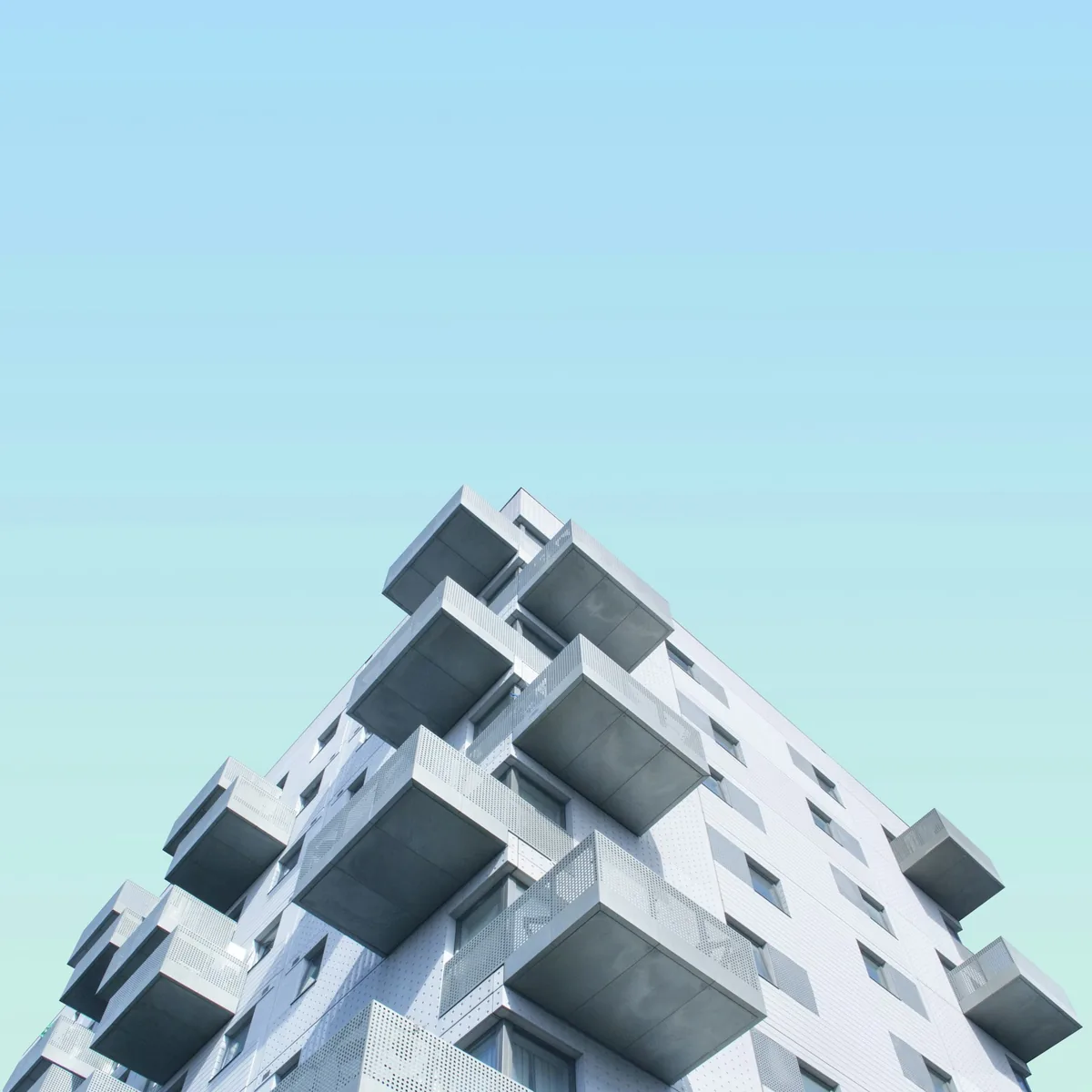
For a building beneath clear sky, try a low placement with the roof near a bottom corner. Make a second frame with the building on the other side and the quieter sky beyond it. Moving your feet can preserve a detail that would disappear if you simply cropped the first frame. For a scene with dark trees and bright clouds, a smaller patch of consistent tone may hold type better than the largest open area. Keep one clean composition for uses without a headline.
Read it at delivery size
Place editable type over a copy and preview the actual desktop and phone crops. Read every word once without zooming. Check the edge of the longest line and the nearest important detail in the picture. If the last word lands on a window or across a face, try the other frame. Deliver the clean originals and a small layout reference indicating the intended placement. That lets the designer change the headline later without removing baked-in text.