A new body, not a firmware update
Nikon announced the Z5IIC on September 24, 2026, placing a 24.5-megapixel full-frame sensor and EXPEED 7 processor in a flat-top Z-mount body without an electronic viewfinder. Nikon USA expects availability in mid-October at suggested retail prices of $1,399.95 for the body and $1,699.95 with the NIKKOR Z 24–50mm f/4–6.3. Black and silver versions are planned. Those are US launch suggestions, not a guarantee of a particular dealer’s stock or final price. This is a report on the announcement, not a hands-on review.
The real decision is how you frame
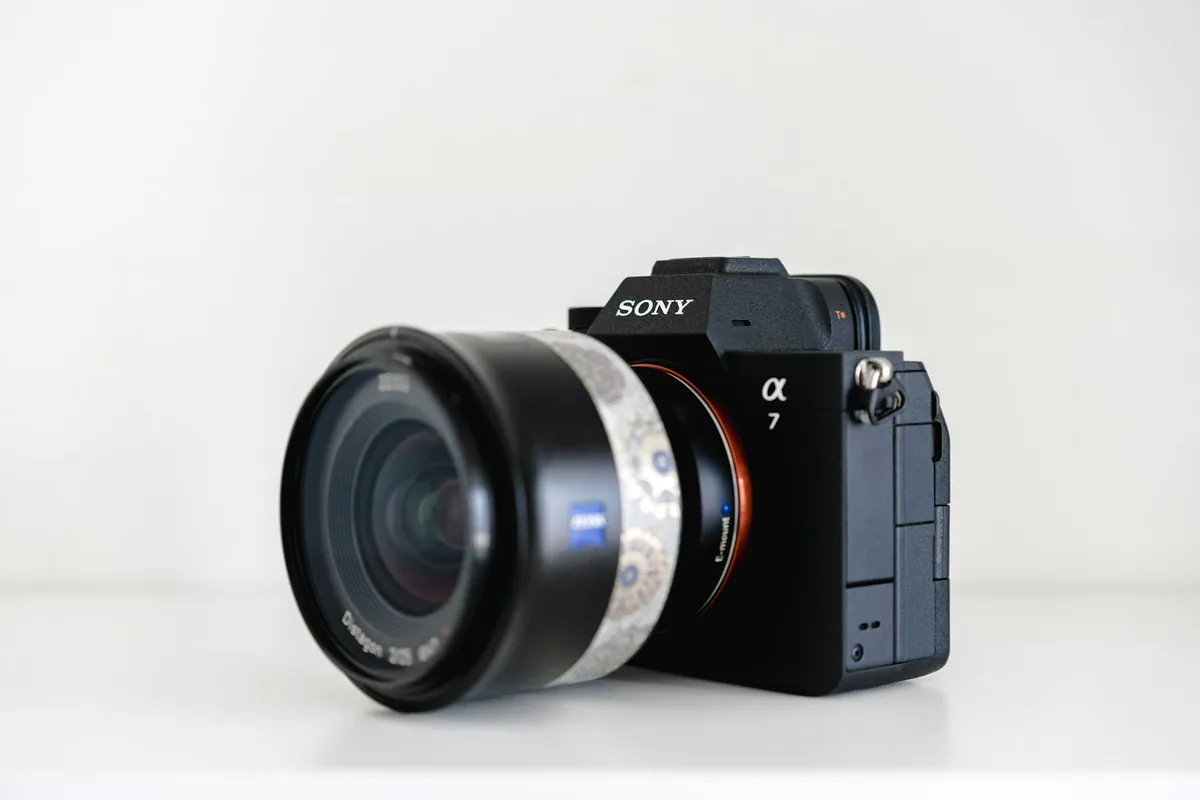
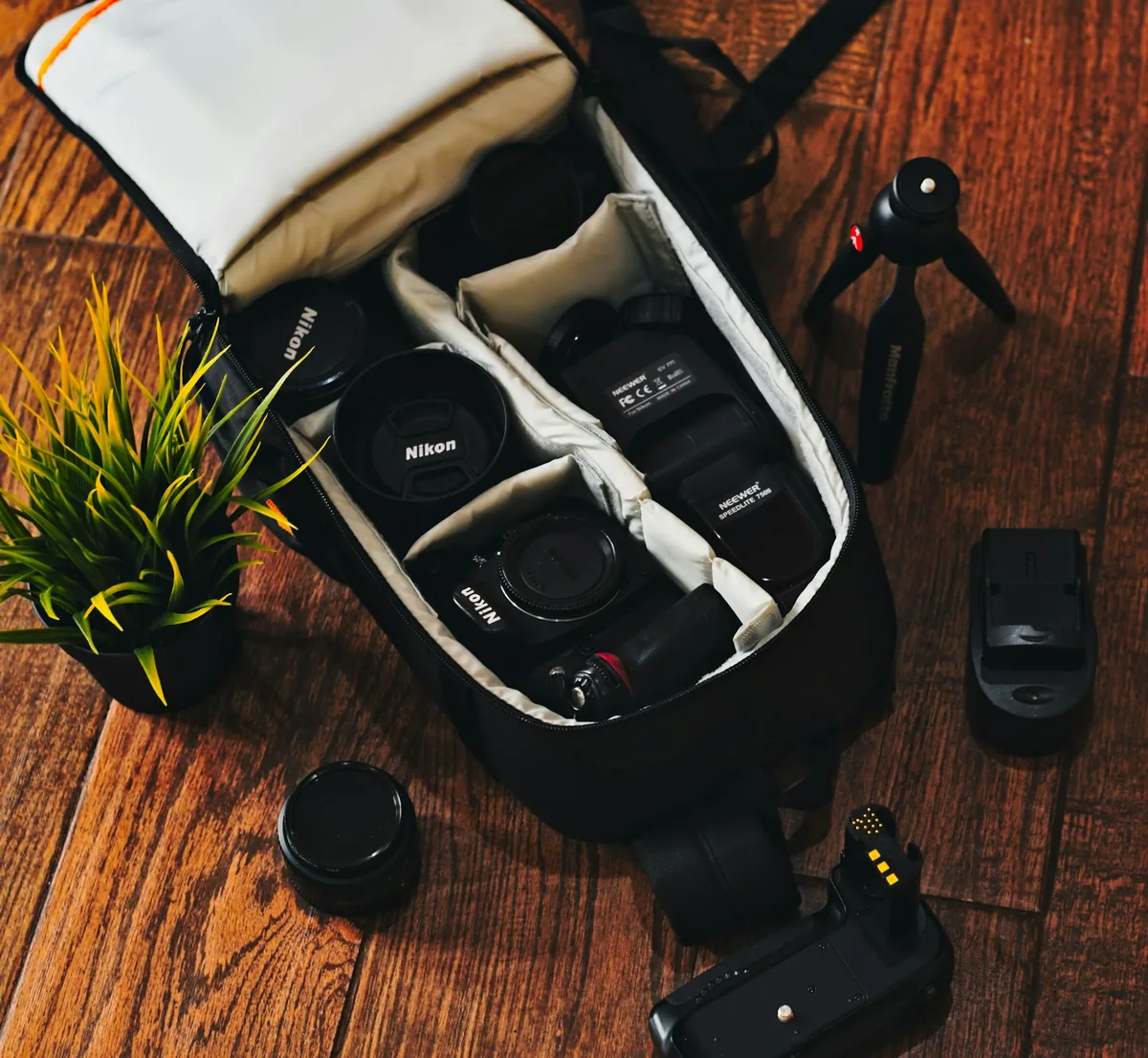
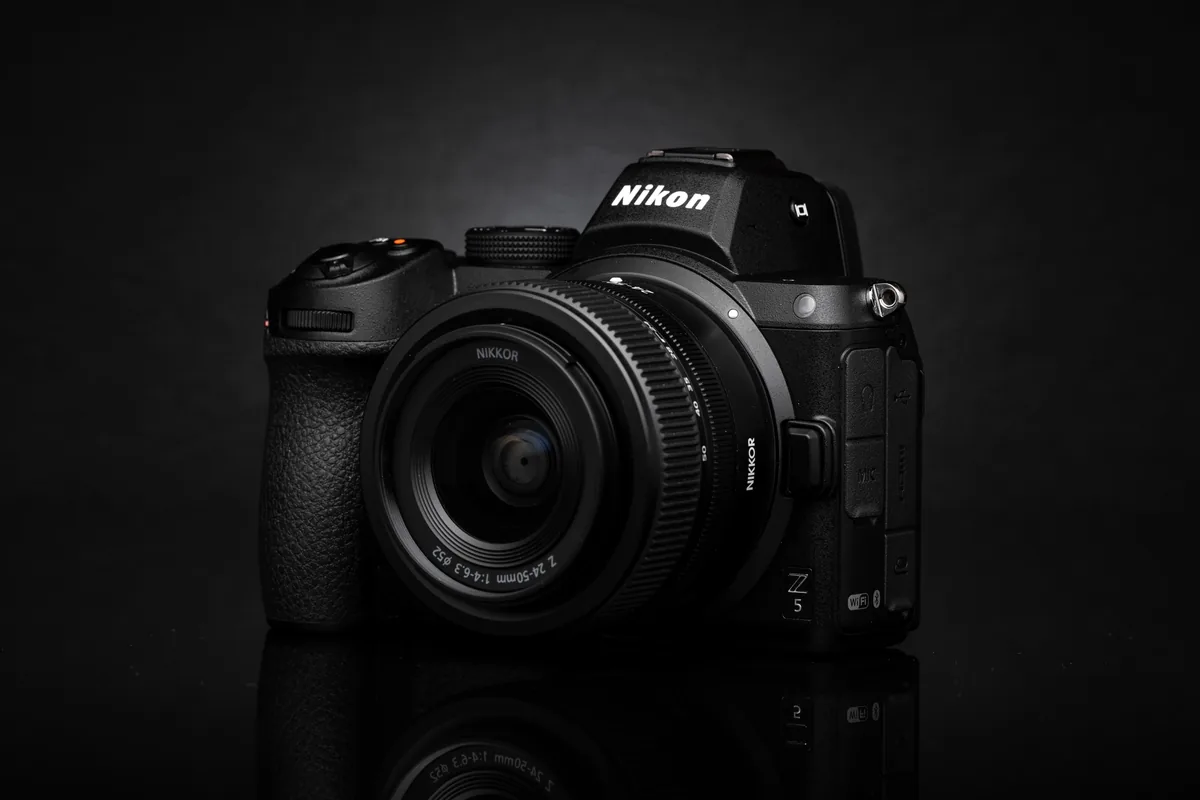
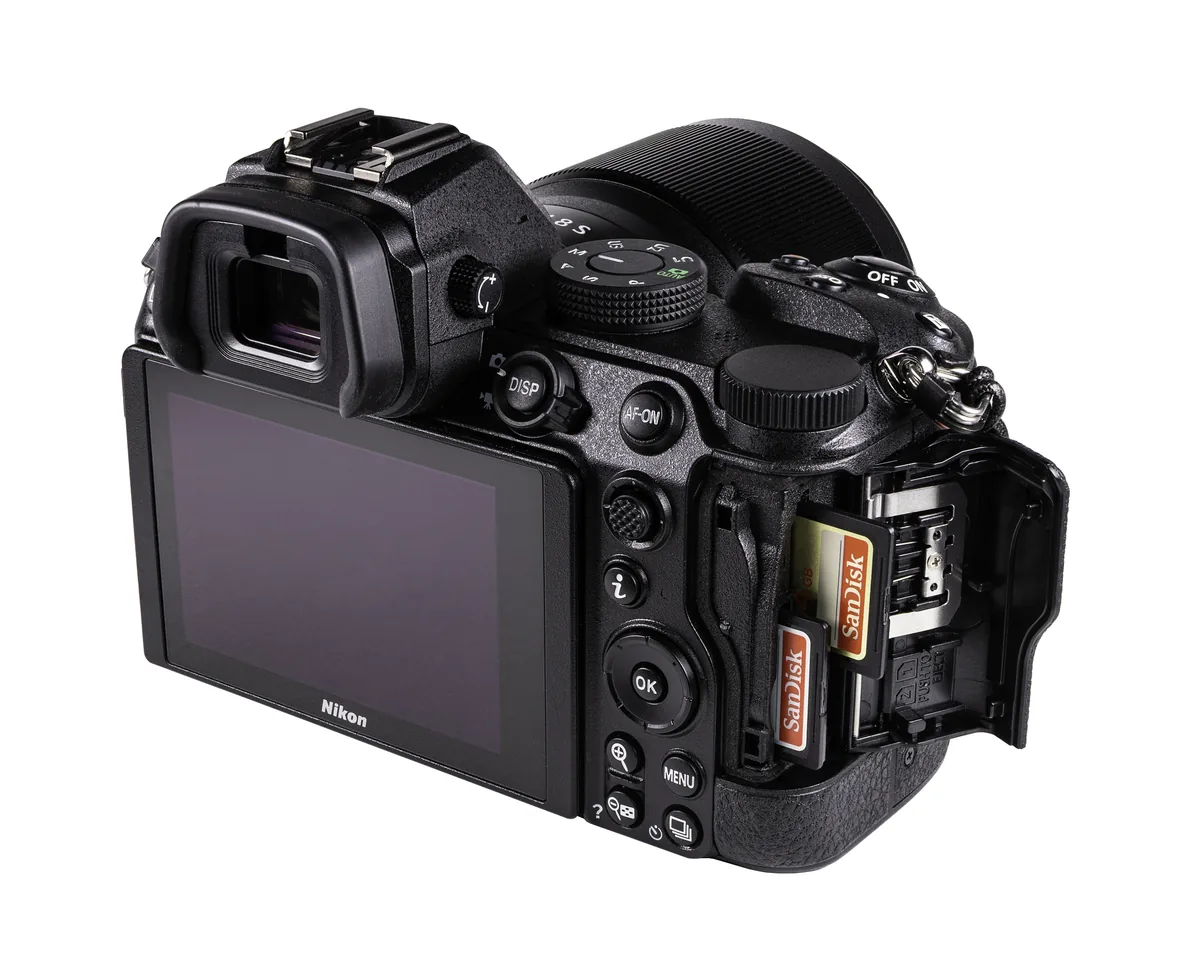
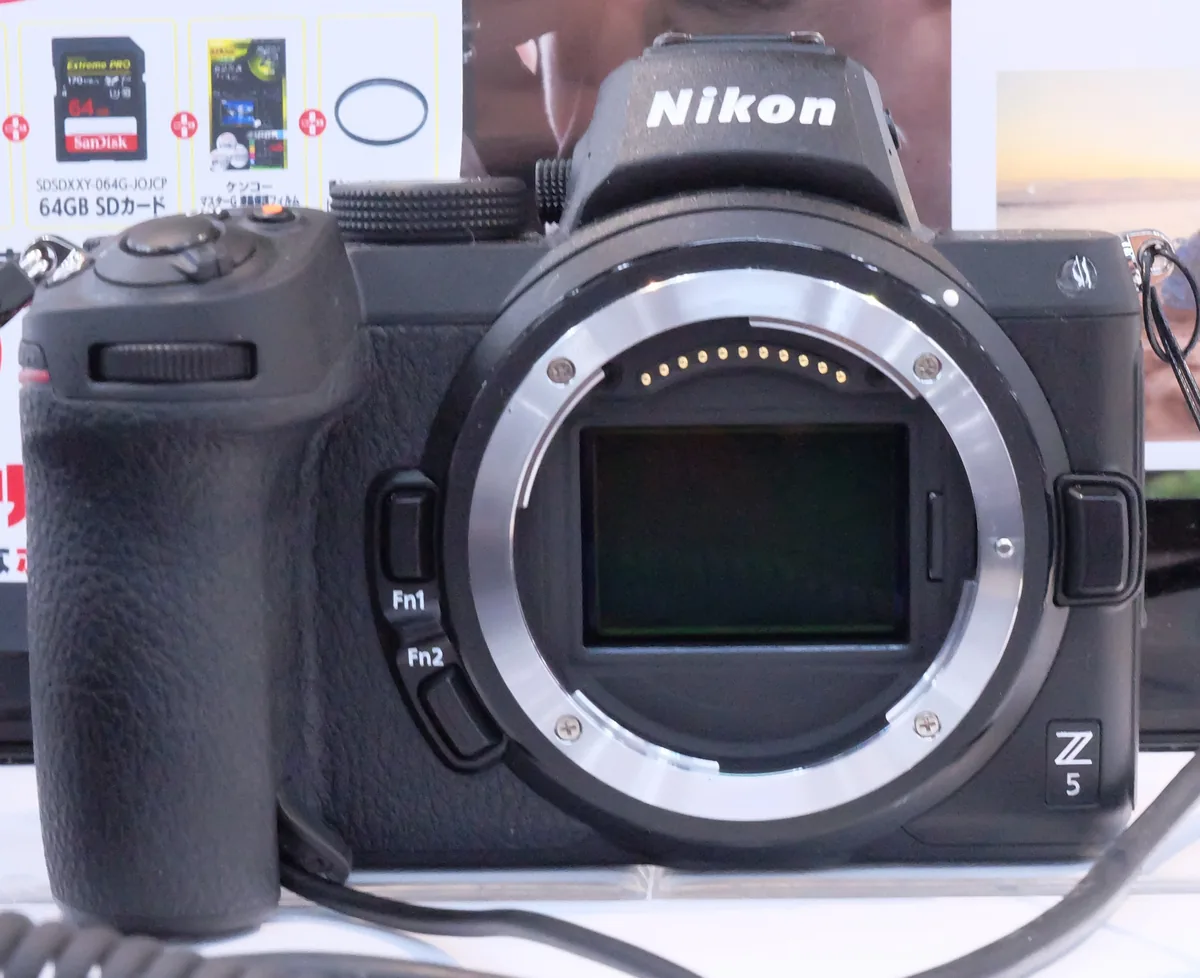
The 3.2-inch vari-angle touchscreen becomes the main framing interface. Nikon presents that as a familiar transition from phone photography; whether it suits you depends on where and how you shoot. Before buying, try composing in bright daylight, following a moving subject and holding the camera steadily with your intended lens. Removing the viewfinder is not automatically an advantage for every photographer. The licensed archive photographs here show the original Nikon Z5 and its system, not the new Z5IIC. For the new body’s exact appearance, use Nikon’s official announcement linked below.
Automation with room to learn
Nikon adds fifteen scene modes and a dedicated Imaging Recipes button. These offer ready-made settings and looks, while subject detection and automatic exposure aim to reduce the number of decisions needed for a quick picture. Treat the resulting look as a starting point: compare skin, highlights and mixed lighting before applying a favorite recipe to a whole assignment. Subject recognition also does not choose the story for you. Check which person or object the camera has selected, especially when several plausible subjects overlap. Our autofocus guide explains how recognition, focus area and continuous focusing work together.
Read the speed and stabilization footnotes
Nikon quotes approximately 14fps continuous shooting and a separate high-speed mode reaching 30fps. The pre-release capture option can save up to one second before the shutter release, but Nikon specifies large, normal-quality JPEGs for that high-speed mode. Do not interpret the headline as a promise of 30fps RAW files. The advertised stabilization maximum is 7.5 stops at the center under Nikon’s stated CIPA test conditions, including a specified lens. That is a manufacturer rating, not our measured result, and stabilization cannot freeze a moving person. Shutter speed still matters.
Video has useful options and specific limits
The Z5IIC offers 4K up to 60p, with DX cropping at that rate, and Full HD up to 120p. Account for the narrower framing when choosing a lens for a small room or a handheld introduction. Nikon also lists 10-bit H.265, N-Log and N-RAW recording to an SD card; supported recording combinations have restrictions, and Nikon recommends V90 cards for N-RAW. Verify the exact format you need before ordering storage. USB streaming support may simplify a desk setup, but test the complete camera, cable, computer and application combination before a live session.
Budget for the working kit, not just the sensor
A body-only price is not the cost of a usable first system. Add a suitable lens, recommended media and any audio or support equipment your actual work needs. Existing Nikon users should check each lens and accessory against the new camera’s compatibility information rather than assuming every familiar part behaves identically. For a first full-frame camera, the most useful comparison is a short list of real tasks: daylight framing, indoor autofocus, carrying the complete kit and editing a representative video file. We have not tested thermal behavior, battery endurance or autofocus reliability, so those remain questions for measured testing rather than conclusions from the launch specifications.