The next confirmed milestone
The Leica Oskar Barnack Award reaches its next public milestone on October 8, 2026, when Leica plans to announce the winners in Wetzlar. This is a September briefing on an existing shortlist, first announced in July—not a claim that the nominations were released today. The current official overview contains eleven projects. Leica notes that one series was removed following legal concerns; readers consulting earlier announcements may therefore encounter a different count. Use the current award website when checking the field. No winner is being predicted or presented as confirmed here.
The projects on the current list
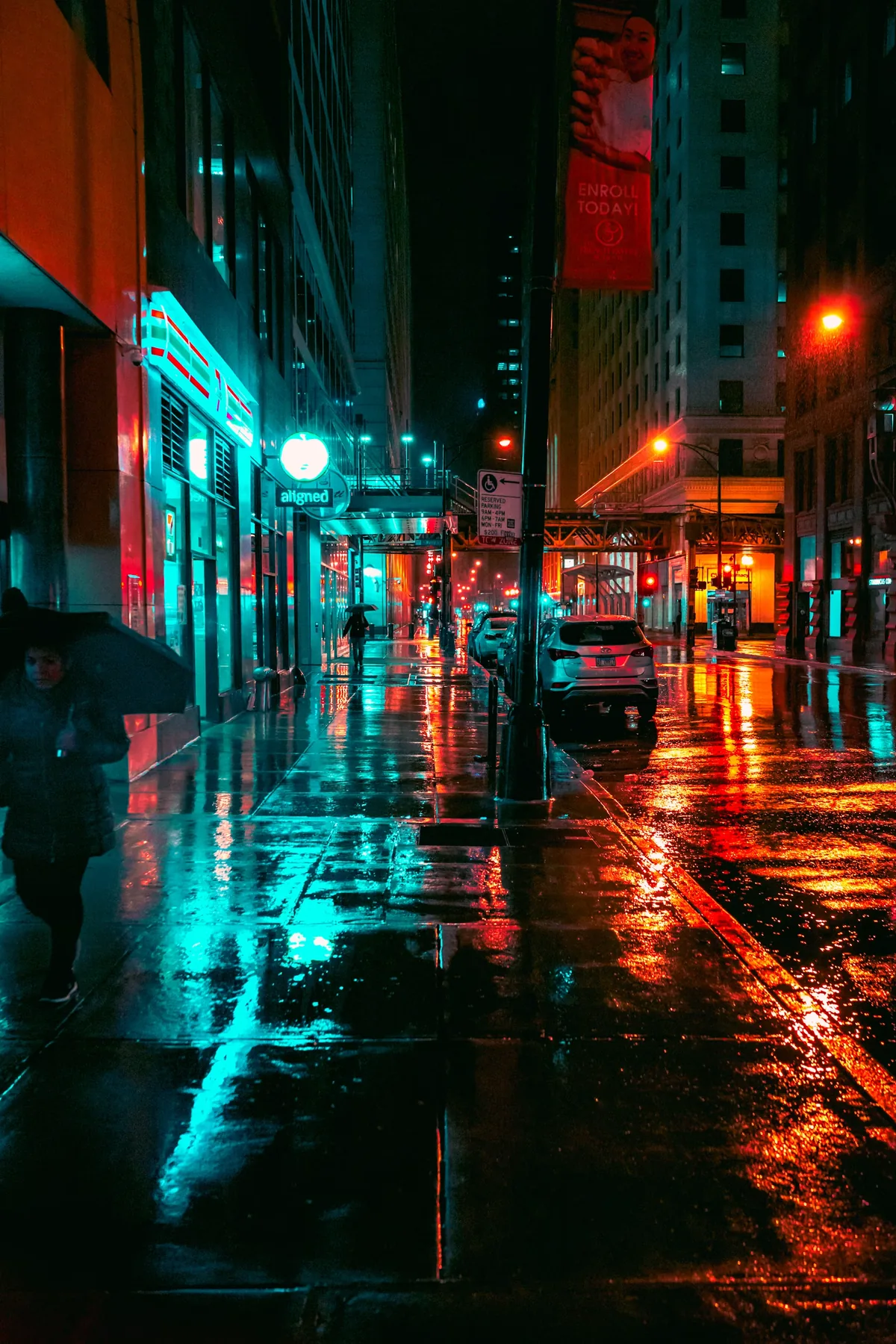
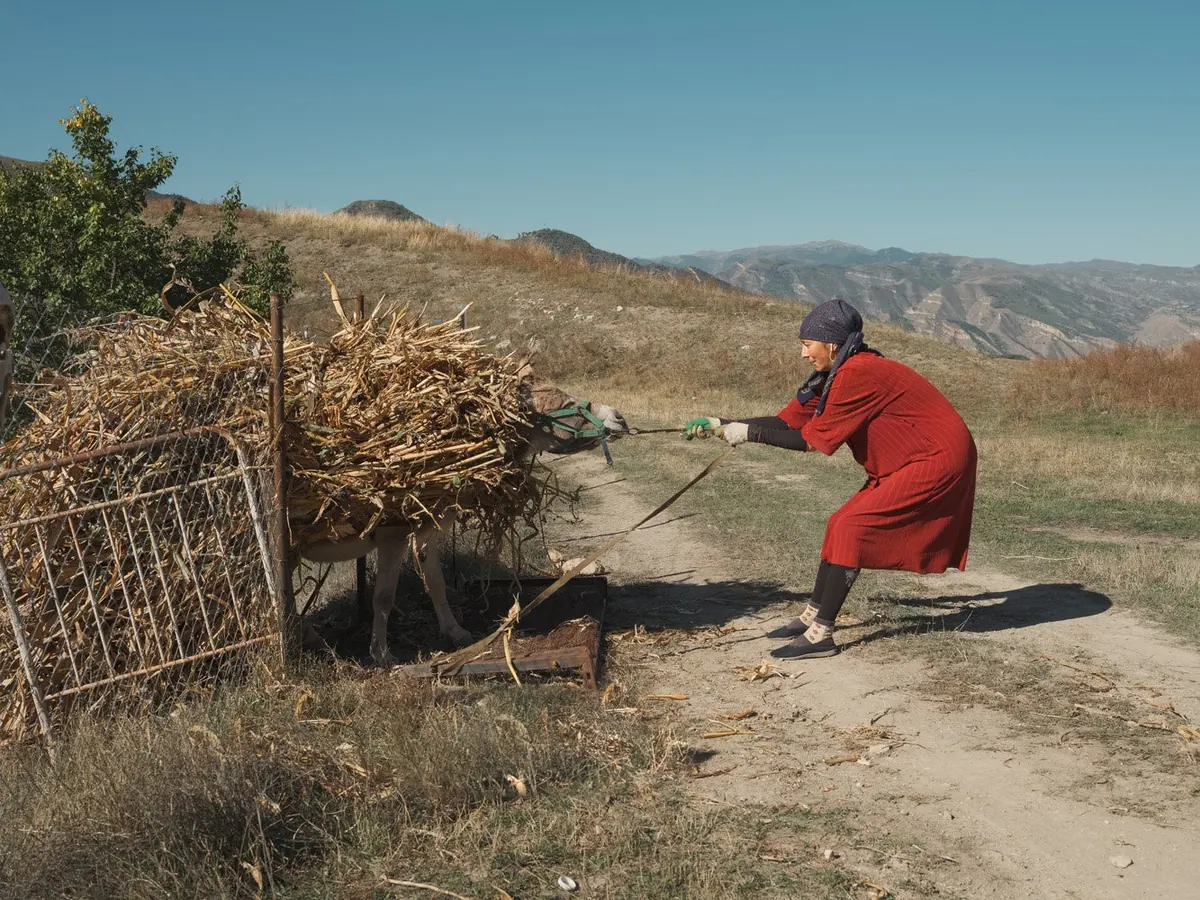
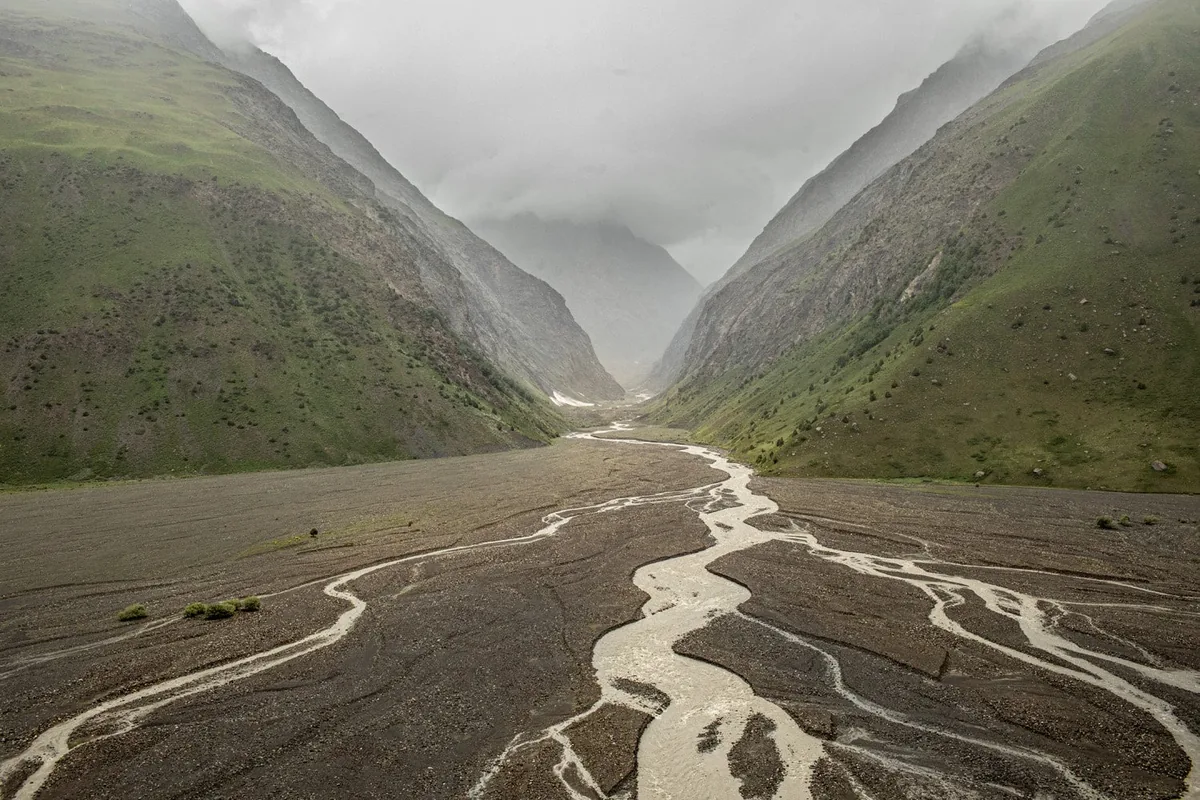
The eleven shortlisted photographers are Saher Alghorra, Todd Antony, Anush Babajanyan, Damir Faizulin, William Keo, Slava Lyu-fa, Benedikt Renč, Elliot Ross, Annie Sakkab, David Sládek and Laila AnnMarie Stevens. Their project pages, linked through the official overview below, are the appropriate starting point for seeing more than a publicity image. The photographs reproduced in this report are credited press images supplied through Leica Camera Japan, not photographs made by The Camera Post. Each retains its full frame.
Dates worth putting in a calendar
Leica’s announcement identifies this as the award’s 46th edition. The October 8 ceremony will include the main award, the newcomer award and the new Women Grant. The grant is designed to support a photographic concept whose resulting work will be presented the following year; it should not be confused with another already completed shortlist series. An exhibition at the Ernst Leitz Museum follows the ceremony and is scheduled to run through February 4, 2027. Before booking a visit, check the museum’s current opening information rather than treating an exhibition end date as a daily admission schedule.
Start with the project, not a favorite frame
Our suggested viewing exercise is simple: choose one project and read its introduction before selecting a favorite photograph. Then look through the available sequence without jumping between photographers. Write down the question you think the project is asking. Return to the introduction and check whether your interpretation is supported. A striking frame can attract attention while leaving the larger subject unclear; sustained work asks the viewer to consider relationships among photographs, captions and the circumstances of access. This is a reading method, not a description of the jury’s private deliberations.
Separate what is visible from what is explained
Try keeping two short columns of notes. In one, record what a picture visibly contains: a gesture, distance between people, a repeated color or a change of scale. In the other, record information supplied by the caption or project statement. If a conclusion depends on a location, chronology or a person’s circumstances, do not pretend the image alone establishes it. This distinction is especially useful when discussing documentary photographs in a class, portfolio review or publication. A careful caption does not weaken a photograph; it makes the boundaries of the evidence easier to understand.

What photographers can take into their own edit
After viewing a complete project, return to your own working selection and ask which photographs add necessary information rather than repeat a successful look. Keep that exercise separate from imitating a shortlisted photographer’s subject or style. The useful lesson is to test whether your intended reader can follow the project and identify what remains uncertain. Our portfolio guide addresses selecting work for a particular reviewer, while the sequence checklist focuses on the order of pictures inside a story. For the award itself, the next result to verify is Leica’s October announcement—not speculation based on the press selection.